Shijimizuka Site: A Jōmon Settlement and Shell Midden in Hamamatsu, Japan
Site at a Glance
- Rating
- 3.9
- Popularity
- Low
- Country
- Japan
- Primary era
- Bronze Age
- External website
- Open
- Eras represented
- Bronze Age, Iron Age
- Civilizations
- Jomon
- Site type
- Domestic
On this page10 sections
History
Shijimizuka is a late-to-final Jōmon settlement and shell midden site in Hamamatsu, Japan, inhabited by prehistoric hunter-gatherer and fishing communities approximately from 2000 to 1000 BC. The Jōmon period was Japan’s prehistoric era, when communities used pottery, maintained settlements, and relied on hunting, fishing, and gathering. Shijimizuka preserves evidence of a community whose activities drew on both freshwater and marine environments, as well as nearby forest resources.
Recognition and early investigations
Large shell deposits at Shijimizuka were known by the middle of the Edo period, the era of Tokugawa shogunate rule from 1603 to 1868. The deposits contained millions of freshwater bivalve shells. Part of the site was damaged in the 1830s, when local farmers extracted shell-rich material for use as fertilizer.
Interest in the site grew after Edward S. Morse excavated the Ōmori Shell Midden in 1877. Morse, an American zoologist and archaeologist, helped establish the archaeological study of Japan’s prehistoric shell middens. Preliminary investigations at Shijimizuka in 1889 recovered Jōmon pottery fragments and stone tools, confirming the site’s date and encouraging further research in the Hamamatsu area.
Excavation and preservation
Excavations in 1895 and 1915 uncovered human bones from 30 burial locations. Shell necklaces and bracelets accompanied some of the burials, while deer and wild-boar bones provided evidence of animal use. Kyoto Imperial University excavated Shijimizuka from 1920 to 1922 and revealed the foundations of 20 rectangular floor-pit dwellings, buildings whose floors were sunk below ground level.
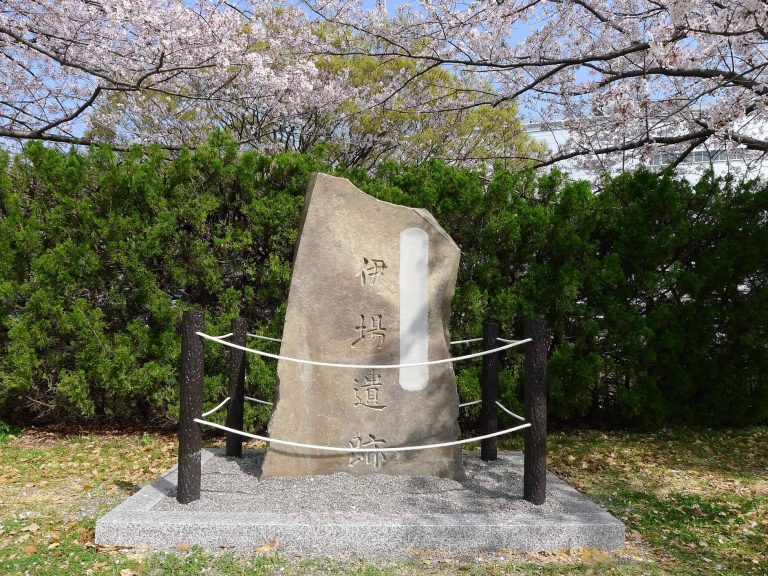
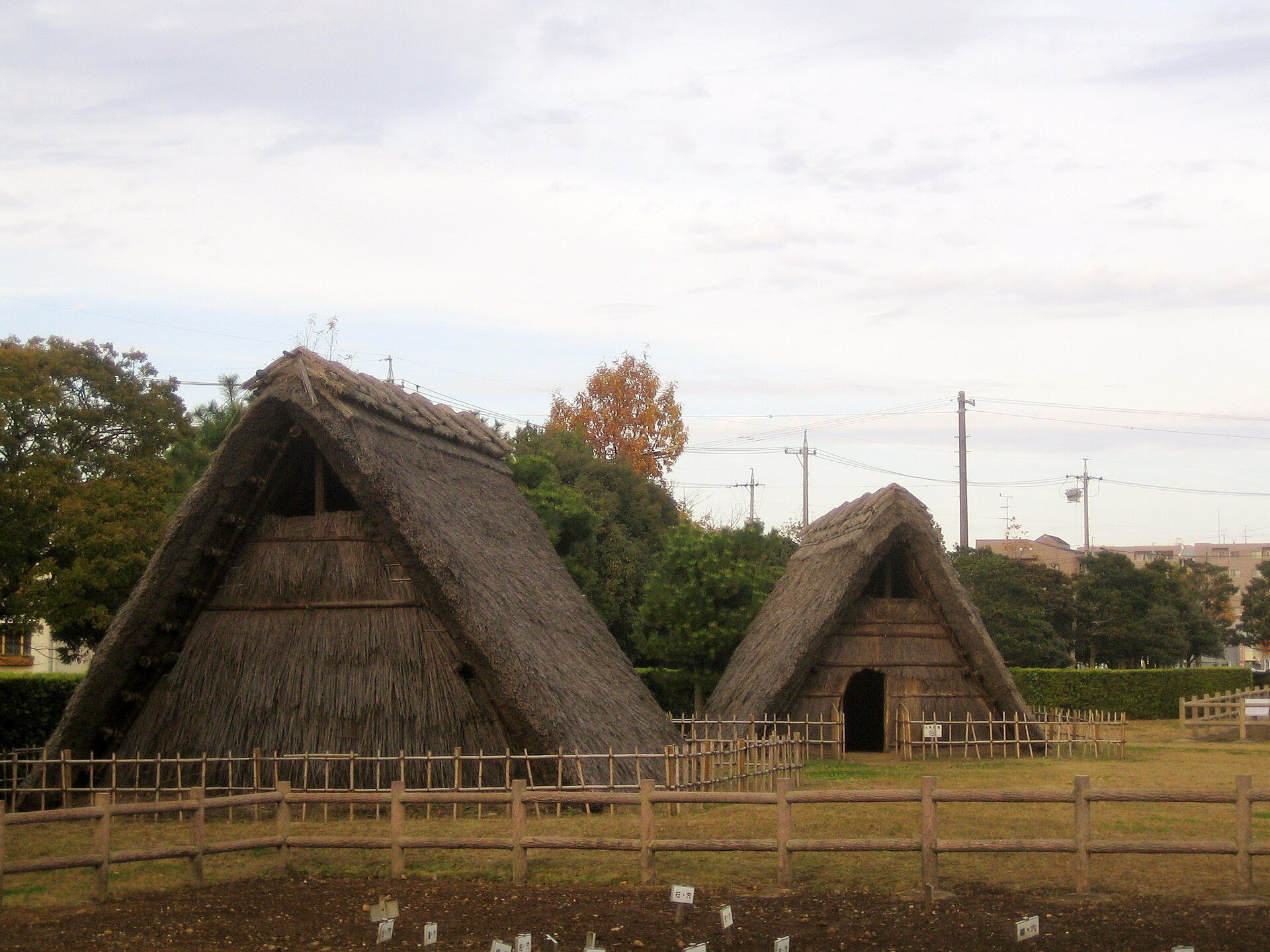
Shizuoka University conducted investigations using modern archaeological methods in 1954–1955 and again in 1983. Shijimizuka became a National Historic Site in 1959, a designation used in Japan for nationally protected archaeological and historical places. The protected area was later expanded and opened to the public as an archaeological park in 1984. The park now includes reconstructed dwellings and a preserved farmhouse dating from the late nineteenth century, while many excavated artifacts are housed at the Hamamatsu City Museum.
Remains
Shijimizuka occupies a small plateau approximately 1 kilometer from Lake Sanaru. The settlement remains include a shell midden divided into four parts and more than 20 buildings arranged in a ring. Together, these features show the organization of a Jōmon habitation and preserve material from roughly a thousand years of occupation.
Settlement structures
Floor-pit dwellings
Archaeological investigations identified the foundations of rectangular floor-pit dwellings arranged around the settlement. A number of these buildings have been reconstructed in the archaeological park, giving form to the structures represented by the excavated foundations.
Shell midden
One section of the midden is protected in a dedicated facility where its exposed profile reaches approximately 1.5 meters in depth. Its successive layers preserve deposits accumulated during about 1,000 years of habitation. The midden is composed largely of freshwater bivalve shells, especially shijimi clams, along with pottery fragments and animal remains.
Archaeological finds and environment
Animal and aquatic remains
The shell deposits contain deer and wild-boar bones as well as the bones of several saltwater fish, including sea bream, tiger puffer, Japanese sea bass, black sea bream, and stingray. These remains indicate access to freshwater, marine, and forest resources. The shell deposits also show that Lake Sanaru formerly extended close to the settlement.
Burials and crafted objects
Excavated materials include human remains, shell necklaces and bracelets, pottery, stone tools, iron arrowheads, and other jewelry. Many of these objects are displayed at the Hamamatsu City Museum on the southern side of the ruins, where they provide material evidence of the settlement’s inhabitants, activities, and burial practices.