Kōmyōsan Kofun: A Fifth-Century Keyhole Burial Mound in Japan


Site at a Glance
- Rating
- 3.7
- Popularity
- Very Low
- Country
- Japan
- Primary era
- Classical
- External website
- Open
- Eras represented
- Classical
- Civilizations
- Yamato
- Site type
- Burial
- Remains
- Burial Mound
On this page5 sections
History
Kōmyōsan Kofun is a Kofun-period burial mound in Hamamatsu, Japan, built around the middle of the fifth century in the middle Kofun period. Its keyhole-shaped plan and the character of its haniwa, clay funerary objects placed on or around burial mounds, provide the main evidence for its date. The mound forms part of the Kōmyōsan Kofun Group with Kōmyōsan No. 2 Kofun.
Regional Power and the Akiba Kaidō
The mound stands beside the Akiba Kaidō, an ancient highway linking southern Tōtōmi with Shinano and inland Mikawa. Its form resembles burial mounds common in the Kinki region, the area associated with the early Yamato Kingdom, a political power centered in the Kinai region. Kōmyōsan Kofun has therefore been interpreted as possibly belonging to a local ruler who controlled this route and maintained some connection with Yamato.
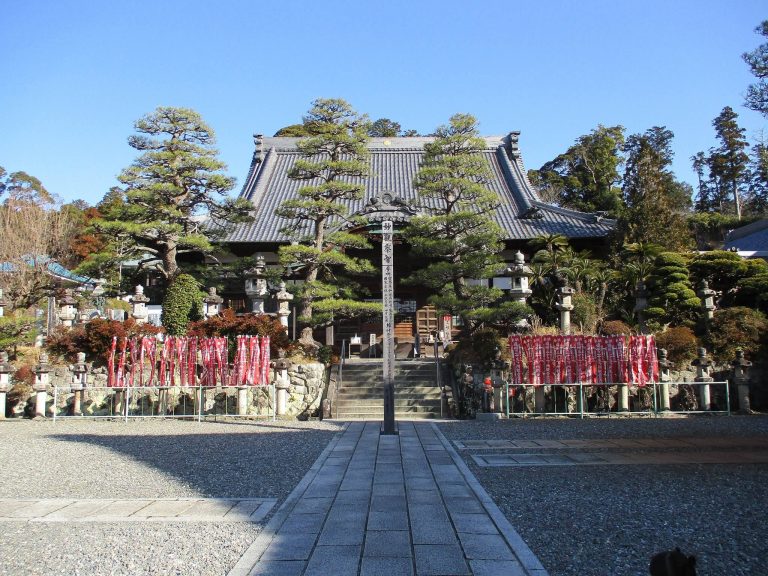
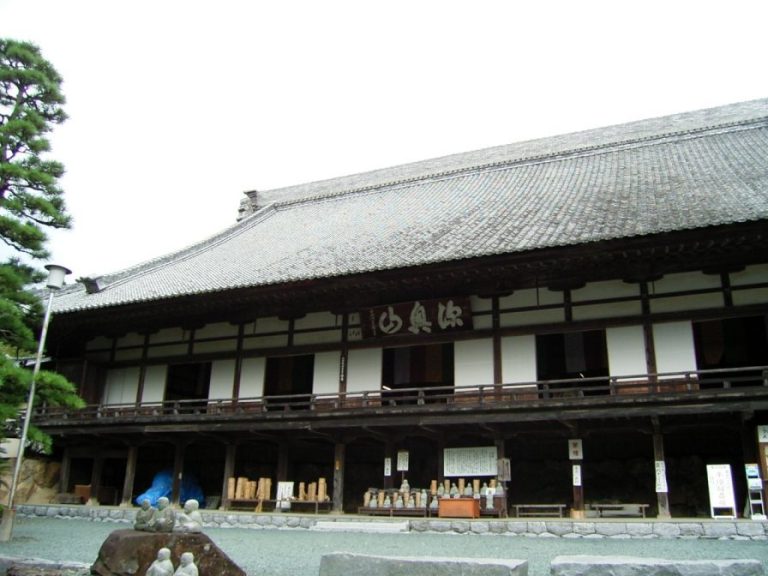
The name Kōmyōsan comes from Kōmyō-ji, the Buddhist temple north of the mound. After a fire, the temple was moved from the summit of Mount Kōmyō to its present location in 1931. Kōmyōsan No. 2 Kofun was located south of the main mound and consisted of a circular mound with a projecting platform, but it has since disappeared.
Recognition and Investigation
Kōmyōsan Kofun was identified as a burial mound in 1939 and became a Shizuoka Prefectural Historic Site on February 25, 1955. The mound area was designated a National Historic Site of Japan on March 10, 2020.
Investigation began with a mound survey in 1954 and continued through work associated with construction projects in 1971, a Kansai University survey in 1996, and preliminary and monitoring investigations in 2015. Range-confirmation, preliminary, and three-dimensional topographical surveys followed in 2018. Monitoring work also accompanied the removal of a Jizō hall and related structures in February 2021. Including investigations of Kōmyōsan No. 2 Kofun, eleven investigations have taken place. Work in 2018 revised the traditionally cited mound length from 82 meters to 83 meters.
Remains
Keyhole Mound
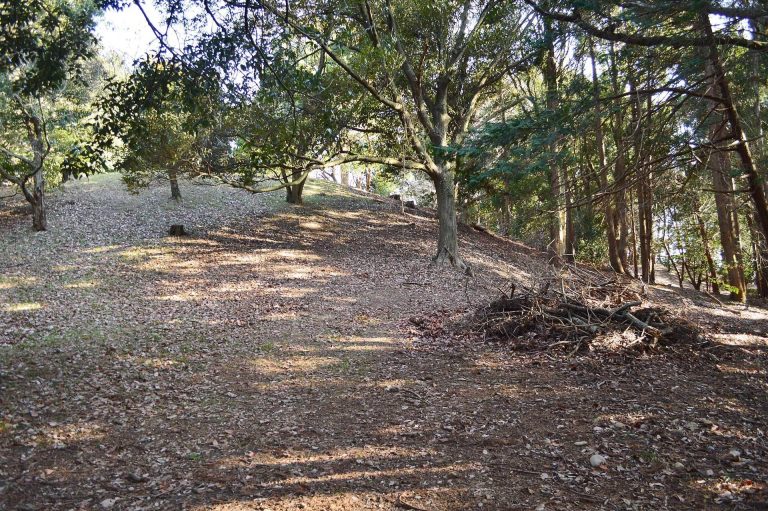
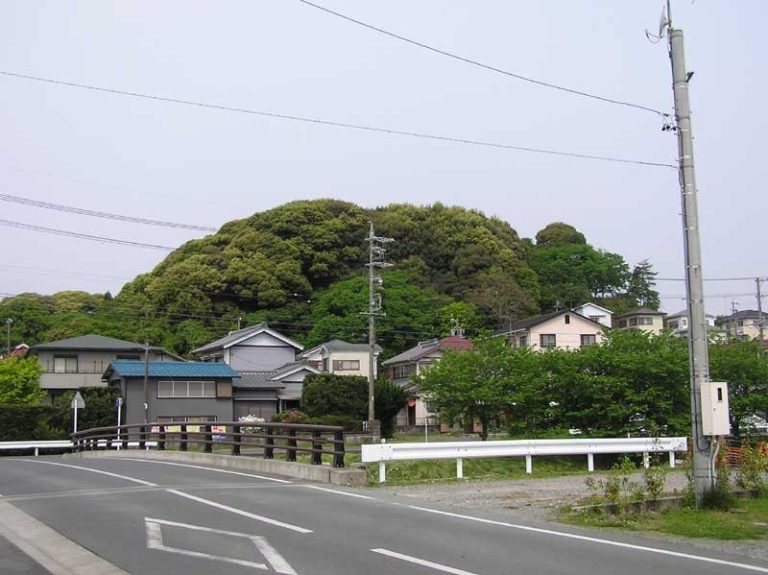
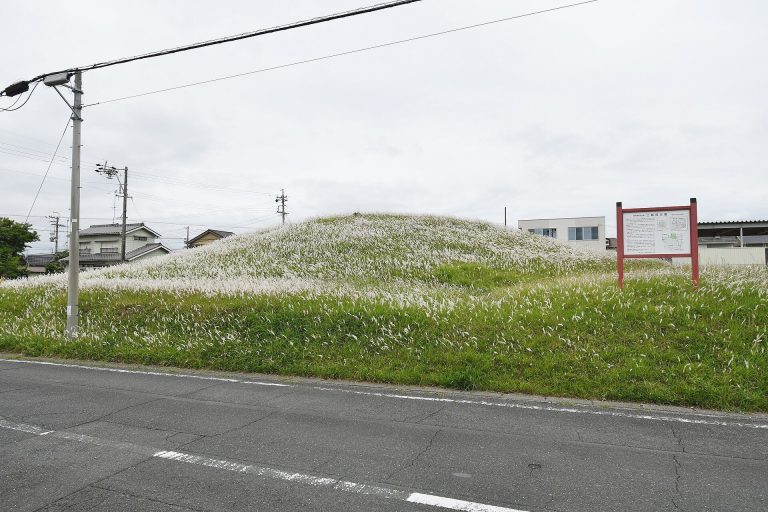
Kōmyōsan Kofun is a zenpō-kōen-fun, or keyhole-shaped burial mound formed by a circular rear section and a square projecting front section. Its front points south. Built in two tiers, the mound measures about 83 meters in total length, making it the largest kofun in Hamamatsu City. It occupies the tip of a tongue-shaped hill extending into the innermost part of the Tenryū River plain in western Shizuoka, immediately beside the Akiba Kaidō. It is the only known keyhole-shaped kofun in the Tenryū region.
The rear circular section is about 45 meters across and rises approximately 7.5 meters. On its northern side, a particularly well-preserved stretch of fukiishi, stones laid over the exterior of a burial mound, extends for about 6.8 meters from the base to the top. Fukiishi and haniwa have been identified on the mound’s exterior. The main body has not been excavated, leaving the burial facility unknown.