Schloss Minnesheim: A 17th-Century Summer Residence and Family Seat in Salzburg
Site at a Glance
- Popularity
- Very Low
- Country
- Austria
- Primary era
- Early Modern
- Eras represented
- Early Modern
- Civilizations
- Holy Roman Empire
- Site type
- Domestic
- Remains
- Castle
On this page8 sections
History
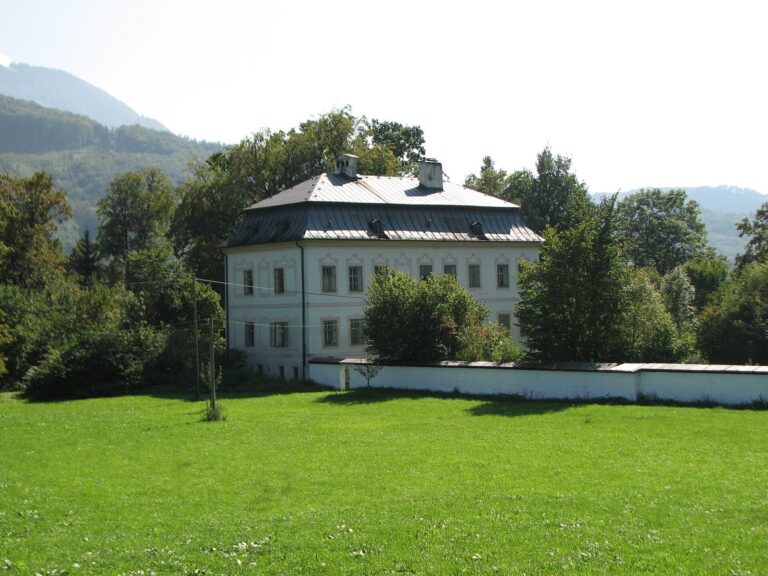
Schloss Minnesheim is a 17th-century summer residence in Salzburg’s Gnigl district, Austria, commissioned by Prince-Archbishop Paris Lodron in 1644 as a family seat, particularly for his sister-in-law, Countess Katharina Lodron. Paris Lodron held the office of Prince-Archbishop of Salzburg from 1619 to 1653. The residence was established on the site of Hofhölzl.
Paris Lodron also ordered the drainage of Schallmoos Moor, opening up land around what is now Gnigl.
The garden’s transformation
Around 1790, Franz Count Lodron, court marshal to Prince-Archbishop Hieronymus von Colloredo, reshaped the former Baroque garden. Colloredo held the same office from 1772 to 1803. Franz’s new garden drew on Classicism and early Romanticism and was intended for public recreation. Its openness led members of the aristocracy to keep their distance.
In 1830, the grounds were described as an ornamental garden with a mixture of symmetrical and asymmetrical paths and open spaces.
Ownership and reuse
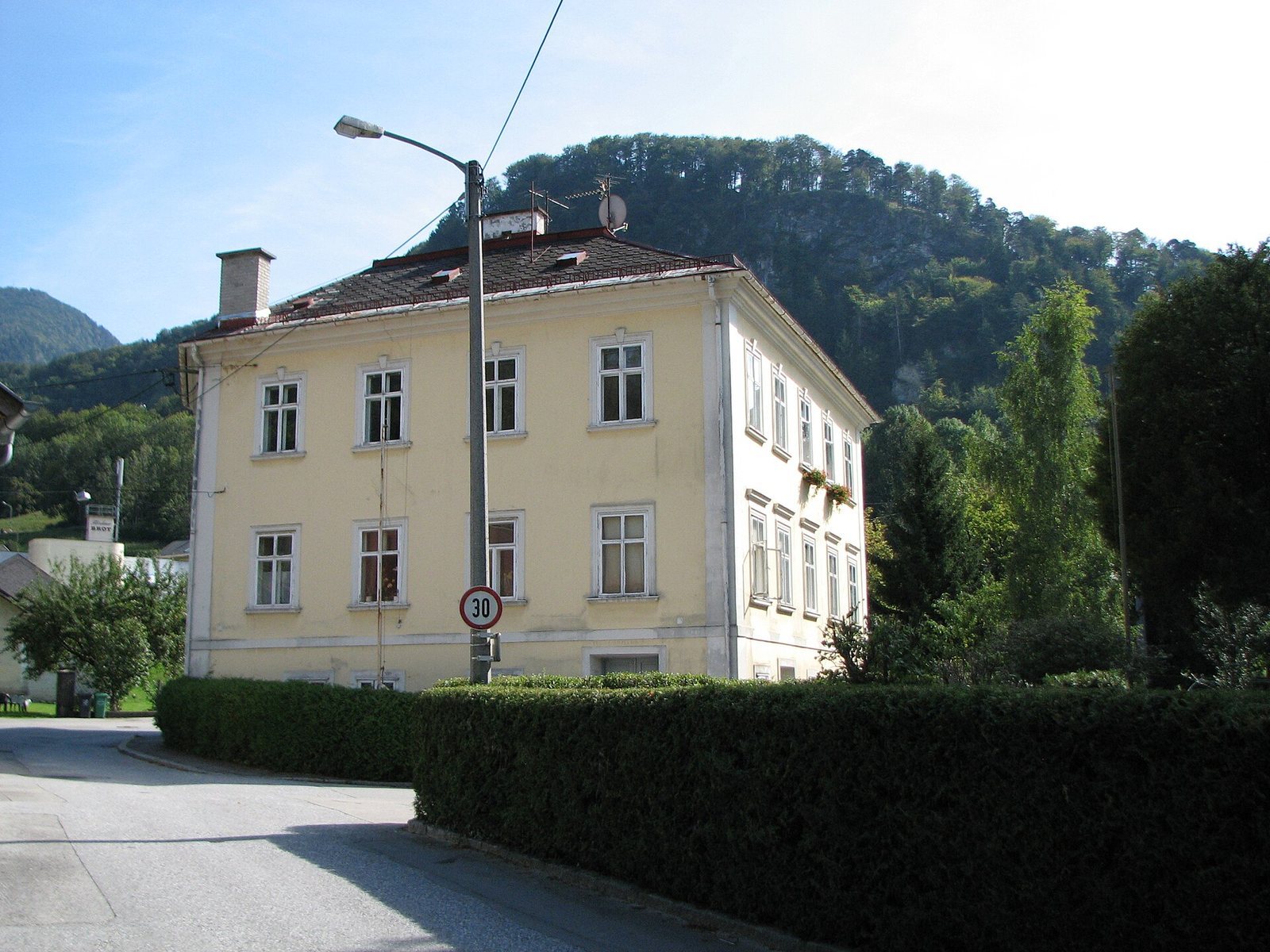
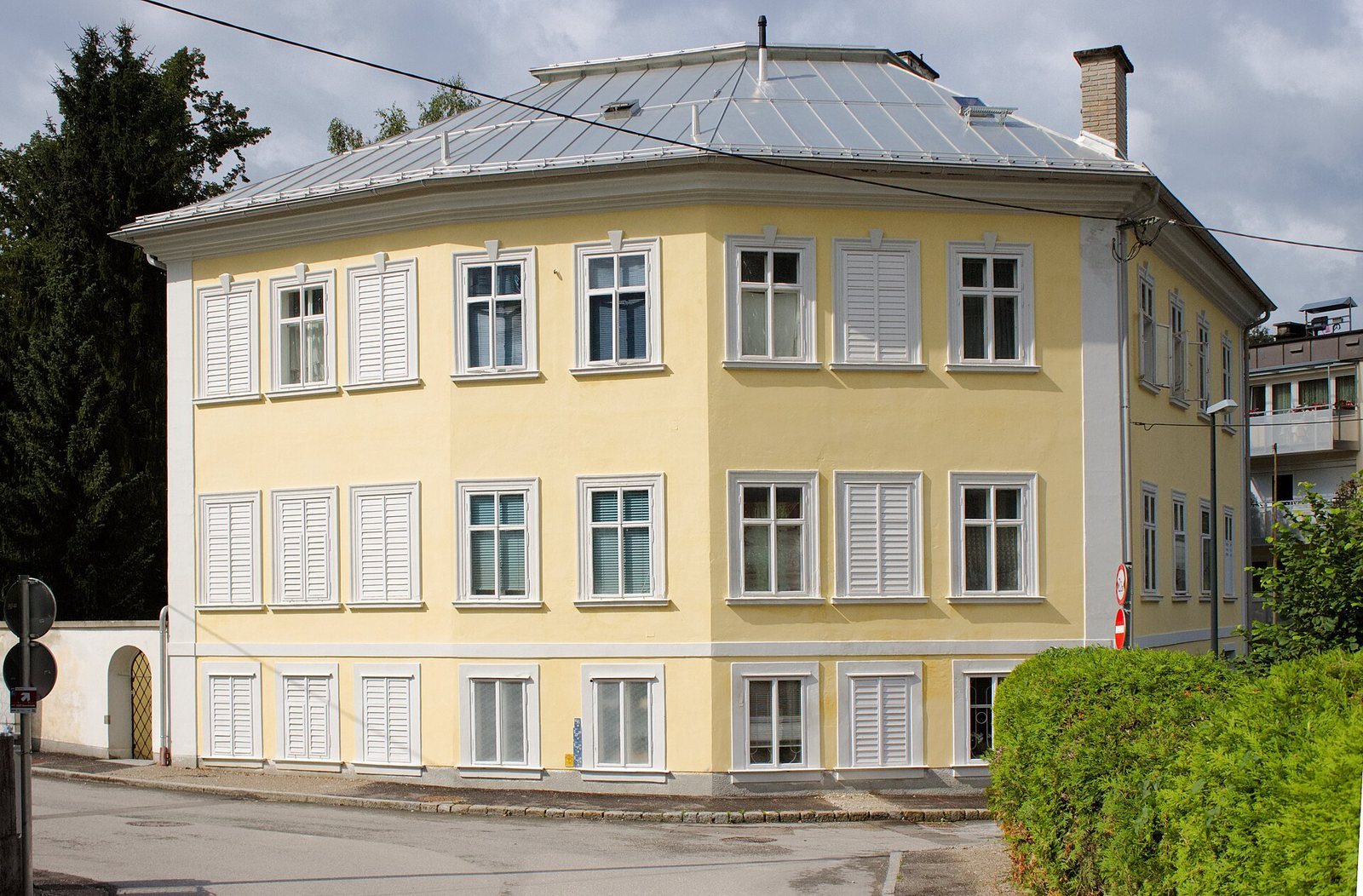
Schloss Minnesheim passed to Baron Helldorff in 1885. He sold it to the municipality of Gnigl in 1915. From that year until 1928, the altered building served as a primary school before being converted into rental housing. The City of Salzburg now owns the building, which continues to be used for housing.
Remains
The surviving site consists of the residence and the adjoining Minnesheimpark, also known as Gnigler Park. The park covers two hectares and has been reshaped as an English garden; most of its trees date from the original garden period. Grazer Bundesstraße now runs between the building and the park.
The residence
Two bends in the building’s walls follow the line of an earlier road. A garden hall on the front façade once opened onto a linden avenue leading into the park. Later changes diminished the building’s castle-like character. Its inscription, Dulce oblivia vitae, means “Sweet is it to forget life” and expresses the idea of leaving everyday worries behind.
After Baron Helldorff removed the furnishings to Thalenstein Castle near Völkermarkt in Carinthia, one memorial stone remained at Minnesheim.
Minnesheimpark
The garden’s former features included a small palace, a Dutch dairy house, a chapel, a monument to Emperor Leopold I, and a hare shelter in a duck pond. Other elements included a dovecote, a bust of Horace, the Roman poet of the first century BCE, a Chinese bridge, a Chinese pleasure house on Rose Hill, and a Chinese birdhouse. A pyramid commemorated Jean-Jacques Rousseau’s 18th-century novel The New Heloise, and a family monument honored the Counts Lodron.
Monuments and inscriptions
A memorial dated 1793 and a three-sided marble pedestal formed part of the garden’s commemorative features. The pedestal’s inscriptions addressed solitary contemplation, the thoughtful reader, and social enjoyment. An obelisk bore secret signs identifying Count Lodron as a Freemason, a member of a fraternal organization.
The Four Seasons
The park’s ensemble known as The Four Seasons consists of four allegorical figures around a stone cube inscribed on three sides with accounts of the Lodron family’s early history. One inscription credits Silvester Lateranus, Baron of Lodron, with taking possession of a gate in Jerusalem under Godfrey of Bouillon, a leader of the First Crusade. It also says he became the first Count of Lodron and of the Roman Camp in 1050. That date conflicts with the capture of Jerusalem in 1099 during Godfrey’s campaign. Another inscription celebrates a successful return to the homeland in 1052, possibly with a trophy. A third says that a descendant named Franz arranged in 1795 for precious remains to be transferred there to protect them from damage caused by time.
A monument to Emperor Leopold I, Holy Roman Emperor from 1658 to 1705, was among the park’s features. The memorials and sculptures reflect the garden’s combination of family commemoration and leisure.