Schloss Karlstein: A Neo-Gothic Palace in Germany


Site at a Glance
- Rating
- 4.6
- Popularity
- Very Low
- Country
- Germany
- Primary era
- Modern
- External website
- Open
- Eras represented
- Modern
- Civilizations
- German
- Site type
- Domestic
- Remains
- Elite Residence
On this page7 sections
History
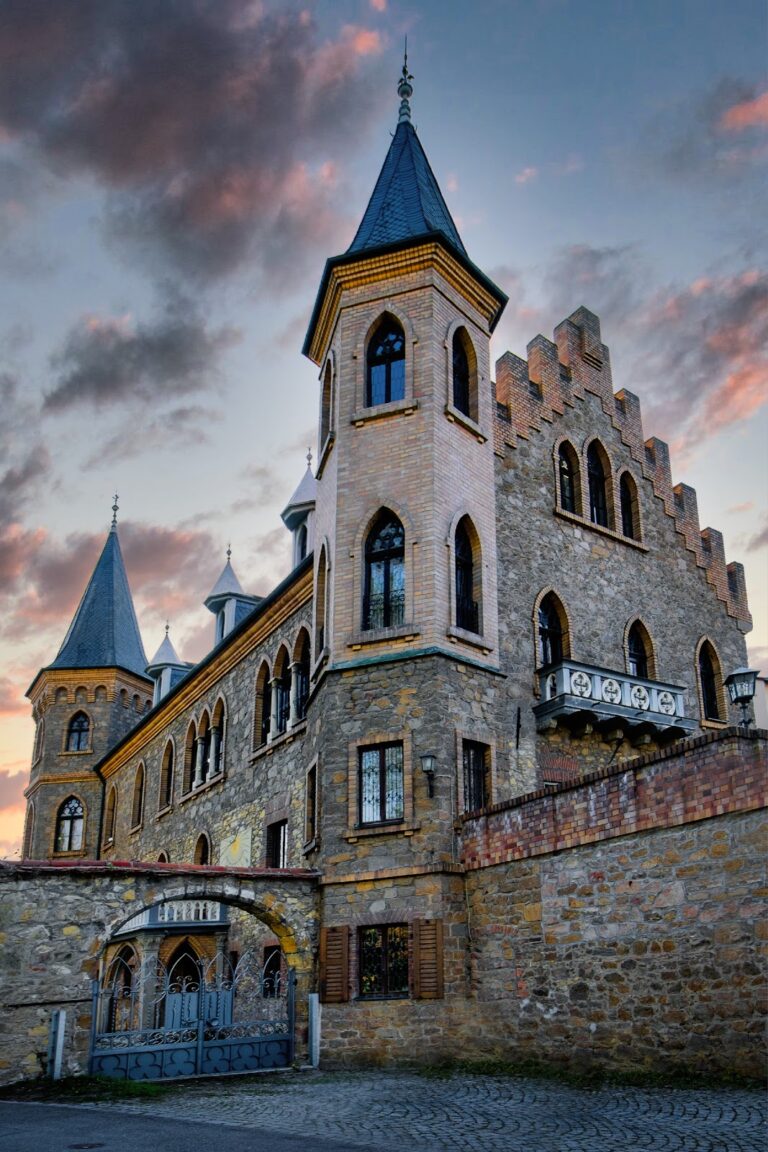
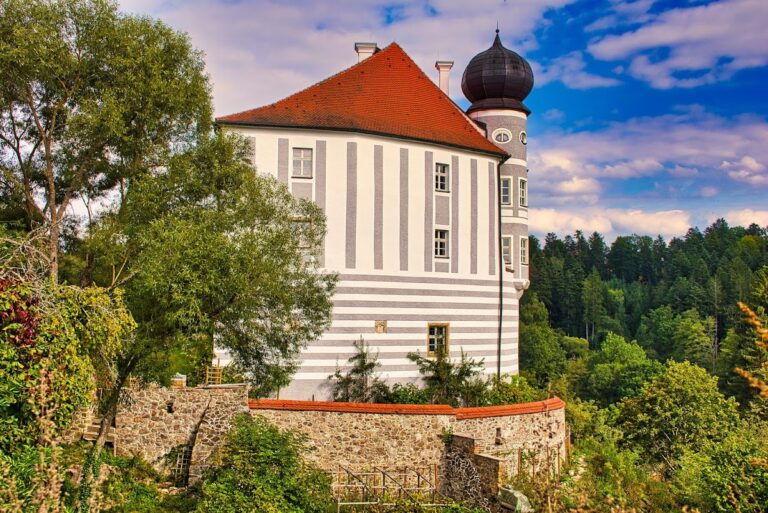
Schloss Karlstein is a privately owned palace in Karlstein, Germany, within the Regenstauf market municipality in the Regensburg district. Its present form is Neo-Gothic, a revival style based on medieval Gothic architecture, and was created through extension and remodeling after 1900. The name Karlstein may derive from the castle of Chadolt, or “Chadoltstein.”
Medieval origins and transformation
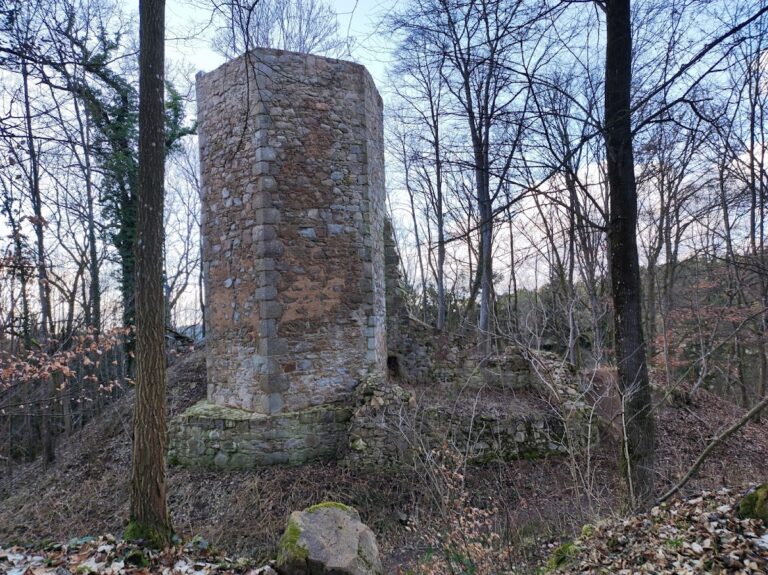
The earliest recorded lords of Karlstein were the Hofer von Lobenstein. Before 1381, the property was pledged to the lords of Leuchtenberg, who remodeled the castle in 1393. The medieval castle later disappeared beneath the present palace, which completely overlies the earlier complex.
War and changing ownership
During the Thirty Years’ War, the major European religious and political conflict fought mainly between 1618 and 1648, the Swedish general Craz plundered the palace in 1632. Ownership changed several times afterward. In 1766, Valentin, Freiherr von Schneidt, who was a Regensburg auxiliary bishop, owned the property.
In 1802, Schneidt bequeathed the estate to his nephew Karl Joseph von Drechsel, who was married to Therese, Countess von Freyen-Seiboltsdorf. Drechsel became the first Bavarian postmaster general in 1817, after postal administration was taken from the prince of Thurn and Taxis because of misuse. He later served as general commissioner in Ansbach from 1826, government president in Augsburg from 1828, and a member of the Bavarian Chamber of Deputies from 1837.
The Drechsel family estate
The Drechsel family established a family fideicommissum, an inheritable estate intended to remain within the family, for Karlstein and its subsidiary estates. The family also held Naabeck as an allodial estate, meaning property owned outright rather than as a feudal tenure. In 1941, the Karlstein estate covered 984 hectares.
Carl Ludwig von Drechsel died without children in 1989, and the palace passed to his nephew Franz, Count von Drechsel auf Wolfersdorf, without the wider landed property. Since 1989, Schloss Karlstein has belonged to the Drechsel-Wolfersdorf branch of the family and has remained in private ownership. Max Ulrich, Count von Drechsel, who resisted National Socialism, grew up at the palace.
Schloss Karlstein is protected as an architectural monument. Medieval and early-modern archaeological evidence within its grounds, including traces of predecessor buildings, earlier construction phases, and demolished structures, is protected separately as an archaeological monument.
Remains
The present palace stands within a park and consists of four wings. Its Neo-Gothic design reflects the extension and remodeling carried out after 1900, while the building’s footprint completely covers the former medieval castle. The palace therefore combines a modern historicist exterior with an archaeological setting that preserves evidence of earlier phases of occupation and construction.
Palace and park
The four-wing palace forms the principal surviving structure at Karlstein. Its current architectural character belongs to the Neo-Gothic revival of medieval forms, and the building incorporates the site of the earlier castle beneath the later palace. Archaeological traces in the surrounding area include earlier buildings, former construction phases, and structures that were later demolished.
Chapel and family crypts
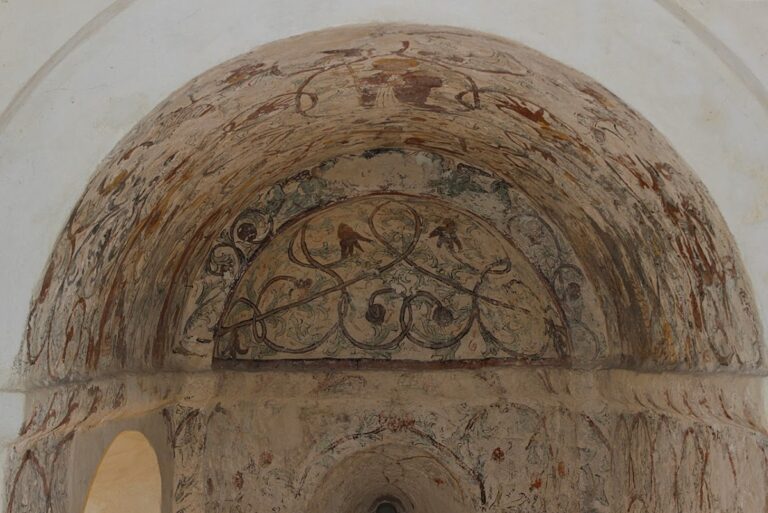
The palace chapel of St. Ulrich occupies the south wing. Catholic worship is held there weekly. Crypts belonging to two former palace residents are located within the chapel, representing the Teuffel von Pirkensee and Hornbeck families.
Nearby sites