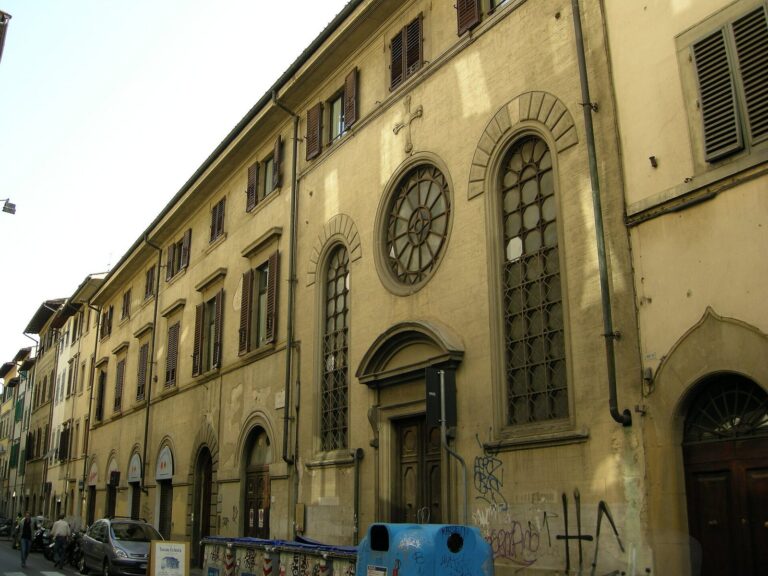
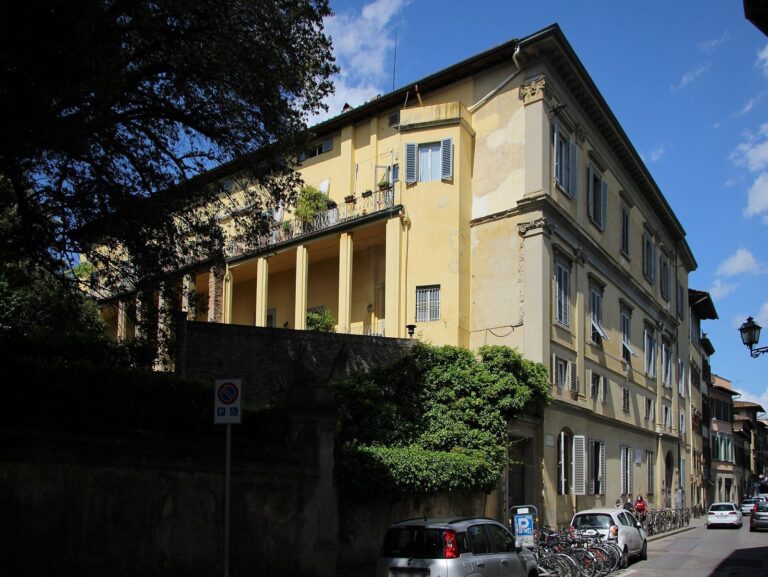
San Francesco di Paola, Florence: A Minims Church and Convent
Site at a Glance
- Popularity
- Low
- Country
- Italy
- Primary era
- Early Modern
- Eras represented
- Early Modern
- Civilizations
- Grand Duchy of Tuscany
- Site type
- Religious
- Remains
- Church
On this page13 sections
History
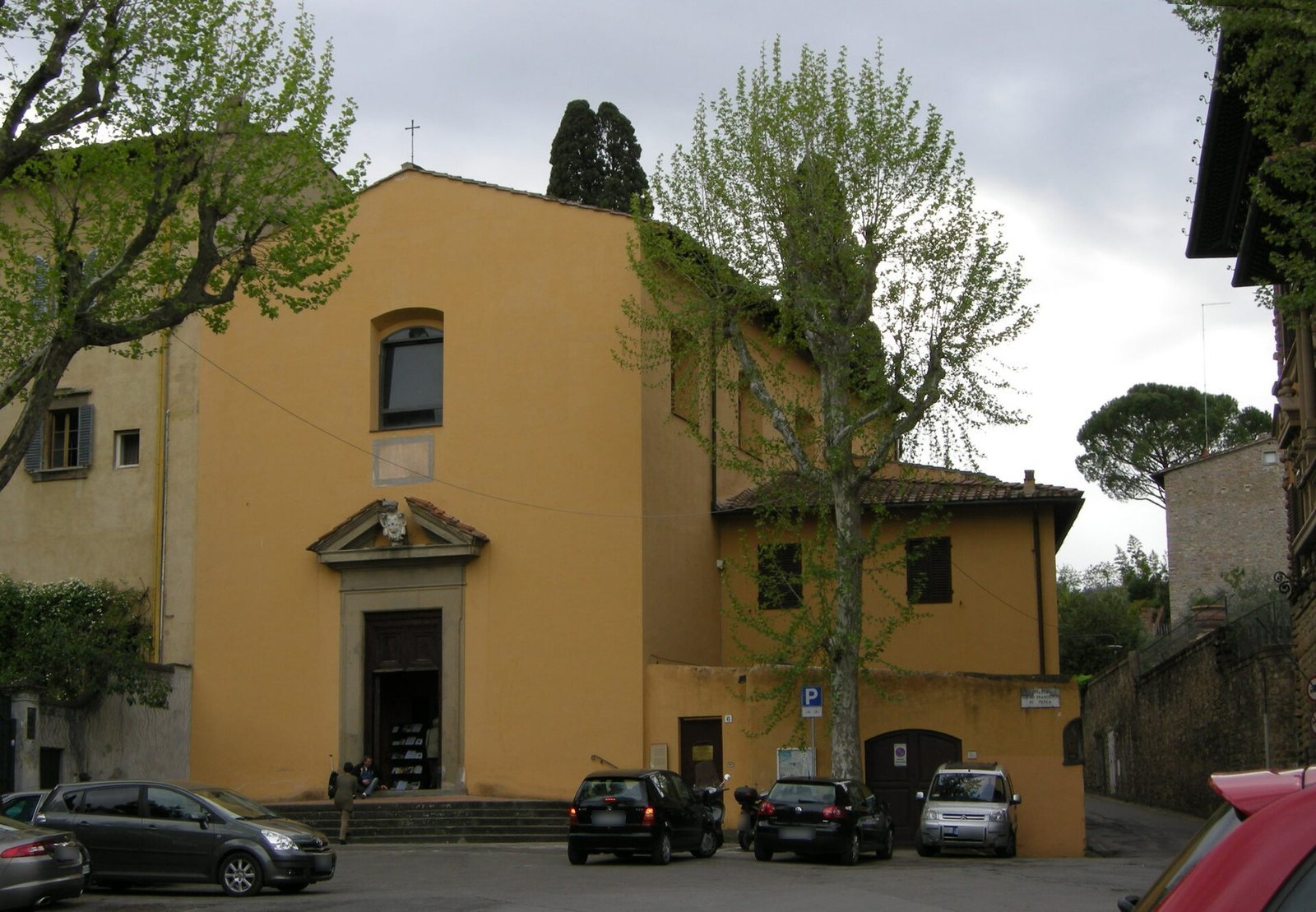
San Francesco di Paola is a Roman Catholic church in Florence, Italy, founded as part of a convent of the Minims, a Catholic order established by Saint Francis of Paola. Located in Oltrarno, the part of Florence south of the Arno River, it was built in Renaissance style with Baroque features. Construction began in 1589, and the church was probably completed in 1643.
Foundation and construction
In August 1584, Bianca Cappello, a Venetian noblewoman who later became Grand Duchess of Tuscany, asked Archbishop Alessandro de’ Medici to establish a new Minims convent as an addition to the order’s existing house at San Giuseppe. The project proceeded after Alessandro di Camillo Strozzi donated land outside Porta a Pier Gattolini and provided financial support for the church.
The property included vineyards, orchards, olive groves, a manor house, a farm dwelling, and a neighboring field called Cederno. The field measured 15 staiora, a historical Tuscan unit of land area. The land lay within the parish of San Sepolcro sotto Bellosguardo.
Gherardo Silvani was working at the site by 1638. Further works took place between 1645 and 1746, including an intervention by architect Giovannozzo Giovannozzi in the first half of the eighteenth century. Bequests helped pay for the work, and the church was renovated again around the middle of that century. On 8 September 1770, materials including iron wire were purchased to strengthen the church’s vaulted ceiling with iron ties.
Private ownership and changing use
In 1783, Senator Giovanni Federighi acquired the church and convent and turned the church into a private chapel. The convent was suppressed under Grand Duke Pietro Leopoldo, and its conversion into a villa is dated to 1873. In 1785, Federighi obtained the Madonna del Parto from Archbishop Antonio Martini and had it transferred from the former church of San Pier Maggiore, then being demolished.
Federighi also arranged for the tomb monument of Gerolamo Benozzo Federighi, bishop of Fiesole, to be brought to the church. Sculpted by Luca della Robbia, the monument was transferred to Santa Trinita on 9 January 1895.
Nineteenth century to the present
From 1814 to 1822, the church served as a burial place for members of the Archconfraternity of Mercy, a religious association of laypeople with elevated status. From the first half of the nineteenth century, it was under the jurisdiction of the parish priest of Saints Vito and Modesto. Several other confraternities, religious associations of lay members, met in the church and its annexes, including the Company of Saint Francis of Paola formed by weavers.
A lengthy restoration directed by Florence’s architectural heritage authority took place in the late 1990s and early 2000s. The church now serves as a parish church together with San Vito and Modesto. It belongs to the Archdiocese of Florence and remains dedicated to Saint Francis of Paola.
Remains
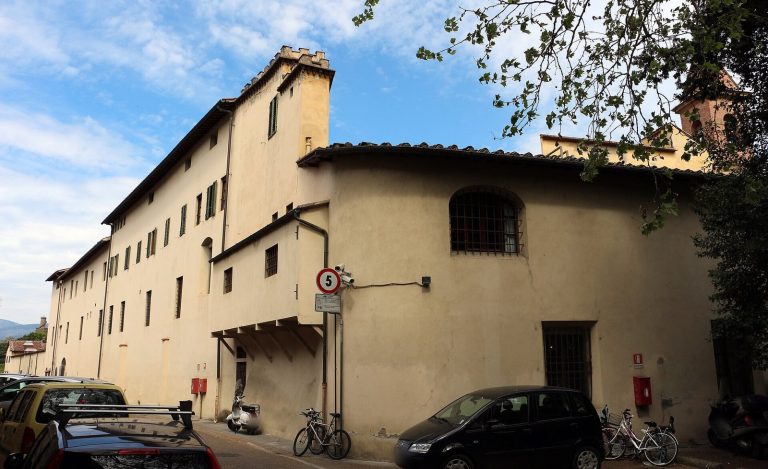
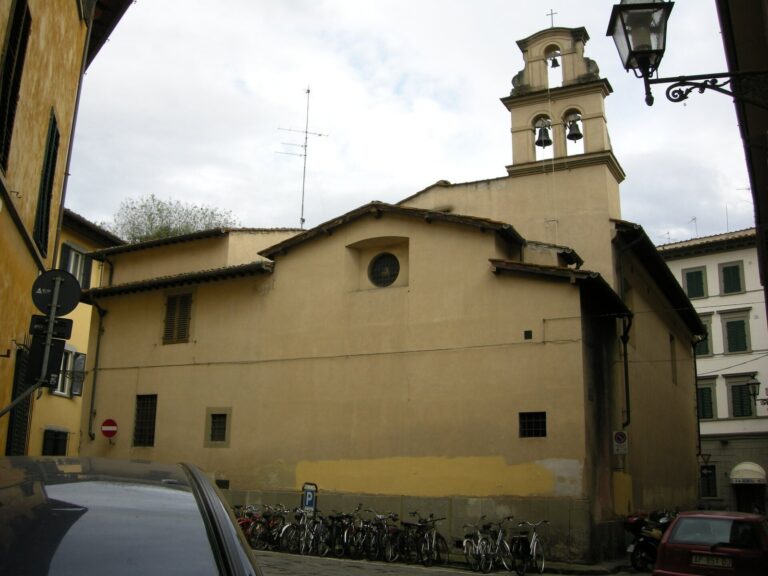
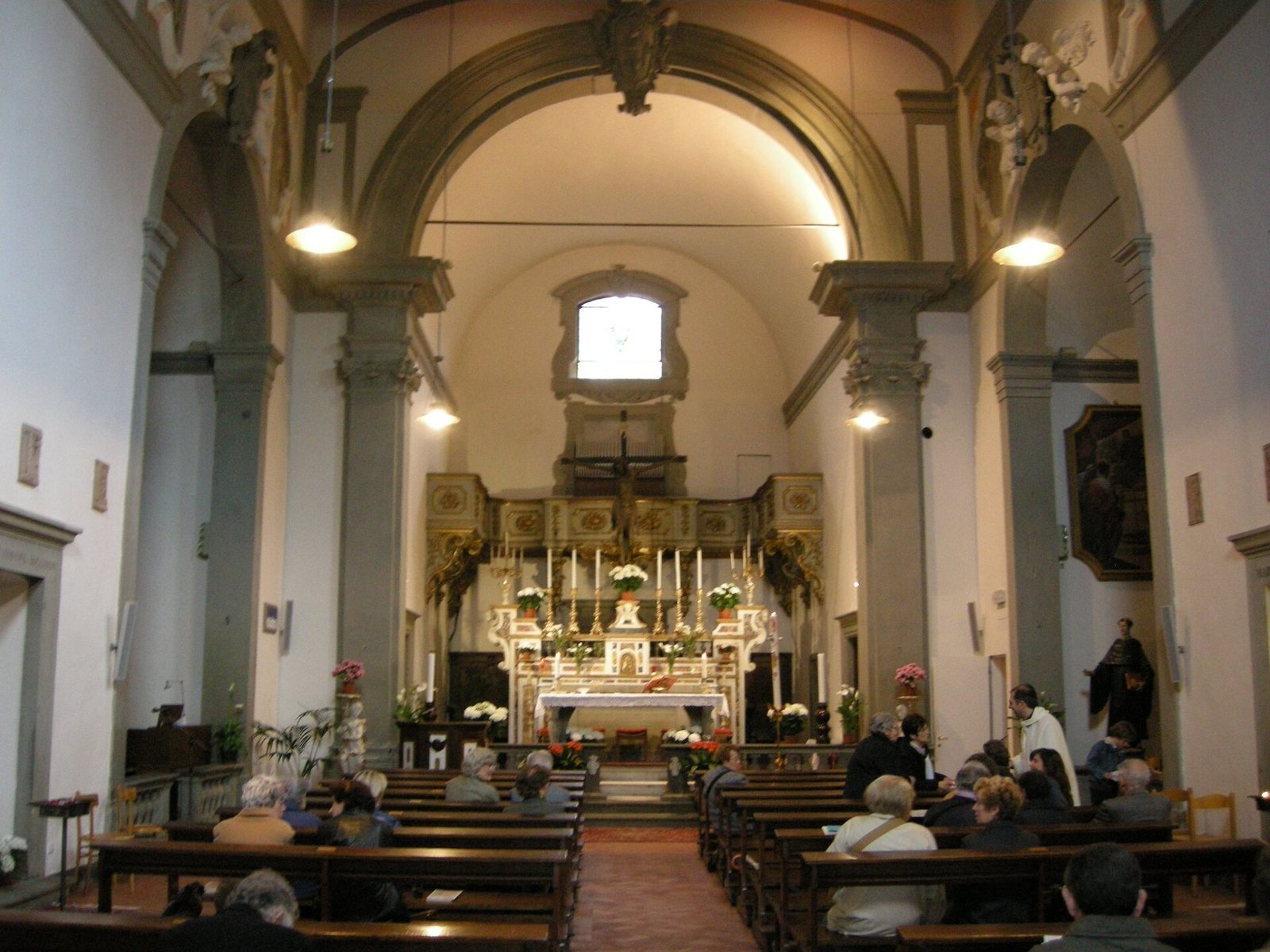
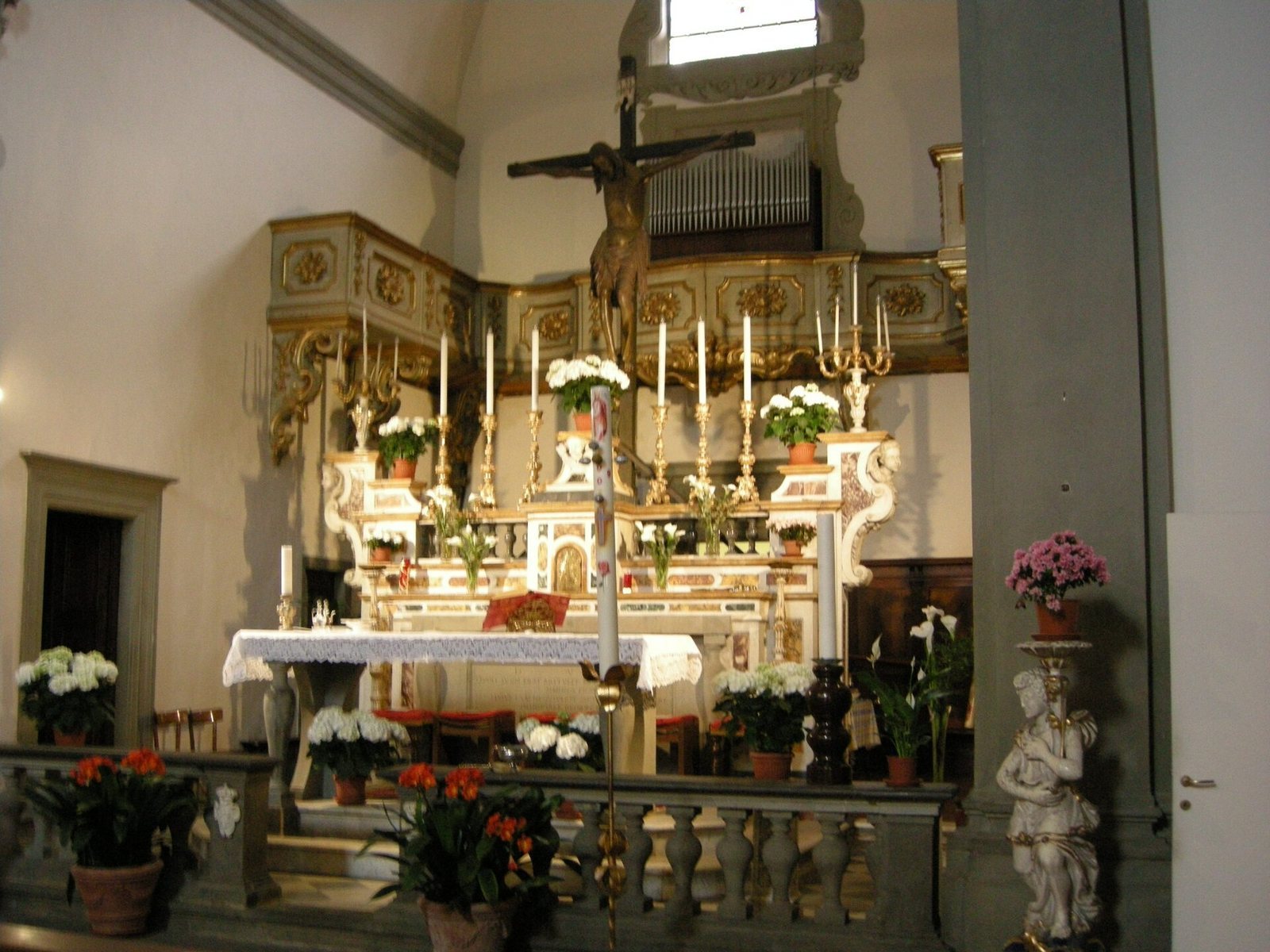
The small church stands on the square named for it in Oltrarno. Its main interior space is covered by a vault, and its physical features include paintings, sculptural decoration, and a wooden crucifix. The former convent is now used as private apartments.
Church interior
Vault and altar
A fresco showing the glorification of Saint Francis of Paola was noted on the vault in 1863. A wooden crucifix, possibly dating to the fifteenth century, is positioned above the main altar.
Portal and decoration
A marble plaque above the portal commemorates the church’s conversion into a private chapel. The sculptural and modeled-plaster decoration is attributed to Gherardo Silvani, Giovanni Caccini, and Valerio Cioli.
Paintings
Madonna del Parto
Among the church’s principal artworks is the detached fresco Madonna del Parto, meaning “Our Lady of Childbirth,” a devotional title for the Virgin Mary. The wall painting is by the fourteenth-century Florentine artist Taddeo Gaddi.
Works depicting Saint Francis of Paola
A cycle of six canvases with several rounded lobes depicts episodes from the saint’s life. The paintings are attributed to Dionisio Predellini, Antonio Nicola Pillori, and Ignazio Hugford, an attribution associated with art historian Caterina Bon Valsassina. Two paintings by Giuseppe Moriani, both dated 1716, show Saint Francis making a coin bleed and resurrecting three children. The first depicts the saint before King Ferrante of Aragon in Naples, presenting the episode as an illustration of oppressive taxation. The second may refer to a legend in which the saint appeared and raised three children who had died accidentally near Lima, Peru. A life-size portrait of Saint Francis by an unknown artist is dated 1602.
Other paintings
The church also contains a Madonna and Child with Saints by an unknown Tuscan-school artist, dated to 1510–1525. A Deposition of Christ may be by a painter close to the sixteenth-century Florentine artist Naldini. Saint Michael the Archangel Freeing Souls from Purgatory, a subject referring to the Catholic belief in a state of purification after death, dates to the first half of the seventeenth century. An Annunciation is attributed to Giovan Battista Vanni.
Former convent garden
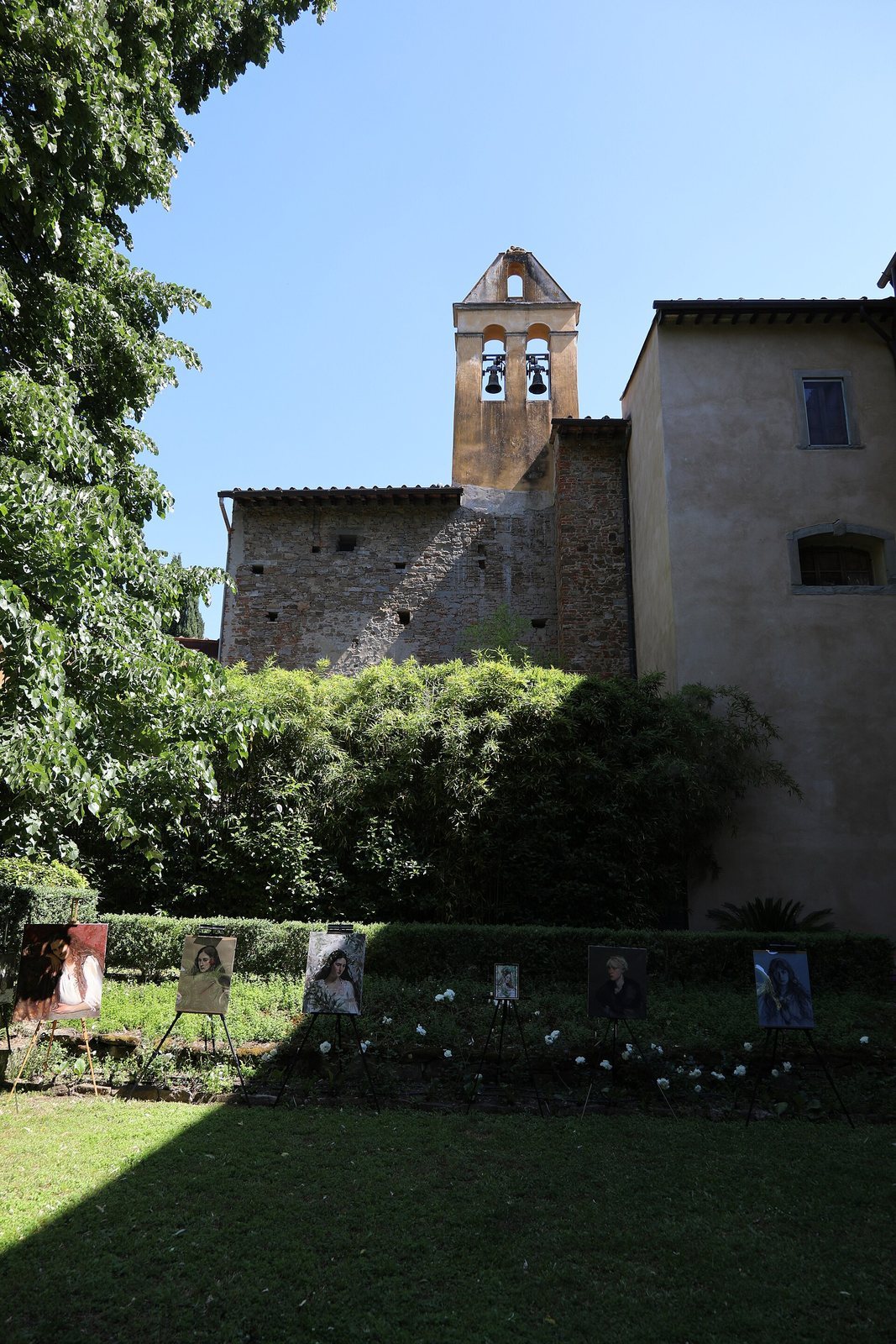
The former convent is associated with a garden containing a statue of Saint Francis of Paola by Giuseppe Piamontini, dated 1695. The convent building now serves as private apartments.