Saint Parascheva Monastery (Izvor): A Serbian Orthodox Monastery
Site at a Glance
- Popularity
- High
- Country
- Serbia
- Primary era
- Medieval
- Eras represented
- Medieval, Early Modern, Modern
- Civilizations
- Ottoman, Serbian
- Site type
- Religious
- Remains
- Monastery
On this page8 sections
History
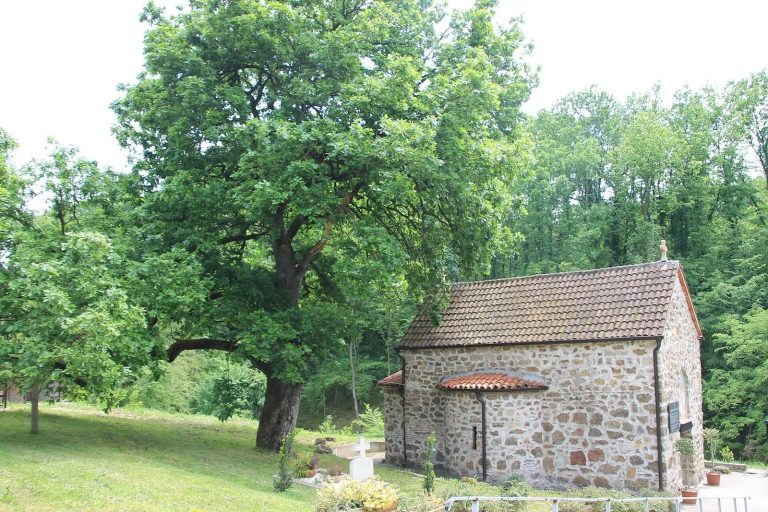
Saint Parascheva Monastery (Izvor) is a Serbian Orthodox monastery in Serbia, at the exit of the Čestobrodica River Gorge, about 16 km east of Paraćin. Its original church and the monastery date to the second half of the fourteenth century. Saint Parascheva, also known as Saint Petka, is an Orthodox saint especially venerated in the Balkans.
Medieval foundation and Ottoman record
The monastery was probably founded as an endowment by one of the Sinaite monks, Orthodox monks associated with Mount Sinai who helped spread monastic traditions in medieval Serbia. It first appears in an Ottoman administrative register in 1516.
Restorations and later history
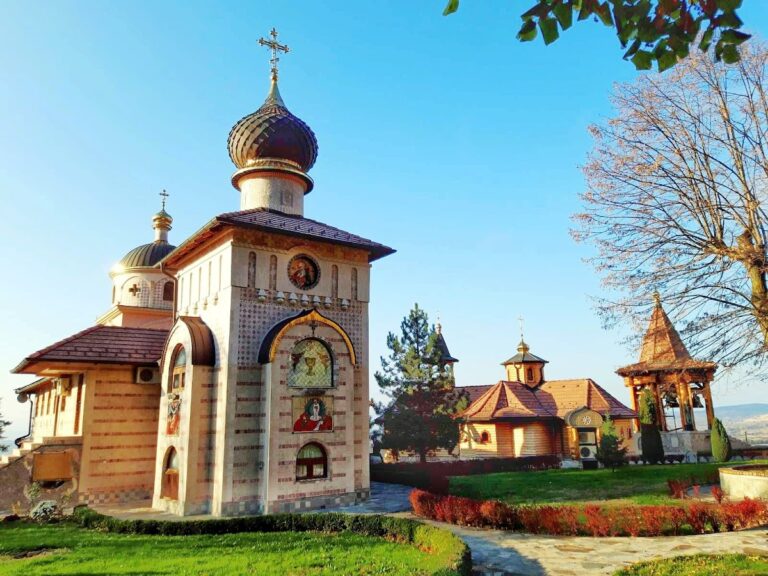
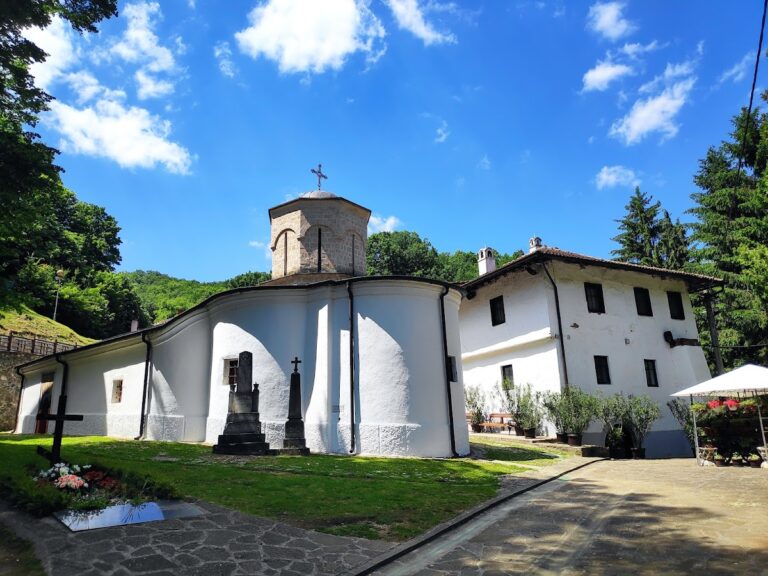
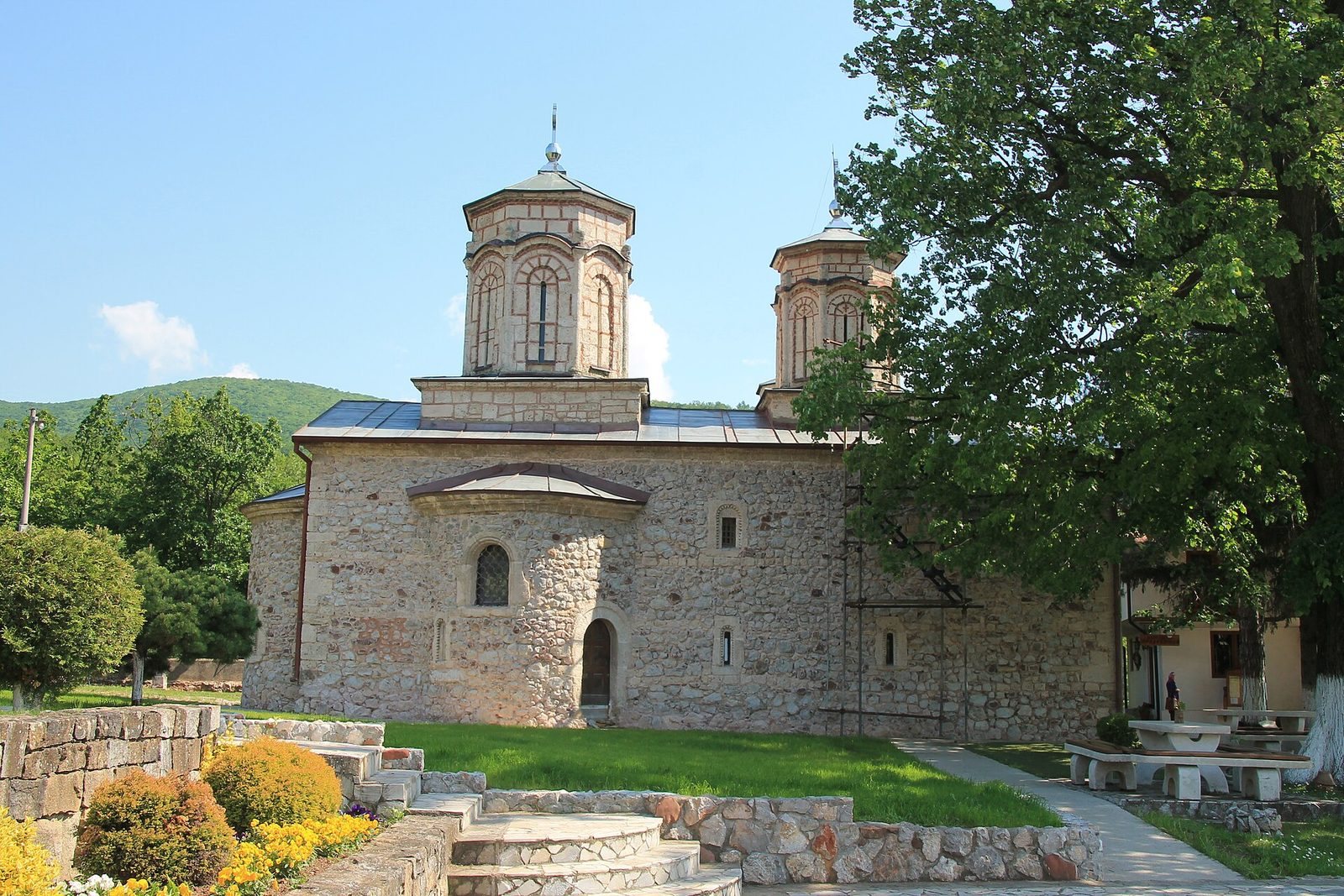
A major restoration in the first half of the eighteenth century gave the church much of its present form. In the nineteenth century, a domed chapel was added.
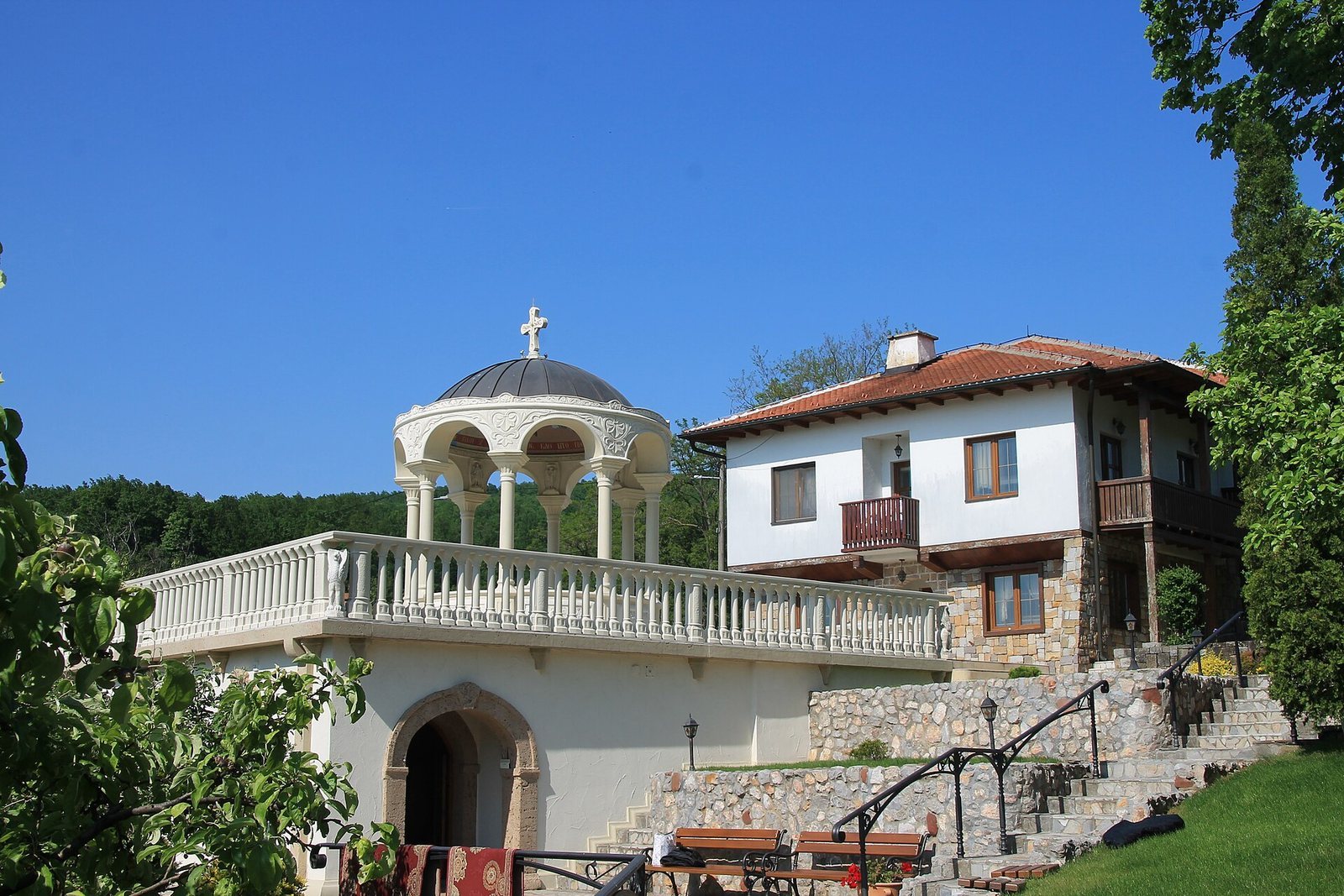
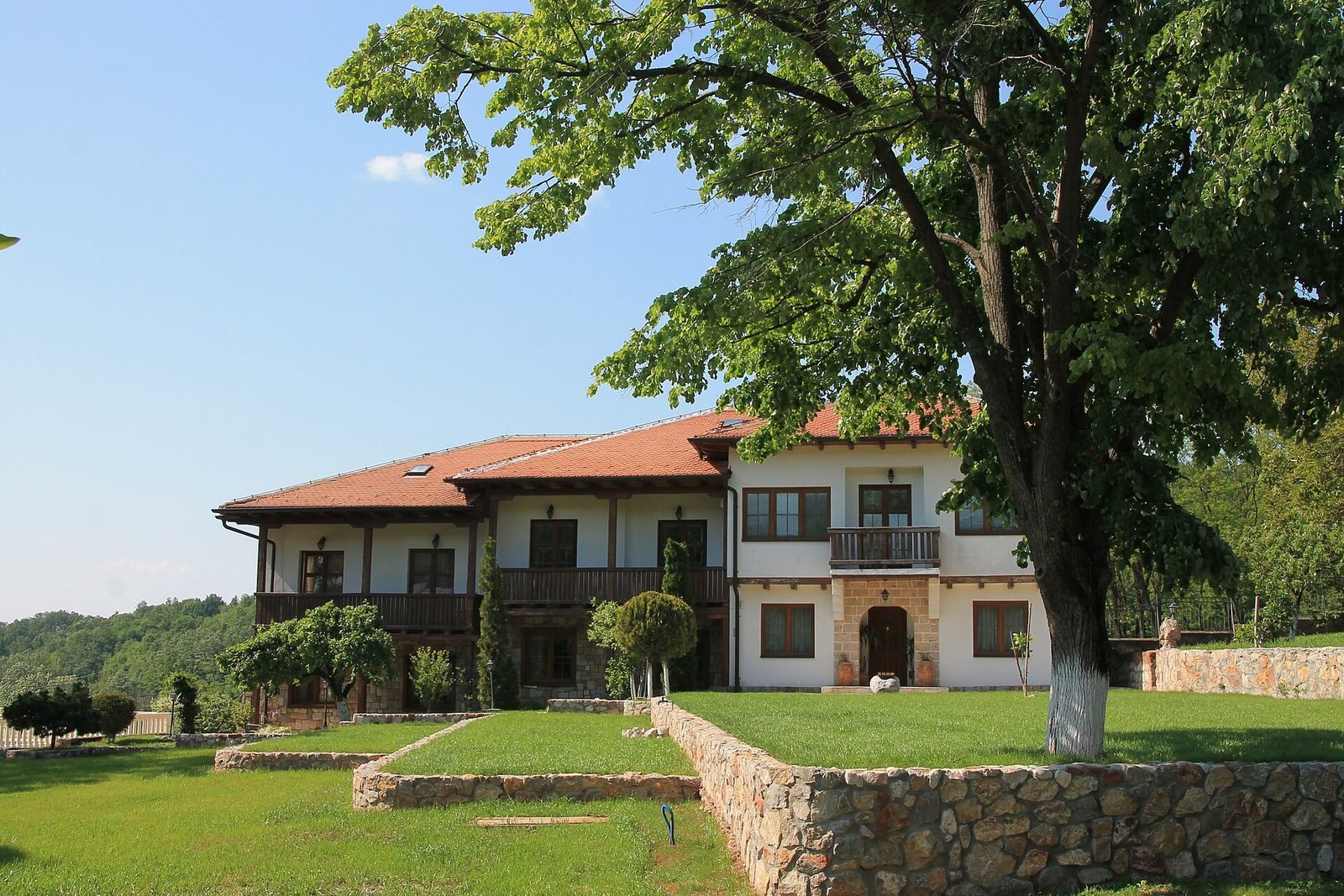
During the Second World War, the monastery sheltered Serbian refugees who had fled areas of the Independent State of Croatia, a wartime state allied with the Axis powers. Today, it is an active women’s monastery within the Serbian Orthodox Church’s Eparchy of Braničevo, an Eastern Orthodox diocese. A hospital for people with developmental disabilities also operates within the monastery. The monastery is protected as a cultural monument of great importance and belongs to the protected monument complex of the Petruška region. Partial conservation work on the church took place in the late 1970s.
Remains
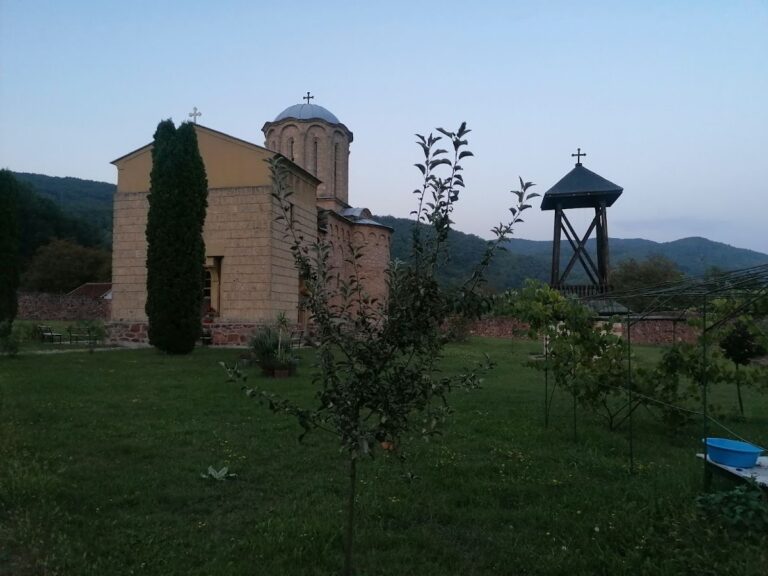
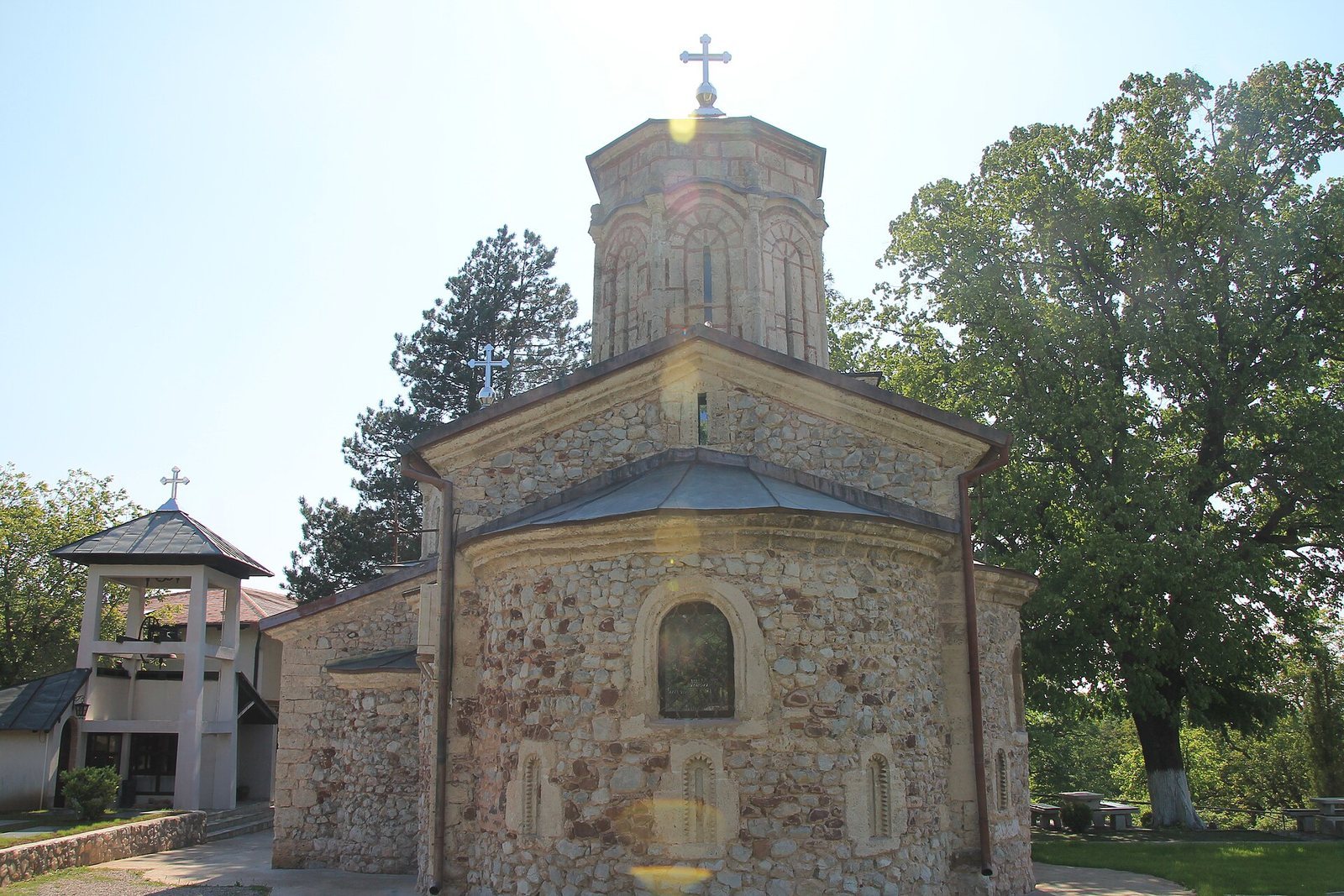
The church stands within the monastery grounds at the exit of the Čestobrodica River Gorge, where a spring is also located. Its original layout had three lobes, an entrance vestibule, called a narthex, and a nave, the main body of the church. A chapel was added to the church in a later period.
Church and associated structures
Medieval church
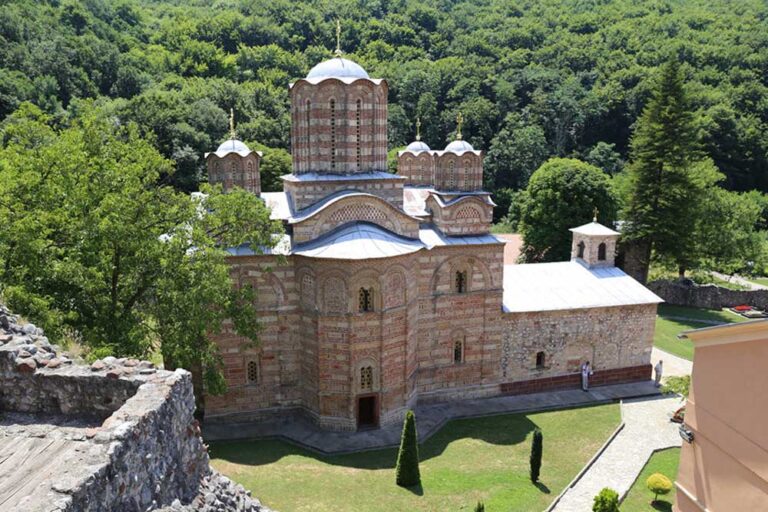
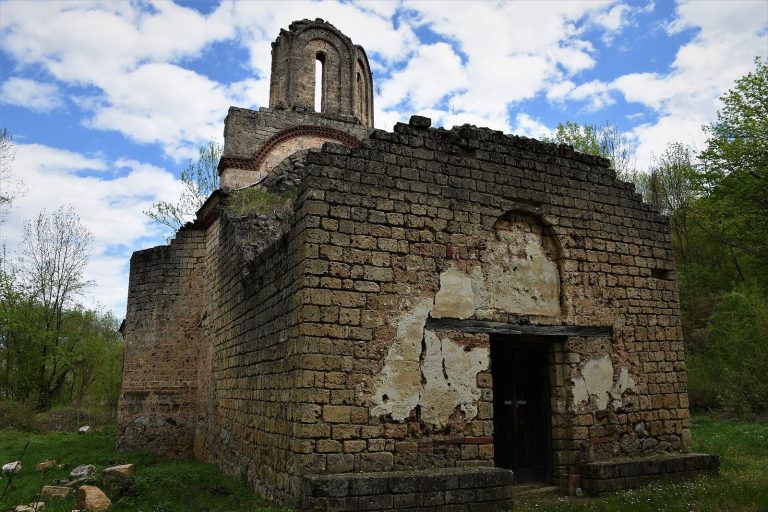
The original church was among the largest in the Petruška region; only the churches at Ravanica and Sisojevac were larger. How much of the medieval building survives remains uncertain because the church has not been fully investigated. Its walls up to the level where the arches and vaults begin are thought to belong to the original structure. Small carved fragments include double interlace, a pattern of interwoven bands, and a stone rosette, a circular ornament bearing a human head.
Eighteenth-century restoration
The restoration opened the wall between the narthex and nave, renewed the interior vaults, and rebuilt the octagonal dome over the nave. A second dome was placed over the narthex. The altar apse, a recess at the end of the church, has three windows, an unusual feature of the building.
Nineteenth-century chapel
The chapel added to the church in the nineteenth century has a dome. Partial conservation work in the late 1970s covered the church’s roof, façade, domes, and chapel.