Saint John the Baptist Church in Gubanitsy: A Gothic Lutheran Church in Russia
Site at a Glance
- Popularity
- Medium
- Country
- Russia
- Primary era
- Modern
- Eras represented
- Early Modern, Modern
- Civilizations
- Russian
- Site type
- Religious
- Remains
- Church
On this page6 sections
History
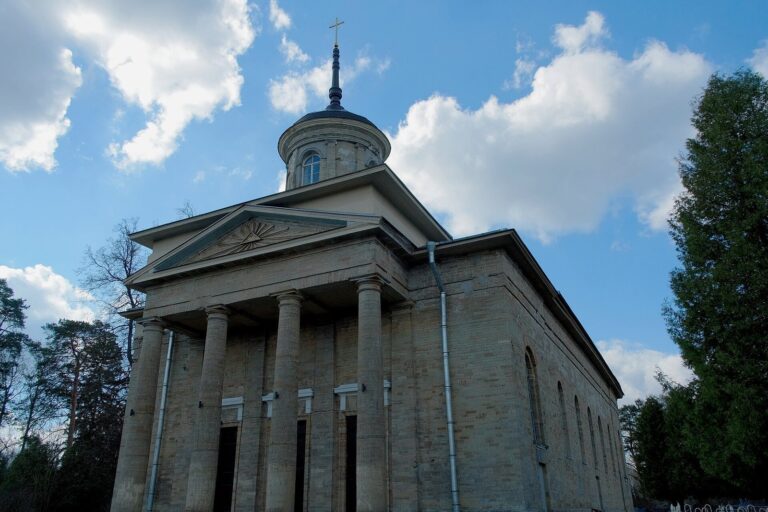
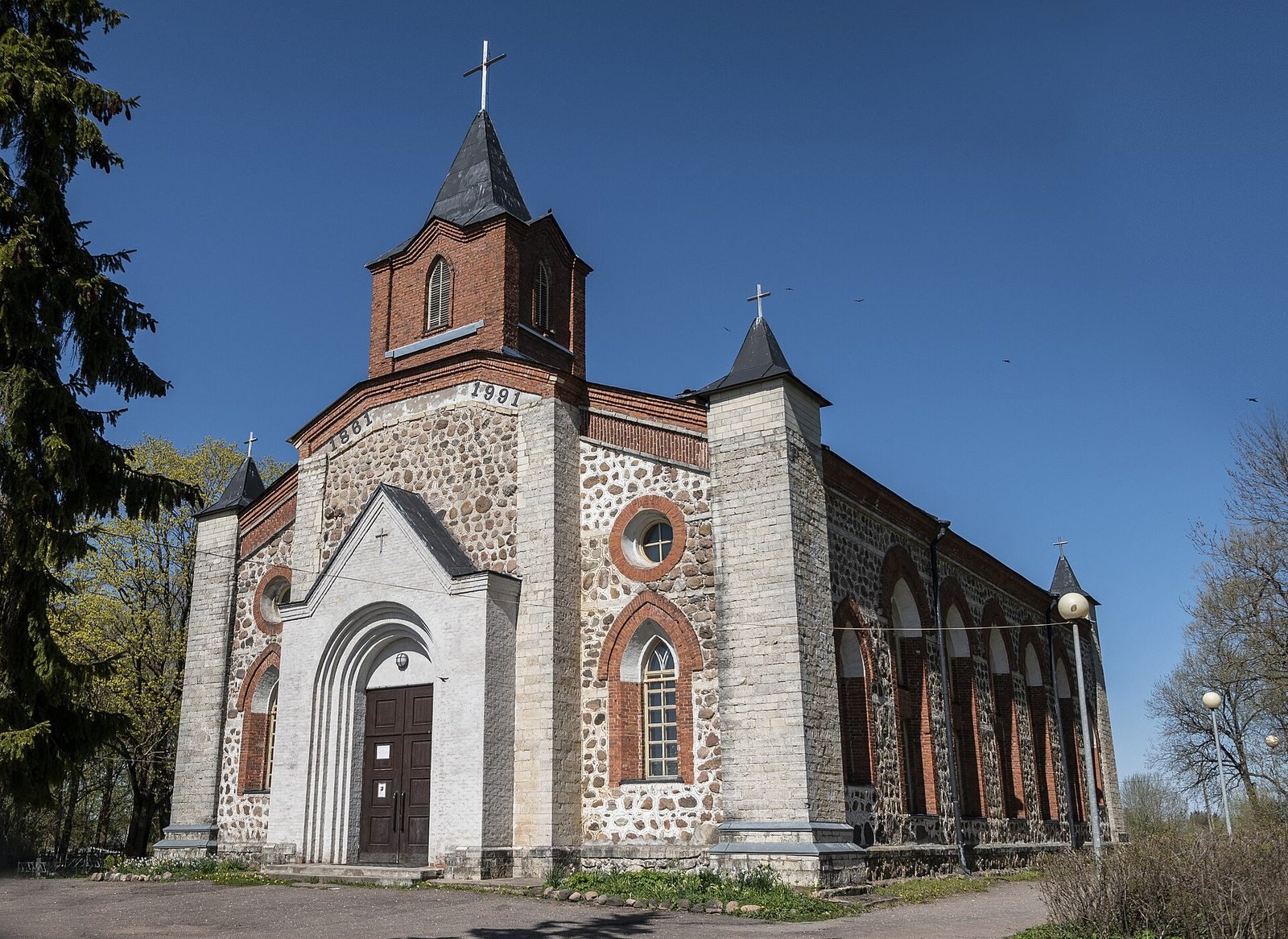
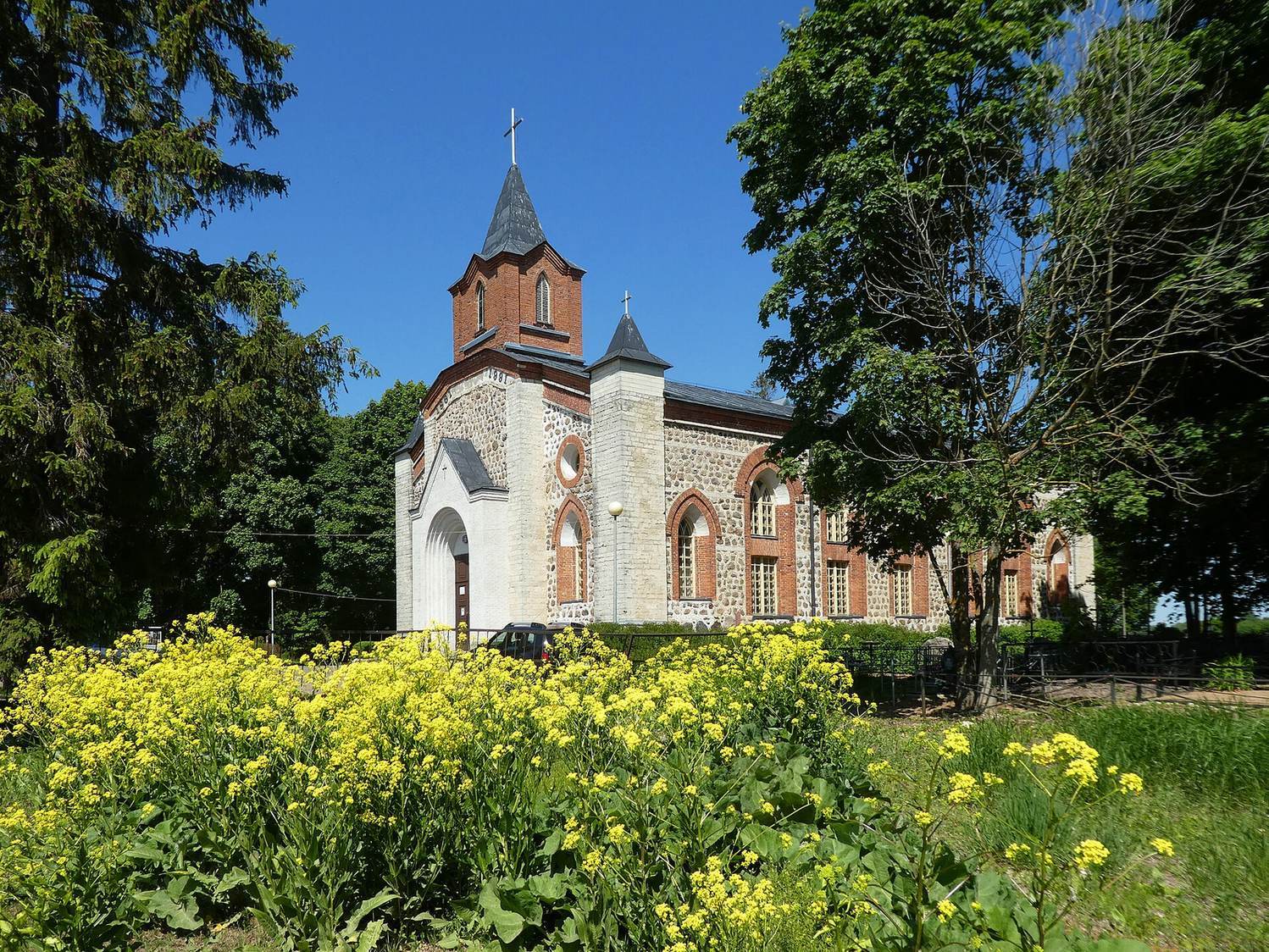
Saint John the Baptist Church is a Gothic-style Lutheran church, part of a Protestant Christian tradition, in Gubanitsy, Russia. Work on its stone building began in 1860, and it was consecrated to Saint John the Baptist on 3 December 1861. It served the Kupanitsa parish, named with the Finnish form of Gubanitsy.
Parish beginnings and wooden churches
A Lutheran community at Gubanitsy was first recorded in 1647, when the area was under Swedish rule. The Kupanitsa parish was established in 1656, with Olaus Michaelis Elgfooth as its first pastor. For many years, the von Werdenhoff noble family held the right to appoint the pastor.
The parish’s first wooden church dates to 1704. Construction of a second wooden church began in 1743, and the building was consecrated in 1748. The parish also had a chapel at Sosnitsa in the early eighteenth century, and people worshipped at a chapel built by local peasants in Korka in the early nineteenth century.
The stone church and a growing parish
The parish had a schoolmaster from 1684. It counted about 4,200 Ingrian Finns in 1860 and 4,202 members in 1865, most of them Savakots, one of the Finnish-speaking groups among the Ingrian population. Membership grew to about 5,400 in 1905 and 6,342 in 1917. In the early twentieth century, the parish served 72 villages, including 22 with Finnish and Russian residents.
Estonian migration to the area increased in the late nineteenth century. By 1894, about 2,000 Estonians belonged to the parish, and they formed an independent parish in 1902. Services at Kupanitsa were held in Finnish and Estonian in the early twentieth century, and a local Estonian congregation also used the church during the 1920s. A parish prayer house opened in 1883, and pastor Nils Henrik Berg founded a Sunday school in 1891.
A major repair of the church took place from 1901 to 1903. Local peasants Veniamin Kekki and his son Johan paid for the work in full.
Closure and wartime displacement
Worship ceased in August 1937, when pastor Leo Schultz was arrested and shot. The church was officially closed the following year and later used as a stable, prison, sawmill, and granary.
Services resumed during the German occupation in 1942–1943. In 1943, German authorities transferred Finnish residents remaining in the occupied area to Finland. They later returned to the Soviet Union but were prevented from going home and were initially deported elsewhere in Russia. Many settled in Karelia or Estonia, while others later moved to Finland.
Renewed worship and restoration
A renewed congregation of the Evangelical Lutheran Church of Ingria was registered in 1988, and the church building was transferred to it for restoration. Services resumed on 3 December 1989. That year, the Ingrian flag was consecrated among the church ruins. Restoration continued in the late 1980s and early 1990s, with work recorded in 1991. The congregation belongs to the West-Ingrian deanery, an administrative grouping of congregations.
Remains
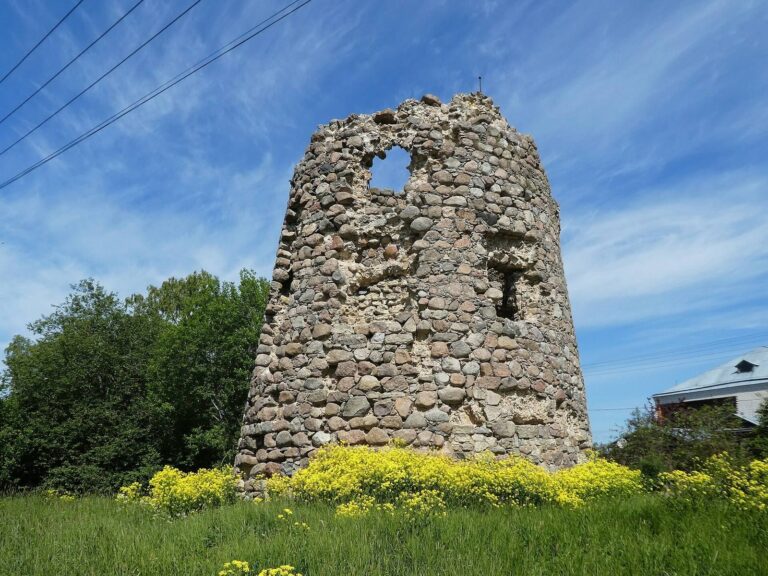
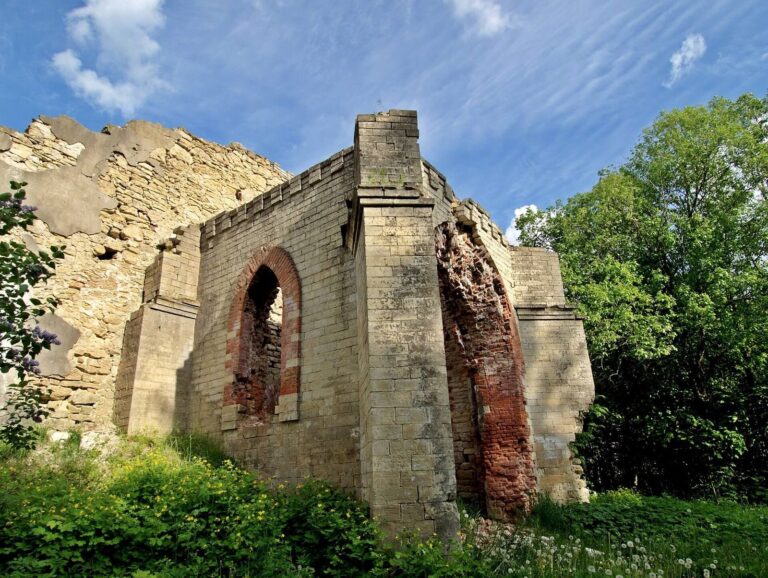
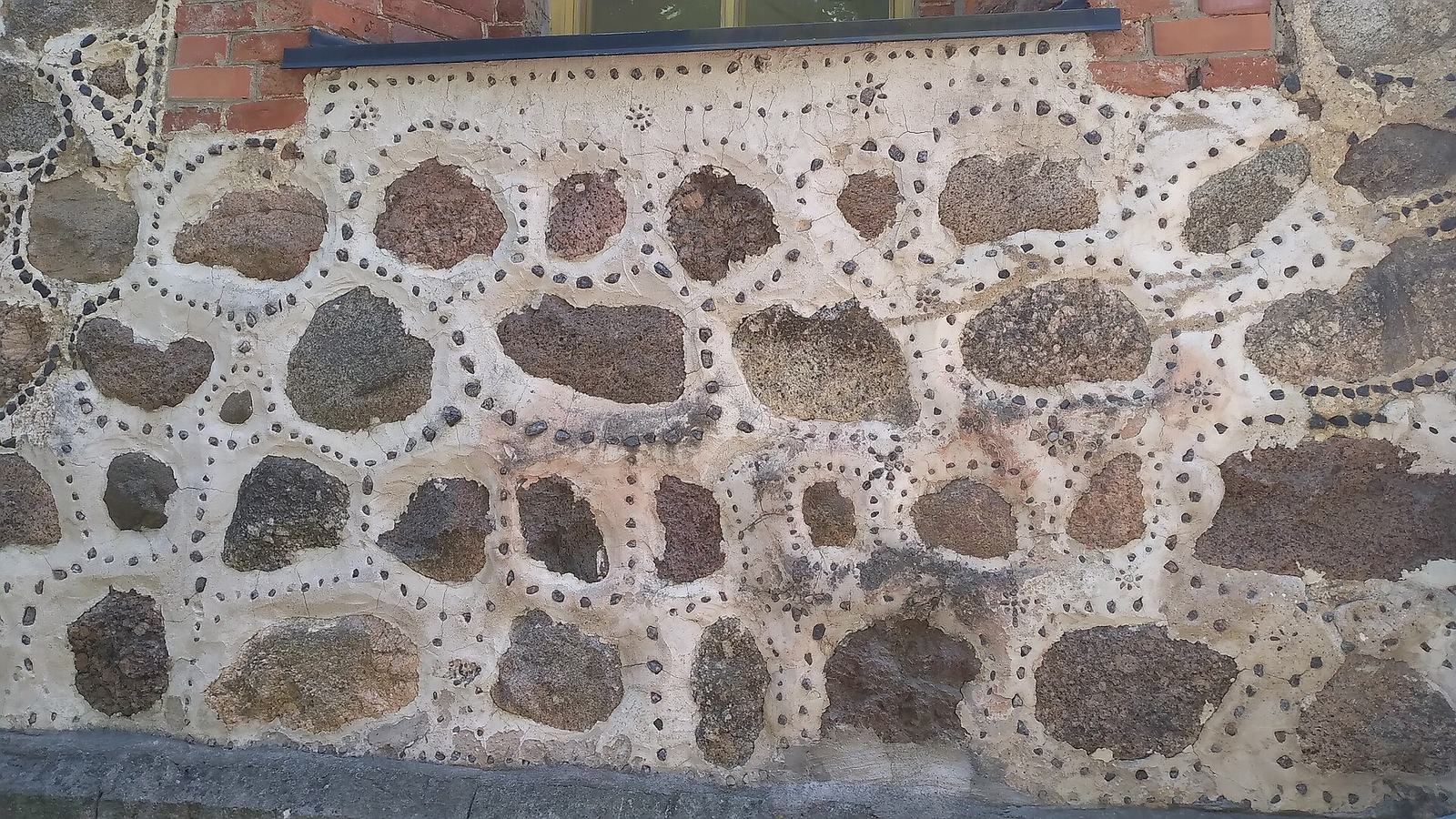
Designed by architect Eduard Hahn, the church has a bell tower and was built to accommodate 1,000 people. Its walls consist of large boulders, with brick used for the corners, arches, and the openings for windows and doors.