Sai-ji: The Western State Temple of Heian-kyō
Site at a Glance
- Rating
- 3.4
- Popularity
- Very Low
- Country
- Japan
- Primary era
- Medieval
- Eras represented
- Medieval
- Civilizations
- Unclassified
- Site type
- Religious
- Remains
- Temple
On this page9 sections
History
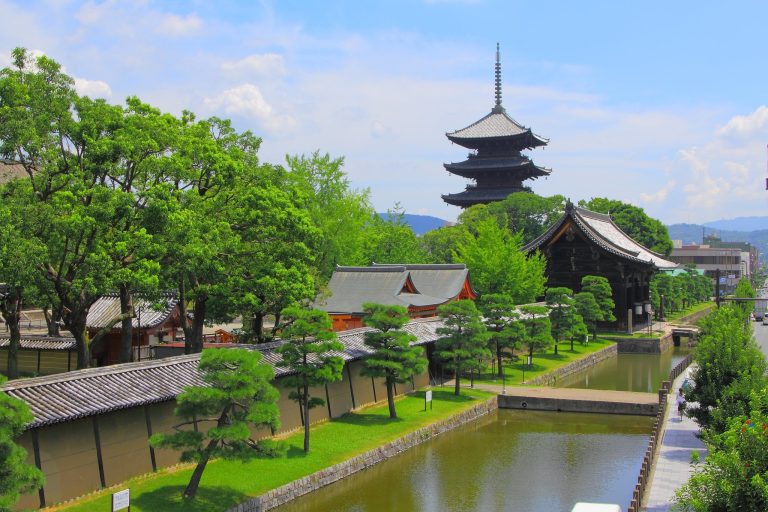
Sai-ji was a Buddhist government temple in Japan, established in the western part of Heian-kyō, modern Kyoto, during the formation of the Heian-period capital. After Emperor Kanmu moved the capital from Heijō-kyō, modern Nara, to Heian-kyō in 794, he ordered Sai-ji and Tō-ji, the East Temple, to be built near the capital’s southern edge. Sai-ji stood west of Rashōmon and formed a symmetrical pair with Tō-ji across Suzaku Avenue.
Together with Shingon-in in the Heian Palace, the two temples were the only Buddhist institutions permitted in the new capital. This arrangement was intended to limit the political influence that major Buddhist institutions had gained in Heijō-kyō during the eighth century. Sai-ji and Tō-ji served the state by hosting prayers for the protection of the nation and the imperial family, as well as observances for deceased emperors. Sai-ji may also have included a Kōrokan, an official facility for receiving foreign envoys within the centralized Ritsuryō system of laws and administration.
Construction and State Service
The beginning of construction is uncertain. The first known documentary reference, dated May 4, 797, identifies Kasa-no-Ehito as Sai-ji’s deputy builder. Since no later appointments to that office are recorded after 815, the temple is considered to have reached an initial completion after that date. During Emperor Saga’s reign, in 823, Sai-ji was bestowed on Shubin, a monk associated with the Sanron and Hossō Buddhist schools and a rival of Kūkai, the founder of the Shingon tradition.
A tradition connects the two monks with a rain-making ceremony during a drought in 824. According to the story, Shubin was angered after losing to Kūkai and shot an arrow at him. The lecture hall was completed in 832. By 864, the Sōkan, the government institution responsible for supervising and regulating Buddhist clergy, had been transferred from Yakushi-ji to Sai-ji.
Later Repairs and Decline
In 906, according to the account preserved in the Engi of Daigo-ji, Shōbō became Sai-ji’s superintendent, an administrative head responsible for managing the temple, and carried out improvements there. Afterward, superintendents from other temples began to hold the office. A fire in 990 was followed by rebuilding, and during the 1190s the monk Mongaku repaired the pagoda while Myōe observed the work.
Sai-ji later declined, and the rebuilt pagoda burned again in 1233. The temple is generally considered to have been abandoned around that time, although a record from 1527 describes a military encampment at Sai-ji and has been used to suggest that some form of the temple survived until about the middle of the sixteenth century. Poor drainage in western Kyoto contributed to the decline. The worsening environment was associated with the disappearance of residents from the western half of Heian-kyō during the late Heian period, while the loss of support from the imperial court was another factor.
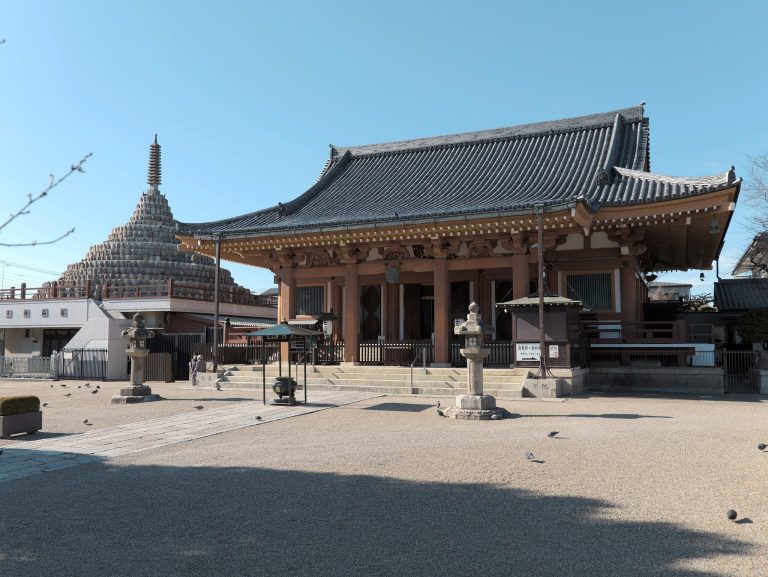
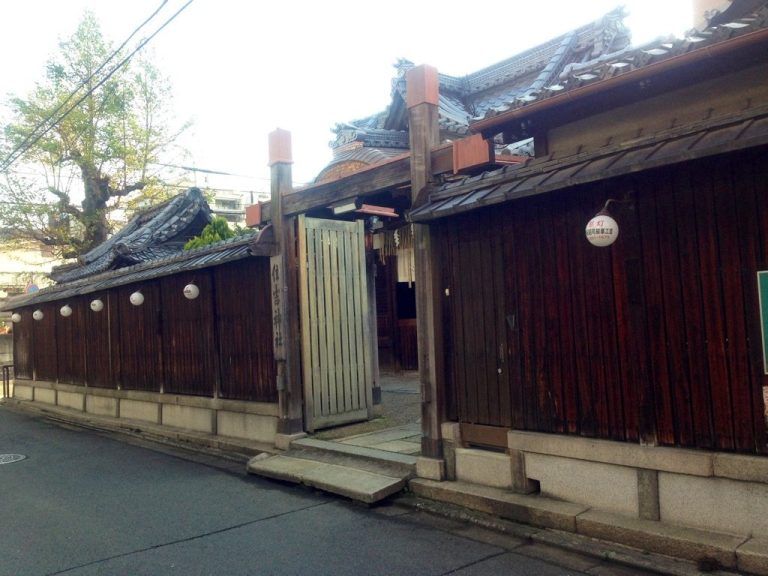
The ruins were designated a National Historic Site, a Japanese legal category protecting places important to the nation’s history, in 1921, and the protected area was expanded in 1966. Sai-ji and Tō-ji are considered together as important evidence for understanding the scale of Heian-kyō. A modern temple of the Jōdo-shū Seizan Zenrinji-ha branch, also called Sai-ji, stands near the ruins and claims to be the historical temple’s successor.
Remains
Sai-ji occupied an approximately square site measuring about 300 by 300 meters. It was laid out immediately north of Rashōmon and opposite Tō-ji across Suzaku Avenue. Excavations begun in 1959 have located remains of the main hall, corridors, monks’ quarters, a dining-hall complex, and the south gate. The surviving site is presented as ruins, since the historical buildings no longer stand.
Temple Foundations and Excavated Buildings
Lecture Hall Platform
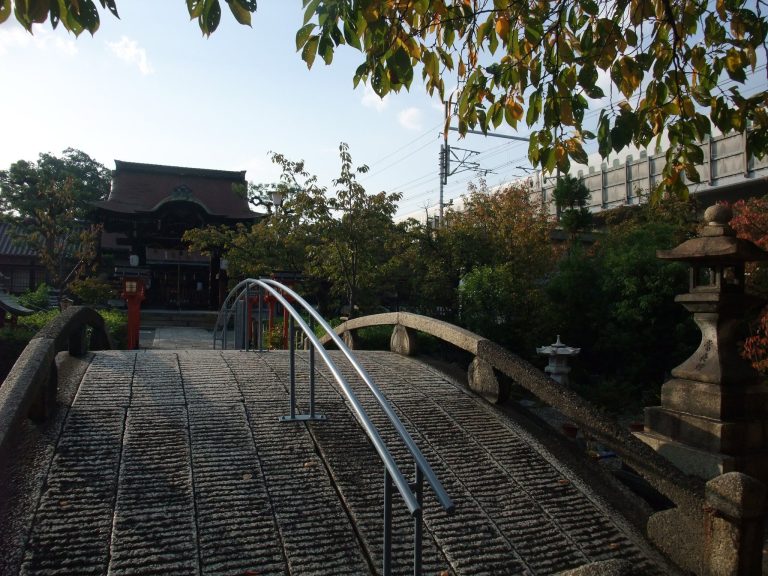
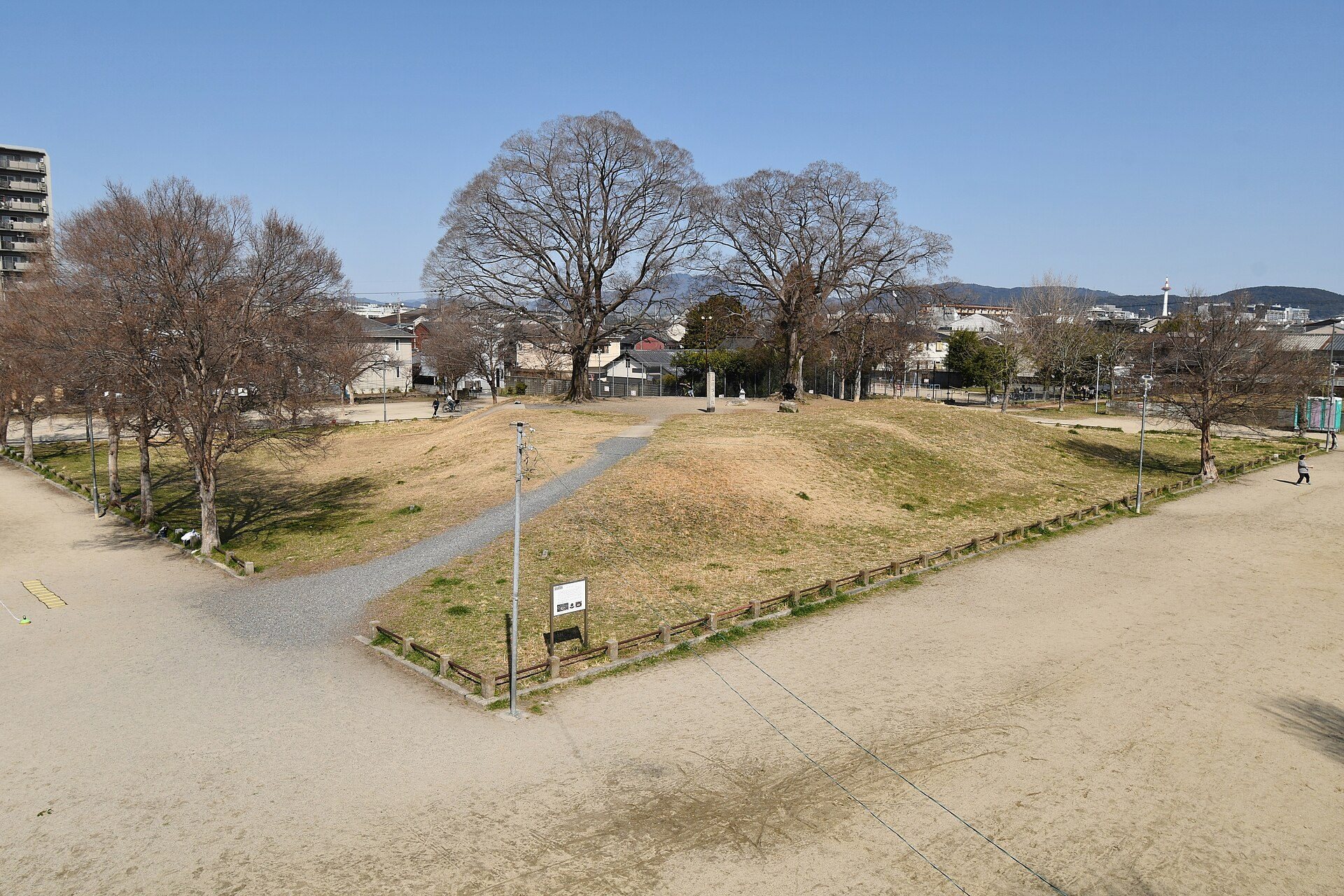
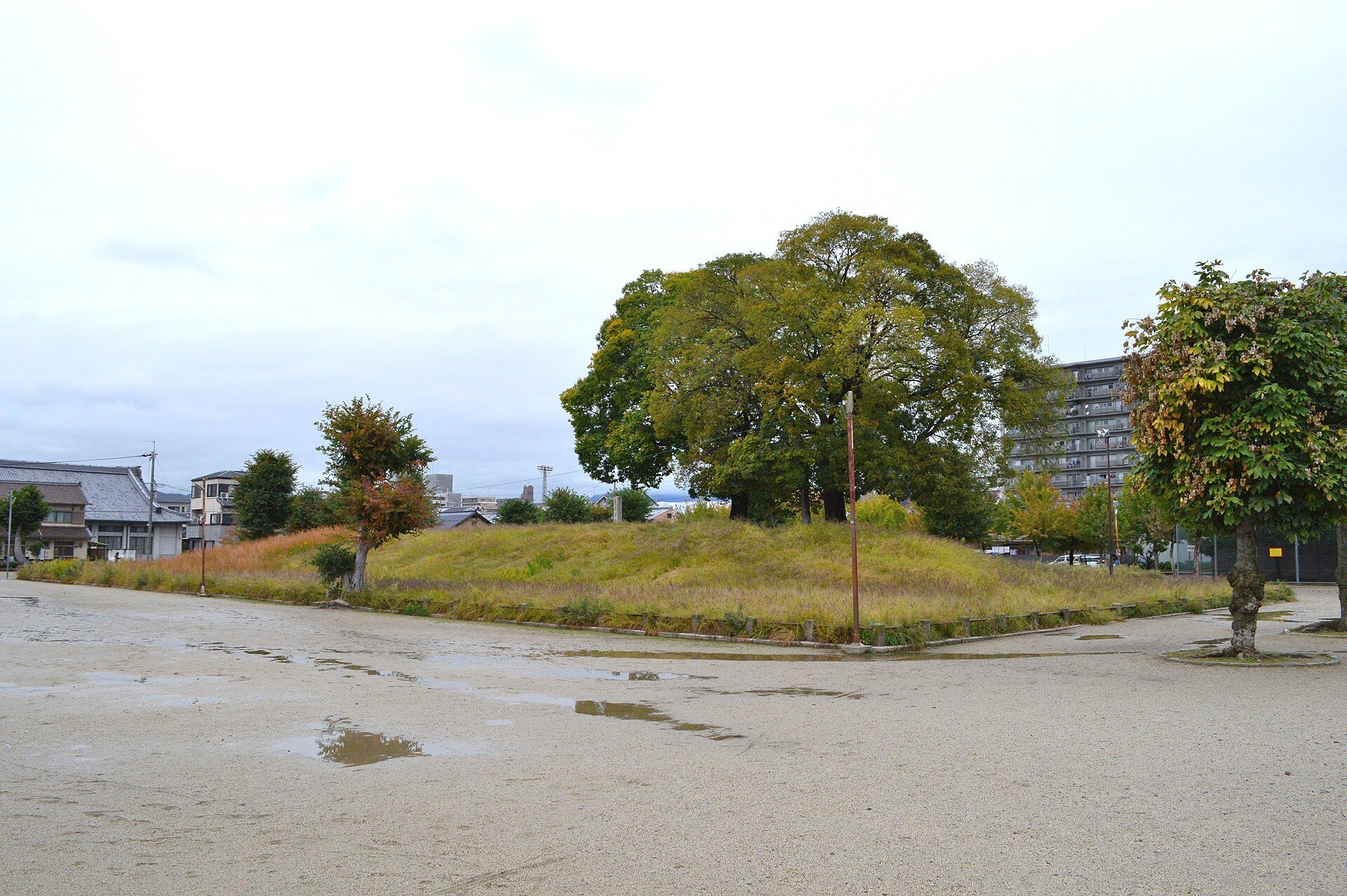
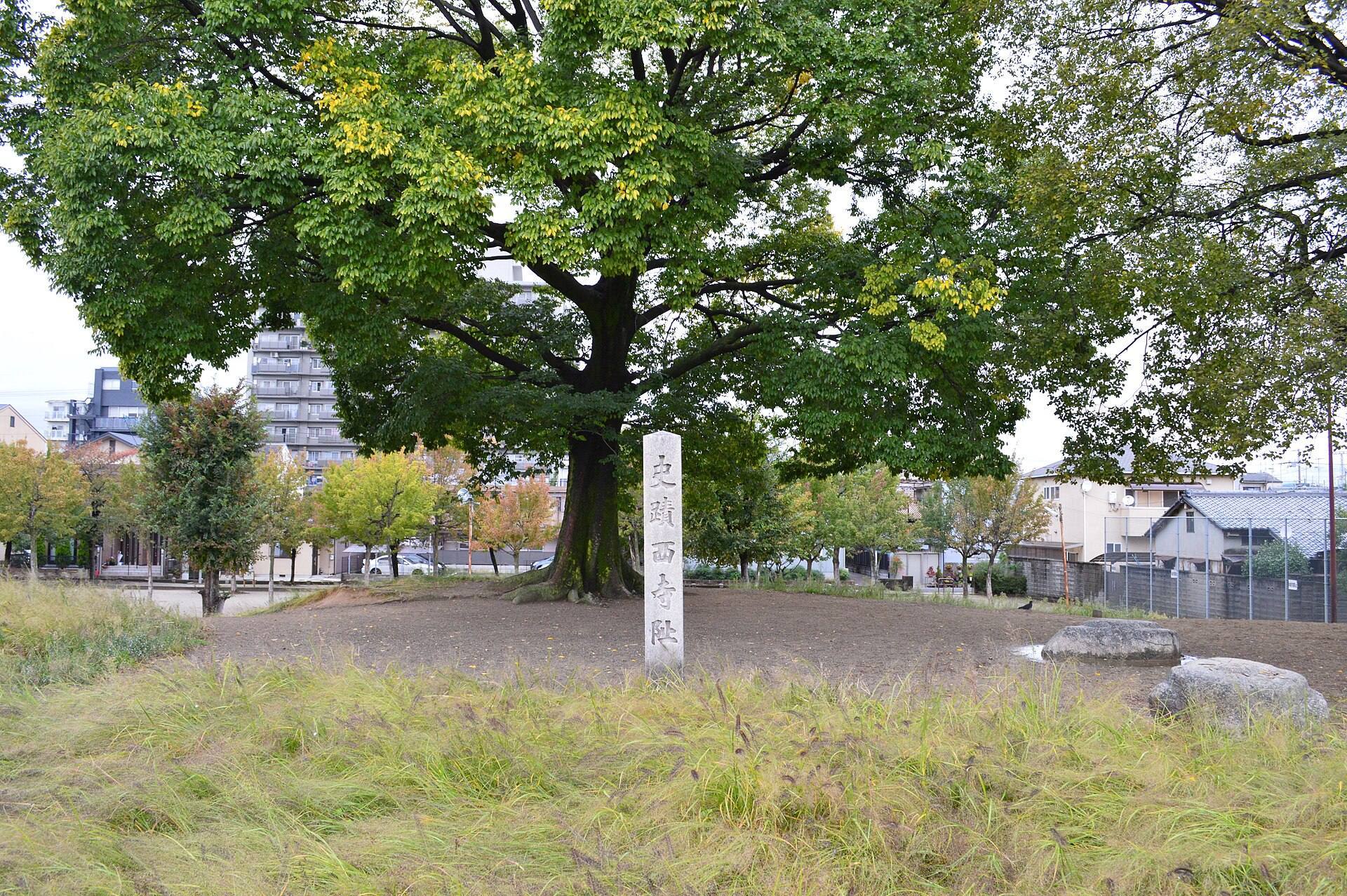
An earthen platform that had formed the basis for the site’s 1921 designation was identified through excavation as the foundation of the lecture hall. The platform now forms part of Karahashi Saiji Park, where a stone monument and explanatory plaques mark the former temple site.
Main Hall Foundations
A portion of the main hall’s foundation stones uncovered during excavation remains within the grounds of Kyoto Municipal Karahashi Elementary School. These stones form part of the surviving archaeological evidence for the temple’s principal buildings.
Pagoda Site
The pagoda site lies near the elementary school. It remains uncertain whether its foundation stones are buried underground or were destroyed when the school grounds were constructed. The pagoda had been repaired during the 1190s before burning again in 1233.
Protected Archaeological Area
The protected historic-site area extends across the elementary-school grounds, Karahashi Saiji Park, private land north of the park and south of Tōji-dōri, and the roads west of these areas. Together, these spaces preserve the archaeological setting of the former temple, including the excavated foundations and the areas associated with its original layout.