Rohan Palace in Prague: A Historic Palace and Government Building
Site at a Glance
- Popularity
- Medium
- Country
- Czechia
- Primary era
- Early Modern
- Eras represented
- Early Modern, Modern
- Civilizations
- Austrian Empire, Habsburg, Habsburg Austria, Holy Roman Empire, Kingdom of Bohemia
- Site type
- Domestic
- Remains
- Elite Residence
On this page7 sections
History
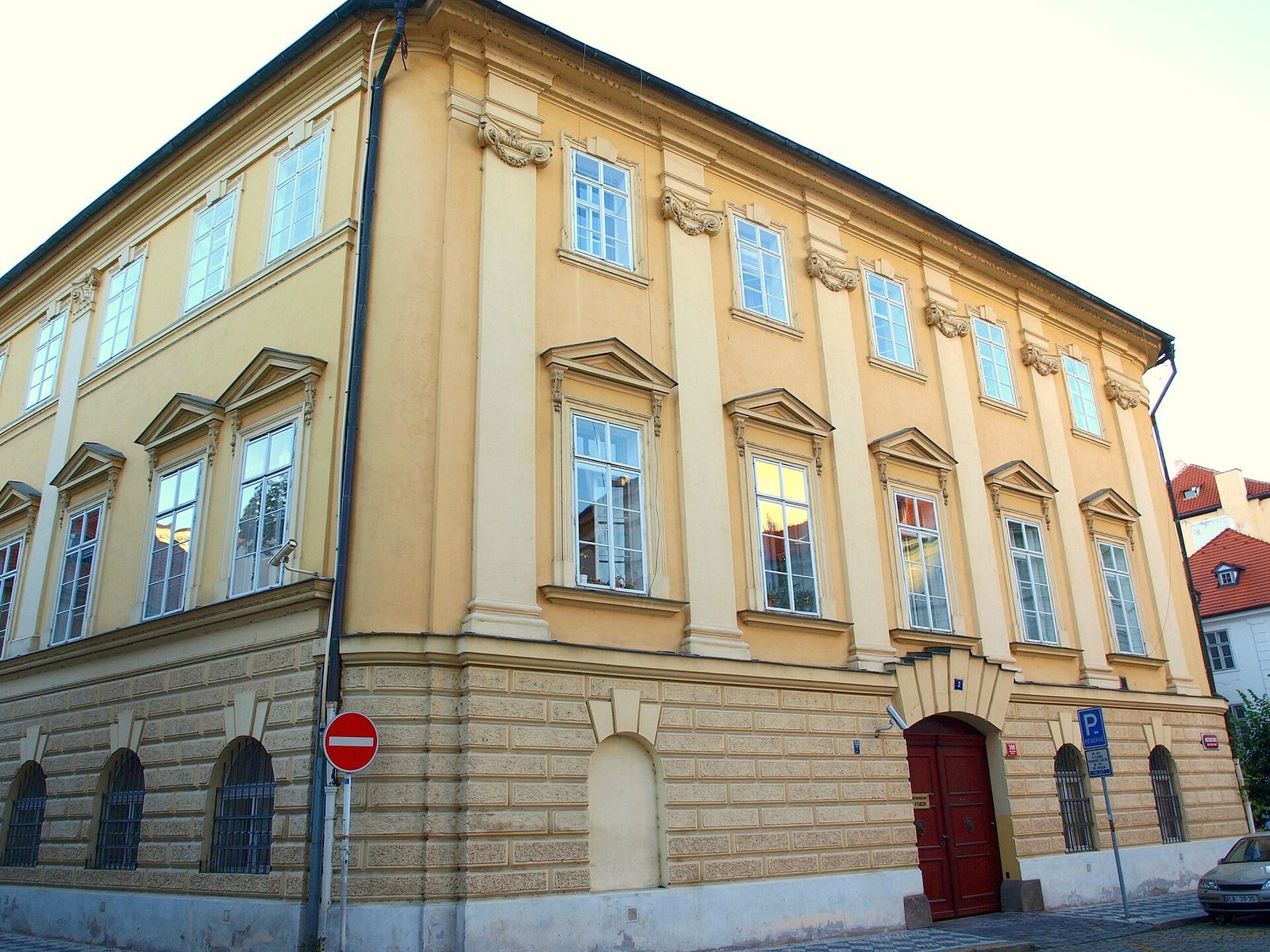
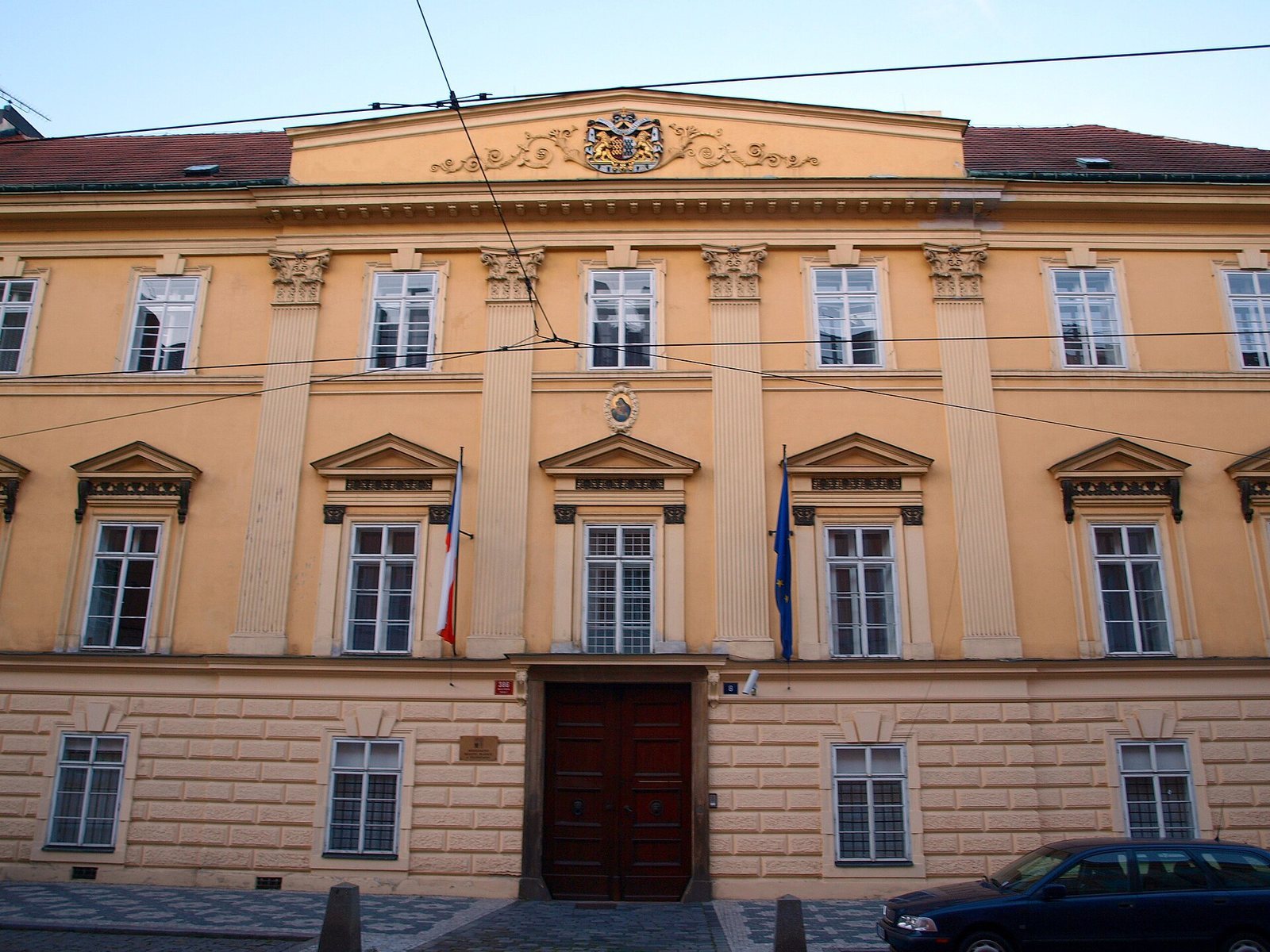
Rohan Palace, also known as Czernin Palace, is a Neoclassical palace, reflecting a revival of classical forms, in Prague’s Malá Strana district, Czechia, with origins around 1571. That year, German architect, builder, and stonemason Bonifác Wohlmut united three houses to create the palace.
Origins and Rebuilding
A German opera was based in the palace from 1700 to 1713. Around 1792, Count Johann Adalbert Čzernín had it rebuilt to a design by Josef Zobel.
Biron and Pauline
The palace was sold in 1799 to Peter von Biron, Duke of Courland. After his death in January 1800, his daughter Pauline succeeded him as its owner. In April that year, she married Friedrich of Hohenzollern-Hechingen in Prague.
Rohan Ownership and Present Use
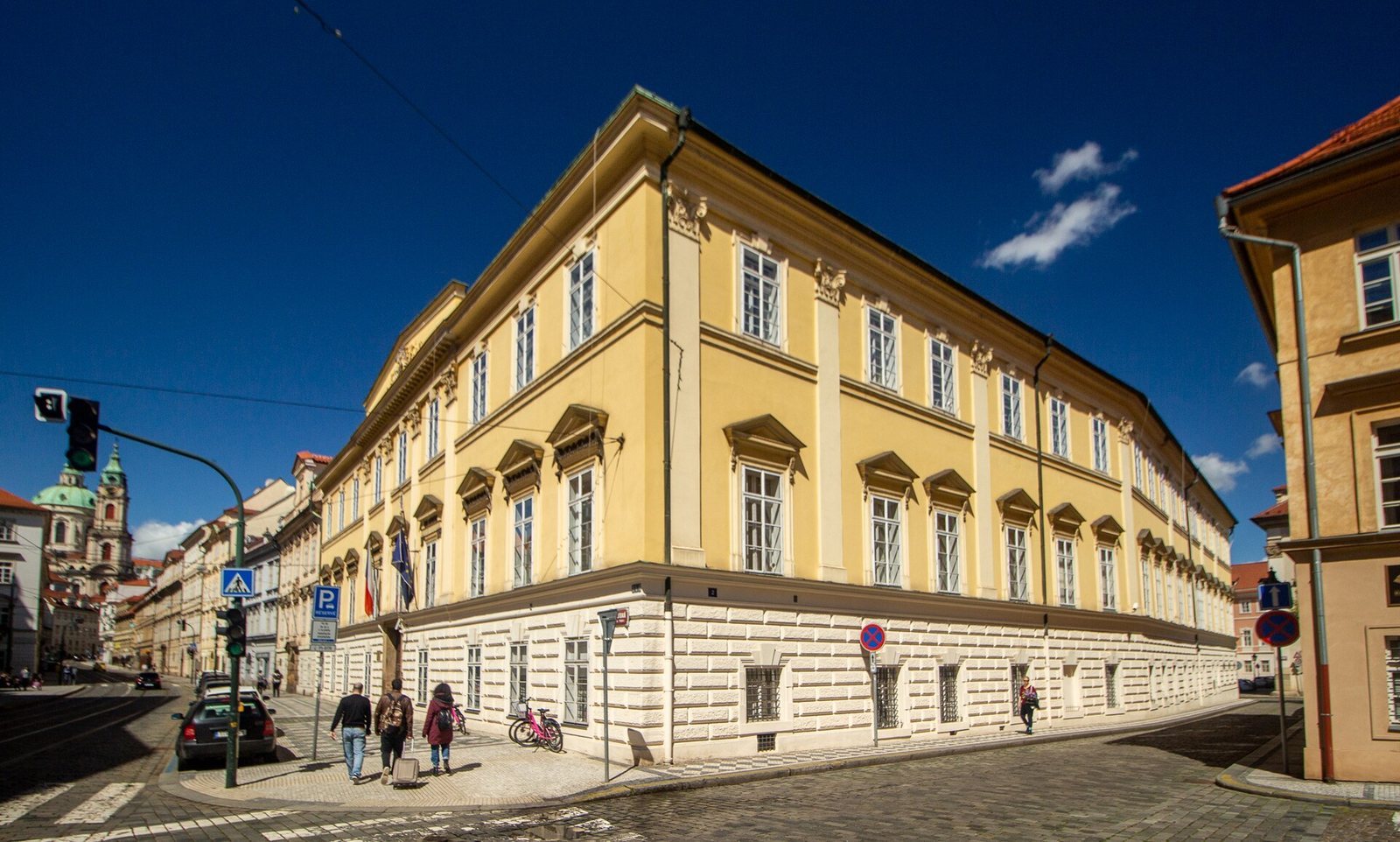
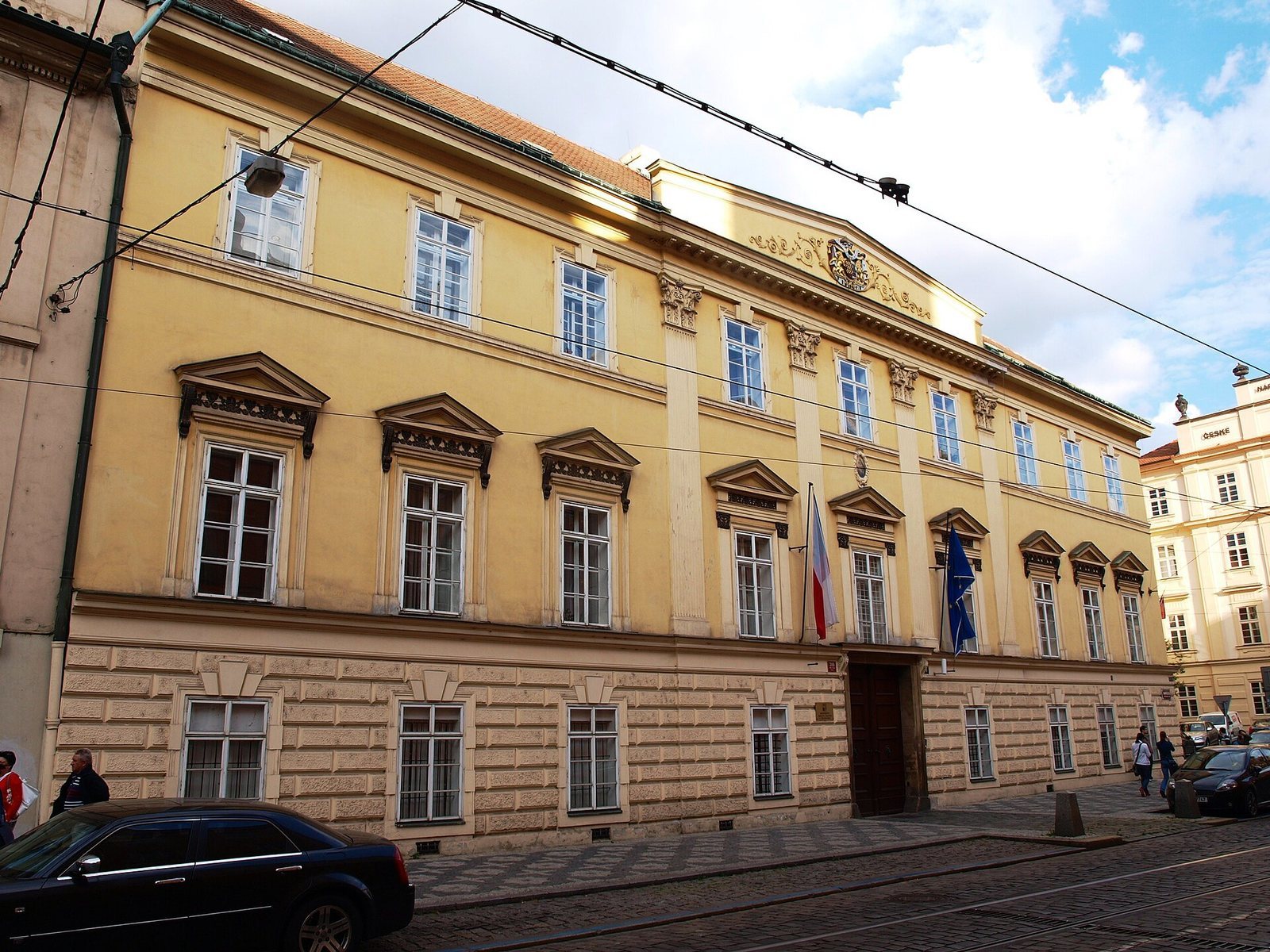
Charles Alain Gabriel de Rohan acquired the palace in 1816. Prince Camille de Rohan later commissioned its late-classical appearance. The House of Rohan owned the palace until 1945. It now serves as the Czech Republic’s Ministry of Education, Youth and Sports and is protected as a cultural monument of the Czech Republic.
Remains
The palace’s present form reflects changes to its exterior and interior during the 19th century.
Façade
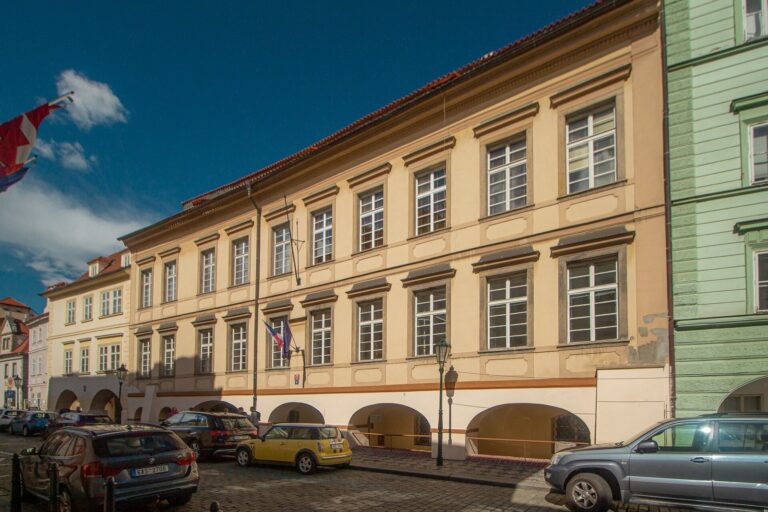
The present façade was erected around 1845 and has a late-classical appearance.
Ballroom
During Pauline’s ownership, the palace interior was altered to include a fitted-out ballroom.