Palazzo del Capitano di Giustizia: Milan’s Historic Seat of Justice
Site at a Glance
- Rating
- 4.2
- Popularity
- Low
- Country
- Italy
- Primary era
- Early Modern
- Eras represented
- Early Modern
- Civilizations
- Duchy of Milan, Habsburg, Habsburg Spain, Spanish
- Site type
- Civic
- Remains
- Palace
On this page6 sections
History
Commissioning and construction
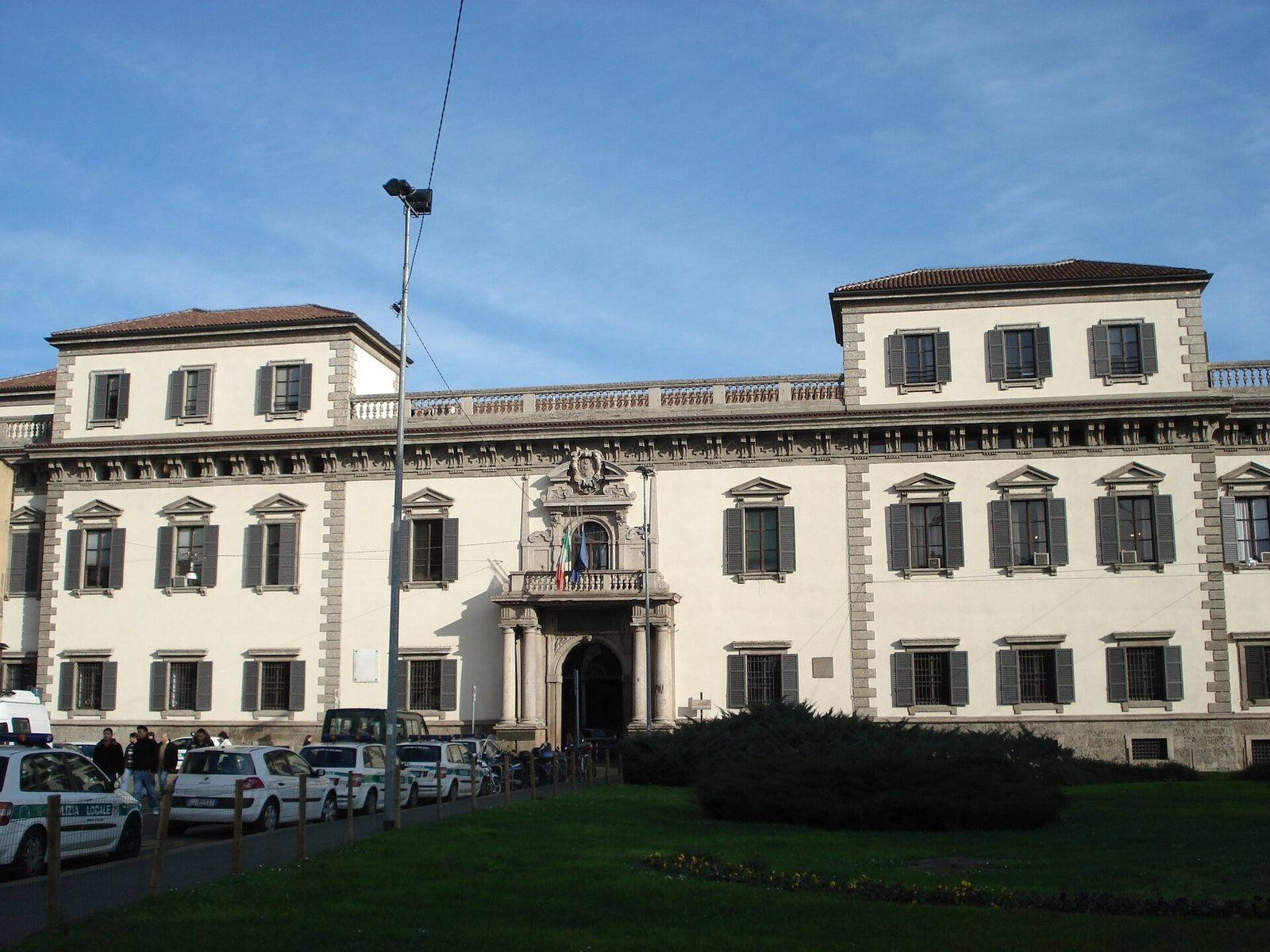
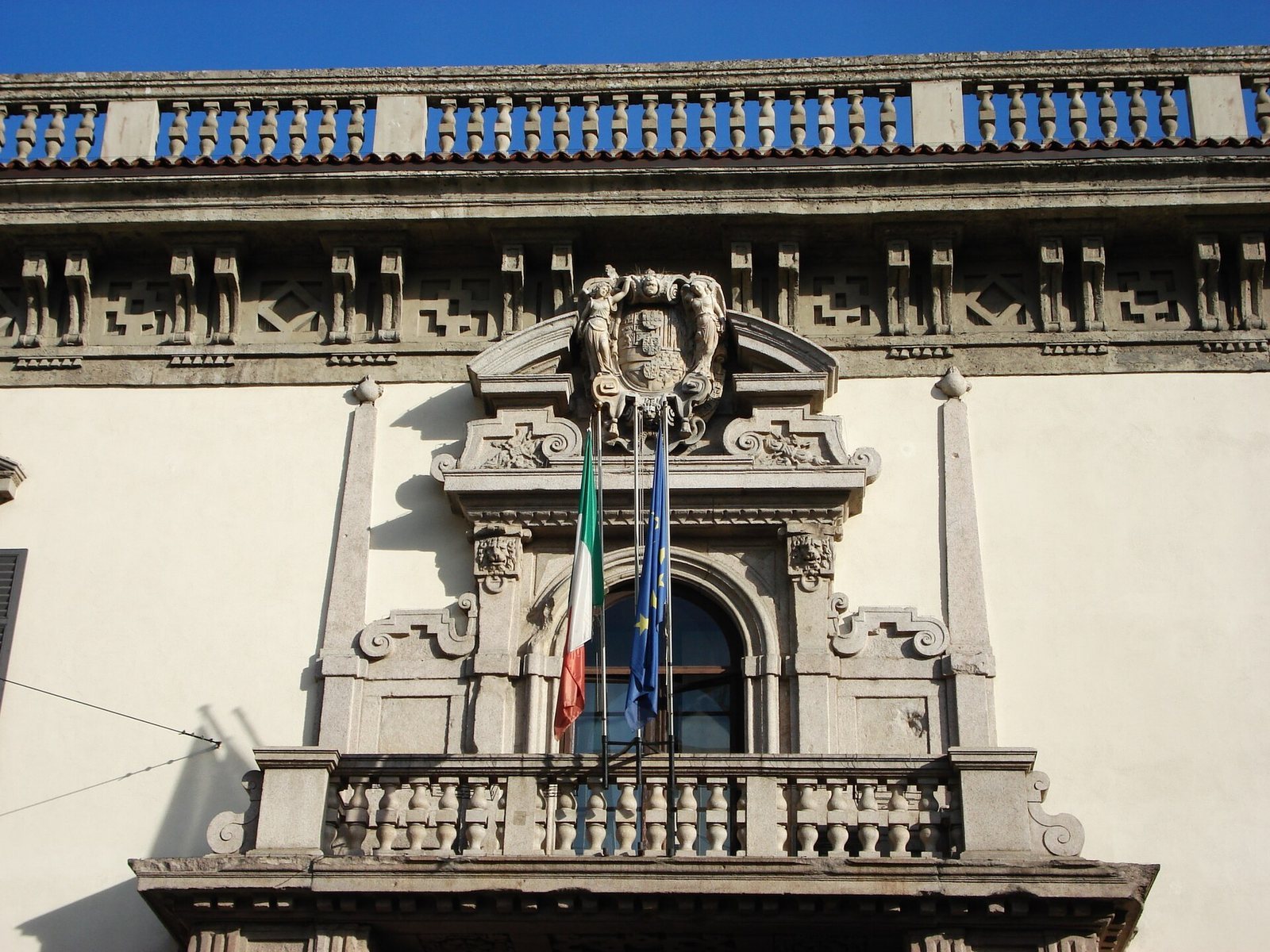
Palazzo del Capitano di Giustizia is a sixteenth-century palace in Milan, Italy, built in the Mannerist style, a late Renaissance approach marked by deliberate complexity and departures from classical balance. It later became the city’s principal seat of justice administration. Construction was approved in the 1570s at the initiative of Spanish governor Don Gabriel de la Cueva y Girón, Duke of Albuquerque, and Archbishop Carlo Borromeo, who provided the initial funding. The project went to Milanese architect Pietro Antonio Barca, and the palace was inaugurated in 1605. It was Barca’s earliest known work.
Justice administration and prisons
From the sixteenth through the nineteenth century, the palace was Milan’s main center for administering justice during periods of Spanish and Austrian rule. The captain of justice was a medieval-era city official responsible for overseeing public order. The building also functioned as a prison and became known as the “New Prisons.” Near its north wing, the executioner’s house and the site of executions stood close to Piazza Beccaria. The square received its name in the nineteenth century in honor of Cesare Beccaria, an Italian jurist and Enlightenment thinker who argued against capital punishment. In Milanese dialect, the palace is also called Palazz di Sedes Arma.
War damage and present use
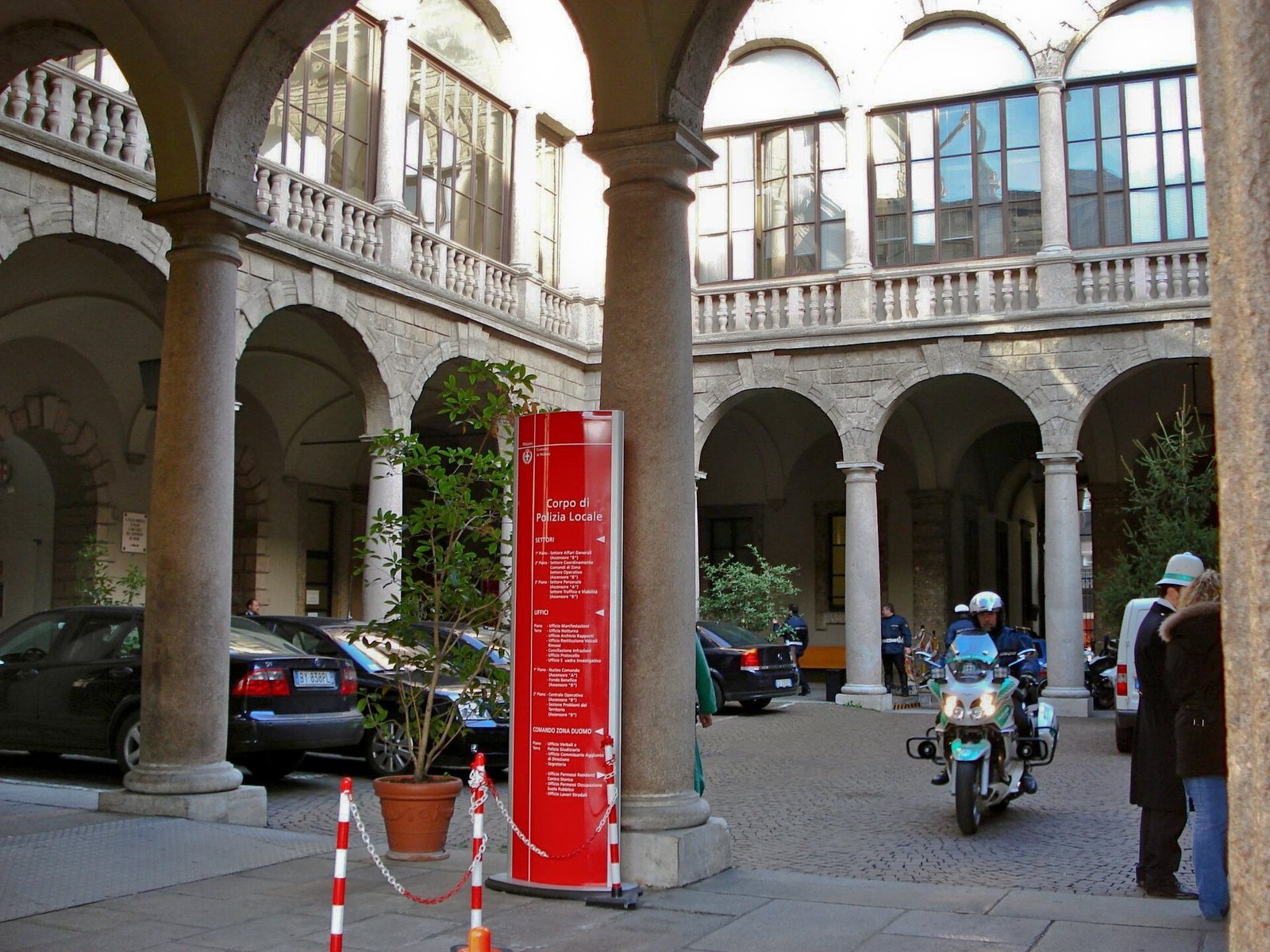
The palace was damaged during the Second World War and later renovated by architect Piero Portaluppi. It now houses the central command of Milan’s local police.
Remains
Palace layout and surviving design
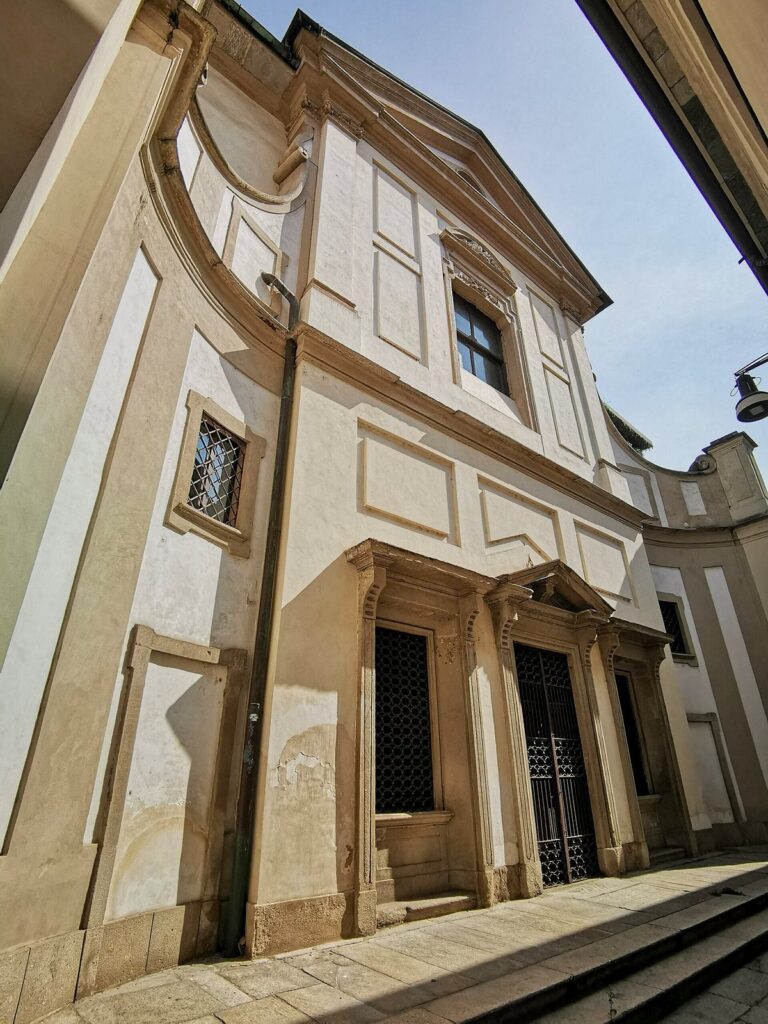
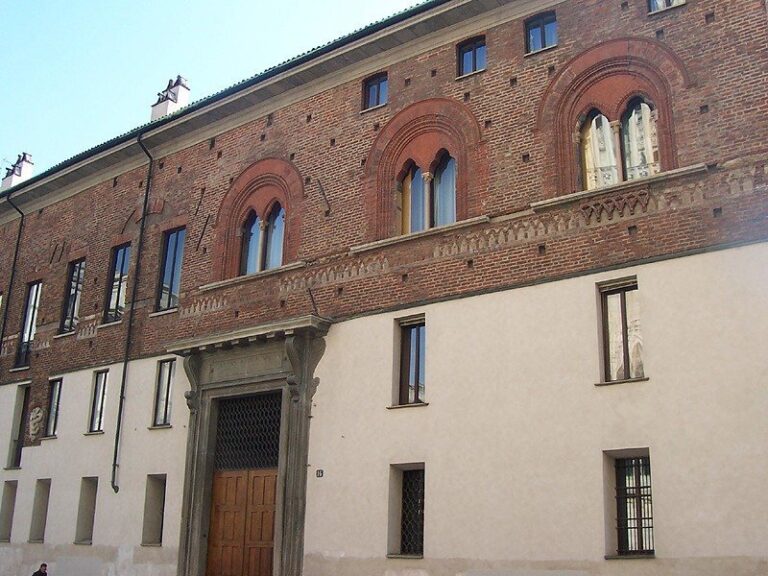
The palace stands in Milan’s Verziere district between Piazza Fontana and Piazza Beccaria. Its façade facing Piazza Fontana and its central courtyard belong to the original design. The north wing faces Piazza Beccaria, while most of the building’s other parts reflect later extensions.