Nostitz Palace: A Baroque Palace and Ministry Headquarters in Prague
Site at a Glance
- Rating
- 4.8
- Popularity
- Low
- Country
- Czechia
- Primary era
- Early Modern
- Eras represented
- Early Modern, Modern
- Civilizations
- Habsburg, Habsburg Austria, Holy Roman Empire, Kingdom of Bohemia
- Site type
- Civic
- Remains
- Palace
On this page7 sections
History
Foundation and family collections
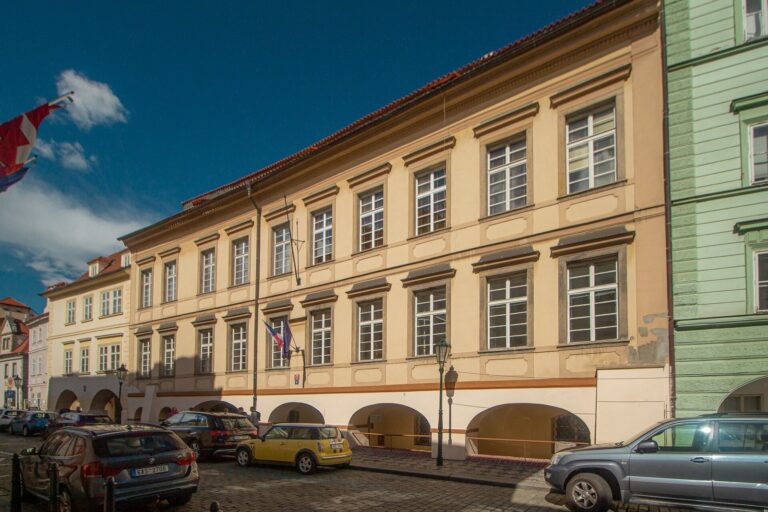
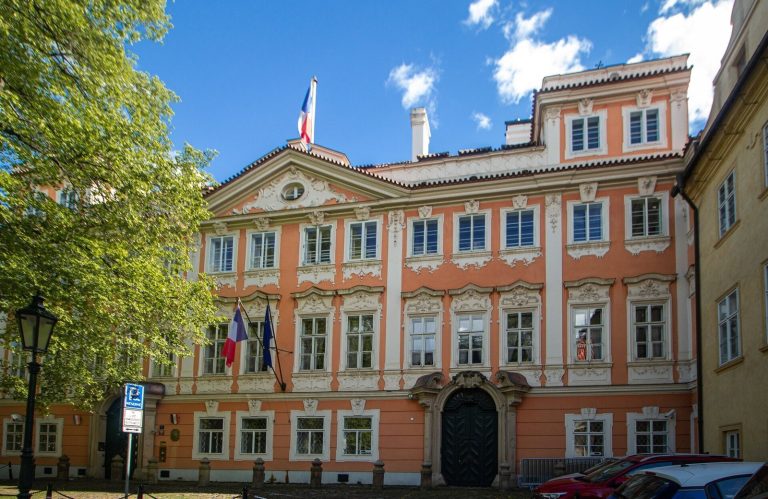
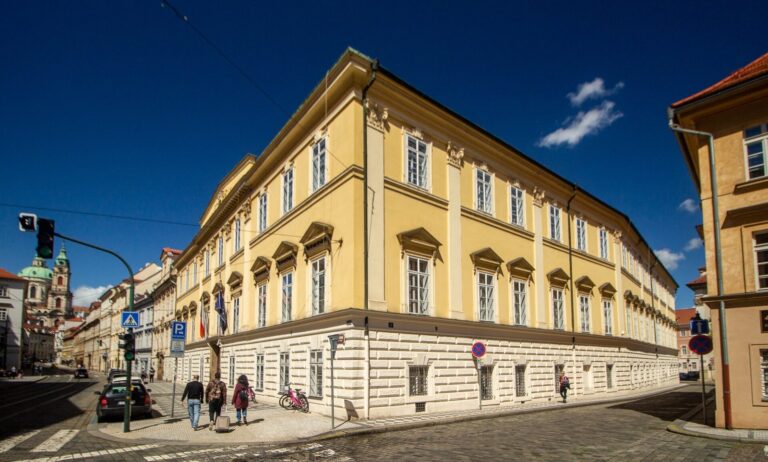
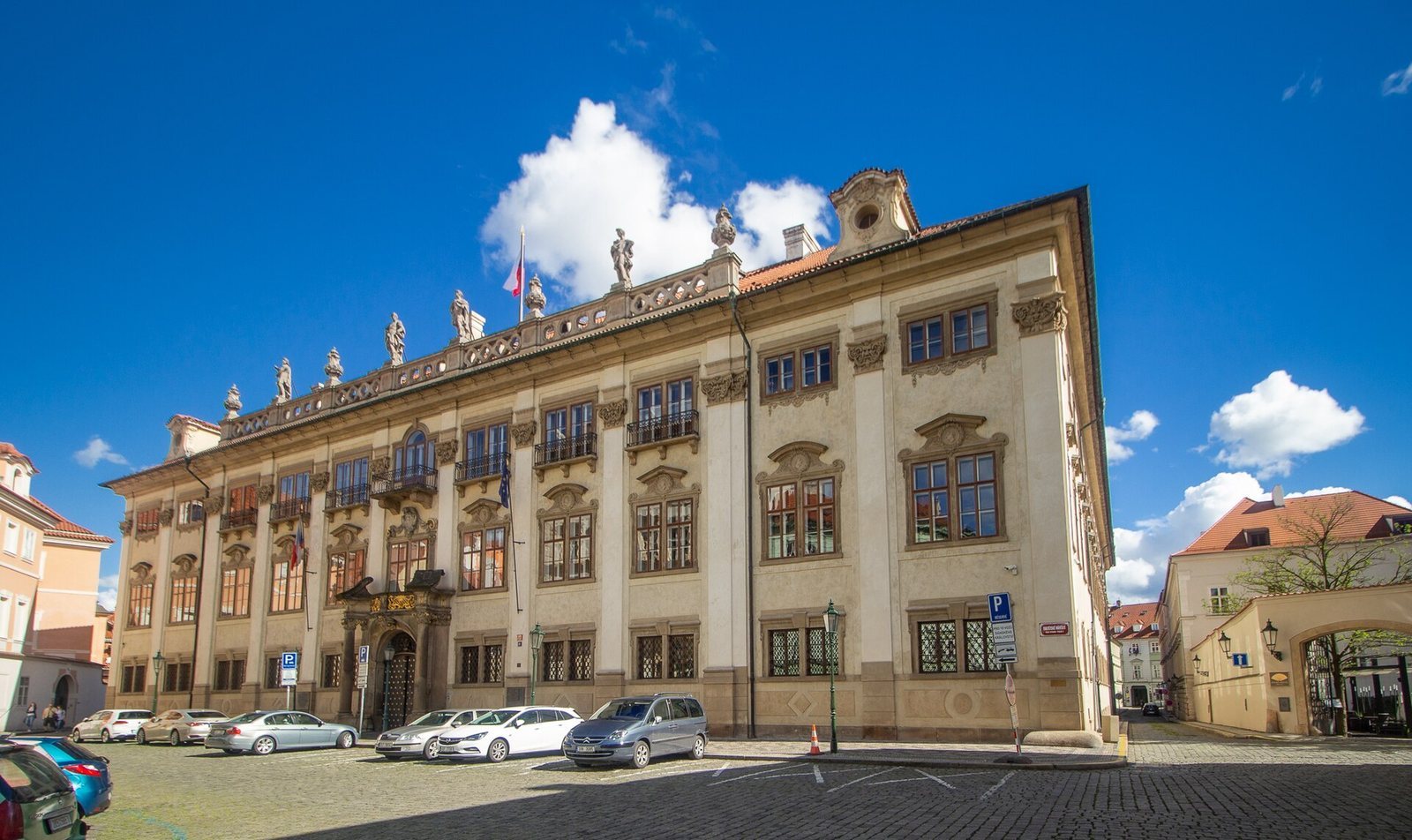
Nostitz Palace is a Baroque palace in Prague’s Malá Strana district, Czechia, commissioned after 1662 by Bohemian nobleman and statesman Johann Hartwig von Nostitz-Rieneck. Baroque architecture is an elaborate style associated with the seventeenth and eighteenth centuries. Francesco Caratti built the palace on the site of a garden and two houses that had been demolished.
The Nostitz family kept its coin and painting collections in the palace. The painting collection is now held by the National Gallery Prague.
Government use and renovation
The palace was electrified in 1908. From 1924, it accommodated the Ministry of Culture and the Dutch embassy; the embassy left in 1996. A comprehensive renovation and expansion between 1998 and 2002 adapted the building for use as the Czech Ministry of Culture’s headquarters, a role it continues to serve.
The palace and its garden have been designated cultural monuments since 1958. In 2026, the palace received national cultural monument status, a high-level Czech heritage designation.
Remains
Palace and garden
Palace and attached garden
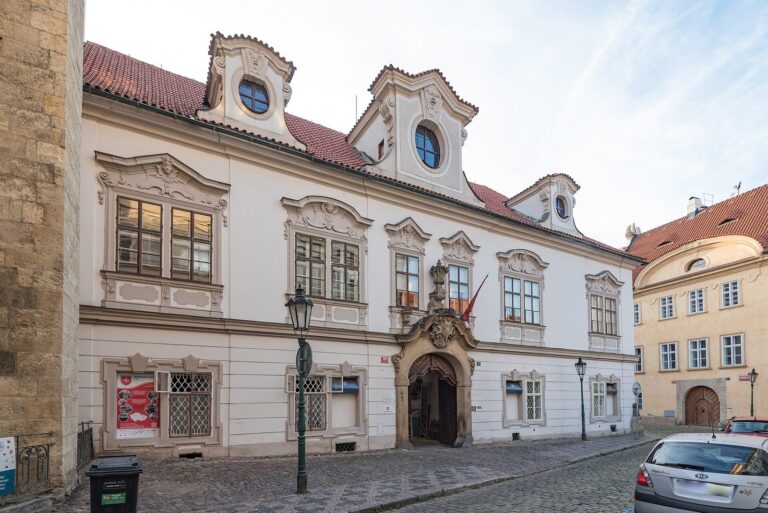
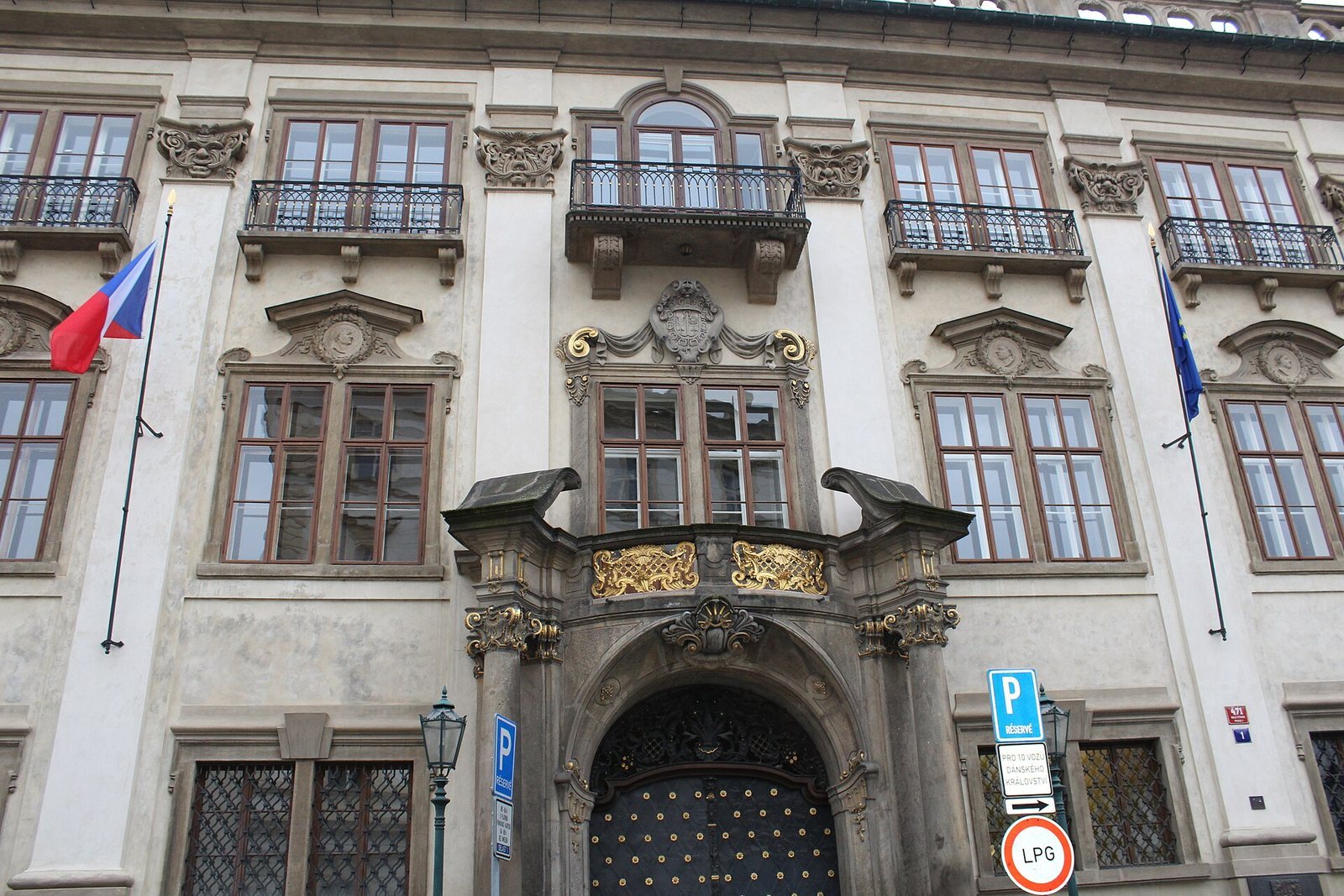
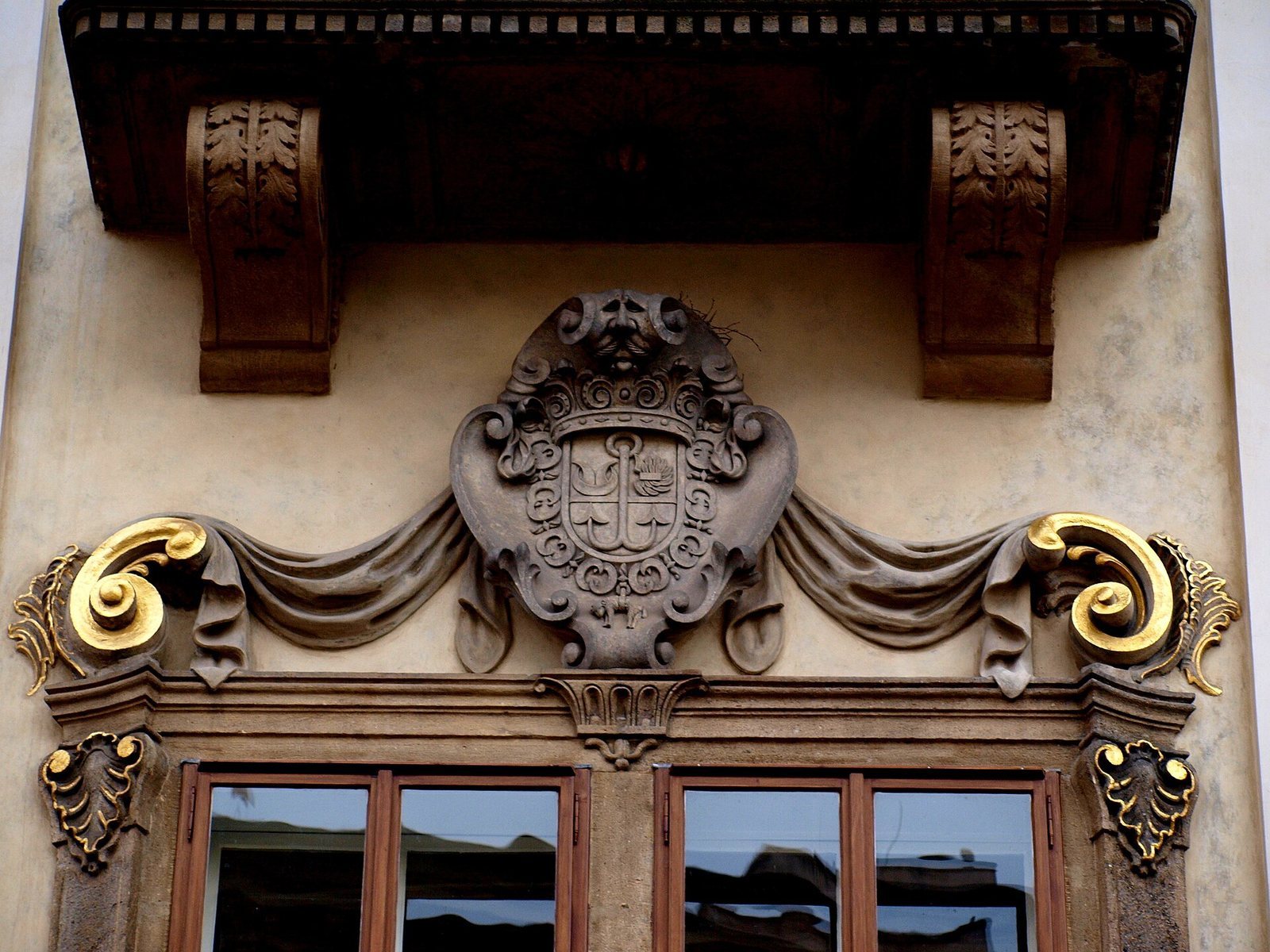
The surviving complex comprises the palace and its attached garden, known as Nosticová zahrada. The palace is a Baroque building beside Buquoy Palace on Maltese Square. Its Rococo portal was added in 1765 by architect Anton Haffenecker. Rococo is a later decorative style characterized by ornate, often curving forms.
Library
A library of 15,000 volumes remains inside the palace and is managed by the National Museum.