Picoña Castle: A Portuguese Medieval Border Fortification in Spain


Site at a Glance
- Rating
- 3.7
- Popularity
- Very Low
- Country
- Spain
- Primary era
- Medieval
- External website
- Open
- Eras represented
- Medieval
- Civilizations
- Kingdom of León, Portuguese
- Site type
- Military
- Remains
- Castle
On this page4 sections
History
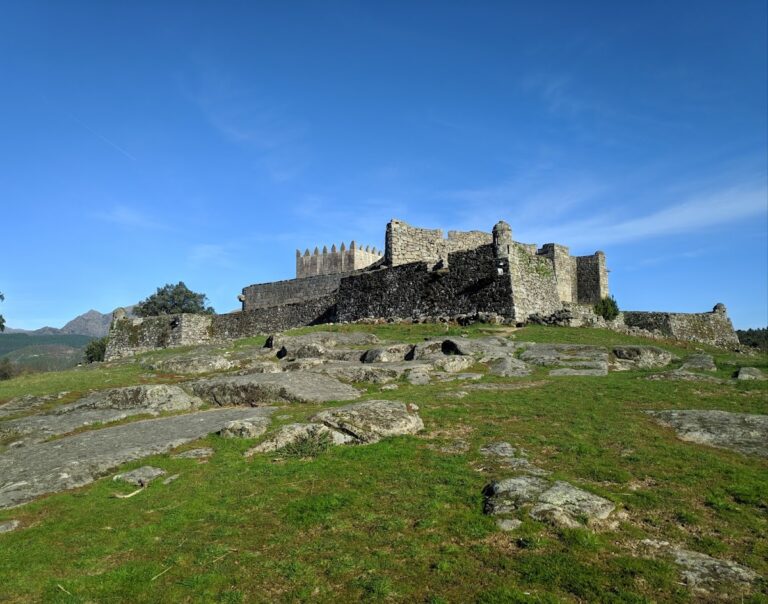
Picoña Castle is a ruined Portuguese medieval border fortification in Calvos de Randín, Spain. Built over an earlier Callaeci fort, it is associated with the tenth century and, in another tradition, with the early twelfth-century period of Portuguese independence. The castle is attributed to Alfonso III of León, a medieval king linked to the expansion and organization of the Christian kingdoms in the Iberian Peninsula, although its precise construction date remains uncertain.
Border Administration and Portuguese Rule
After Portugal became independent, settlement along the Galician border increased the castle’s importance. Together with the fortifications of Portelo, Montalegre, Monforte, and Chaves, Picoña helped defend the valleys of the Cávado and Tâmega rivers. It became the administrative head of the Terras da Piconha, a border territory whose authority extended beyond the castle itself.
A charter issued for Tourém in 1187, attributed to Sancho I of Portugal, identifies that settlement as the head of the Terras da Piconha. Sancho I, a king who supported the organization and settlement of Portuguese territory through municipal charters, also granted village status to San Paio de Picoña. As part of the domains of the House of Braganza, a Portuguese royal and aristocratic dynasty, the castle also guaranteed the privileges of the Couto Misto. This autonomous border territory comprised the villages of Santiago, Meaus, and Rubiás.
Destruction, Rebuilding, and Transfer to Spain
Castile destroyed Picoña Castle in the fourteenth century. John I of Portugal later rebuilt it and granted it to Afonso, who subsequently became the first Duke of Braganza. During the Portuguese Restoration War, the seventeenth-century conflict in which Portugal recovered its independence from the Spanish Habsburg monarchy, Spanish troops demolished the castle and other nearby fortifications in 1650.
From 1732, Picoña passed to Spain, although royal and seigneurial documents continued to treat it as Portuguese until 1796. A border-demarcation document from 1756 described the castle as being in Galicia but Portuguese. A document from 1796 placed its chief governorship within the jurisdiction of Tourém, while a topographic chart from 1836 still located the castle within Tourém’s limits. Under the Treaty of Lisbon, the term of Picoña was extinguished in 1866 when the territory was transferred to Spain. The ruins have not been classified by public authorities or archaeologically excavated.
Remains
Picoña Castle survives as a ruin built on an earlier fortified site. Remains of its pillars are preserved, while the principal visible feature is a cistern cut directly into the bedrock. This rock-cut installation forms the clearest surviving evidence of the castle’s physical construction and water management.
Nearby sites