Palazzo Carafa di Roccella: A Neapolitan Aristocratic Palace
Site at a Glance
- Popularity
- Medium
- Country
- Italy
- Primary era
- Early Modern
- Eras represented
- Early Modern, Modern
- Civilizations
- Habsburg, Habsburg Austria, Habsburg Spain, Kingdom of Naples, Kingdom of the Two Sicilies, Spanish
- Site type
- Domestic
- Remains
- Elite Residence
On this page6 sections
History
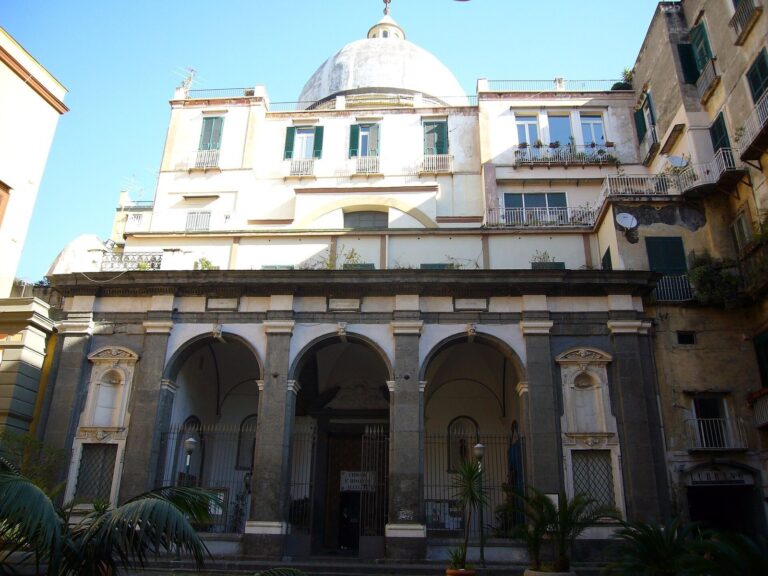
Palazzo Carafa di Roccella is a palace in the Chiaia district of Naples, Italy. It began in the seventeenth century as a country estate combining a villa and a farm, before becoming an urban aristocratic residence with a neoclassical façade.
Country estate and literary life
In 1667, Francesco di Sangro, prince of San Severo, gave the estate to his brother-in-law Giuseppe Carafa, who had married Francesco’s sister Antonia. Ippolita Cantelmo Stuart, wife of Vincenzo Maria III Carafa, later hosted a well-known literary salon there, a private gathering for literary and intellectual discussion.
Conversion to an urban residence
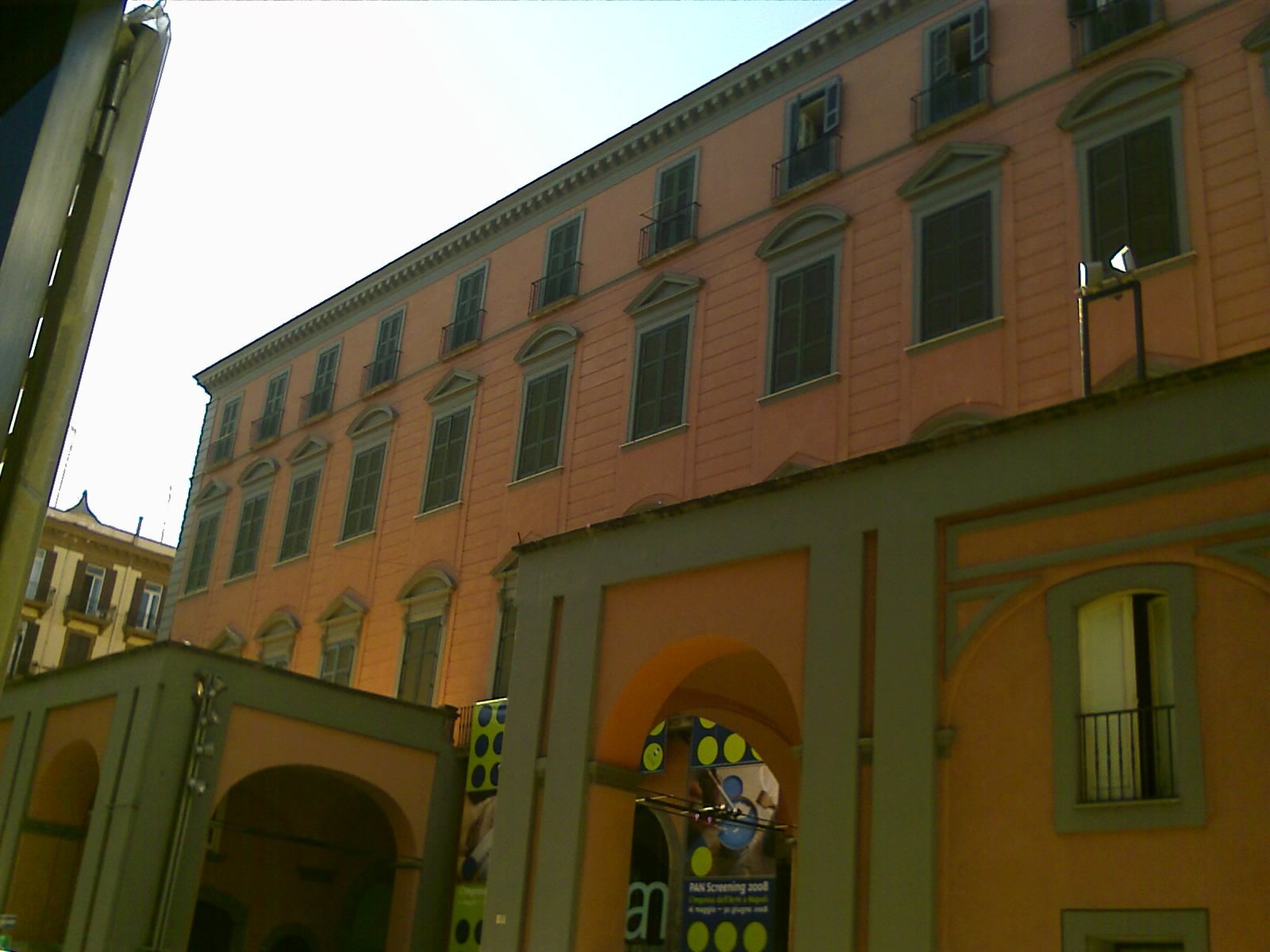
In 1717, a branch of the Carafa family holding the titles of prince of Roccella and marquis of Castelvetere acquired the palace. It was adapted over an extended period for use as an urban aristocratic residence, and its façade was completed in 1842. When Via dei Mille was opened in 1885, part of the palace premises was demolished. Minor buildings and shops attached to the palace came to stand across the new street.
Damage, restoration and changing use
After a long period of abandonment, entrepreneur Mario Ottieri sought to demolish the palace in 1964 and replace it with a large multi-storey building. Residents’ opposition stopped the plan, but on the night of May 10 the façade’s stucco decoration and its portal of volcanic stone were destroyed.
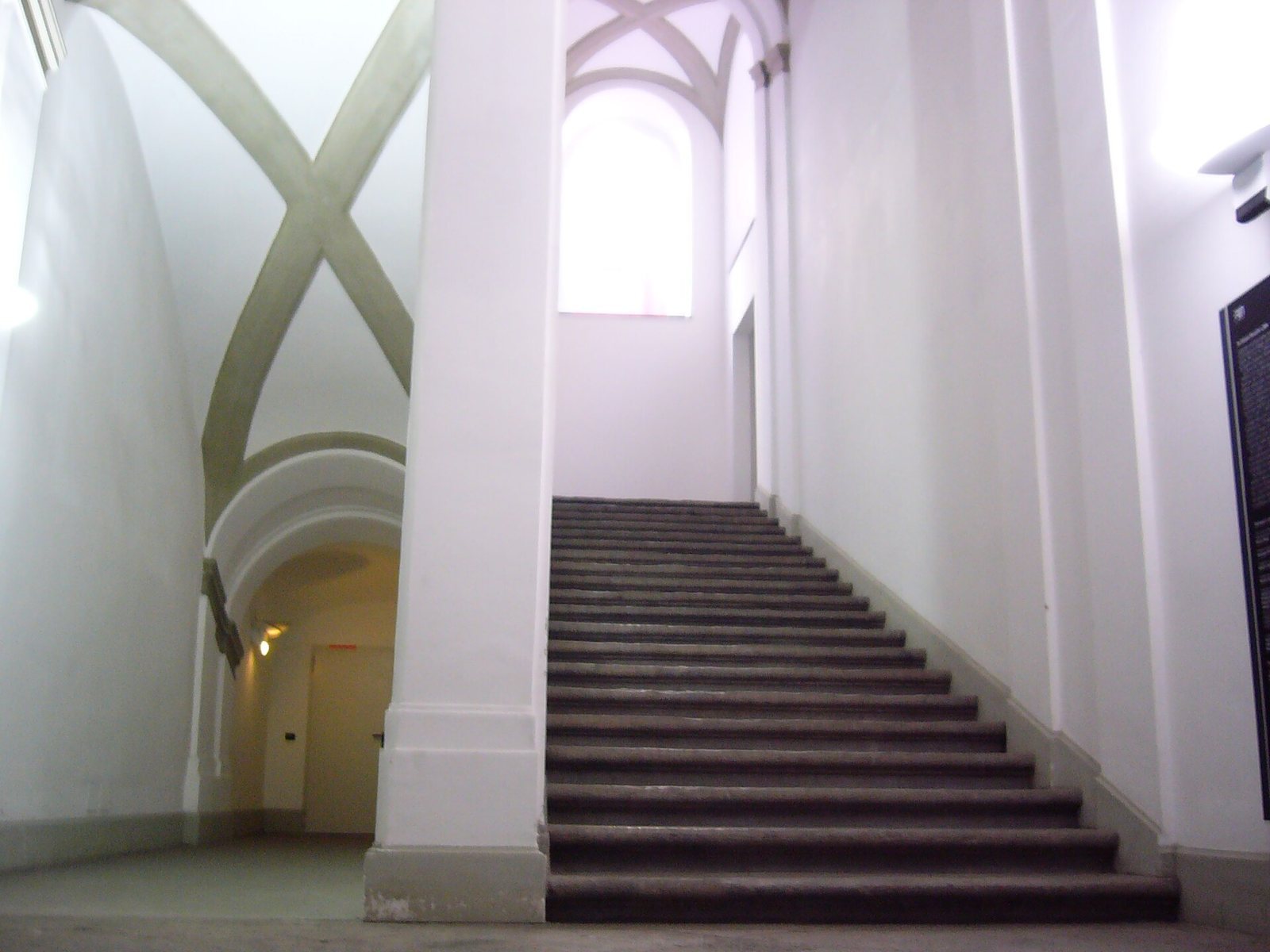
The municipality decided to acquire the palace in 1984, completing the purchase in 1992 after prolonged litigation. A restoration program finished in 2004, including protective work and structural stabilization to meet seismic standards. That year the palace was renamed Palazzo delle Arti di Napoli (Palace of the Arts of Naples), or PAN, and opened on March 26 as a contemporary-art museum and documentation center. It was Naples’s first contemporary-art museum. Roland Hagi and Giulia Draganovic served successively as directors during its first phase. Later, the building became the seat of the municipal culture department and hosted exhibitions arranged on demand rather than operating as a museum and documentation center.
Remains
Facade and internal arrangement
The palace’s façade is arranged symmetrically and flanked by two low sections intended for shops. Nineteenth-century alterations added a third floor, an open-air atrium and a patio beside the garden. At that time, the building contained more than 45 lavishly furnished rooms and valuable paintings.