Palais Kaunitz-Wittgenstein: A Baroque Palace in Laxenburg
Site at a Glance
- Popularity
- Medium
- Country
- Austria
- Primary era
- Early Modern
- Eras represented
- Early Modern, Modern
- Civilizations
- Habsburg, Habsburg Austria, Holy Roman Empire
- Site type
- Domestic
- Remains
- Elite Residence
On this page7 sections
History
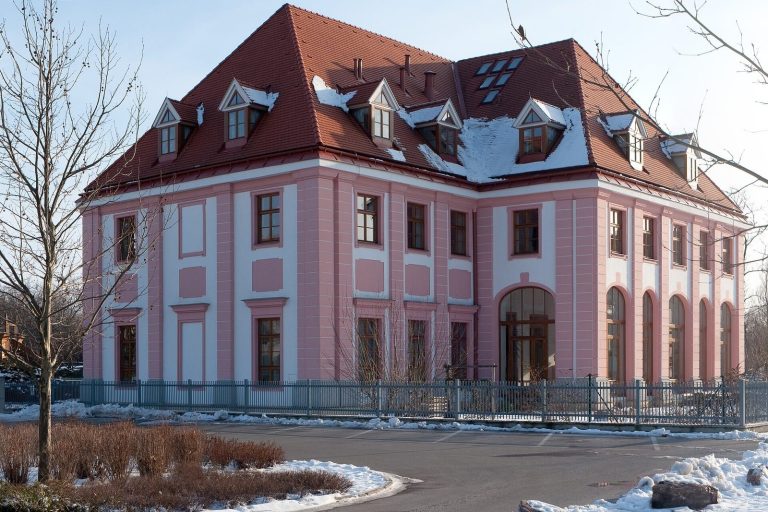
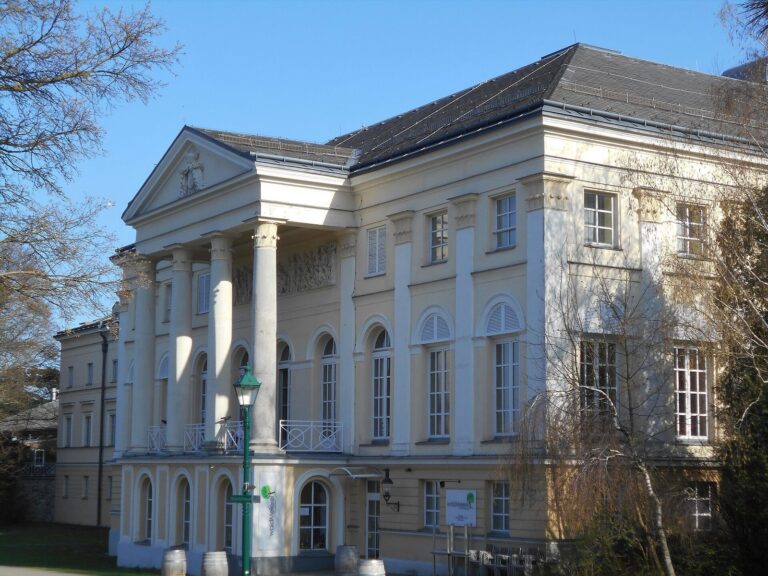
Palais Kaunitz-Wittgenstein is a Baroque palace in Laxenburg, Austria, commissioned by Dominik Andreas, Count Kaunitz, and built between 1698 and 1703. Baroque was an elaborate European architectural style that flourished from the seventeenth into the eighteenth century. The palace’s owners and uses changed repeatedly, from aristocratic residence to museum and educational institution.
Construction and early owners
In 1695, Leopold Philip Montecuccoli bought an undeveloped plot in Laxenburg and began building a house. He died in 1698 before completing it, and his widow sold the estate to Count Kaunitz, an Austrian nobleman and diplomat. Kaunitz commissioned the palace, which was constructed as imperial palaces were also being built and aristocratic families were settling nearby.
Count Kaunitz died in 1705. His son Maximilian Ulrich sold the palace in 1722 amid financial difficulties. It then passed among the Schlick, Lobkowicz, and Chotek families. Leopold Schlick, who bought it in 1722, died the following year.
Luigi Canale, a Piedmontese diplomat, used the palace for an extended period and made it available to his friend Pietro Metastasio, an Italian poet and librettist who spent part of several summers there. In 1775, Wenzel Anton Kaunitz, who had spent part of his childhood at the palace, bought it from Canale’s widow and undertook extensive renovations. Wenzel Anton was an influential statesman and diplomat of the Habsburg era.
Later owners and changing uses
After Wenzel Anton’s death, his heirs sold the palace in 1803 to Franz de Paula Karl von Colloredo, an Austrian diplomat and foreign minister. Colloredo commissioned further alterations but died soon afterward. In 1808, his widow sold the property to Nikolaus II, Prince Esterházy, who placed his art collection there and established a museum.
After the death of Nikolaus III, the Wittgenstein family acquired the palace in 1895. Klara Wittgenstein and her brothers Paul and Ludwig were among its owners. Klara became the principal resident in 1910. After her death, she left the palace to Paul, who sold it in 1935 to the Sisters of Mercy of the Holy Cross, a Catholic women’s religious congregation.
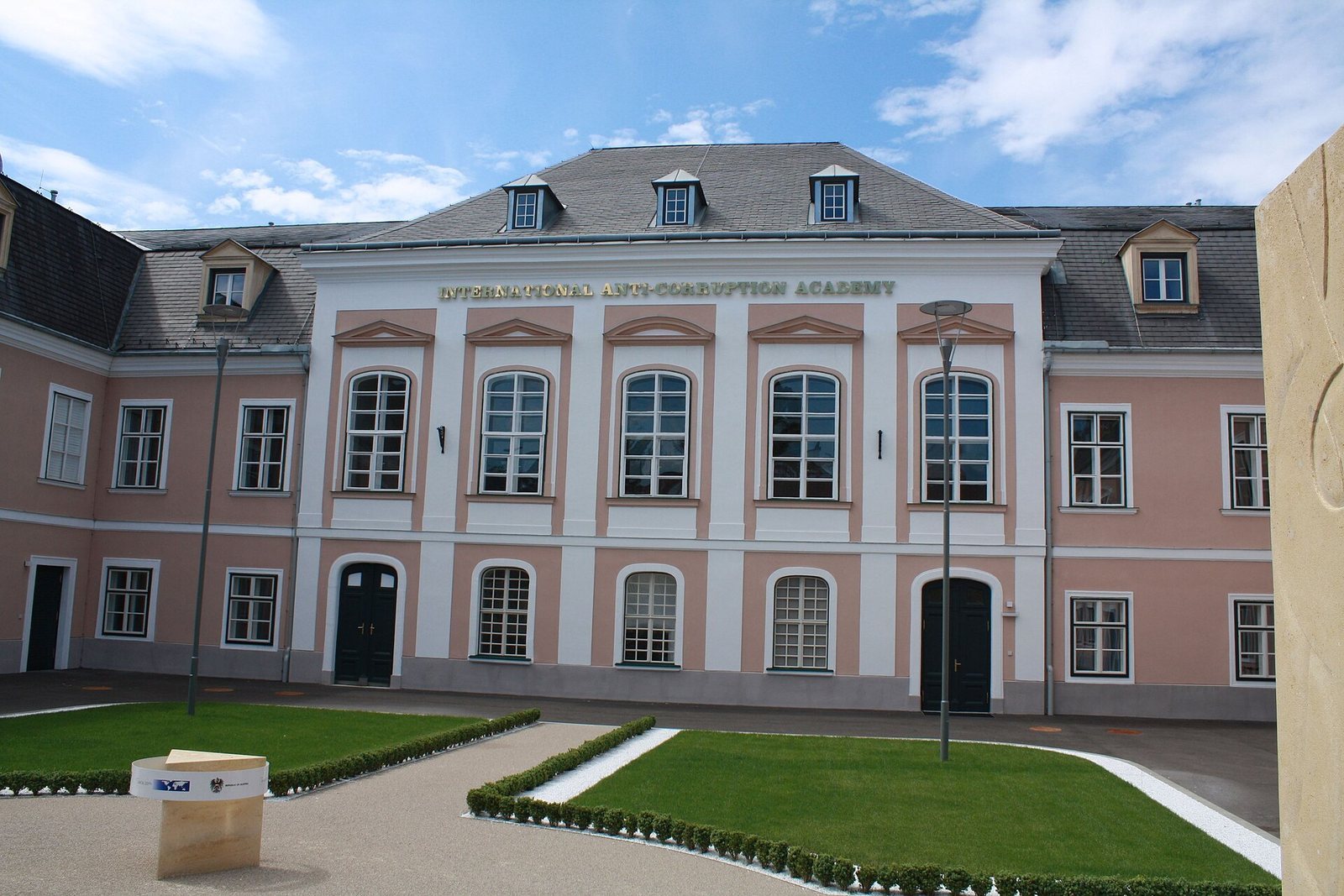
The Sisters used the palace for educational purposes through 1988, including a kindergarten-teacher training school, a household school, and a lower secondary school with boarding facilities. It later also served as a community center. Before 2010, parts of the palace were acquired by Lower Austria’s state property company and renovated on behalf of the Republic of Austria and the state of Lower Austria. Since 2010, the building has housed the International Anti-Corruption Academy, which provides master’s programs and anti-corruption training for international participants. The Austrian state owns the palace and rents it to the academy.
Remains
Plan and grounds
The palace was originally designed with three wings. During construction, adjoining plots were incorporated to enlarge the estate and its gardens. Domenico Martinelli, an Italian architect associated with Baroque design, has been proposed as the architect, but his involvement remains uncertain. Andrea Simone Carove supervised the construction, and Pietro Bombelli carried out the stonework.
Interior
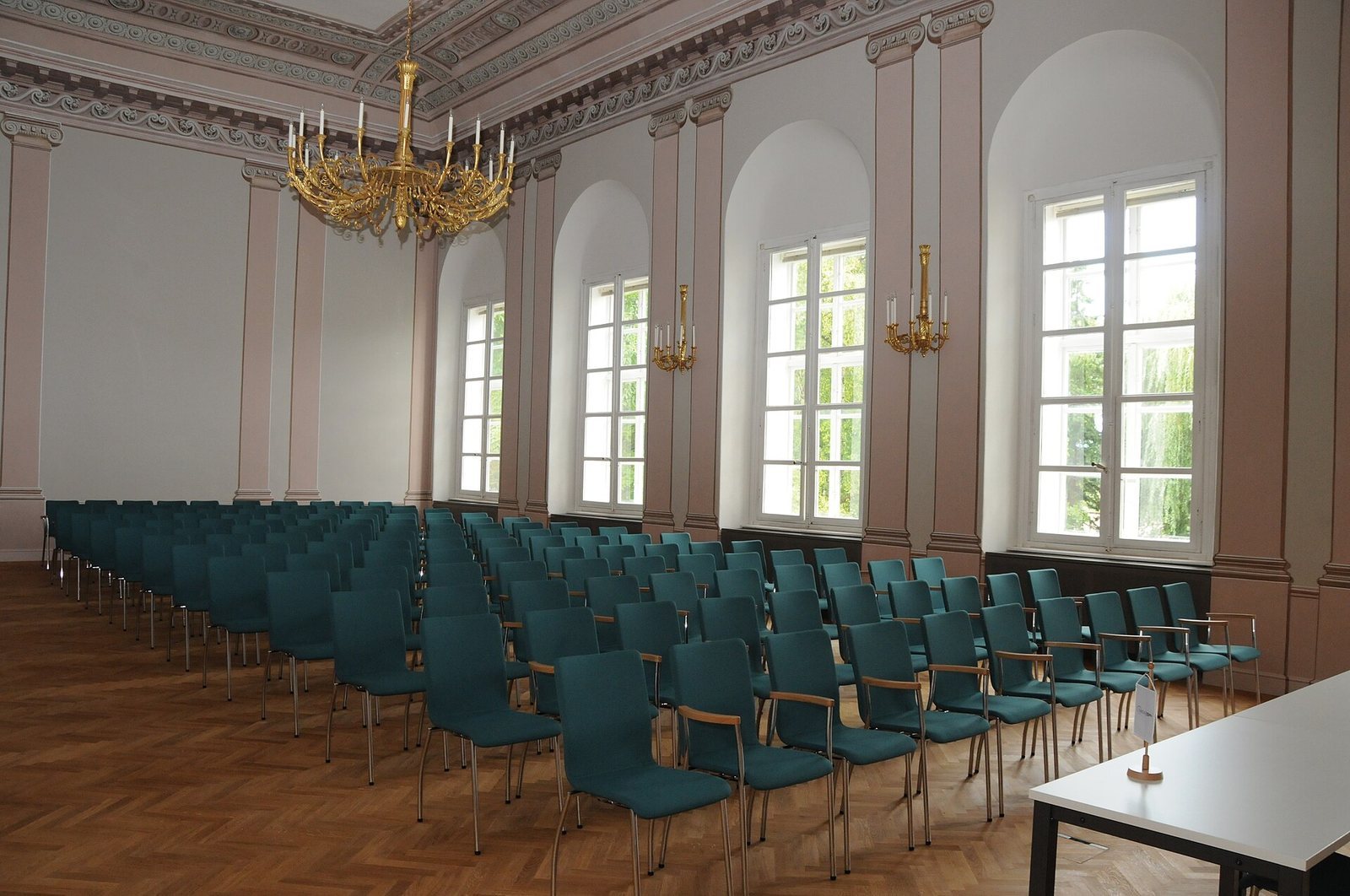
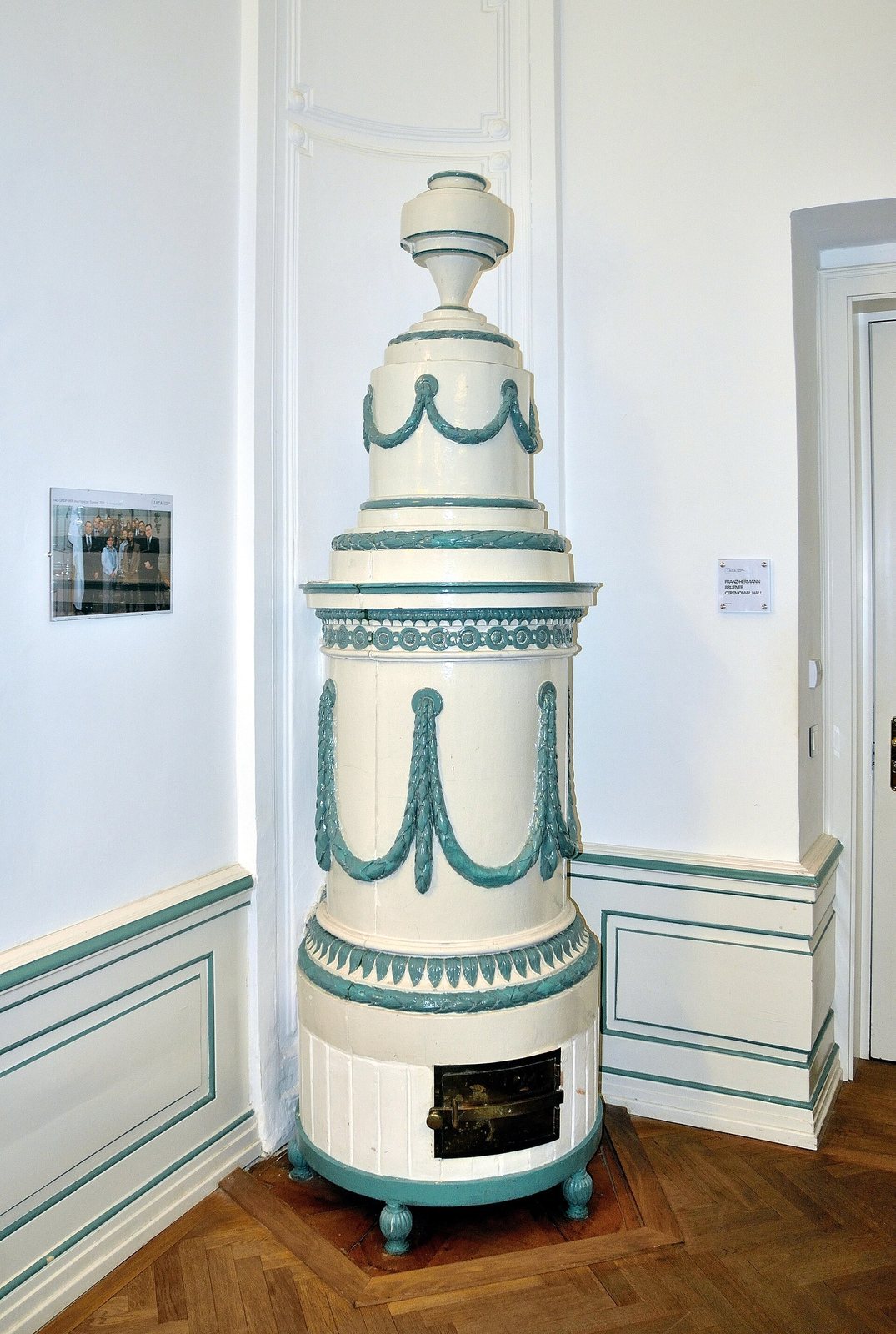
Wenzel Anton Kaunitz’s renovations adapted the interior to the style of his time, and much of this work remains. The interior is described as neoclassical, drawing on forms and principles from ancient Greek and Roman art and architecture. Joseph Pichler painted frescoes in the stairwell and banquet hall.
Bathhouse
Among the later additions commissioned by Colloredo was a bathhouse with painted decoration.