Noda Castle: A Sengoku-Period Stronghold in Japan
Site at a Glance
- Country
- Japan
- Primary era
- Medieval
- Eras represented
- Medieval
- Civilizations
- Unclassified
- Site type
- Military
- Remains
- Castle
On this page7 sections
History
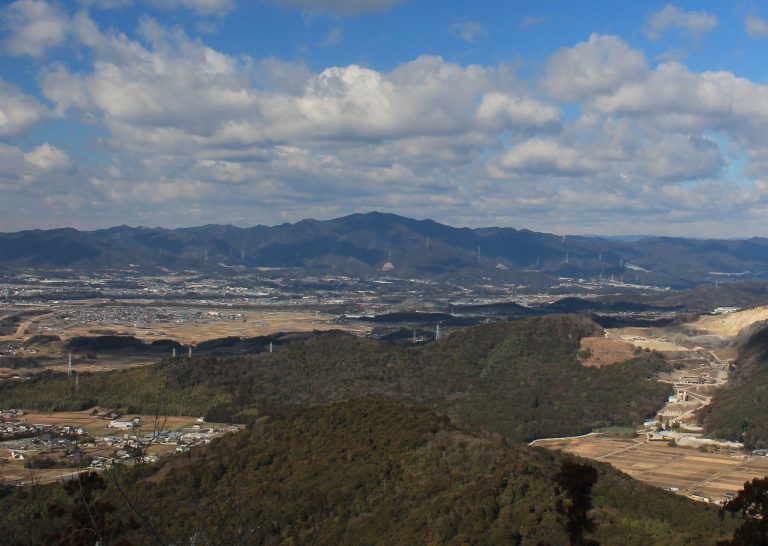
Noda Castle was a stronghold in eastern Mikawa, in present-day Shinshiro, Aichi Prefecture, Japan. Suganuma Sadanori built it in 1508 during the Sengoku period, an era of prolonged warfare among Japan’s regional powers.
Founding and local alliances
Sadanori had previously lived at Nodakan, about one kilometre southeast. Repeated flooding and inadequate defenses there are thought to have prompted the move. The Imagawa clan’s expansion into eastern Mikawa, and its castle building in the region, may also have influenced the plans. The Noda branch of the Suganuma family traced its descent to a line based at Damine Castle in the Kitashitara area of Oku-Mikawa and was described as subordinate to the Okudaira clan.
Sadanori, his son Suganuma Sadamura, and his grandson Suganuma Sadamitsu successively made Noda their residence. In 1529, Sadanori came under Matsudaira Kiyoyasu during Kiyoyasu’s campaign into eastern Mikawa. After Kiyoyasu died in 1535, Sadanori submitted to the Imagawa, as did other local leaders.
Imagawa and Takeda conflicts
After Imagawa Yoshimoto was killed at the Battle of Okehazama in 1560, Sadamitsu broke from the Imagawa and joined the Matsudaira, later known as the Tokugawa. Imagawa forces besieged Noda in 1561, and Sadamitsu surrendered and withdrew. He retook the castle in a night attack the following year, during which the Imagawa commander Inagaki Ujitoshi was killed. Damage to Noda led Sadamitsu to use Onoda Castle temporarily.
During a Takeda incursion often dated to 1571, Takeda retainers Yamagata Masakage and Ogasawara Nobumine attacked Onoda, badly damaging and burning it. Sadamitsu returned to Noda in December while repairs were underway. The campaign’s date is uncertain and may instead belong to events preceding the 1575 Battle of Nagashino.
After Takeda Shingen’s campaign into western Mikawa in 1572 and his victory over Tokugawa Ieyasu at Mikata-ga-hara, Takeda forces besieged Noda in January 1573. About 30,000 attackers faced 500 defenders. The castle held out for several weeks, but the Takeda cut off its water supply, and Sadamitsu surrendered about a month after the siege began. Noda’s fall exposed the Tokugawa defenses in Mikawa and put the bases at Yoshida and Okazaki at risk.
The Takeda took Sadamitsu hostage in return for sparing the castle’s soldiers. He was released on 10 March 1573 in an exchange of hostages between the Tokugawa and Takeda, and returned to the Tokugawa side. Shingen halted his campaign and returned to Kai in April as his health worsened; he died a few weeks later. A later tradition says a retainer of Sadamitsu shot him as he left his command post after listening to a flute played from the castle. The Matsudaira ki says Shingen was hit, while an Edo-period Suganuma family genealogy describes a night-time sniper shot and a disturbance in the Takeda camp without identifying Shingen as the target. His death is generally attributed to declining health. Shingen’s withdrawal spared Yoshida and Okazaki from capture.
After Shingen’s death, Sadamitsu retook Noda from the Takeda in 1574 and made it his residence again. In May 1575, he fought at the decisive Battle of Nagashino, between Takeda Katsuyori’s forces and the Oda and Tokugawa alliance. Sadamitsu joined a surprise attack on Mount Tobigasu led by senior Tokugawa retainer Sakai Tadatsugu.
Relocation and abandonment
In 1590, Toyotomi Hideyoshi, who had brought much of Japan under his authority, ordered Ieyasu to move to the Kanto region. Sadamitsu left Noda with him and received a fief in Abo, Kozuke Province, assessed at 10,000 koku, a traditional measure of rice yield used to estimate a domain’s revenue. Hideyoshi’s retainer Ikeda Terumasa took Yoshida Castle, and one of his retainers was assigned to Shinshiro Castle, which became the area’s administrative center. Noda Castle was then demolished and abandoned.
Remains
Layout and defenses
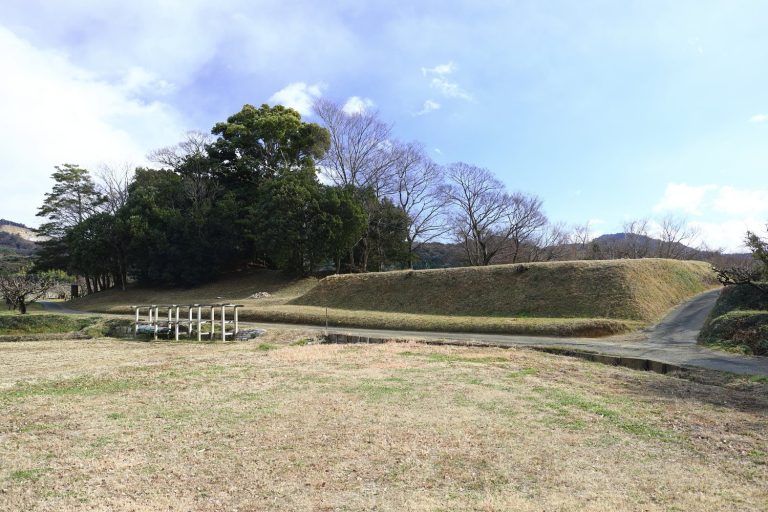
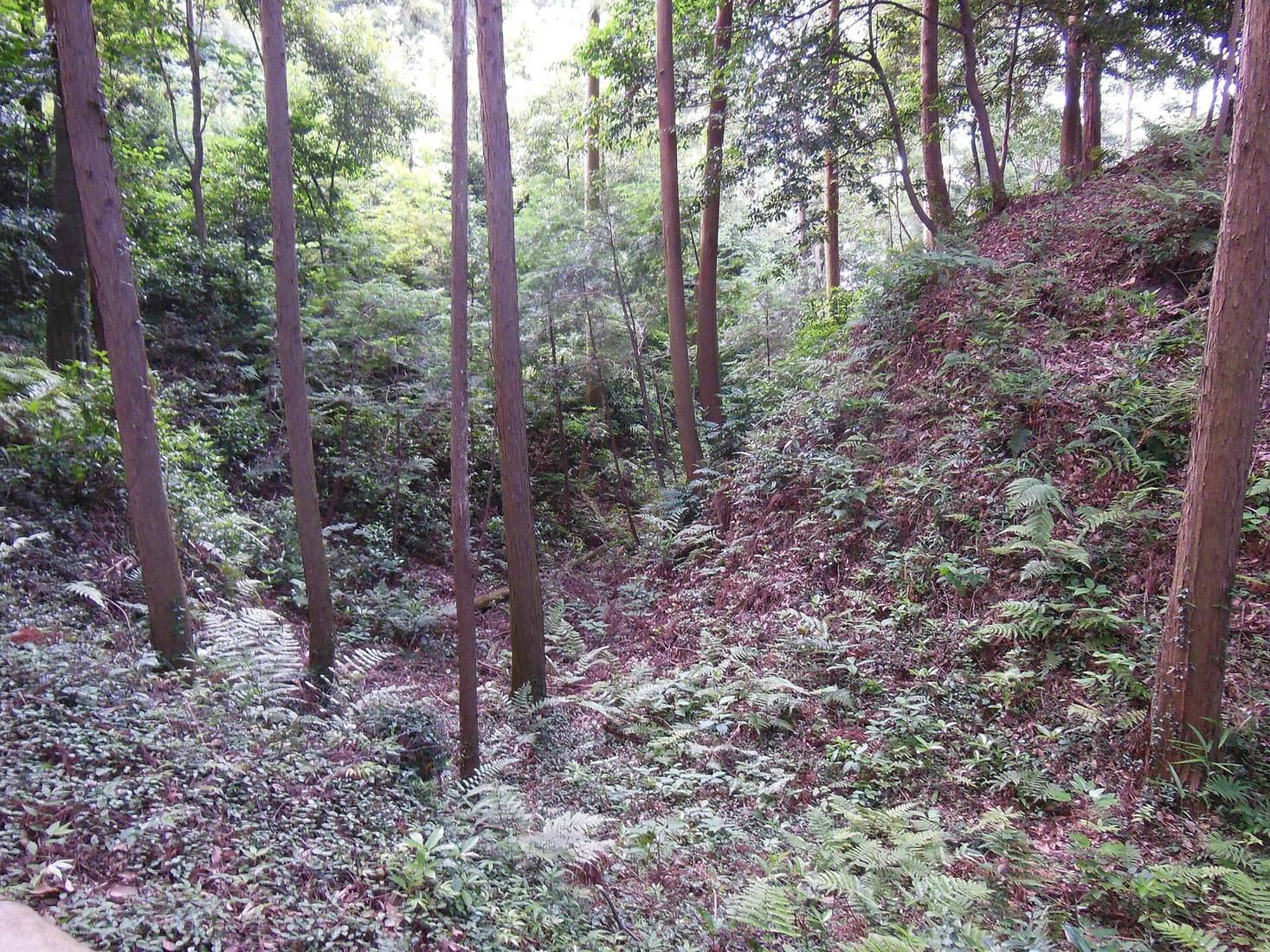
The castle’s enclosures and residences formed a straight, linked sequence: the main, second, and third enclosures, additional enclosures, and samurai residences. Ravines on either side served as natural moats.
Surviving features and site condition
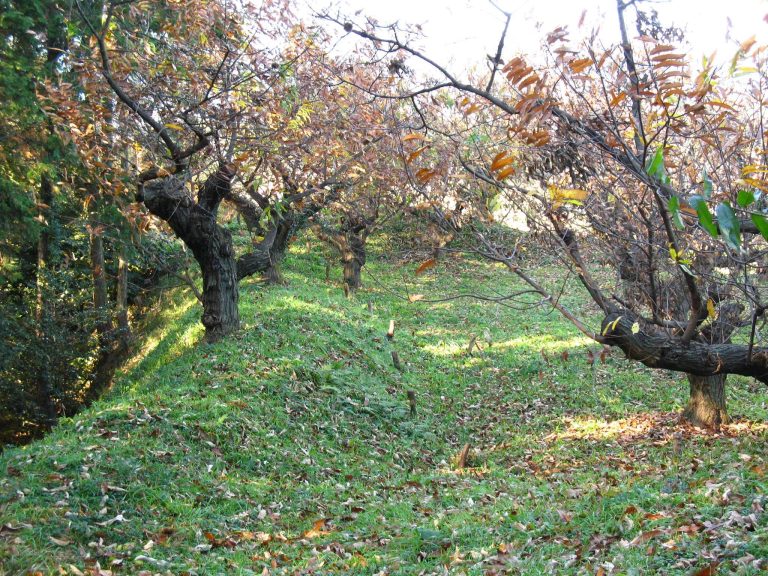
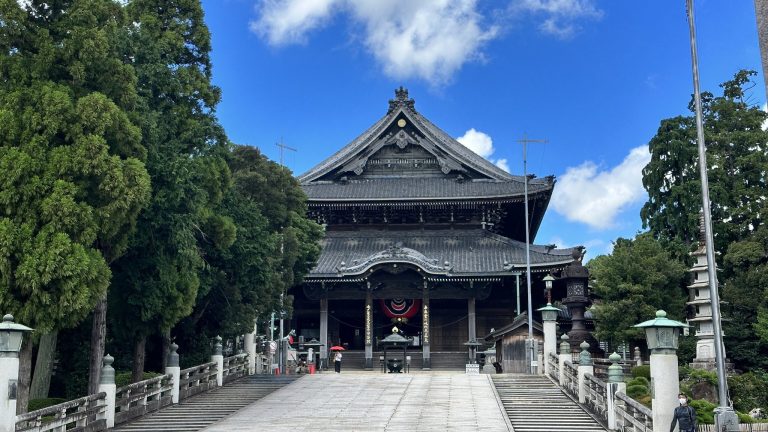
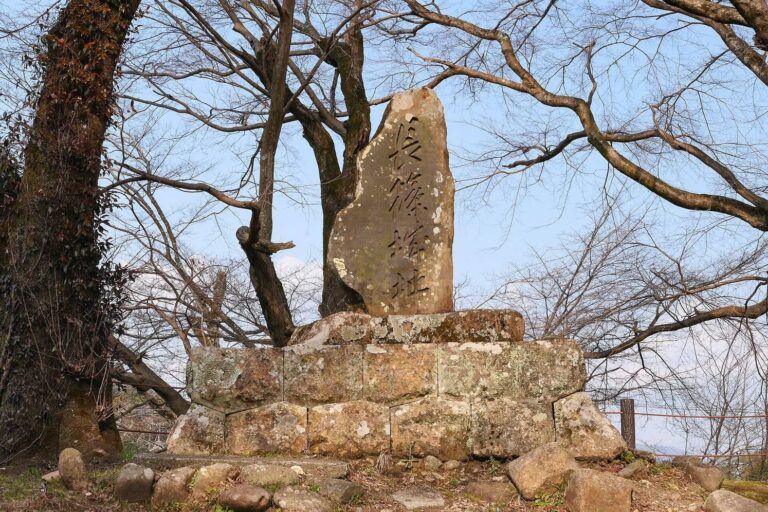
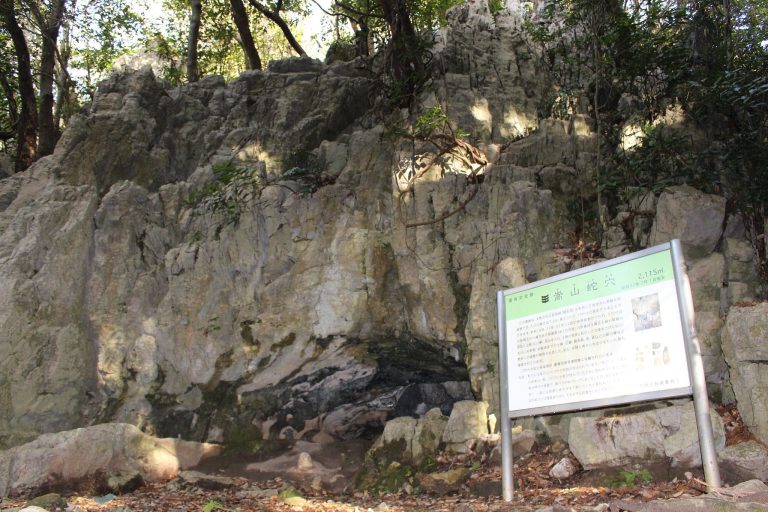
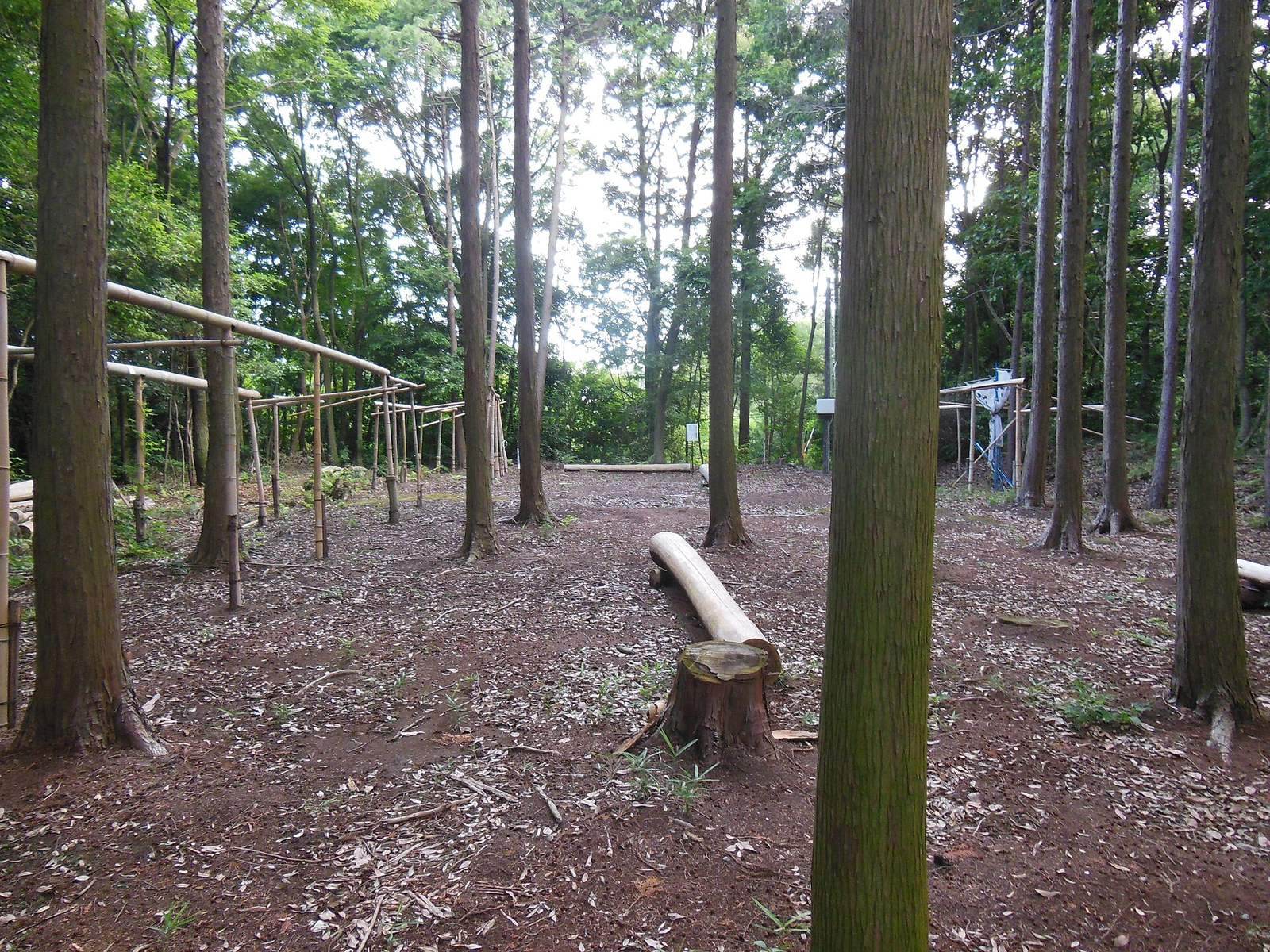
Earthen ramparts, dry moats, and a well remain at the site, which is now overgrown with trees and brush. A stone marker and information board identify the castle site. The gate formerly at the main enclosure was moved in 1719 and reused as the gate of a nearby temple. Filling a valley that includes the site’s northern slope with construction spoil has affected the area.