Nagashino Castle: A Japanese Stronghold and Site of the 1575 Siege
Site at a Glance
- Country
- Japan
- Primary era
- Early Modern
- Eras represented
- Early Modern
- Civilizations
- Tokugawa
- Site type
- Military
- Remains
- Castle
On this page10 sections
History
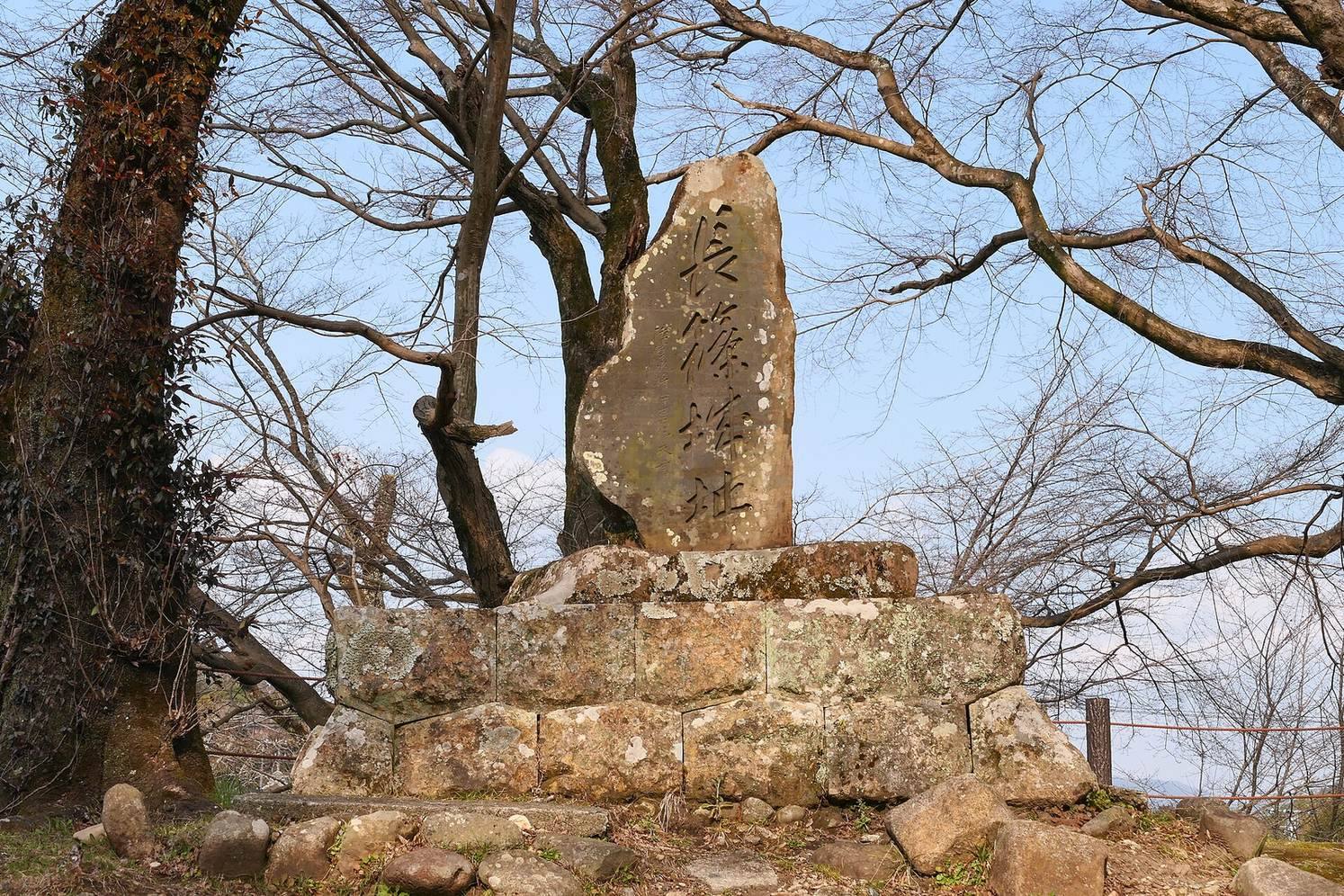
Nagashino Castle was a flatland-style Japanese castle in Japan, on a rocky rise where the Kansagawa, also called the Toyokawa, meets the Uregawa. Its construction is traditionally dated to 1508, when Imagawa Ujichika ordered his subordinate Suganuma Motonari to build it as a defense for the western approaches to Imagawa territory. The castle later became the focus of a major siege in 1575.
Founding and shifting allegiances
During the Muromachi period, when the Ashikaga shogunate ruled Japan, local warrior families including the Okudaira and Suganuma held power in the area. After the Imagawa were defeated at the Battle of Okehazama in 1560, the Suganuma family pledged allegiance to Tokugawa Ieyasu, later founder of the Tokugawa shogunate. They switched sides again when Takeda Shingen’s advances threatened northern Mikawa.
In 1571, a Takeda commander attacked Nagashino while it was allied with the Tokugawa. The castle held despite heavy losses on both sides. Under continued Takeda pressure, and after an envoy from the senior Suganuma branch urged submission, its lord Suganuma Sadamasa reluctantly yielded.
Tokugawa recovery and defense
Shingen’s illness brought the Takeda campaign westward to an end in 1573. The army withdrew, and Shingen died that year. Ieyasu retook Nagashino, and in August Sadamasa surrendered the castle and did not return. Ieyasu removed the Suganuma family and appointed Okudaira Nobumasa as castle commander, while reinforcing the defenses. Nobumasa had previously served the Takeda before defecting to Ieyasu. The Takeda had killed his wife and brother, whom they had held hostage to deter his change of allegiance.
The 1575 siege and abandonment
On June 29, 1575, Takeda Katsuyori, Shingen’s son and successor, attacked with 15,000 troops and besieged the castle’s garrison of 500. The defenders sent a messenger to Ieyasu, who joined Oda Nobunaga in bringing a combined force of 38,000 to relieve them. The Takeda army eventually broke and retreated, losing many men, including eight of Shingen’s traditional Twenty-Four Generals, a grouping of his prominent retainers. The battle’s use of gunfire was regarded as a turning point in Japanese warrior warfare and the beginning of the Takeda clan’s decline.
Nagashino fell into disuse after the battle. In 1576, Nobumasa built Shinshiro Castle nearby, and Nagashino was abandoned. Ieyasu granted Nobumasa a large territory.
Later use and preservation
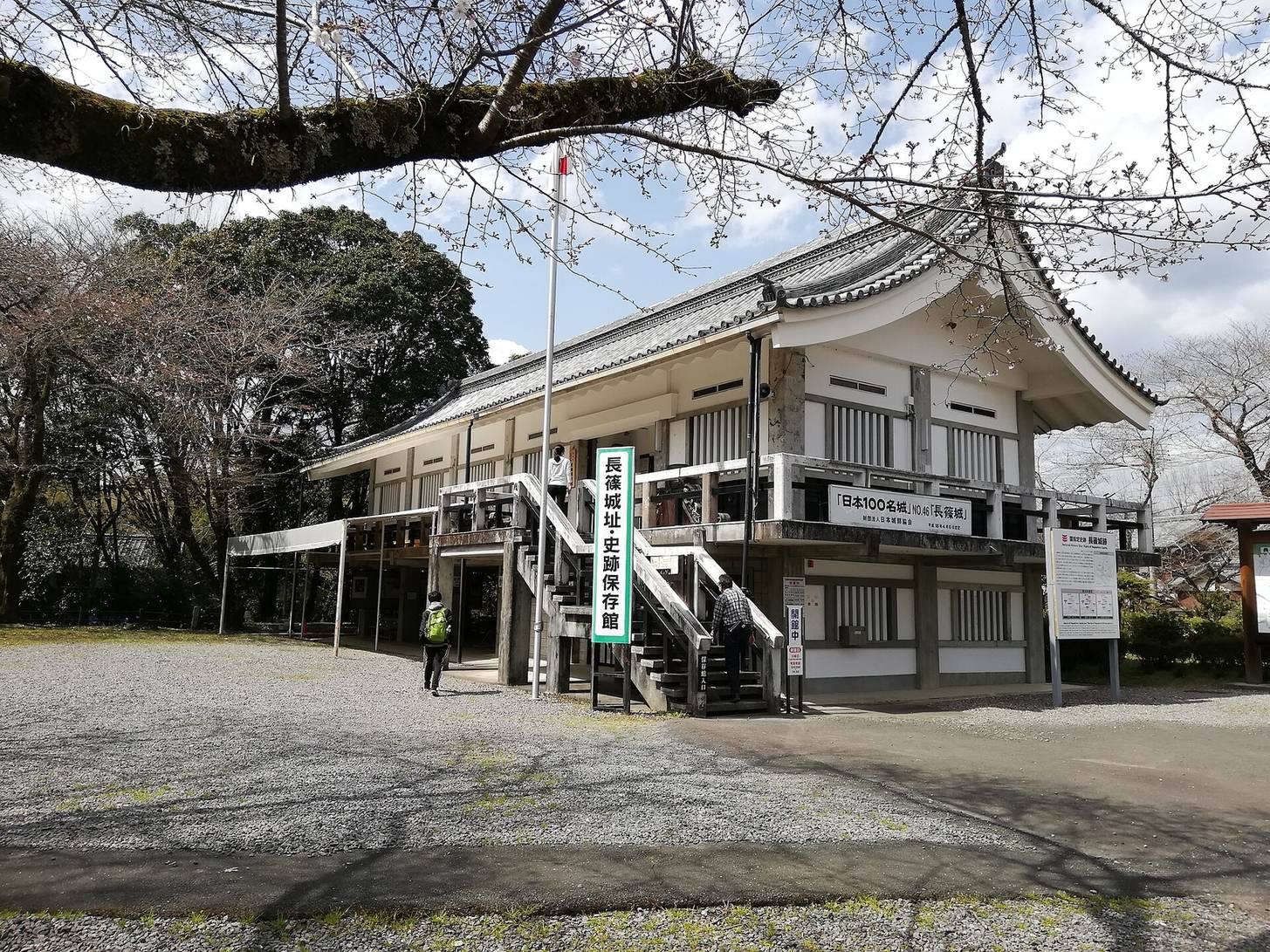
In 1698, a senior direct retainer of the shogun received the area through a reassignment of his lands. A local administrative headquarters occupied the castle’s second enclosure. In 1918, a Japanese prince visited with his wife and daughter, and they planted a pine. The ruins became a National Historic Site in 1929, the first former castle site in Japan to receive this designation.
Remains
Setting and defensive plan
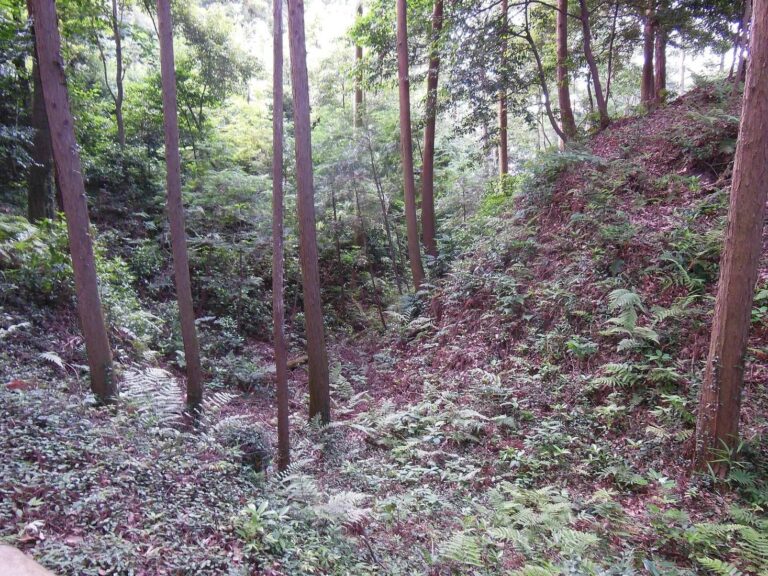
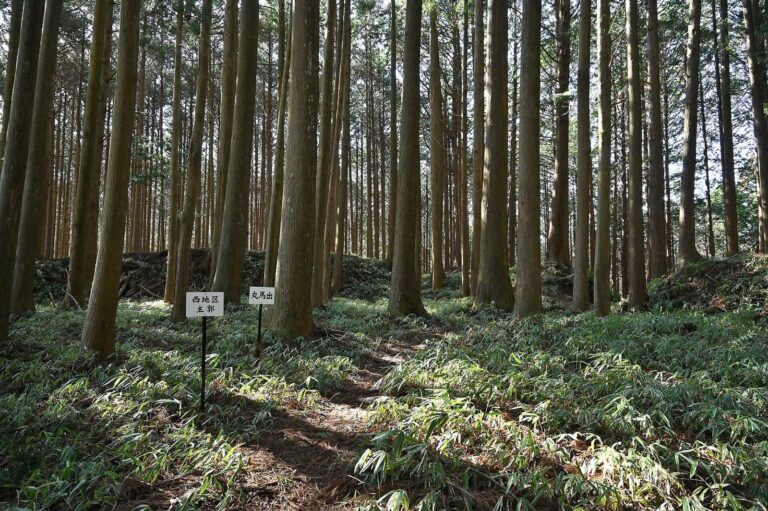
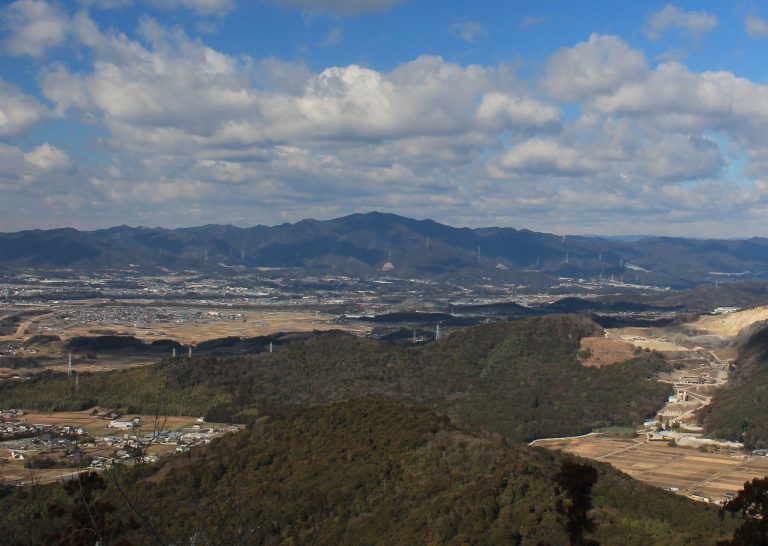
Nagashino’s flatland-style layout used a rocky rise at a change in terrain, where the Kansagawa and Uregawa rivers meet. Roads connecting eastern Mikawa with southern Shinano and Totomi with eastern Mino crossed the area, which also linked to river transport on the Toyokawa. The surviving layout includes a main enclosed area and a second enclosure. Earthworks and dry ditches, meaning defensive channels without water, protected the open, level approach, while cliffs and rivers defended the rear. Modern development now occupies much of the castle’s former ground.
Main enclosure
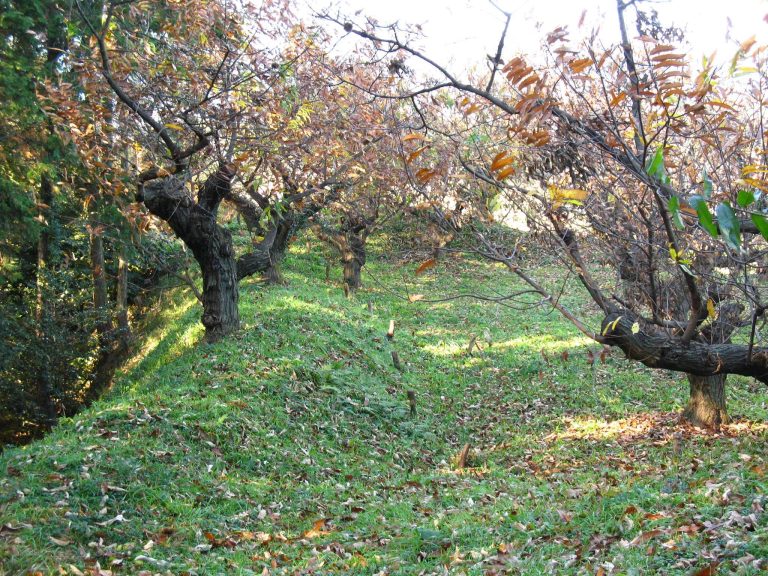
A substantial earthen defensive bank, about ten metres high, and broad dry ditches survive around the main enclosure. The large banks within it are thought to date from the castle’s expansion under the Tokugawa. In the northeastern part, the bank and ditch were arranged to let defenders strike approaching attackers from the side. Excavations between 1999 and 2006 found that earlier castle remains had been covered with levelled earth before the visible banks and entrances were built. A railway runs along the bank separating the main enclosure from the second one. Stonework and traces of a fortified entrance are also among the surviving remains.
Second enclosure and associated remains
The second enclosure contains a site identified as the location of a lookout tower, a well, and ground depressions interpreted as the remains of a stable. A stone marker identifies the former residence of a deputy-magistrate family.
Relocated gate
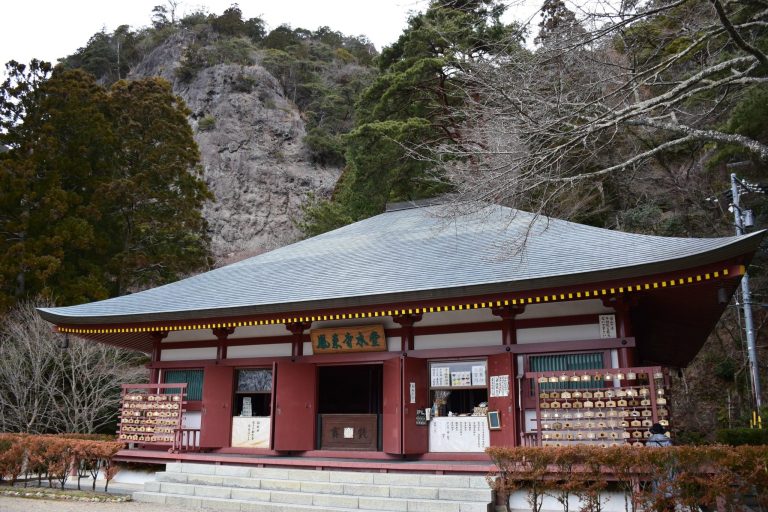
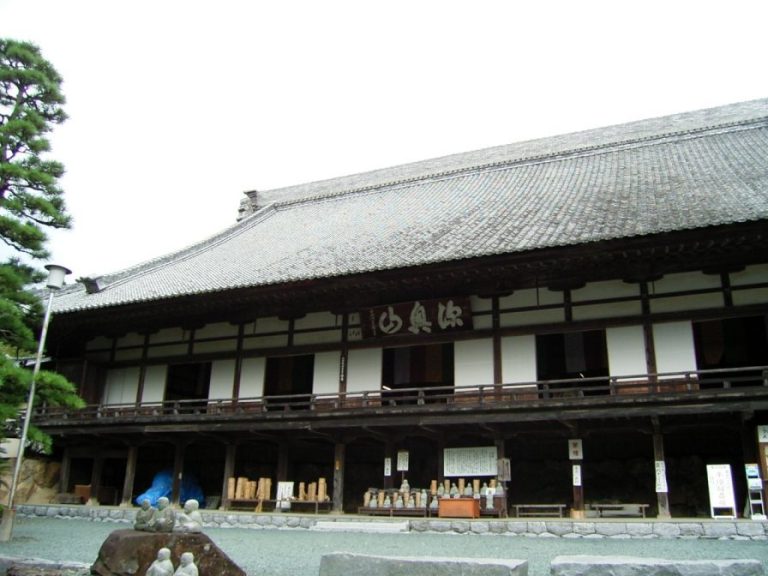
A gate believed to have served one of Nagashino Castle’s enclosures was moved first to Shinshiro Castle and later transferred to two temples in succession. It remains at a temple in Shinshiro.