Susenoja Cave: A Jomon-Period Archaeological Site in Japan


Site at a Glance
- Rating
- 4
- Popularity
- Low
- Country
- Japan
- Primary era
- Stone Age
- External website
- Open
- Eras represented
- Stone Age
- Civilizations
- Jomon
- Site type
- Domestic
On this page8 sections
History
Susenoja Cave is a Jomon-period archaeological site in Toyohashi, Japan, preserving evidence of hunter-gatherer occupation from the Initial to Early Jomon periods. The Jomon period was Japan’s prehistoric era, known for communities that made cord-marked and other impressed pottery. The cave occupies a natural rock shelter beside an ancient route across Honsaka Pass, which connected the areas later known as Mikawa and Totomi, historical provinces corresponding broadly to parts of present-day Aichi and Shizuoka prefectures.
Jomon occupation and local traditions
The route across Honsaka Pass is described as having existed since the Jomon period, placing Susenoja Cave within an early landscape of movement between the two regions. Traces around the cave entrance include what appears to have been a hearth, together with pottery, stone tools, bone and antler implements, and shells. These remains indicate repeated human use of the natural shelter during several phases of the Jomon period.
Many legends became associated with the cave. One tradition says that a tunnel connected it with Zenkoji in Nagano, a major Buddhist temple and pilgrimage destination. Other stories tell of buried gold guarded either by a giant snake or by supernatural warriors. These traditions form part of the later cultural associations surrounding the site.
Investigation and protection
Tetsujiro Oguri, an official involved in the investigation of historic sites, scenic places, and natural monuments for Aichi Prefecture, first examined Susenoja Cave in 1941. Four investigations had taken place by 1947. The site was designated a National Historic Site of Japan on July 1, 1957, a status recognizing its archaeological and cultural importance.
Remains
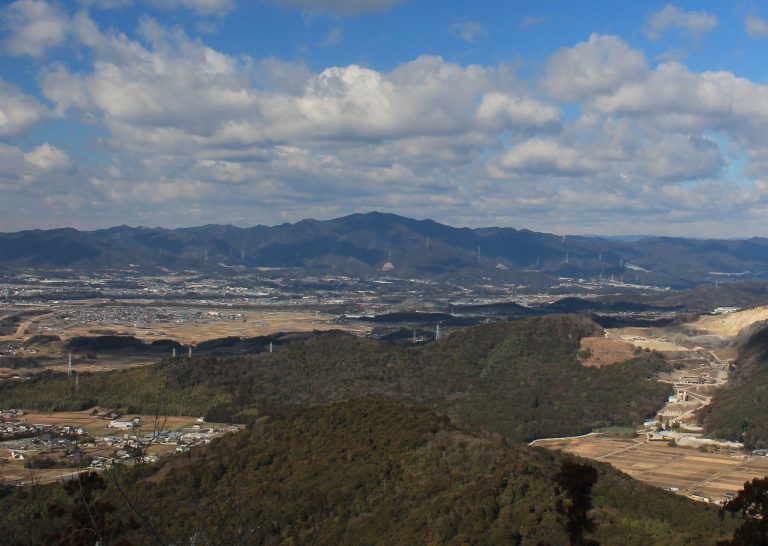
Susenoja Cave is a natural limestone cave on a mountainside at an elevation of approximately 140 meters in the Asamashita area of Susecho, Toyohashi. It lies near the trailhead from Mount Suse toward Honsaka Pass and about 300 meters from National Route 362. The entrance is approximately 1.3 meters high, and the cave extends about 70 meters into the hillside. It is also described as a cave roughly 50 meters deep.
Cave and occupation area
The main physical evidence of occupation is concentrated around the entrance, where the possible hearth occurs. The natural limestone shelter provided the setting for activities represented by stone, bone, antler, shell, and pottery remains. The surrounding mountain contains other caves, stalactite caves, and wind caves, forming a wider limestone landscape around Susenoja.
Pottery and tools
Excavated pottery includes Initial Jomon sherds with impressed designs and Early Jomon vessels with impressed-pattern decoration. Material from the Early, Middle, and Final Jomon periods also occurs at the site, showing use across a long span of prehistory. Some sherds were reworked into circular objects. Other finds include stone tools, bone and antler implements, and blades made from shells.
Animal and shell remains
Animal bones include wild boar, Japanese deer, and raccoon dog. Shell remains include hard clams and Japanese basket clams. Together, these finds identify animal and aquatic resources used by the cave’s inhabitants and add evidence about food gathering at the shelter.
Limestone setting and cave life
Susenoja Cave is the type locality for the rare Jaana flat ground beetle, Jujiroa ana. A type locality is the place from which a species was formally recorded or described. Limestone quarrying also takes place on the surrounding mountain slopes in Aichi, adding a modern industrial use to the landscape in which the archaeological cave survives.