Munktorp Church: A Swedish Parish Church with Medieval Origins
Site at a Glance
- Country
- Sweden
- Primary era
- Medieval
- Eras represented
- Medieval, Early Modern
- Civilizations
- Swedish
- Site type
- Religious
- Remains
- Church
On this page13 sections
History
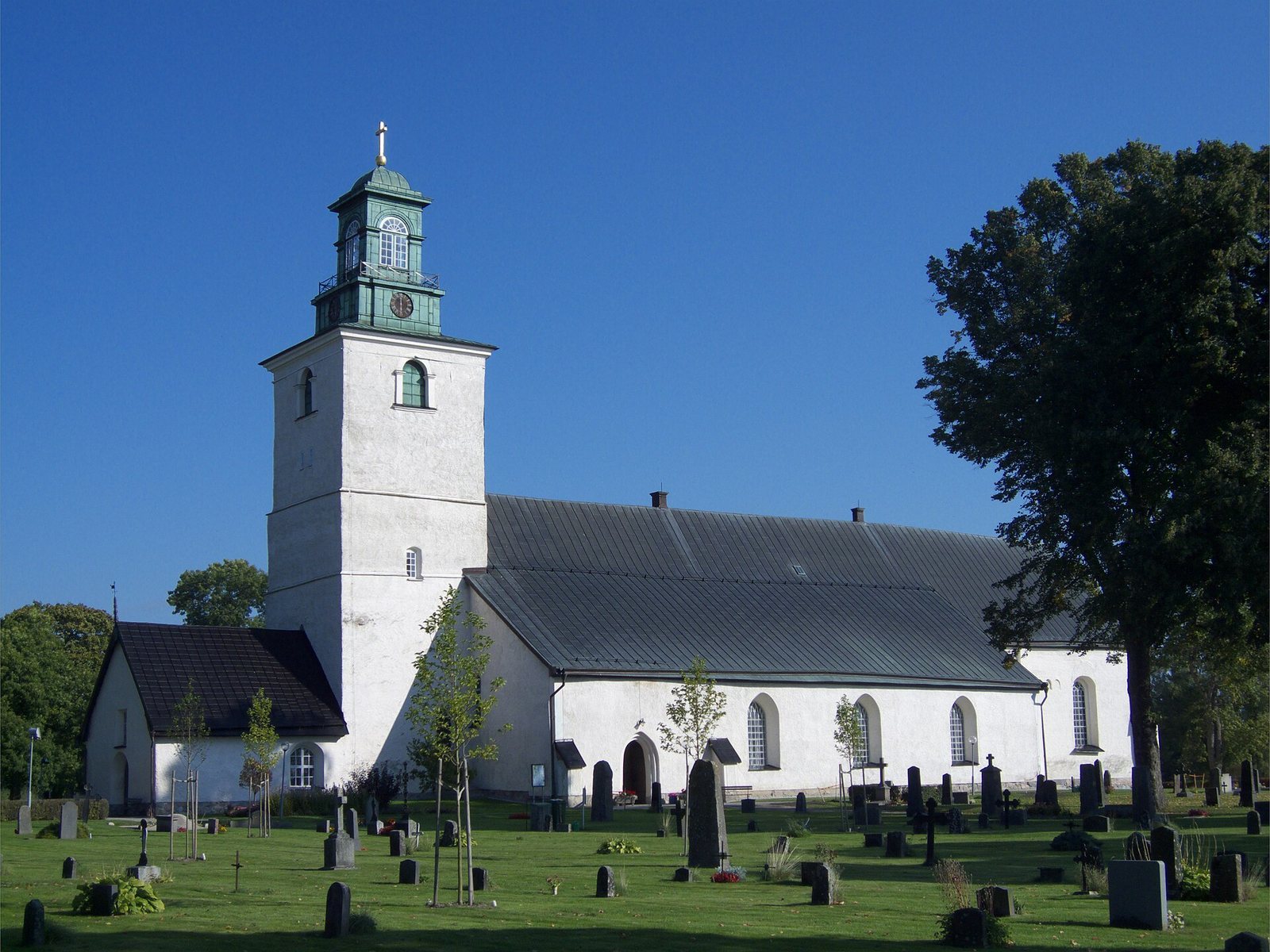
Munktorp Church, in Köping, Sweden, is the parish church of Köpingsbygdens parish, a local congregation in the Diocese of Västerås, the regional administration of the Lutheran Church of Sweden. Its earliest structure, known as David’s Church, is traditionally dated to about 1055 and attributed to the English abbot David, a monastery leader who was called the Apostle of Västmanland for his missionary work. David died in 1082.
David’s Church and medieval growth
The monks remained at Munktorp, which became an ecclesiastical center for Västmanland. Local tradition connects David with baptisms at St David’s spring near the church. It also holds that his remains were placed in a shrine buried inside the church. In the 15th century, his relics were transferred to Västerås Cathedral.
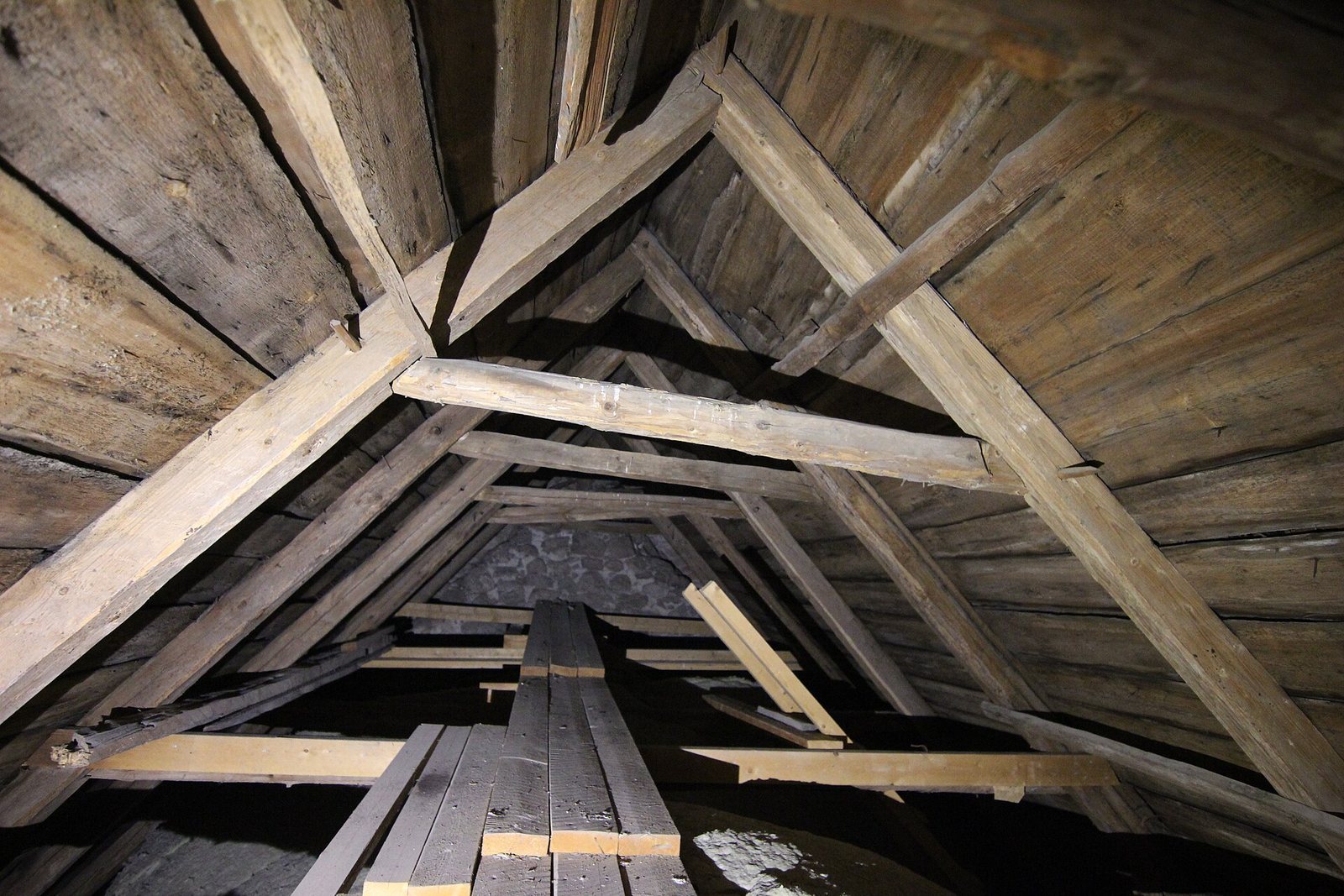
The early building’s form is interpreted in more than one way. David’s Church is usually understood as a church, while another interpretation sees it as a vestibule in front of the main church entrance. An inspection of the attic did not resolve the question. The church was enlarged over time: a single-aisled nave was added west of the tower in the 13th century, and side aisles followed in the 16th century, creating a three-aisled church.
Later changes and church music
For practical reasons, the interior was reoriented in 1986, placing the altar of David’s Church toward the west. The church’s organs also changed over the centuries. An organ at the church could no longer be played by 1634; in 1656, Frans Bohl of Stockholm built a nine-stop instrument, with stops controlling the sounds available. A temporary organ made in Munktorp served during the 1850s. In 1859, Per Åkerman and Erik Adolf Setterquist of Strängnäs built an organ with 20 stops, two hand-operated keyboards, and a foot-operated keyboard.
The current organ was built in 1944 by A Magnussons Orgelbyggeri AB of Gothenburg. A mechanical organ made by J Künkels Orgelverkstad AB of Lund followed in 1970, and the same firm added an independent pedal to it in 1987.
Remains
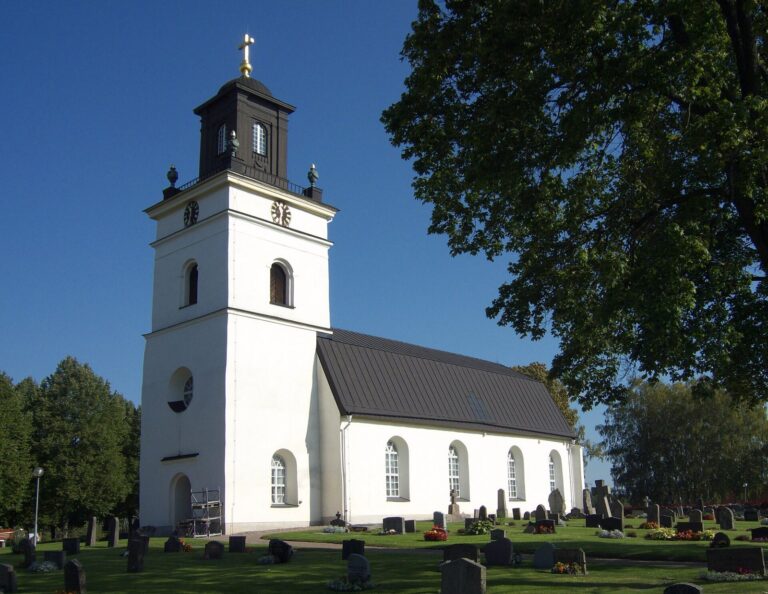
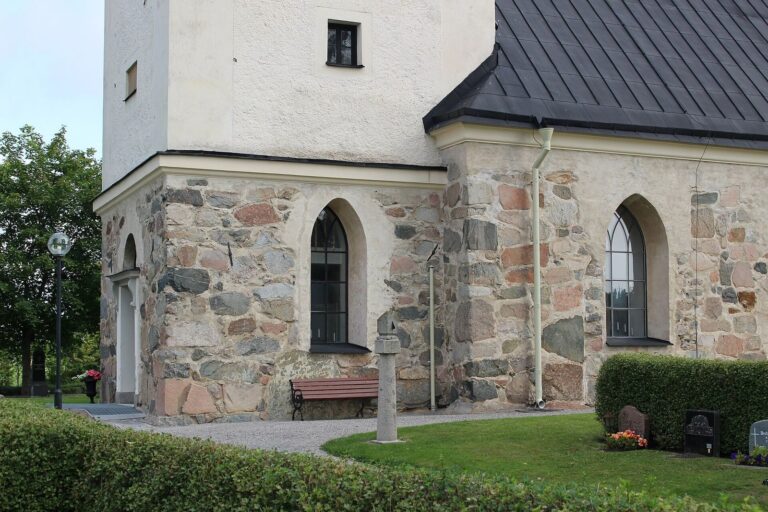
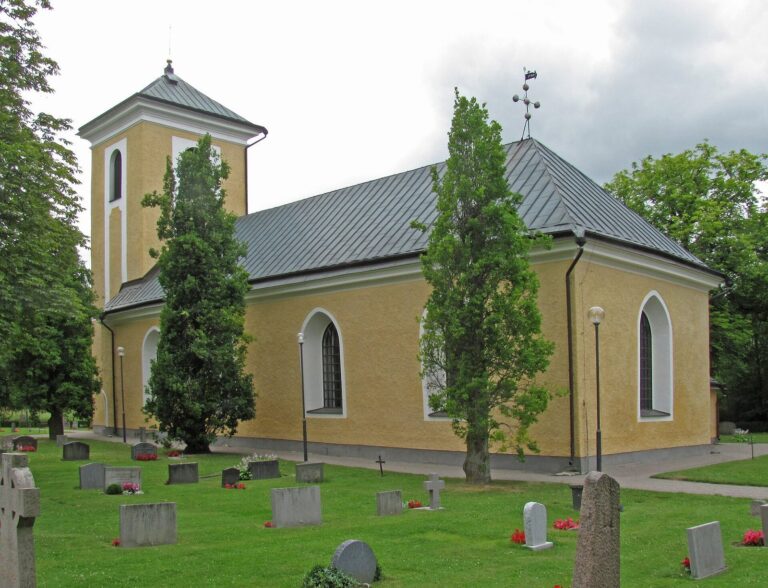
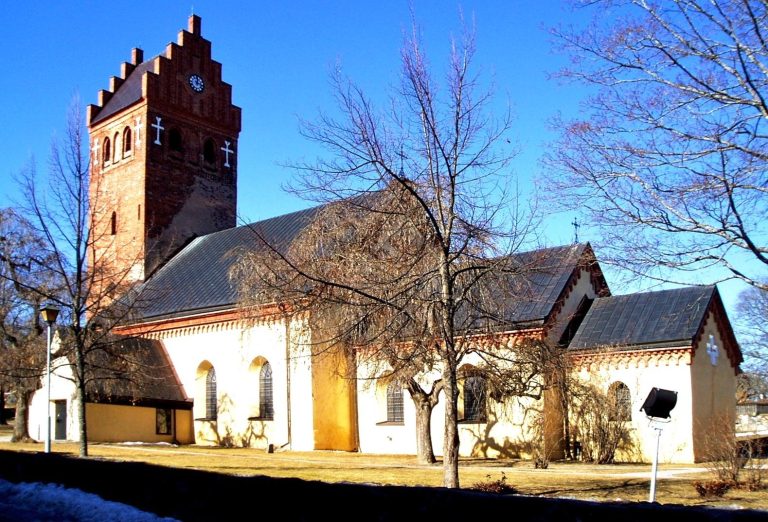
The church is a joined complex with a three-aisled plan and a full length of 70 metres. Its original church and later extensions form the larger building, while the tower and roof preserve features associated with different phases of construction.
Church structure
David’s Church and the enlarged plan
David’s Church began with a small nave and a tower at the eastern end, above the chancel, the area around the altar. The resulting building includes a nave extending west of the tower and side aisles, giving the church its three-aisled form.
Tower and roof
The tower is unusually large in relation to the original nave and was probably heightened later. A lantern, a small structure crowning a tower, now tops it. Older roof trusses survive in a heightened form and may belong to the 16th-century enlargement. The roof frame above David’s Church has been rebuilt, with its parts rearranged; its oldest components are thought to date from the late medieval period, possibly the 16th century.
Furnishings and organs
Medieval furnishings
The church possesses a 15th-century communion vessel, and a 15th-century altarpiece is located in the south aisle. A bronze baptismal font was made in Lübeck around 1360. The door between the porch and the church interior also dates from the 15th century.
Organs
The church’s pneumatic-action organ transmits key movement to the pipes using air. It has free and fixed combinations of stops, automatic pedal change, and a mechanism that gradually increases the sound. The other organ has mechanical action, in which a physical mechanism links the keys to the pipes.
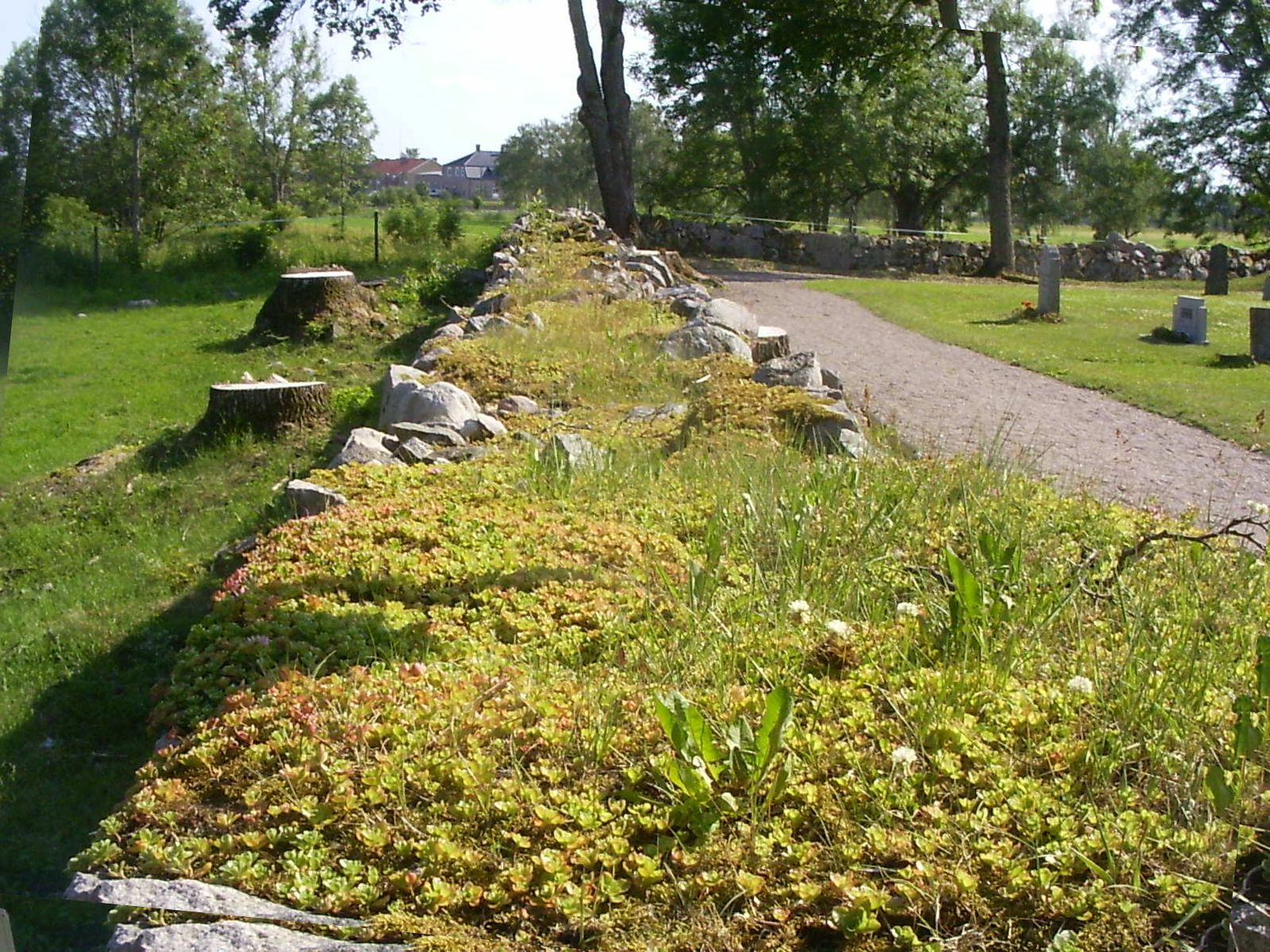
Churchyard surroundings
St David’s spring
St David’s spring lies near the church and is associated with the tradition of David’s baptisms.
Avenue to the station village
A straight avenue runs south from the churchyard toward the railway and Munktorp station village. The avenue is now overgrown. The station village developed during the final two decades of the 19th century.