Mizuki Kofun: A Sixth-Century Burial Mound in Nara
Site at a Glance
- Popularity
- Very Low
- Country
- Japan
- Primary era
- Medieval
- Eras represented
- Medieval
- Civilizations
- Yamato
- Site type
- Burial
- Remains
- Burial Mound
On this page4 sections
History
Mizuki Kofun is a burial mound in northeastern Nara, Japan, dating to around the second half of the sixth century. It belongs to the later Kofun period, an era of Japanese history associated with large burial mounds. The site is regarded as a prominent burial mound in eastern Nara City.
The mound came to light in 1977, when pottery was uncovered during water-pipe installation. A full excavation followed in 1999 as part of farmland consolidation. The Archaeological Institute of Kashihara, Nara Prefecture, carried out the investigation, and its report appeared in 2001.
Remains
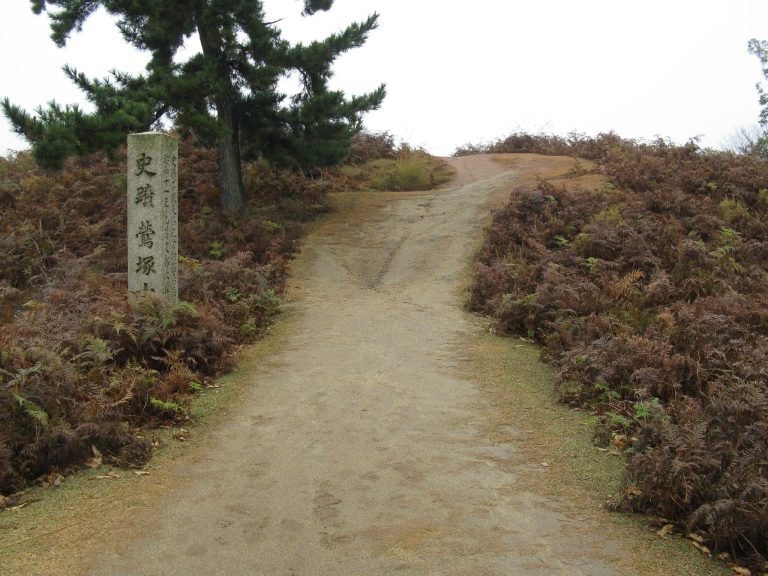
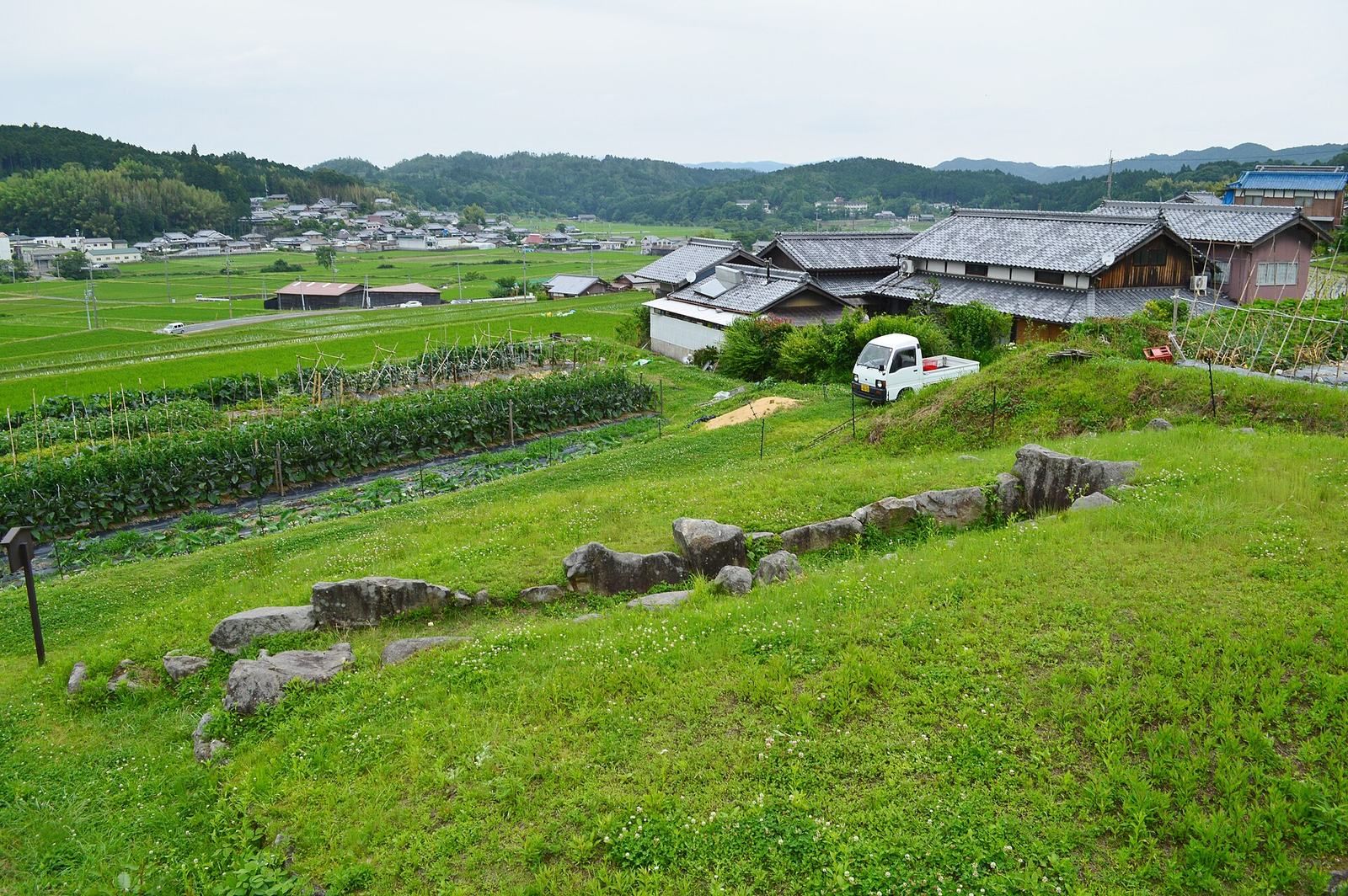
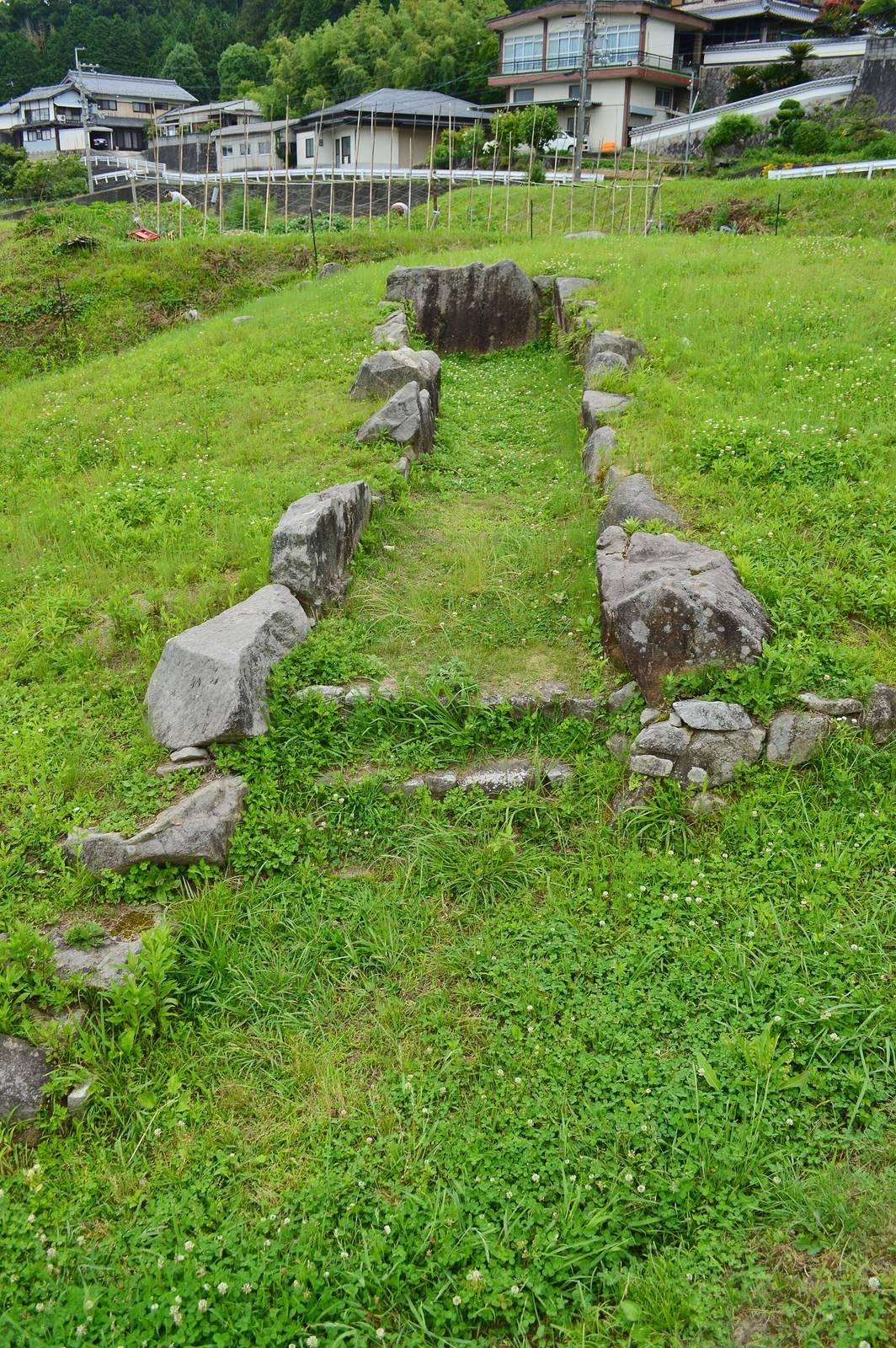
Mizuki Kofun stands on elevated ground southeast of the Ōyagyū Basin, from where the basin can be seen. The solitary, circular mound measures 13 to 16 metres across and is enclosed by a revetment of granite stones. Its upper portion and stone chamber have been levelled down.
Stone chamber
The burial chamber opens west and is reached through a passage from outside. Its main space extends on both sides of the passage, a layout known as the bilateral type. Flat pebbles pave the floor, and two coffins may have been placed in the main chamber.
Finds and possible postholes
Objects from the chamber include a sword, iron arrowheads, horse trappings, and pottery. The pottery includes Sue ware, a typically gray, high-fired stoneware, and Haji ware, generally unglazed earthenware. The objects were no longer in their original positions when examined; a large Sue ware jar and a Sue ware cup were found at the chamber entrance. Three small pits on the mound’s east side may be postholes. One interpretation is that wooden posts there served as a yorishiro, an object or place believed to attract a deity, for the deceased, who was thought to become a deity. Comparable post remains at a burial mound in Sakurai and an ancient chronicle’s reference to a large post on an imperial tomb’s outer embankment have been cited as parallels.