Menkemaborg: A Historic Castle in the Netherlands
Visitor Information
Google Rating: 4.5
Popularity: Medium
Official Website: www.menkemaborg.nl
Country: Netherlands
Civilization: Early Modern
Site type: Domestic
Remains: Palace
History
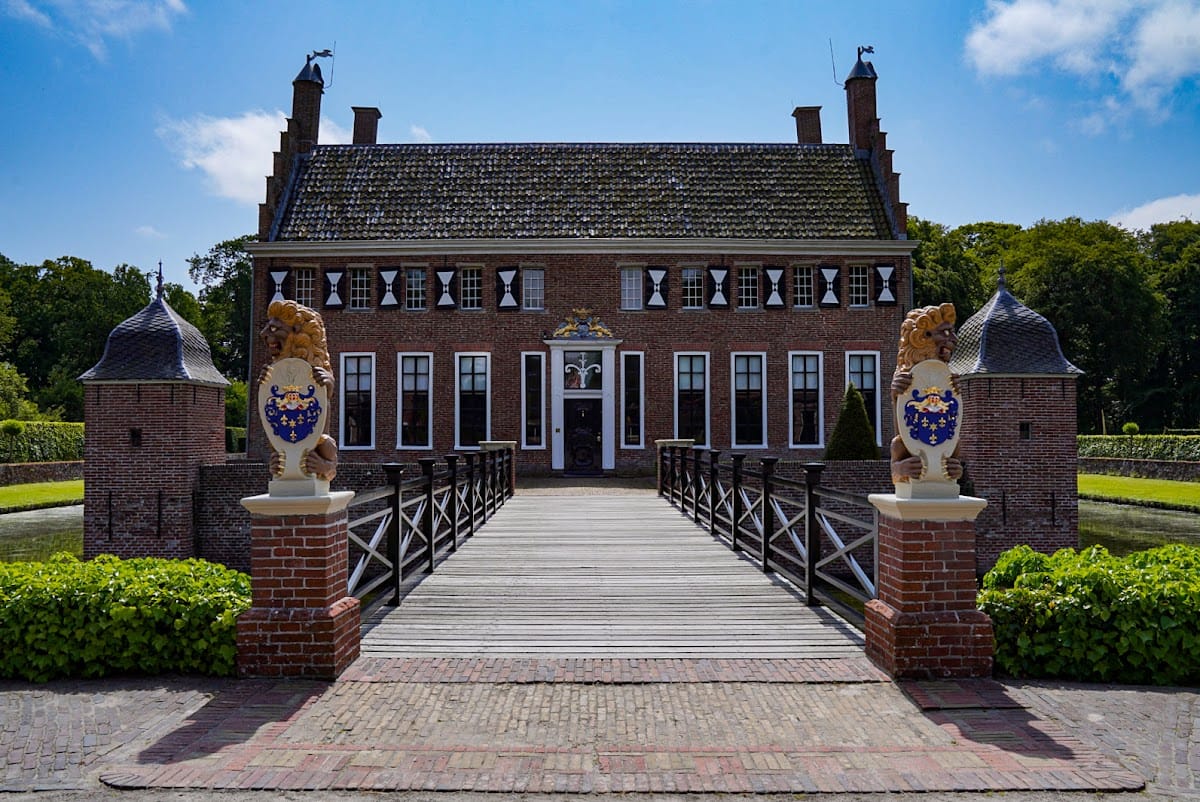
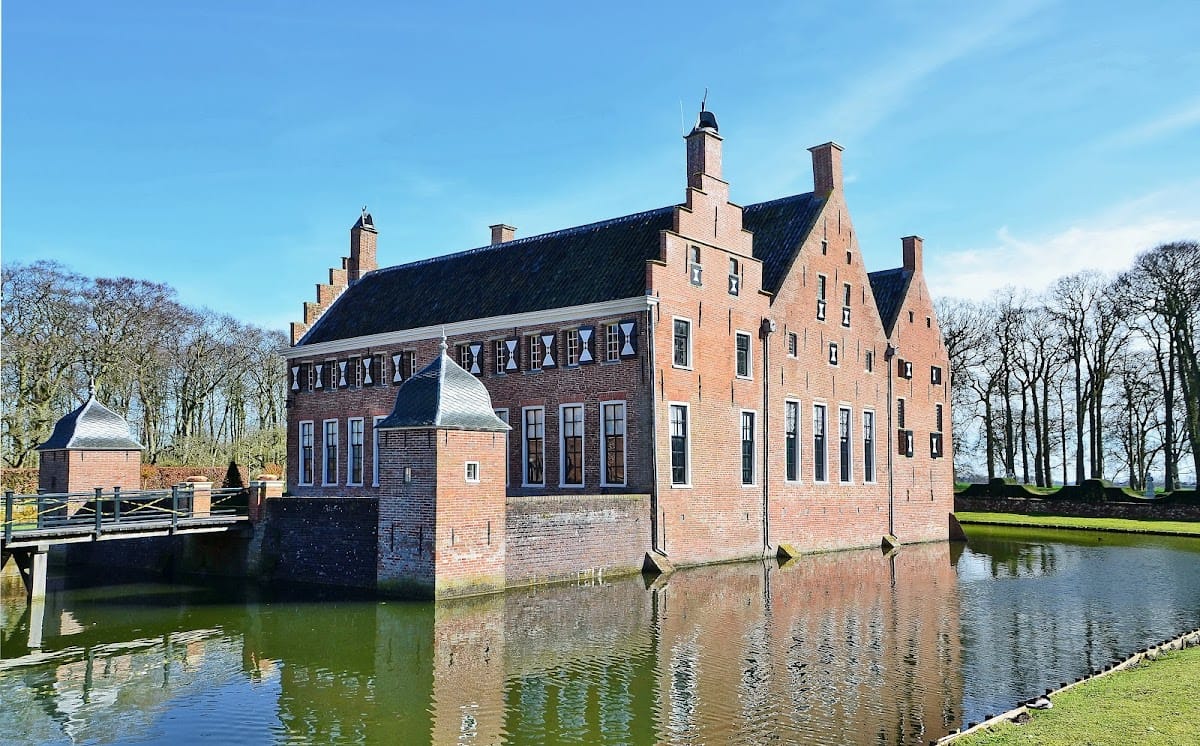
The Menkemaborg is a historic castle situated in the municipality of Eemsmond, in the Netherlands. It was originally constructed by the Menkema family during the medieval period, with its earliest known lord, Eppo Menkema, recorded in 1376 as the ruler of Uithuizen.
The initial structure likely consisted of a quadrangular stone tower, serving as a fortified residence. Around the year 1400, this original building was destroyed, leaving the site in ruins for over two centuries. In 1614, Osebrand Clant undertook the rebuilding of the borg, as commemorated by an inscription on the northeastern wing that notes the house’s ruin and subsequent restoration by divine grace.
Following the reconstruction, the Clant family expanded the building from its rectangular form into an L-shaped layout, adding a stair tower and enhancing its residential function. In 1682, ownership transferred to Mello Alberda, marking the beginning of more than two hundred years of Alberda family stewardship. Around 1700, Unico Alberda commissioned significant renovations, likely designed by the Groningen city architect Allert Meijer, which further shaped the castle’s appearance and interior.
The Alberda family maintained residence at the Menkemaborg until 1902, when Gerhard Alberda van Menkema, a provincial noble and politician born and deceased at the borg, passed away without heirs. The property then passed to the children of Alberda’s sister, who sold it to the Groninger Museum in 1921. Restoration efforts took place in the 1920s, after which the Menkemaborg was opened to the public as a museum.
Throughout its history, the Menkemaborg has stood as one of the northernmost castles in the Netherlands and remains one of only sixteen surviving borgs in the Groningen province. Its long lineage of noble ownership and careful preservation reflect its importance in the region’s cultural heritage.
Remains
The Menkemaborg presents a well-preserved example of a northern Dutch borg, originally built as a quadrangular stone tower and later expanded into a rectangular building before being remodeled into an L-shaped residence. The northeastern wing bears a 1614 inscription that documents the rebuilding after the destruction around 1400, providing a direct link to its early modern restoration.
Inside, the castle retains original kitchen and cellar utensils, alongside rooms furnished with porcelain and silverware dating from the 17th and 18th centuries. The Grote Zaal, or Great Hall, houses a notable 18th-century cabinet organ built in 1777 by Jan Jacob Vool and Hermanus Adolfus Groet. This instrument, restored in 2010-2011, was originally crafted for a wealthy family in Nieuwolda and later used in a church in Zijldijk before being donated to the Groninger Museum in 1935.
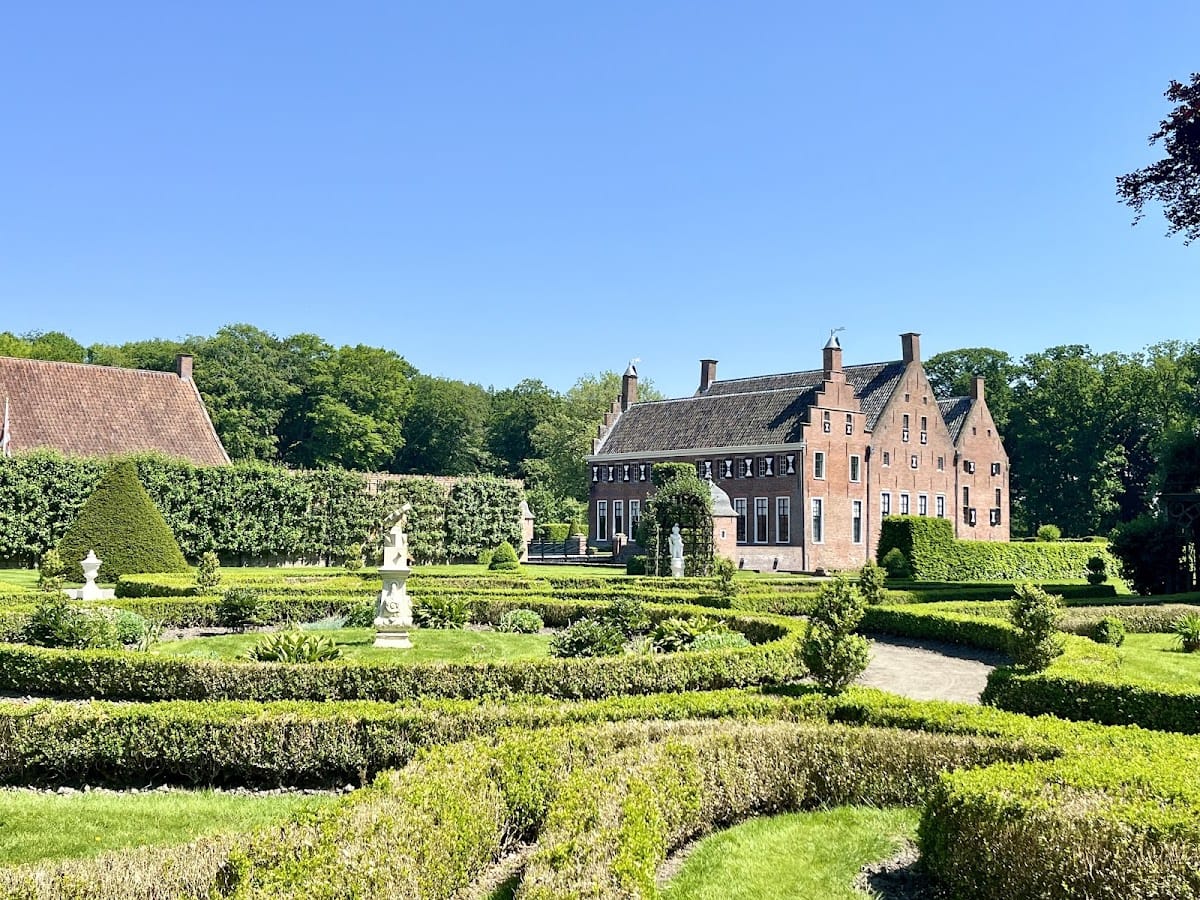
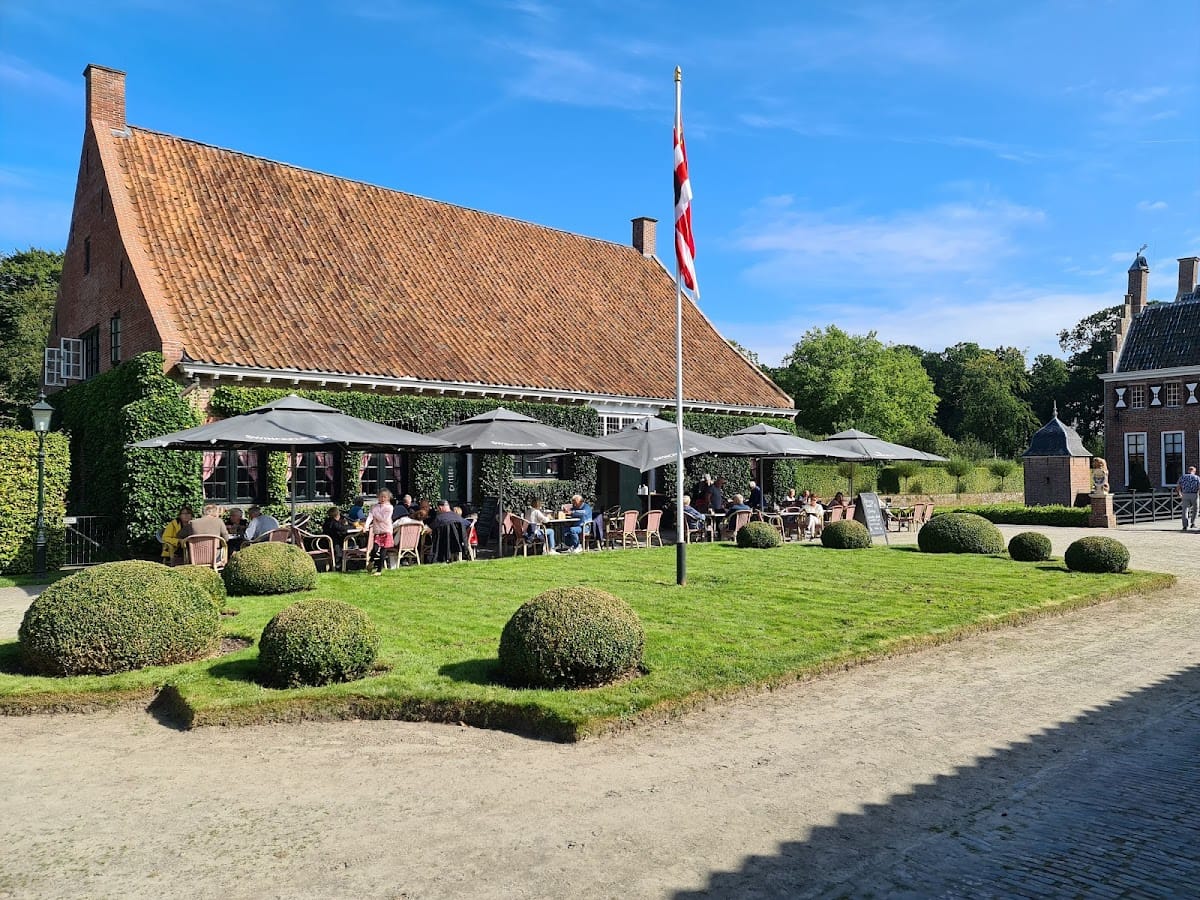
Surrounding the borg are gardens restored to reflect an 18th-century Dutch style, featuring tulips planted during the 17th and 18th centuries. The grounds include one of the few original labyrinths in the Netherlands, a fruit orchard with historic apple and pear varieties, and a kitchen garden cultivated according to recipes from an 18th-century family cookbook. The former “Schathuis,” once used for storing garden produce, has been converted into a café and restaurant, while a tea house and replicas of 18th-century statues add to the historic atmosphere. A sundial dated 1722 is also present on the grounds.
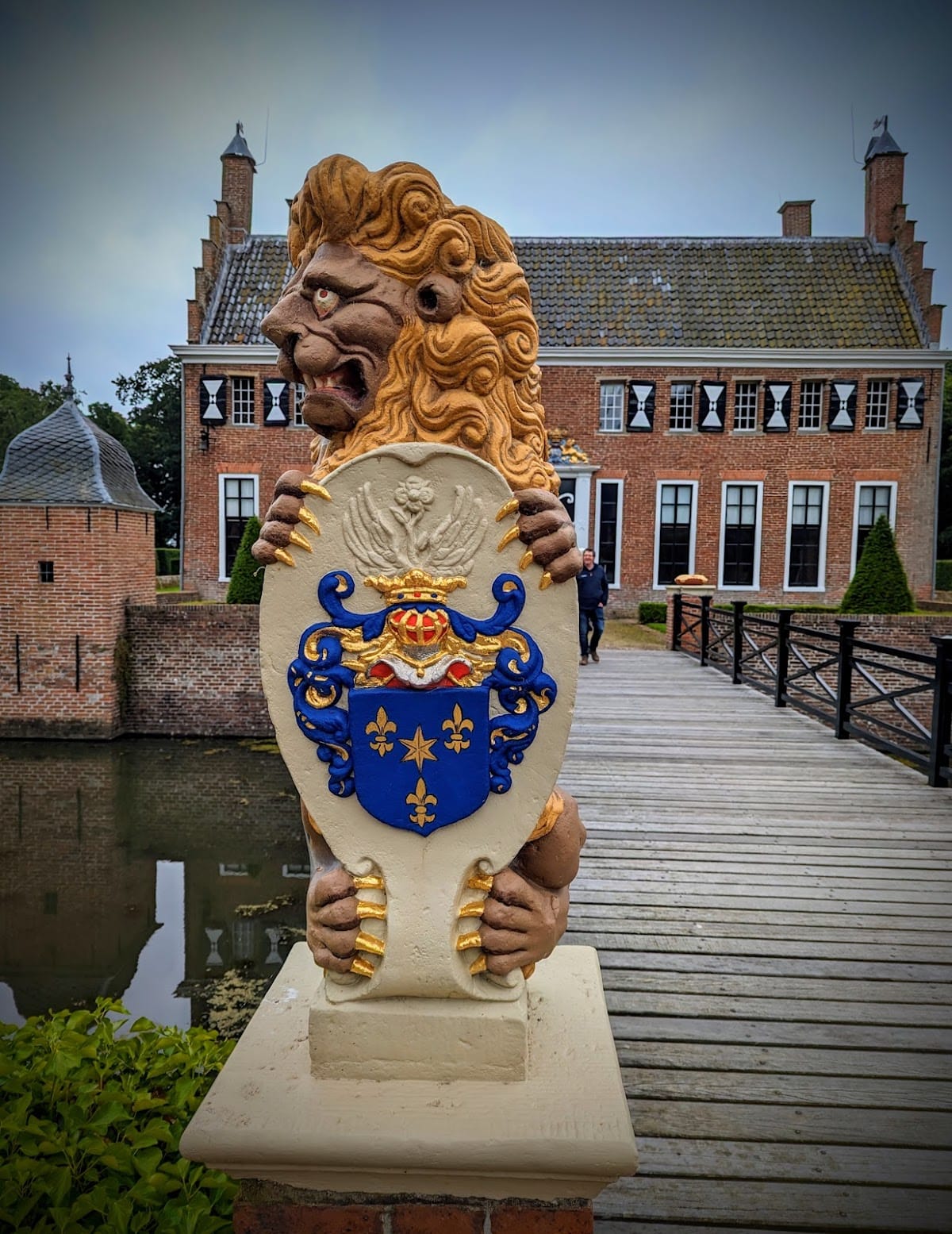
Additionally, the entrance gates and posts from the demolished Dijksterhuis borg near Pieterburen were relocated to the Menkemaborg site after 1902, integrating elements of regional heritage into the estate. The castle’s careful restoration in the early 20th century has preserved these features, allowing the Menkemaborg to stand as a significant monument to the noble life and architectural traditions of Groningen’s past.
Nearby sites