Medingen Abbey: A Women’s Convent Near Bad Bevensen
Site at a Glance
- Popularity
- Medium
- Country
- Germany
- Primary era
- Early Modern
- Eras represented
- Medieval, Early Modern
- Civilizations
- Holy Roman Empire
- Site type
- Religious
- Remains
- Monastery
On this page11 sections
History
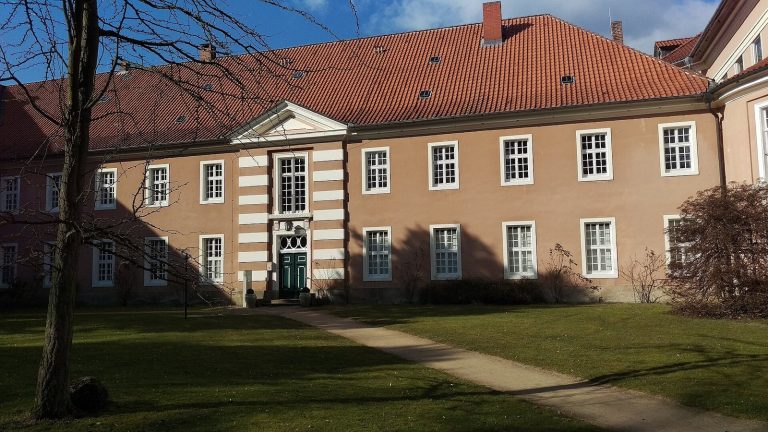
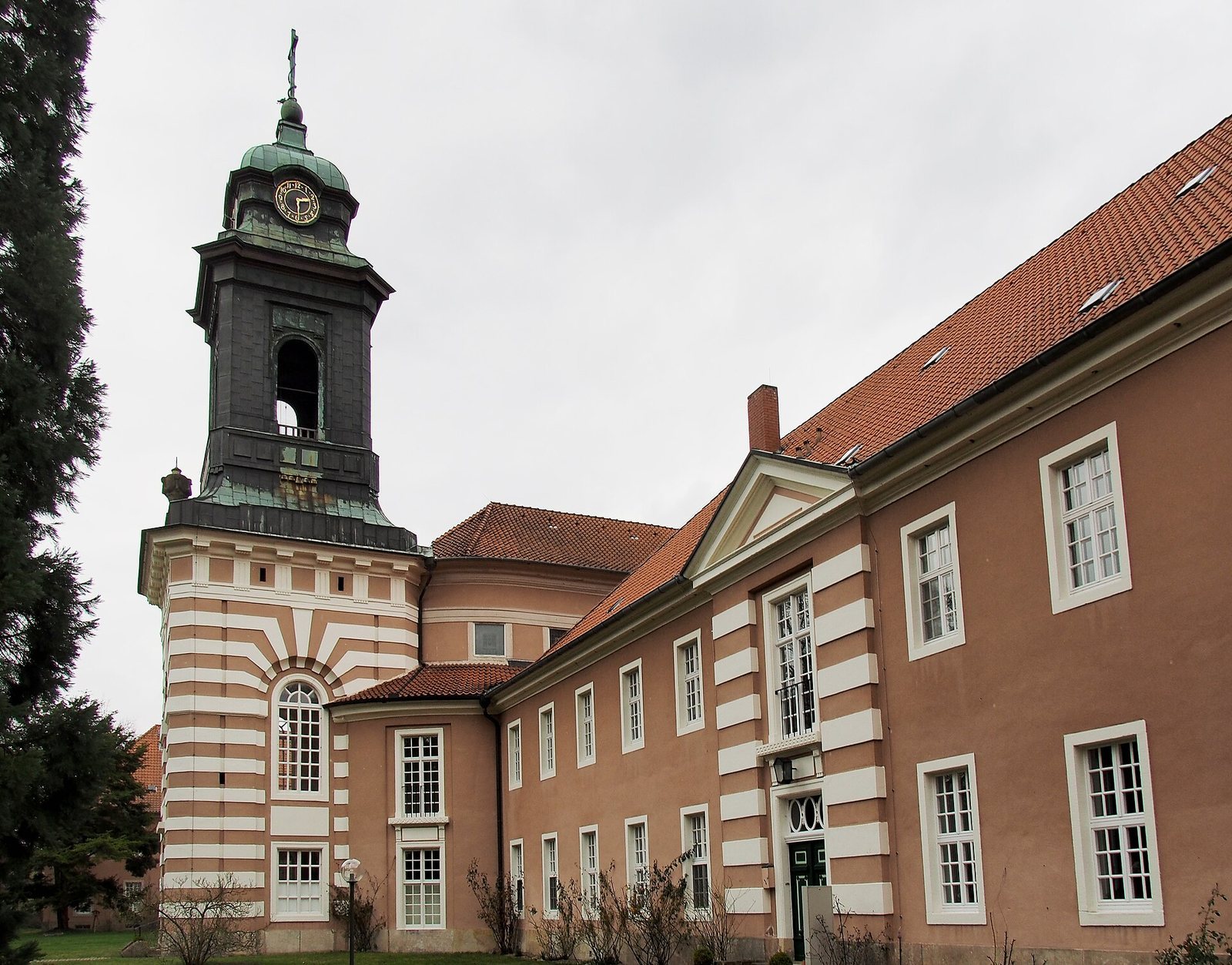
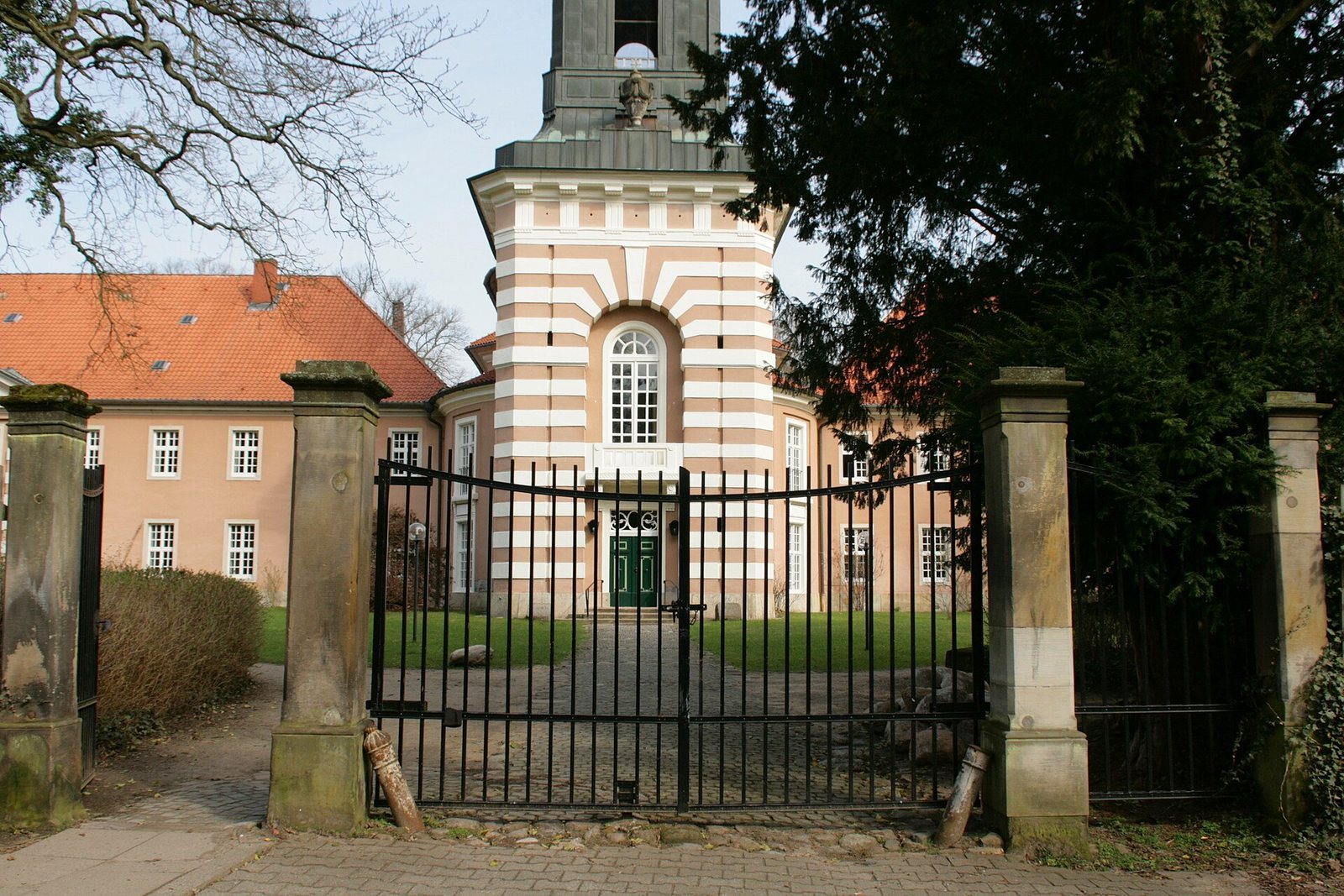
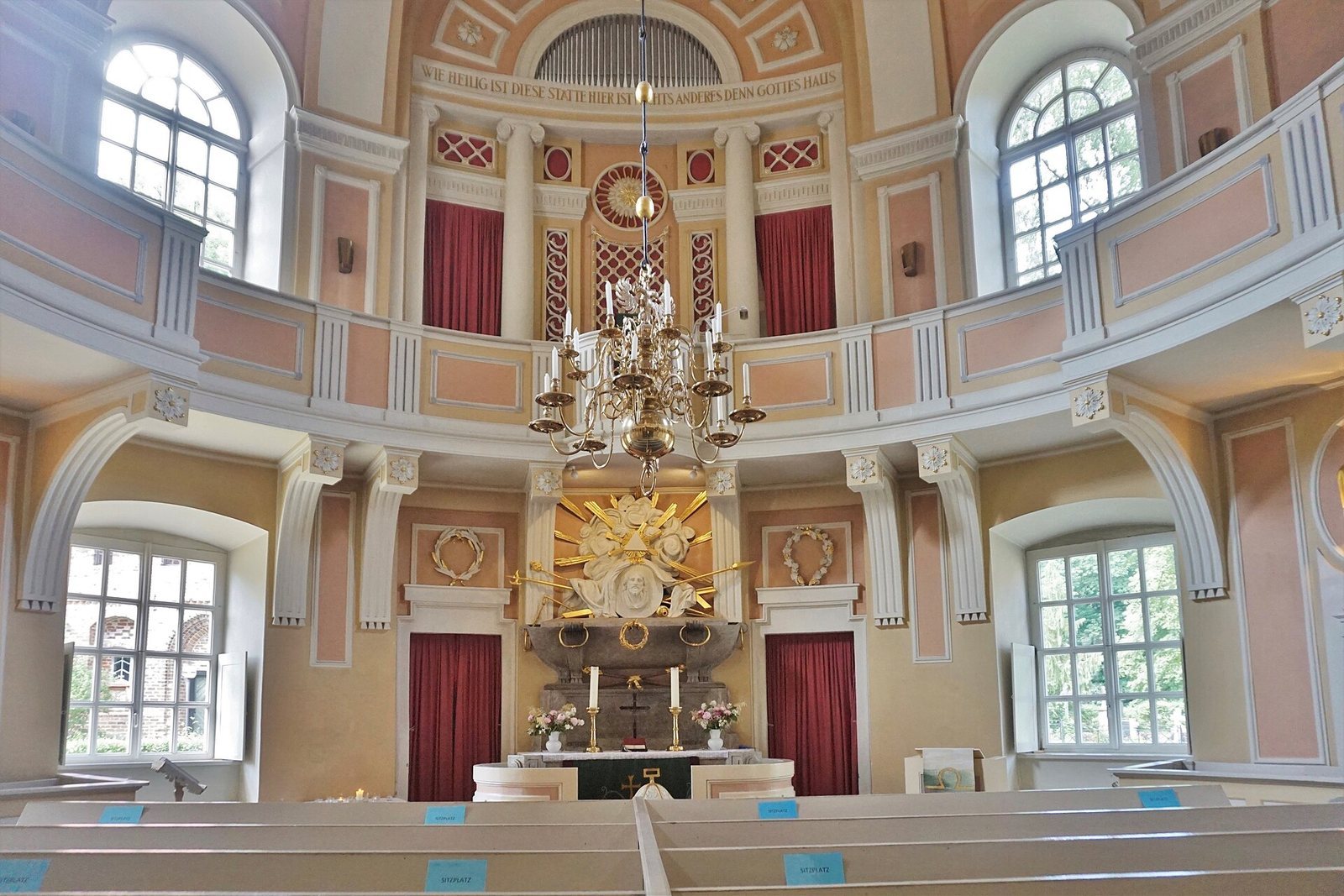
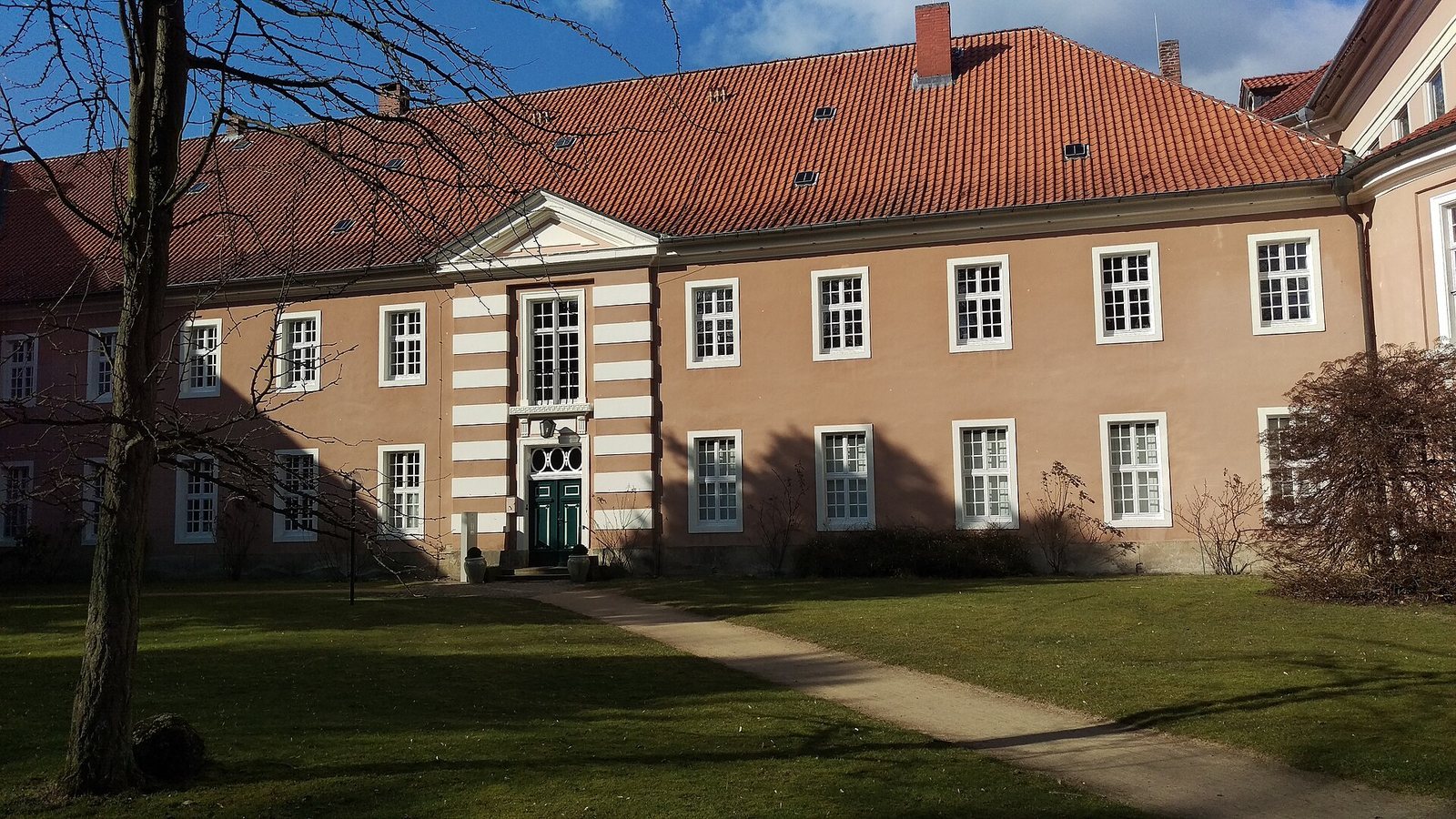
Medingen Abbey is an active convent for women near Bad Bevensen, Germany. The community began as a Cistercian nunnery, belonging to a Catholic order centered on disciplined communal religious life, and its foundation tradition dates its origins to 1228. It is now Evangelical Lutheran and supervised by the Monastic Chamber of Hanover, a public body that administers monastic properties in Lower Saxony. The convent’s present buildings reflect an early Neoclassical rebuilding.
Early foundations and relocation
According to the foundation tradition, lay brother Johannes said that divine guidance had led him to seek a new convent. Four nuns who had joined him at Magdeburg took part in establishing the community at Restorf am Höhbeck. It later moved to Plate near Lüchow, Bohndorf, and Altenmedingen, where its first buildings were consecrated on 24 August 1241.
A military road ran through the convent yard, leaving the community vulnerable to attack or fire. The nuns eventually moved to Zellensen, now Medingen, where their new church was consecrated on 24 August 1336.
Reform and religious conflict
Reforms influenced by the devotio moderna, a late-medieval movement emphasizing personal devotion and religious discipline, began in 1479. At a time when observance of the Cistercian rule had weakened in many convents, Medingen restored it. The reform also addressed convent life in which nuns could keep personal possessions and remain in contact with relatives. Prioress Margarete Puffen became abbess in 1494.
An attempt to introduce the Reformation, the sixteenth-century movement that led to Protestant churches, met strong resistance at Medingen in 1524. The nuns concealed their confessor in the attic and publicly burned a Lutheran Bible. The convent came close to being dissolved.
Protestant rule and convent life
In 1541, the Uelzen Landtag, an assembly of territorial estates, decided to protect the economic position of Medingen and five nearby convents. The measure also served noble families seeking livelihoods and education for unmarried daughters. The following year, the convent’s goods and income were confiscated, and the nuns were forbidden to contact their families. Abbess Margareta von Stöterogge refused to surrender the remaining property to Celle and spent two years in Hildesheim with the convent archive and valuables. Her brother, Nikolaus von Stöterogge, eventually persuaded her to accept communion in both kinds, receiving bread and wine.
Medingen became Protestant in 1554, after which the territorial ruler set its convent rules. The women could marry, but those who did had to leave. In 1605, the nuns exchanged the traditional Cistercian habit for clothing prescribed by the convent order Duke William had introduced in 1574. The Thirty Years’ War affected both the convent and the surrounding area. Elector George Louis, later George I of Great Britain, introduced a new convent order in 1706.
Following the reforms, the convent’s manuscript workshop became a major focus. Hymns written down by Medingen’s nuns remain in Catholic and Protestant hymnals. The German Protestant hymnal Evangelisches Gesangbuch includes “Gelobet seist du, Jesu Christ” (EG 23), “Wir wollen alle fröhlich sein” (EG 100), and “Gott sei gelobet und gebenedeiet” (EG 214). Music historian Walther Lipphardt incorrectly assigned these hymns to the fourteenth century.
Fire and rebuilding
A fire in January 1781 destroyed most of the convent buildings, while the archive and valuable possessions were saved. The ruins were cleared in 1782, and the convent was rebuilt. The replacement buildings were consecrated on 24 August 1788.
Remains
Buildings and older fabric
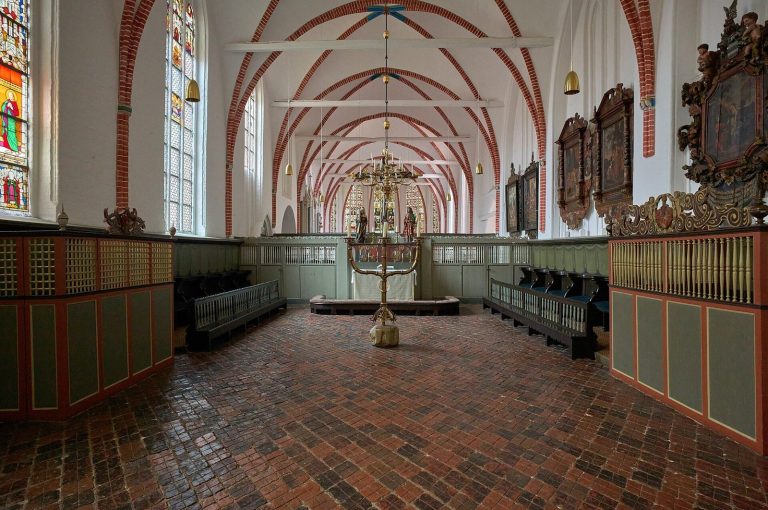
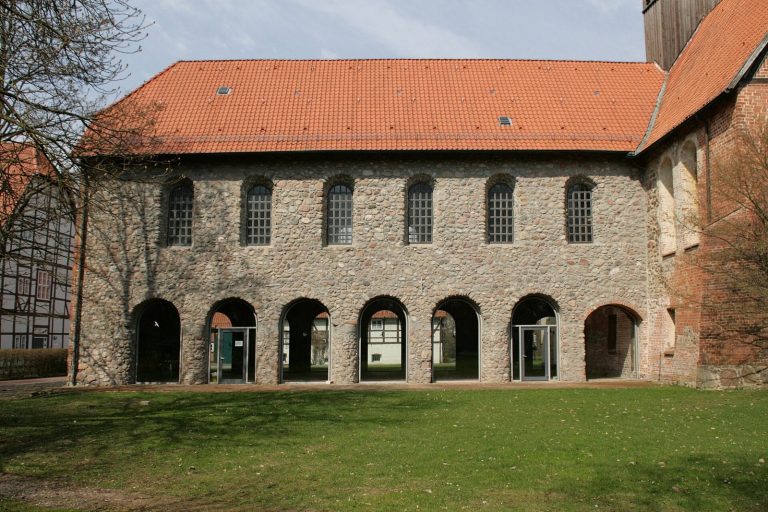
The surviving convent includes buildings in the early Neoclassical style alongside older fabric. Its brewery, built in 1397, remains visible and preserves evidence of the convent’s earlier Brick Gothic character.
Manuscripts
Forty-four medieval manuscripts produced at Medingen survive in collections around the world. Many are attributed to the convent’s sixteenth-century nuns. These decorated compilations bring together Latin liturgical texts with prayers and songs in Low German, and were important to the nuns and noblewomen of the surrounding area.
Historical objects
Painted history panels
A cycle of 15 painted wooden panels depicted the convent’s history from its foundation to the election of Abbess Margarete Puffen. The panels were destroyed in the 1781 fire; a reproduction appears in Johann Ludolf Lyßman’s 1772 historical work.
Abbesses’ crosier
The abbesses’ crosier, a ceremonial staff associated with an abbess’s office, dates to 1494 and was among the valuables rescued from the fire.