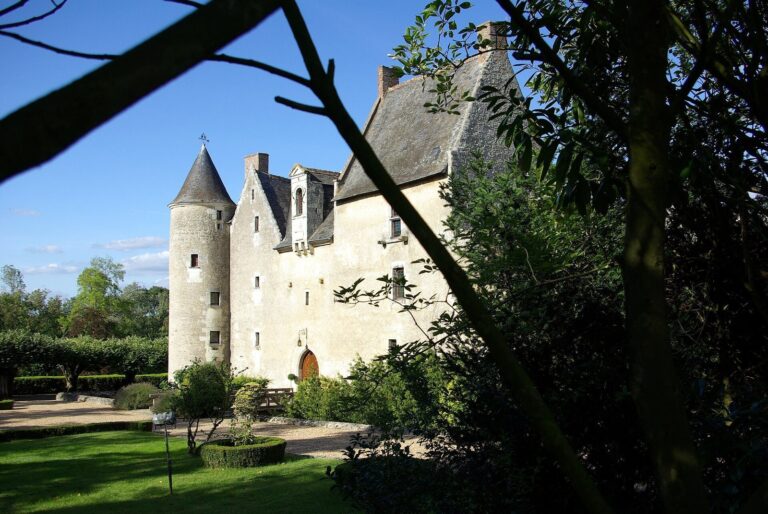
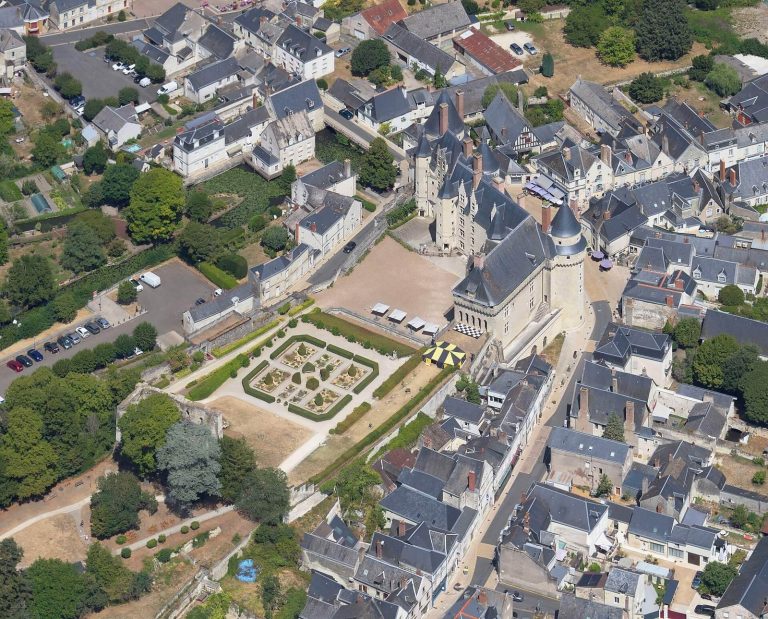
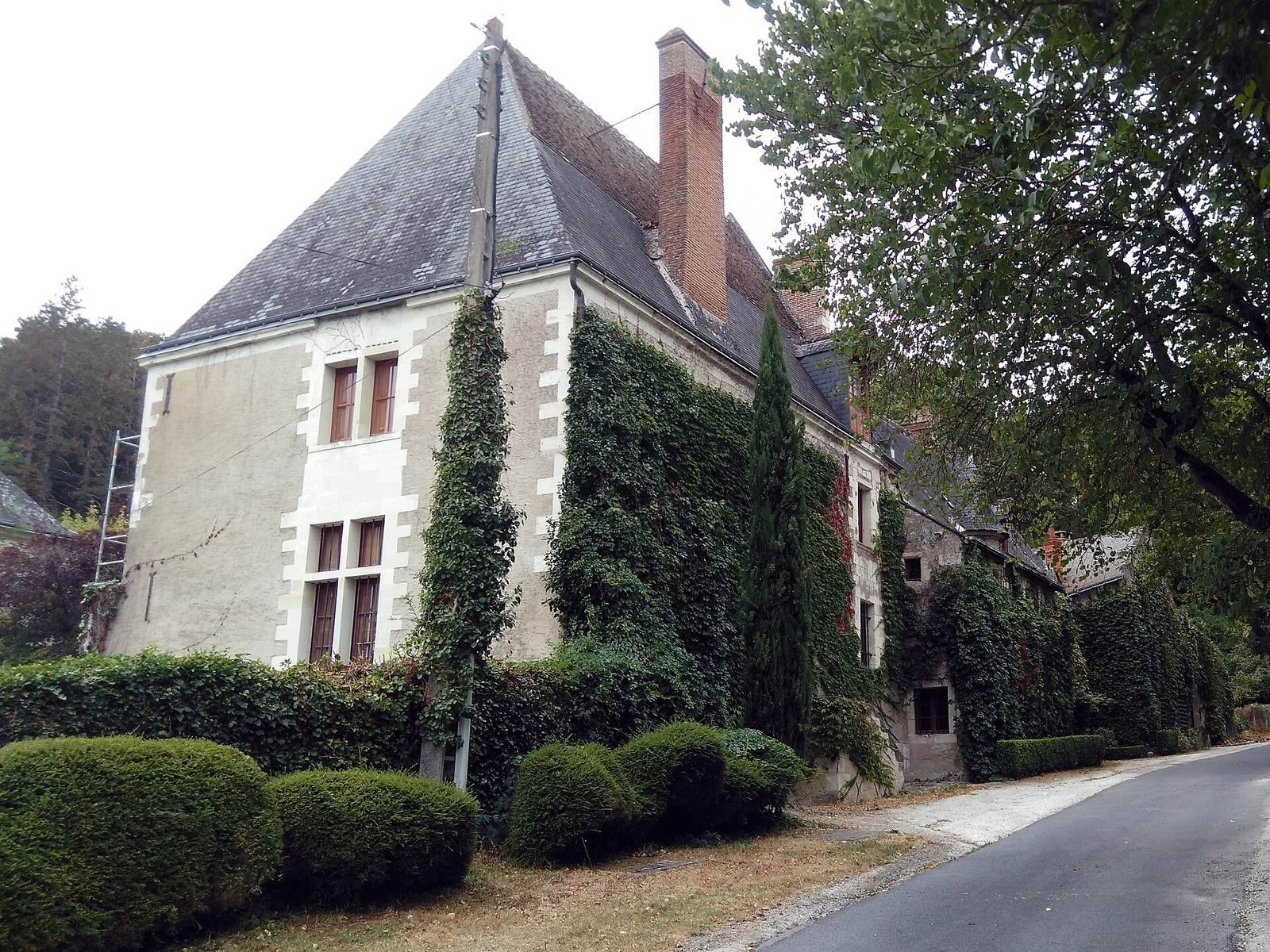
Manoir d’Andigny: A Manor House in Saint-Étienne-de-Chigny
Site at a Glance
- Popularity
- Very Low
- Country
- France
- Primary era
- Unclassified
- Eras represented
- Unclassified
- Civilizations
- Unclassified
- Site type
- Domestic
- Remains
- Manor House
History
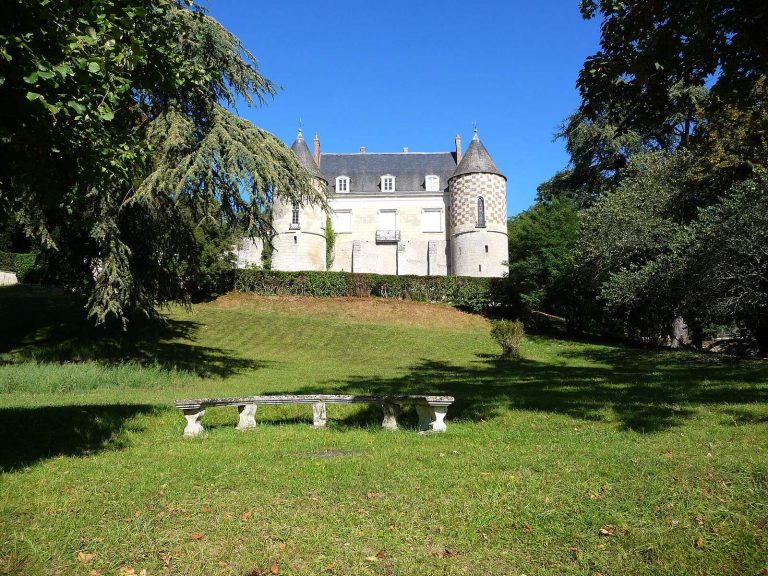
Manoir d’Andigny is a manor house in Saint-Étienne-de-Chigny, Indre-et-Loire, France. During the Ancien Régime, the pre-Revolutionary political and social order in France, it stood in the parish of Cinq-Mars and was tied to the lordship of Boussay.
The estate and the lordship of Boussay
Jean de Menou, lord of Boussay, sold the estate to the d’Angrie family, later known as d’Andigné. Although efforts were made to establish Andigny as independent, it remained under Boussay’s authority. On 25 April 1534, a judgment obtained by René de Menou confirmed that the estate was held under that lordship.
Recorded lords and later recognition
Among the lords named from the d’Angrie and d’Andigné families are Claude d’Angrie in 1121 and Mathieu d’Angrie in 1230, followed by Geoffroy d’Andigné in 1300, Guillaume d’Andigné around 1350, Jacquelin d’Andigné in 1367, Geoffroy d’Andigné, who died on 5 December 1390, and Lancelot d’Andigné in 1420.
Members of the Binet family held or shared lordship in the following centuries. The recorded names include Jacques Binet in 1454, Martin Binet in 1500, Jean Binet in 1507, Jean Fleury as co-lord in 1520, Macé Binet around 1530, Jean Binet in 1533, Jacques Binet in 1535, and Jean Binet in 1555. Jacques Binet was a knight and lord of Valmer, Andigny, Les Tourelles, and Guinière, as well as governor of the castle of Tours.
Claude de l’Aubespine is also listed as a lord of Andigny in 1532. He was baron of Châteauneuf, a diplomat and secretary of state under Francis I, Henry II, Francis II, and Charles IX, and mayor of Tours in 1557–1558. Andigny’s owners held the right to a reserved seat in the church of Saint-Étienne. Various elements of the manor received French historic-monument designation in 1992.