Castelfranco: A Castle-Fortress in Finale Ligure, Italy
Site at a Glance
- Popularity
- Low
- Country
- Italy
- Primary era
- Medieval
- Eras represented
- Medieval, Early Modern
- Civilizations
- Genoese, Spanish
- Site type
- Military
- Remains
- Fort
On this page5 sections
History
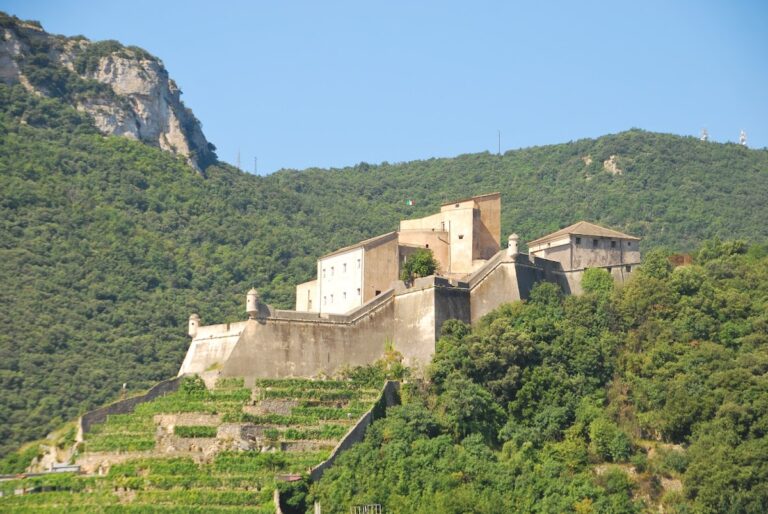
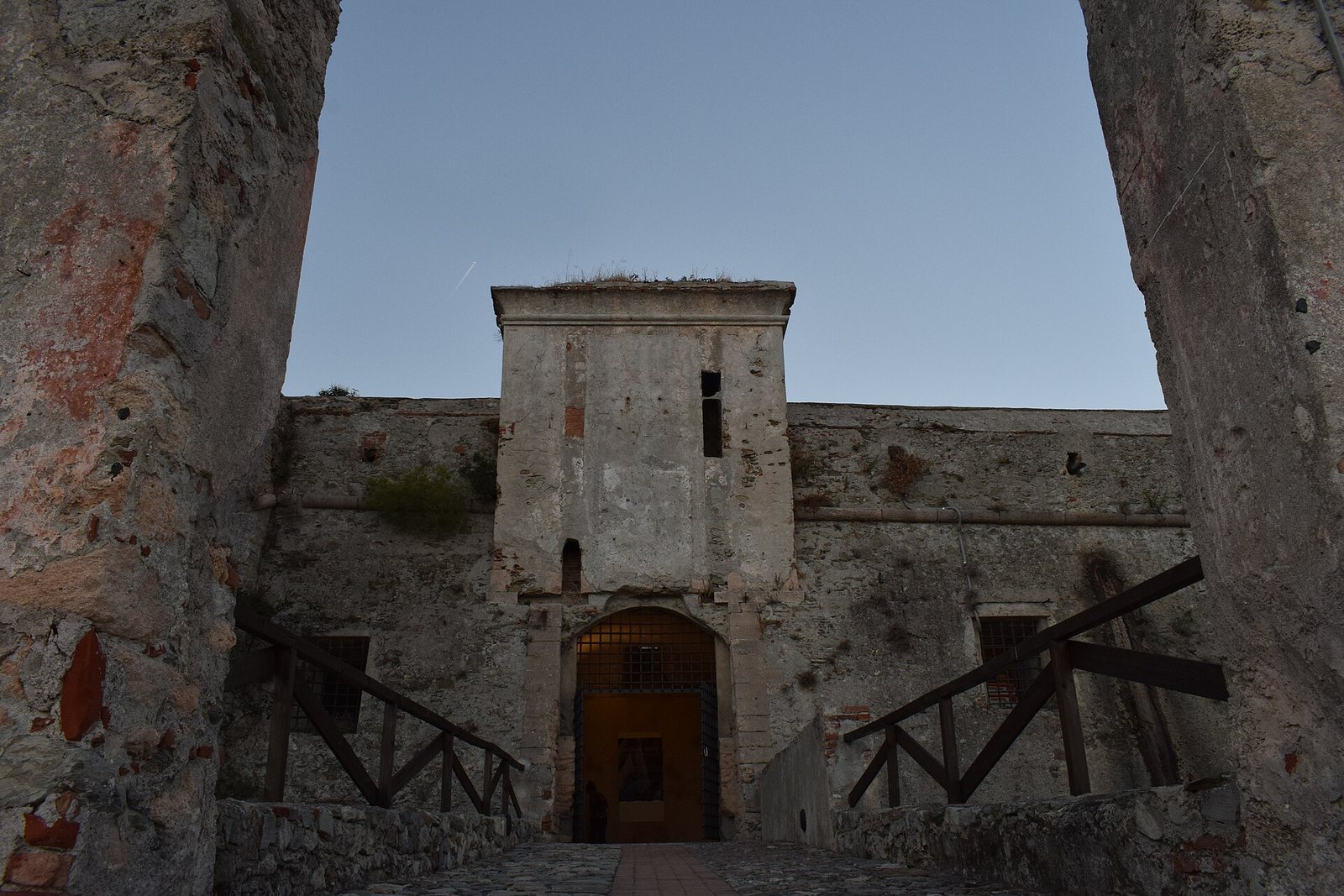
Castelfranco is a castle-fortress on the Gottaro height in Finale Ligure, Italy. In 1365, the Republic of Genoa, a maritime state based in Liguria, ordered its construction. Under Spanish rule, the fortress became a major defensive position for the Finale area.
Genoese rule and conflict
Genoa had taken control of the Marquisate of Finale, a feudal territory ruled by a marquis, in 1341 after defeating the Del Carretto family. The area was already defended by Castel San Giovanni and Castel Gavone when Genoa ordered Castelfranco. Although the Del Carretto rulers regained the Finale lands during the fifteenth century, Castelfranco remained in Genoese hands after renewed conflict in 1448. Its central tower was demolished that year, but the fortress continued to serve as a stronghold effectively separate from the surrounding territory.
Genoa carried out further demolitions in 1558 during an assault amid political troubles under Alfonso II Del Carretto. More damage followed in 1564 during wars with Spain. In 1602, Spain declared the Marquisate of Finale an integral part of its kingdom.
Spanish rebuilding and Genoese return
Spanish rule brought reconstruction between 1642 and 1645, making Castelfranco a major defensive position in the Finale area. Further building and enlargement took place from 1674 to 1677. After the War of the Spanish Succession, a European conflict over the Spanish crown, the 1713 Treaty of Utrecht returned the Finale lands to Genoa. In 1714, Genoa destroyed Castel Gavone but spared Castelfranco.
The fortress’s last defensive action came in 1745, when it helped repel fourteen English ships.
Prison and municipal ownership
During the nineteenth century, under the Kingdom of Sardinia, a state ruled by the House of Savoy before Italy’s unification, Castelfranco was converted first into a prison and then into the prison’s infirmary. Its military role ended during that century. On 9 March 1938, the fortress became the property of the municipality of Finale Ligure.
Remains
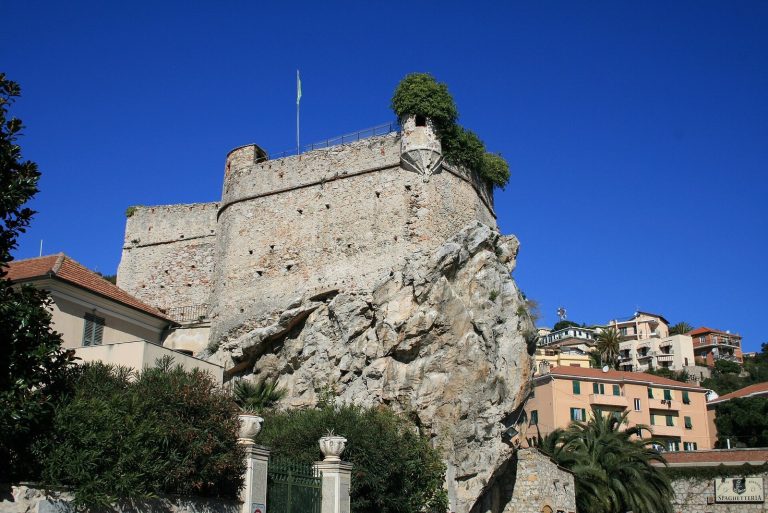
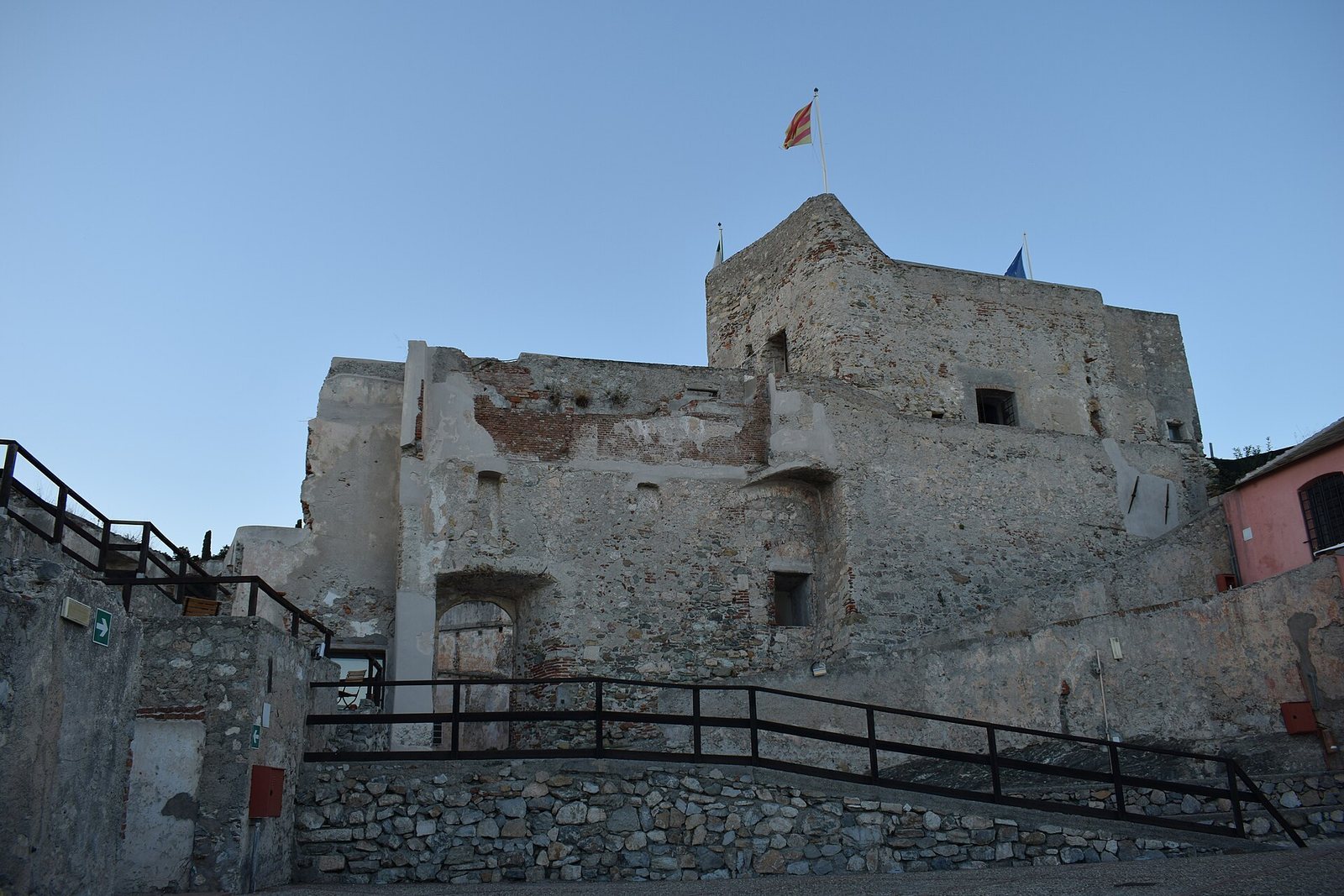
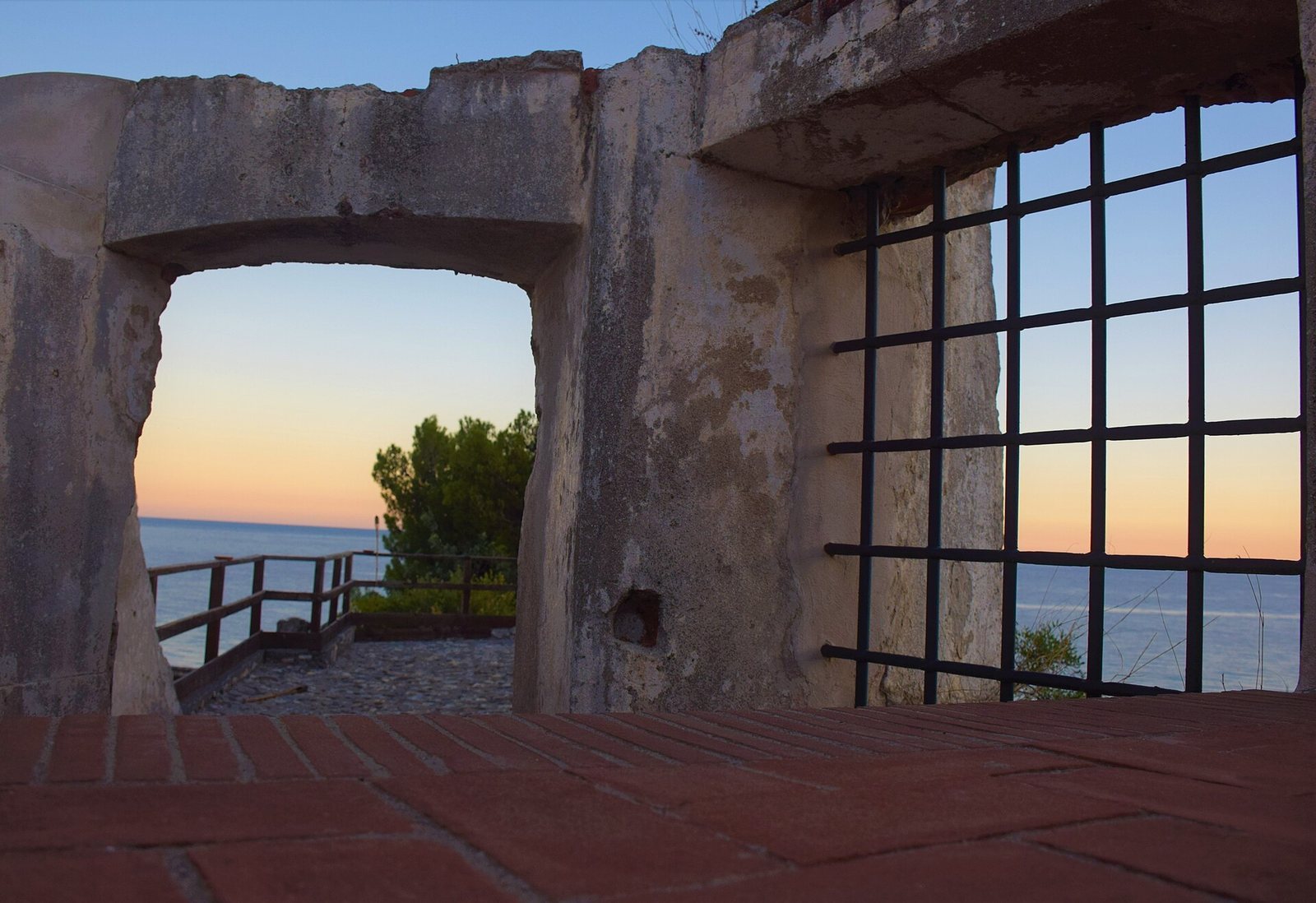
The fortress occupies a promontory on the Gottaro height, where the Pora and Sciusa streams meet. At 26 metres above sea level, its position commands an outlook over the Caprazoppa and Capo San Donato headlands. Genoa retained the Half-Moon Bastion, a projecting defensive platform that covers adjacent parts of a fortification, and the medieval central tower of San Bartolomeo when it spared the fortress in 1714. Spanish rebuilding added a circuit of defensive projections and forts. Demolitions and alterations made during the nineteenth-century prison conversion shaped Castelfranco’s present form.