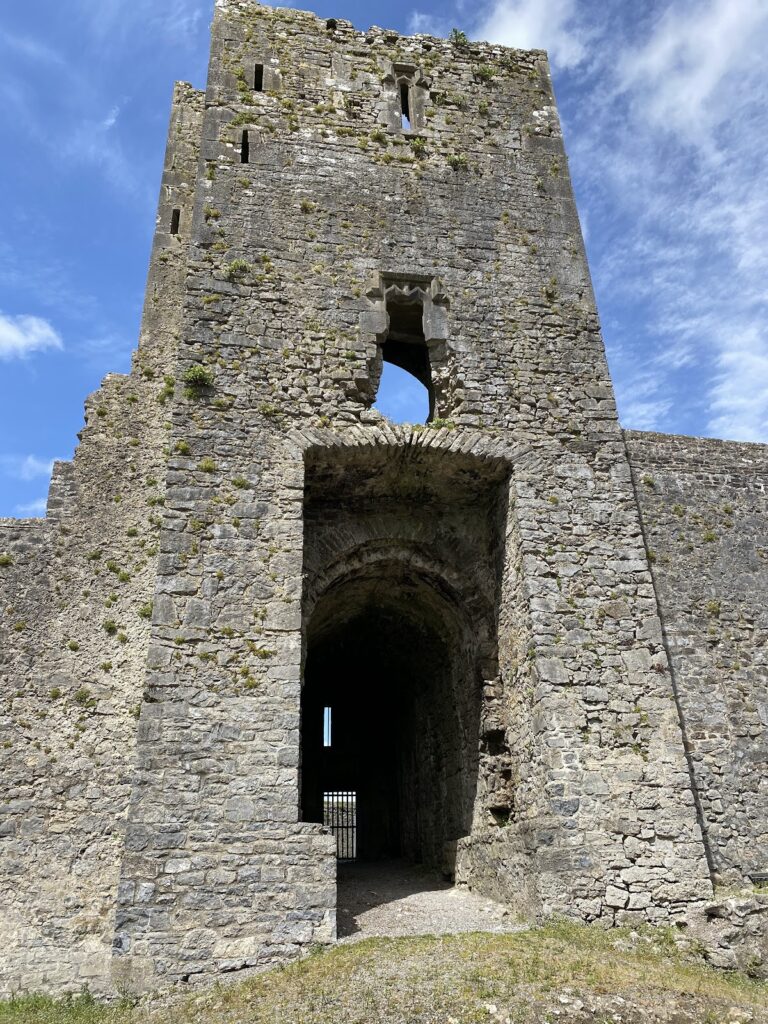
Mallow Castle: A Fortified House and Historic Castle Complex in Ireland



Site at a Glance
- Rating
- 4.5
- Popularity
- Low
- Country
- Ireland
- Primary era
- Early Modern
- External website
- Open
- Eras represented
- Medieval, Early Modern, Modern
- Civilizations
- English
- Site type
- Military
- Remains
- Castle
On this page9 sections
History
Mallow Castle is a historic castle complex in Mallow, Ireland, developed through medieval and early modern phases and centered on a surviving sixteenth-century fortified house. The first castle at Mallow was built in 1185 on the instructions of John, who became king of England in 1199, and it passed to the Earls of Desmond in 1282. The Desmonds belonged to the powerful Fitzgerald dynasty, which controlled extensive lands in south-west Ireland.
From Desmond lordship to Norreys ownership
Following the Geraldine Wars, conflicts connected with resistance to Tudor rule in Ireland, Elizabeth I confiscated the estate. She granted it, together with the Lordship of Mallow and 6,000 acres, or about 2,400 hectares, of surrounding land, to Sir Thomas Norreys. The earlier Desmond Castle had fallen into serious disrepair, and a new castle was built on the same site in 1585.
The surviving fortified house is believed to have been constructed for Sir Thomas Norreys, Lord President of Munster, before his death in 1599. This office was the senior English Crown position responsible for administration and military affairs in Munster. After Norreys died, his relative Elizabeth and her husband, Sir John Jephson, inherited the property. The Jephson family remained associated with Mallow for almost four centuries.
Sieges, fire, and abandonment
During the Irish Confederate Wars, a conflict fought in Ireland from 1641 to 1653, Richard Butler, 3rd Viscount Mountgarret, besieged the fortified house in 1642, but failed to capture it. James Tuchet, 3rd Earl of Castlehaven, took the house in 1645.
The fortified house was badly damaged by fire during the Williamite War, the late-seventeenth-century struggle over the Irish and English crowns between supporters of James II and William III. The Jephsons subsequently abandoned it and built a new mansion on the stable block of the older castle.
Modern ownership and protection
Mallow Castle became a National Monument of Ireland in 1928. Commander Maurice Jephson sold the mansion to Michael and Judith McGinn of Washington, D.C., in 1984. Cork County Council has owned the castle and its grounds since 2011.
Remains
The 33-acre, or 13-hectare, estate contains gardens and parkland organized around three principal buildings: the remains of the sixteenth-century fortified house, a nineteenth-century mansion to the north, and the ruins of a thirteenth-century castle to the east.
Principal buildings
Sixteenth-century fortified house
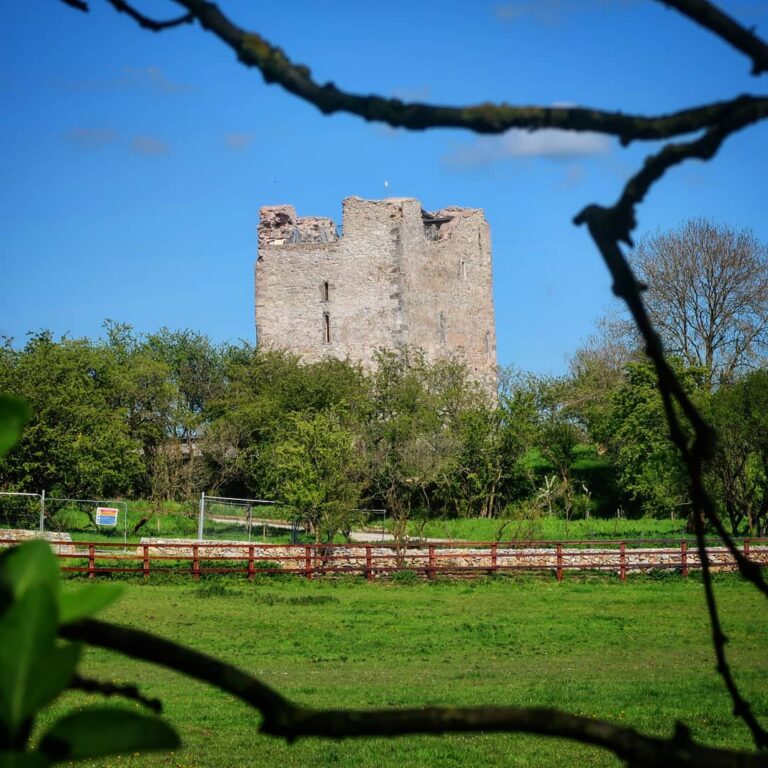
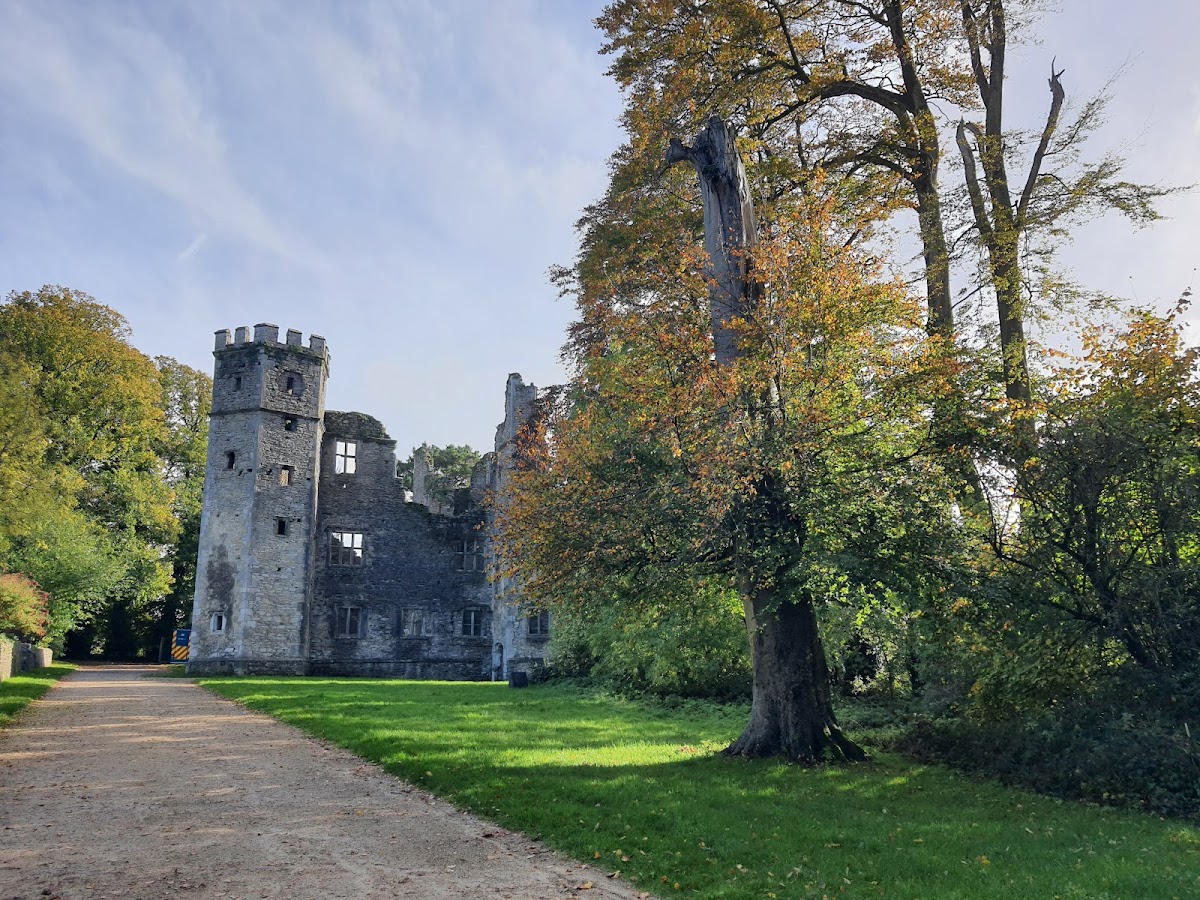
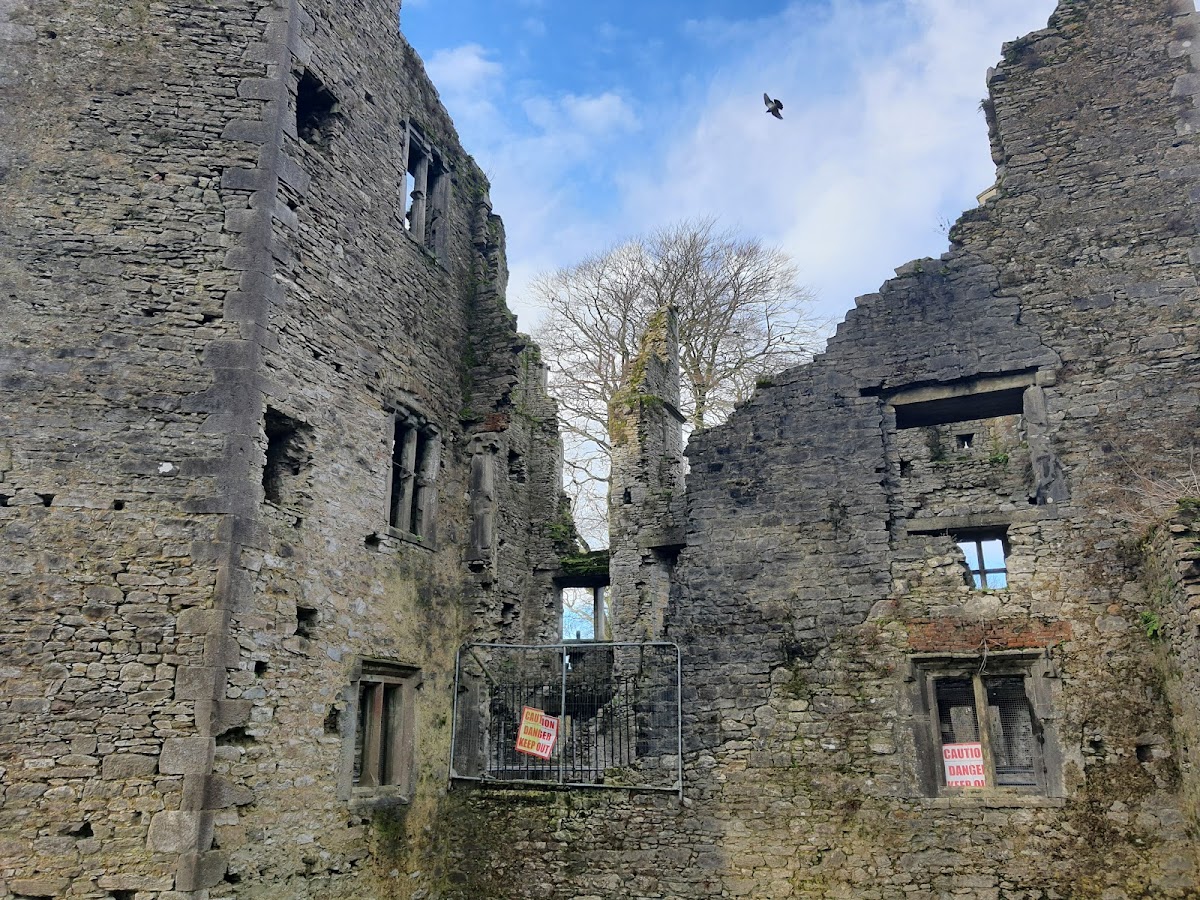
The fortified house is a long, rectangular building of three storeys, with polygonal towers at its north-west and south-west corners. Its early Jacobean architecture, associated with the reign of James I, includes high gables, stepped battlements, and mullioned windows. Mullions are vertical stone bars that divide a window into separate panes.
Wings project from the centres of the north and south walls, with the entrance placed in the north wing. The arrangement allowed firearms to cover the building completely around its perimeter, combining domestic accommodation with defensive protection. The house survives as the principal remains of the sixteenth-century castle phase and retains its fortified form despite the damage caused by fire.
Nineteenth-century mansion
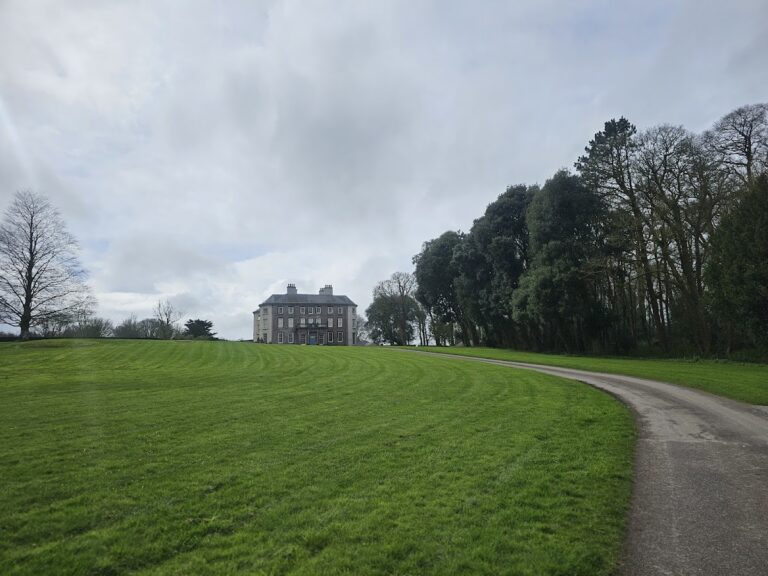
The baronial mansion stands near the older castle ruins and incorporates portions dating from the 1690s. Its refurbished interior contains eight reception rooms, including a music room, billiard room, and library, together with twelve bedrooms. The building represents the later residential development associated with the estate after the fortified house was abandoned.
Thirteenth-century castle ruins
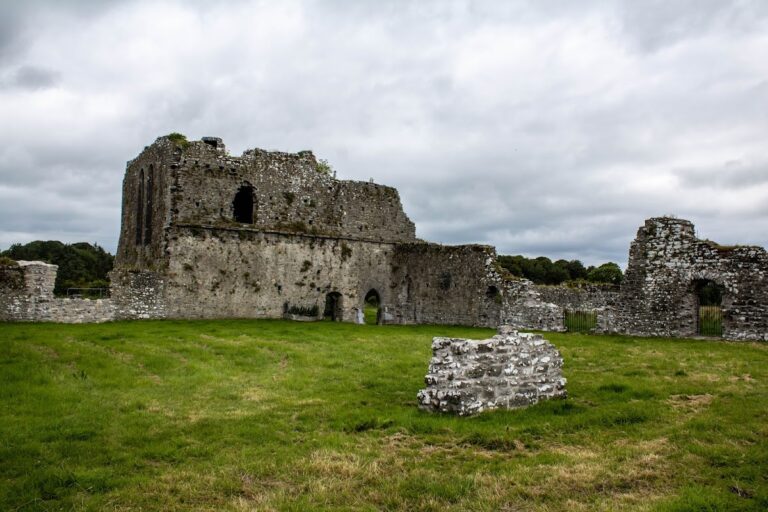
Ruins of the thirteenth-century castle stand to the east of the mansion. They represent the medieval stronghold that followed the first castle built at Mallow in 1185 and preceded the sixteenth-century fortified house. The remains form one of the three principal building groups within the estate.
Nearby sites