Blackwater Castle: An Anglo-Norman Fortress and Historic Estate in Ireland

Site at a Glance
- Rating
- 4.7
- Popularity
- Low
- Country
- Ireland
- Primary era
- Medieval
- External website
- Open
- Eras represented
- Bronze Age, Iron Age, Medieval, Early Modern
- Civilizations
- English, Norman
- Site type
- Military
- Remains
- Castle
On this page13 sections
History
Blackwater Castle is a restored Anglo-Norman hill castle in Ireland, located at Castlewidenham near Castletownroche in County Cork. Its main structure dates from the twelfth century, and the site is regarded as one of Ireland’s oldest occupied castles. Its history extends from prehistoric settlement through medieval and early-modern transformations to its continued preservation as a privately owned estate.
Prehistoric Settlement
Human activity at the site and in its immediate landscape reaches back approximately 9,000 years to the Mesolithic period. Before the castle was established, the promontory contained Dun Cruadha, an inland fortified settlement attributed to the late Bronze Age or early Iron Age. Ring cairns and ringforts in the surrounding area formed part of this earlier prehistoric landscape.
Anglo-Norman Foundation and Roche Rule
In the late twelfth century, following the Anglo-Norman invasion of Ireland, the Cambro-Norman brothers Alexander FitzHugh and Raymond FitzHugh established a fortress on the site of Dun Cruadha. Cambro-Normans were descendants of Norman settlers established in Wales and the Welsh Marches who took part in the expansion into Ireland. The FitzHughs were grandsons of Maurice FitzGerald, a twelfth-century Cambro-Norman leader involved in that expansion.
Alexander FitzHugh’s daughter, Synolda, married David de la Roche. Through this marriage, the territory later known as the Barony of Fermoy became associated with Roche Country. A barony was a territorial administrative division historically linked with feudal or noble authority. The castle and its surrounding lands then entered the Roche family’s long period of control, which lasted until 1666 and extended for almost five centuries.
Widenham Ownership and Later Restoration
In 1666, the castle passed to Colonel John Widenham and subsequently became known as Castle Widenham. The Widenham family retained ownership until the 1960s, continuing a period of approximately three centuries of Widenham control after the Roche era.
During the 1960s, Sir Delaval Cotter, 6th Baronet of Rockforest, and his wife acquired the castle. They owned it until 1976 and restored the tower during their tenure. After later changes of ownership, the property underwent substantial renovation and was rebranded as Blackwater Valley Castle. It passed to the Nordstrom Family Trust in 1991, and the Trust has worked to preserve its heritage while making the property economically self-sufficient.
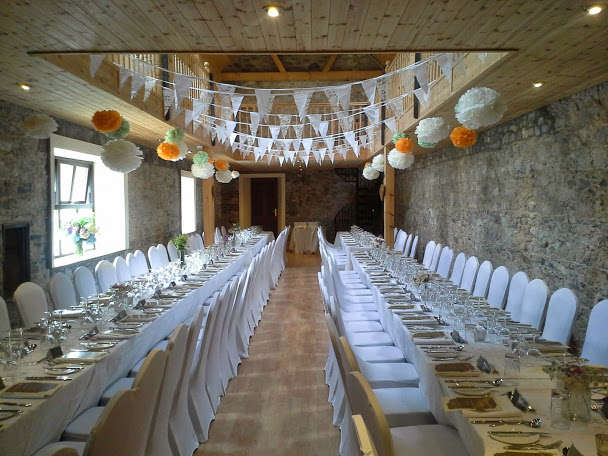
Since 2005, the castle has been available for private hire, while its courtyard also accommodates the Blackwater Outdoor Activities adventure centre. Its long survival under the Roche and Widenham families, together with evidence from many periods of Irish history, supports its use in history and heritage tours. The castle has archaeological and architectural heritage records in Ireland’s Historic Environment Viewer and the National Inventory of Architectural Heritage.
Remains
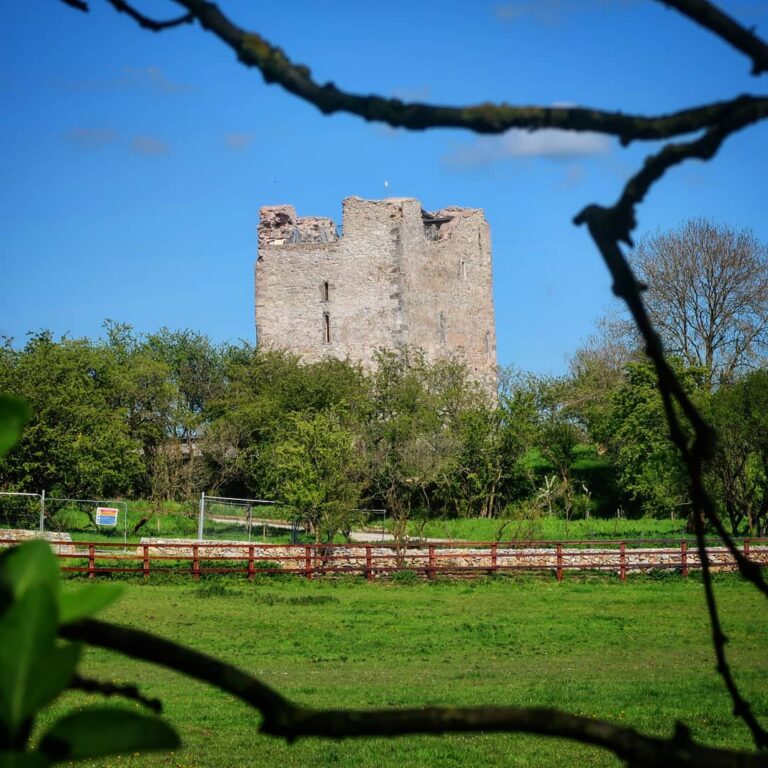
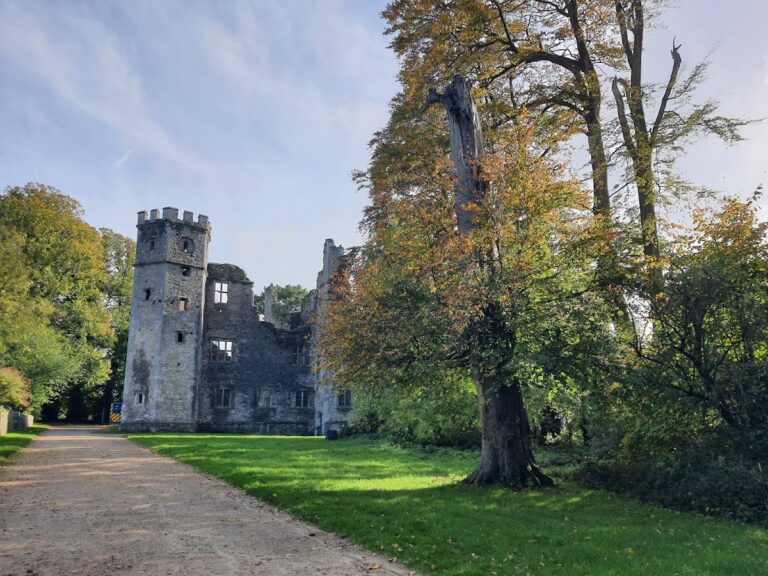
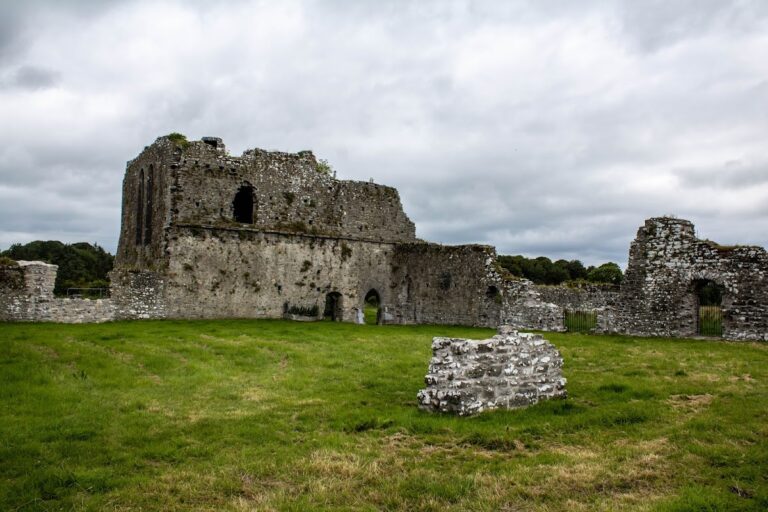
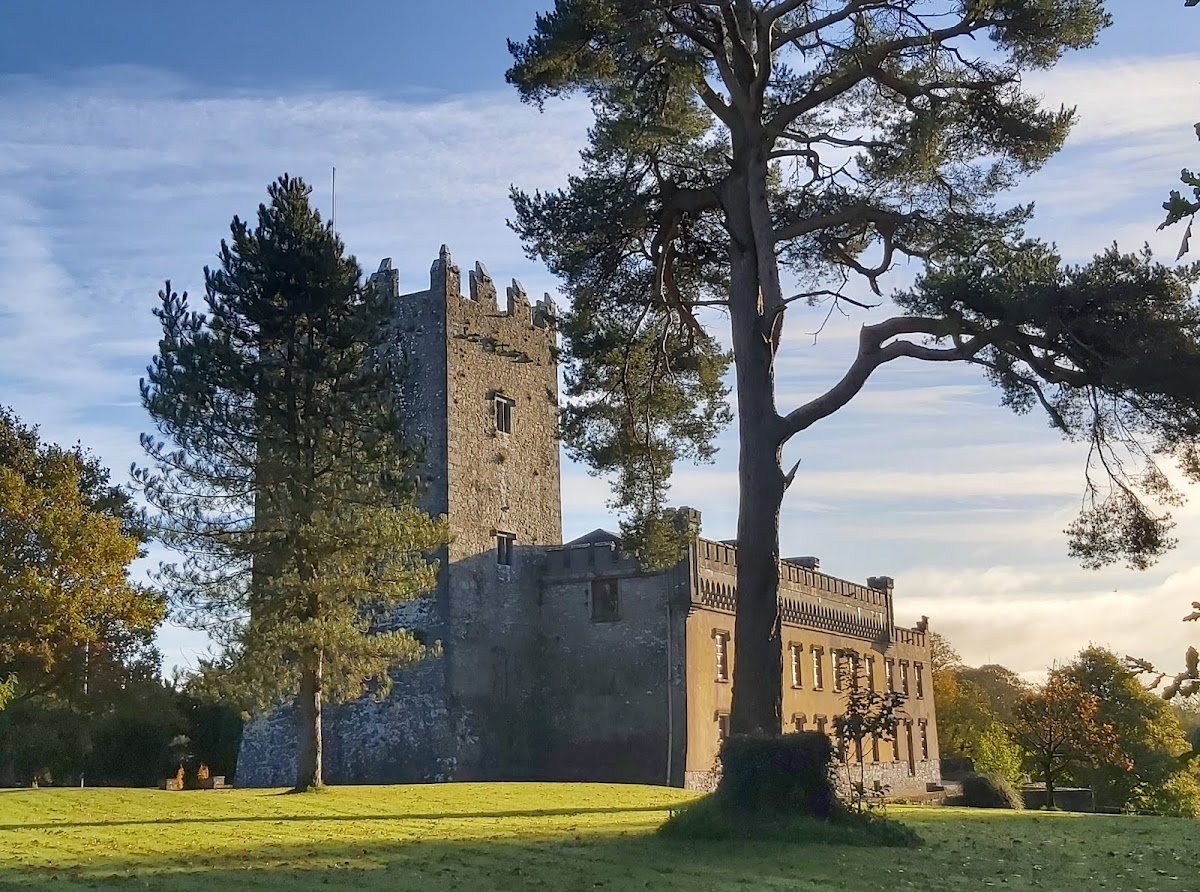
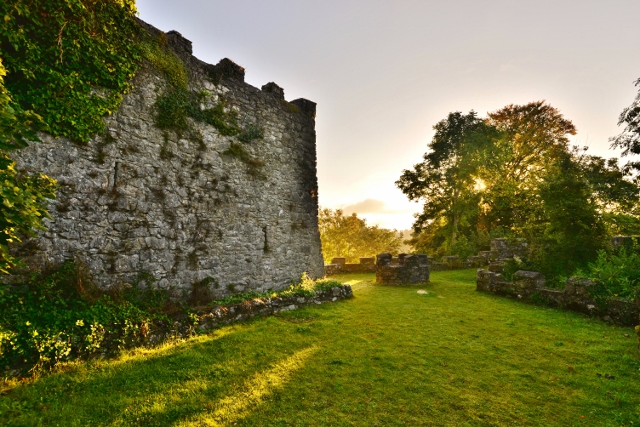
Blackwater Castle is a restored hill castle built mainly of rubble stone at an elevation of approximately 62 metres above sea level. The complex brings together a late twelfth-century round tower, medieval defensive works, a fifteenth-century stronghold, later residential buildings, and a courtyard with seventeenth- and eighteenth-century outbuildings.
Medieval Fortifications
Round Tower
A round tower at the eastern end of the castle dates from the late twelfth century. It survives as part of the castle structure, although it is no longer accessible.
Defensive Walls and Watchtower
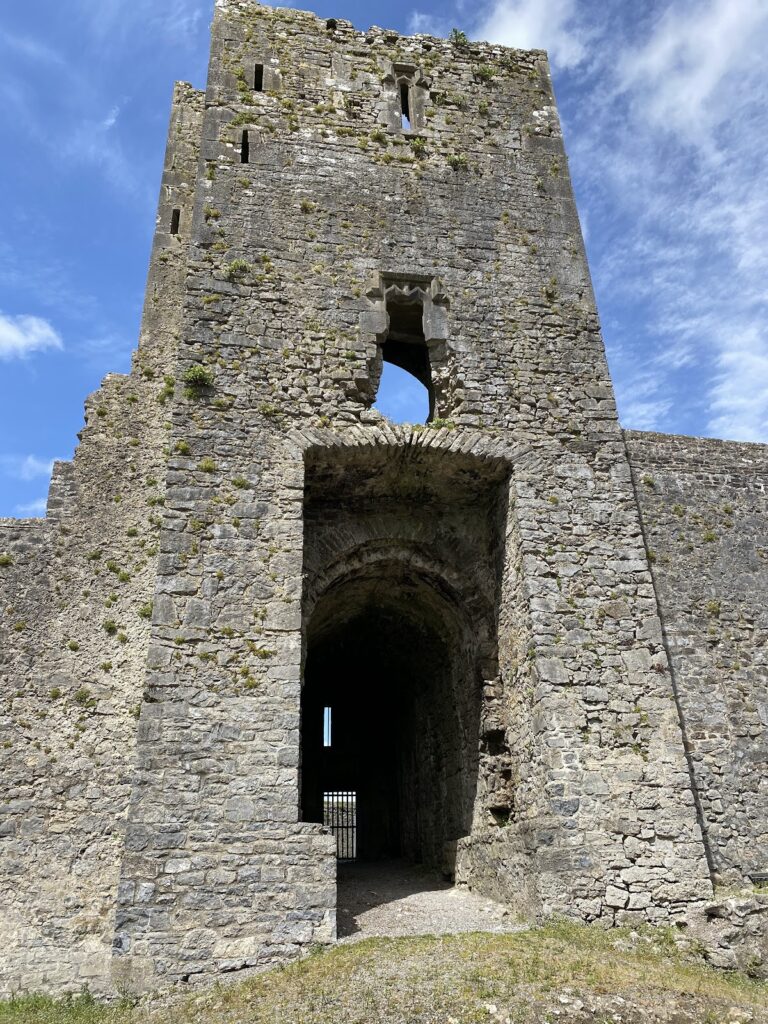
Medieval defensive walls enclose the castle complex, together with a thirteenth-century watchtower and a sentry walk, a guard route along or beside the fortifications. These features reflect the defensive organization of the medieval site.
Norman Keep
A fifteenth-century Norman keep, or donjon, forms part of the complex. A keep was the principal fortified tower or stronghold of a medieval castle, and this structure represents a later phase in the development of the medieval stronghold.
Later Residential Complex
Fortified Mansion
The castle also includes a fortified mansion or country house dating from the post-Cromwellian period, the era following Oliver Cromwell’s conquest and political reordering of Ireland in the seventeenth century. The building was later modified and extended, adding a residential phase to the earlier defensive complex.
Courtyard and Outbuildings
A courtyard with outbuildings survives from the seventeenth and eighteenth centuries. This later group forms part of the complex’s continued development beyond its medieval defensive role.
Archaeological and Religious Features
Material associated with the wider site includes Mesolithic flint material, traces of the late Bronze Age or early Iron Age fortified settlement, and prehistoric ring cairns and ringforts in the surrounding area. A Holy Well associated with Saint Patrick and a Sheela-na-gig are also among the recorded religious or symbolic features. A Sheela-na-gig is a medieval architectural carving of an exaggerated female figure, generally interpreted in connection with religious or protective symbolism.
The medieval Book of Fermoy is also associated with the castle’s heritage. The manuscript is now housed in the Royal Irish Academy, Ireland’s principal national institution for the study and preservation of the sciences, humanities, and Irish cultural heritage.