Doneraile Court: A Historic Country House in County Cork


Site at a Glance
- Rating
- 4.7
- Popularity
- Low
- Country
- Ireland
- Primary era
- Early Modern
- External website
- Open
- Eras represented
- Early Modern, Modern
- Civilizations
- British, English, Irish
- Site type
- Domestic
- Remains
- Manor House
On this page13 sections
History
Doneraile Court is a late-seventeenth-century country house in Doneraile, County Cork, Ireland, developed by the St Leger family as their principal seat. Construction began in the 1640s, and the house was extensively rebuilt and enlarged before its present facade was added around 1730.
From castle to country house
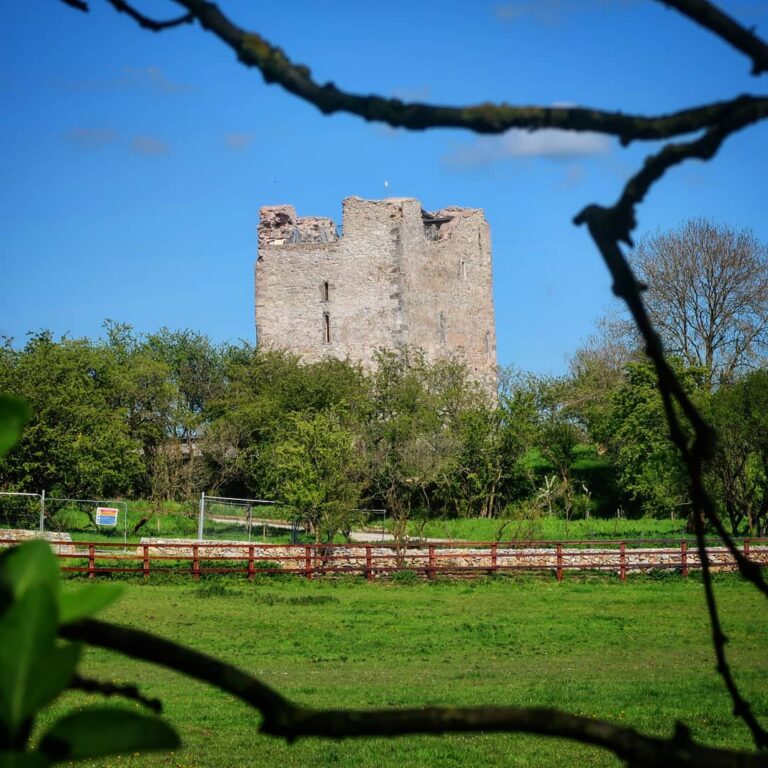
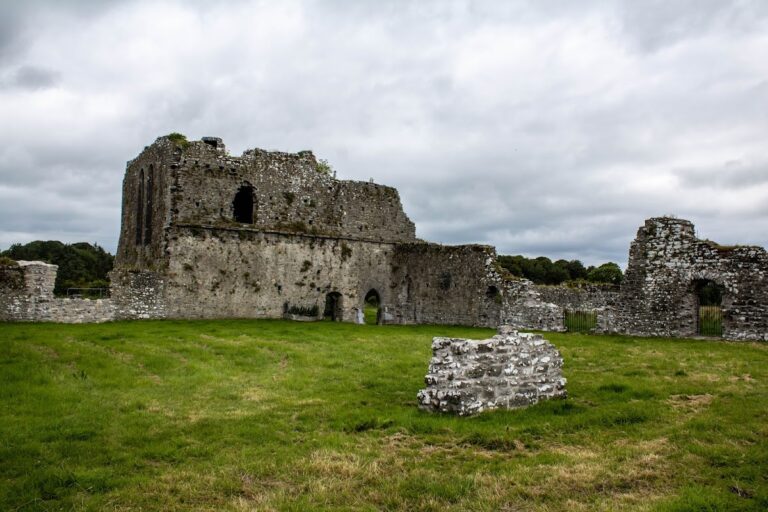
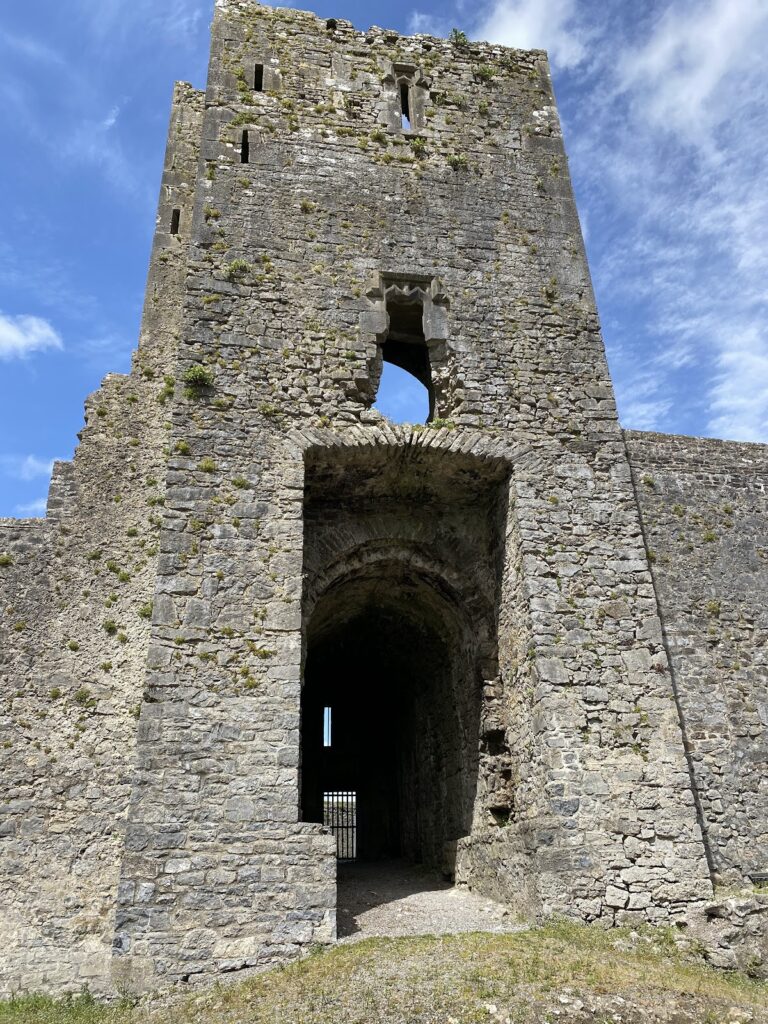
Sir William St Leger, Lord President of Munster, a senior Crown-appointed official responsible for administering the province, purchased the estate and other lands in 1629. He initially moved into Doneraile Castle, a thirteenth-century building. Repeated attacks and burnings had damaged the castle severely by 1645, leading to its abandonment.
The present house began to take shape during the 1640s, incorporating some stonework from the ruined castle. Arthur St Leger, 1st Viscount Doneraile, is identified as the developer of Doneraile Court. The building was repeatedly rebuilt and extended, with the current facade added around 1730, probably by John Rothery and his son Isaac Rothery. Its completion is generally placed around 1725 to 1730.
The St Leger estate
The St Leger family continued to use Doneraile Court as its seat until the mid-twentieth century. During the nineteenth century, the house and estate were remodelled and enlarged. The family maintained an interest in hunting and racing, owning and breeding horses on the estate.
During Lord Castletown’s residence, the house was connected with the American lawyer and Civil War veteran Oliver Wendell Holmes Jr., who later became an associate justice of the United States Supreme Court. Holmes maintained an extensive correspondence with Clare, Lady Castletown, visited Doneraile several times, and may have had an affair with her.
Changes in ownership
In 1870, the Doneraile demesne, the landed estate directly associated with the house, covered about 3,200 hectares in and around Doneraile. Its area was gradually reduced when land was sold to tenants under the Irish Land Acts, laws that facilitated the transfer of land from large estates to tenant farmers.
The remaining demesne, now comprising Doneraile Wildlife Park, was sold to the government in 1943. After Hugh St Leger, 7th Viscount Doneraile, died in 1956, the house and remaining lands were sold to the state’s Land Commission, the Irish state body involved in land redistribution and land ownership administration. The Office of Public Works, which manages many Irish state heritage properties, has managed the house and estate since 1994. Doneraile Court was later renovated with input from the Irish Georgian Society, an organisation devoted to conserving and studying Ireland’s Georgian architectural heritage.
Remains
The country house
Doneraile Court
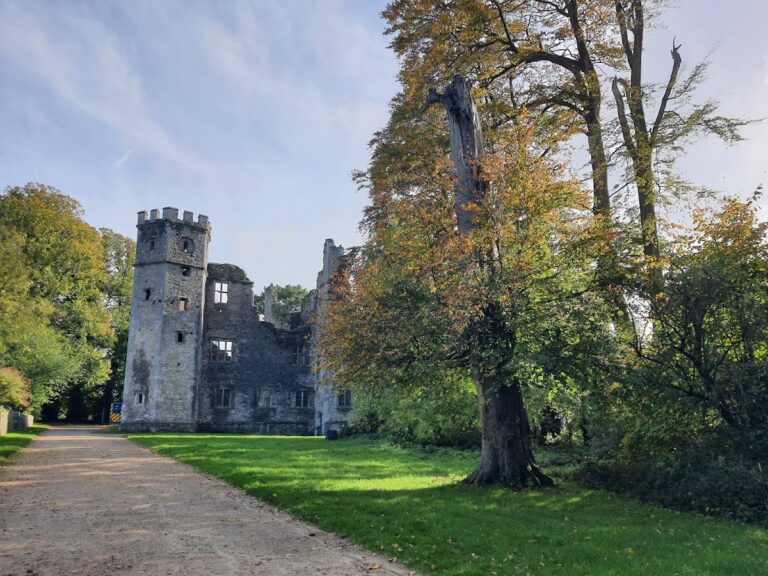
The present house combines fabric from several building phases. Its earliest development began in the 1640s, when stonework from the abandoned thirteenth-century castle was reused. Extensive rebuilding and enlargement followed, culminating in the facade added around 1730, probably under John and Isaac Rothery. These successive interventions give the house a physical connection with both the medieval castle and the later St Leger residence.
Estate buildings
Cottages, lodges, farms, and stables
The estate’s supporting buildings included cottages, lodges, farm buildings, and stables. Together, they formed the working and residential infrastructure associated with the country house and its surrounding demesne.
Kitchen and game store
An octagonal kitchen and a game store were built in 1869 as part of the nineteenth-century expansion of the estate. A dining room from the same year was later demolished, as was a nine-bay Gothic Revival conservatory built in 1825. Gothic Revival was a nineteenth-century movement that revived forms associated with medieval Gothic architecture.
Parkland and landscape
Walled parkland
Doneraile Court stands within about 160 hectares of walled parkland known as Doneraile Park or Doneraile Estate. The grounds near the house follow a style associated with Capability Brown, the eighteenth-century English landscape designer known for naturalistic arrangements of lawns and wooded areas. The wider estate includes a deer park and meadows.
Deer park and meadows
The deer park contains Killarney Red, Sika, and Fallow deer. The meadows support a herd of Kerry cattle, preserving the estate’s continuing association with managed animals and agricultural land.
Nearby sites