Maison-forte de Seix: A Fortified Residence in France


Site at a Glance
- Rating
- 4.2
- Popularity
- Low
- Country
- France
- Primary era
- Medieval
- External website
- Open
- Eras represented
- Medieval
- Civilizations
- French
- Site type
- Domestic
- Remains
- Castle
On this page7 sections
History
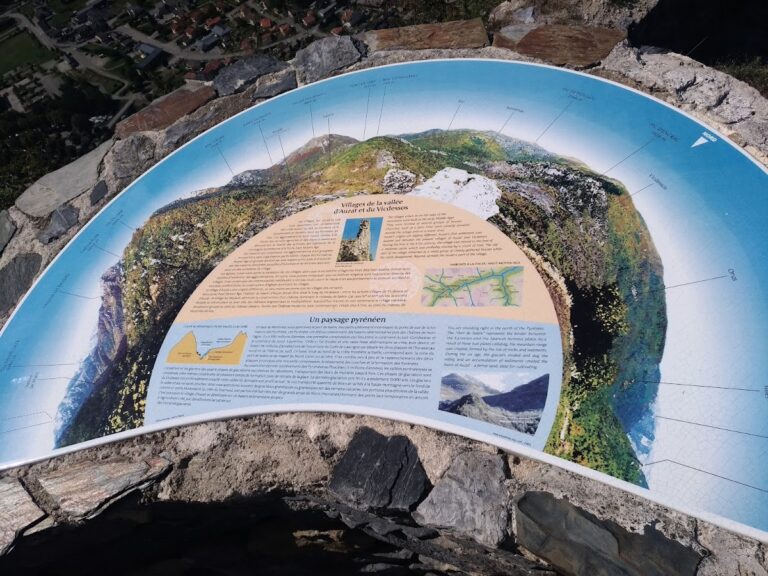
Maison-forte de Seix is a fortified residence in Seix, France, probably built in the fourteenth century. A maison-forte combined domestic accommodation with defensive features and was intended for a local lord or other elite owner rather than solely for military use. Altered several times, the building is first mentioned in a document from the sixteenth century. Its position above the village gave it a strategic outlook over the Salat valley.
Origins and ownership
Local tradition attributes the construction of the residence to the consuls of Seix, civic officials responsible for administering and defending the community. In 1568, they are said to have sold it to Pierre de Siregand, who owned the building during the sixteenth century.
After Pierre de Siregand, his heirs adopted the name Cabalbi, derived from casa Balbi. The family was connected by marriage to the viscounts of Couserans, a historic region around the upper Salat valley in the central Pyrenees.
Names and later history
The building acquired several names over time, including the Viscount’s Castle, Vernon Manor, and, locally, Seix Castle. It was also sometimes called Tower Castle. That name referred to a tower belonging to the nearby King’s Castle, however, and nothing remains of that other structure.
Under a decree issued during the reign of Charles X, king of France from 1824 to 1830, the Balbi family’s name was supplemented by the title “Marquis de Vernon.” The arms of the Marquis of Vernon were placed above the entrance and remain associated with the building.
Public ownership and protection
The property was temporarily held by the French state for a proposed purpose: it was intended to become the headquarters of an Ariège national park. The park was never established. Maison-forte de Seix is now publicly owned by the Couserans-Pyrénées intermunicipal authority and serves as the Interpretation Centre of the Upper Salat Valleys, hosting permanent and temporary exhibitions as well as cultural activities.
Part of the building received designation as a French historic monument through an order dated 16 March 1994. The designation covers the façades, roofs, corner towers, terraces, and the retaining wall that supports the terraces.
Remains
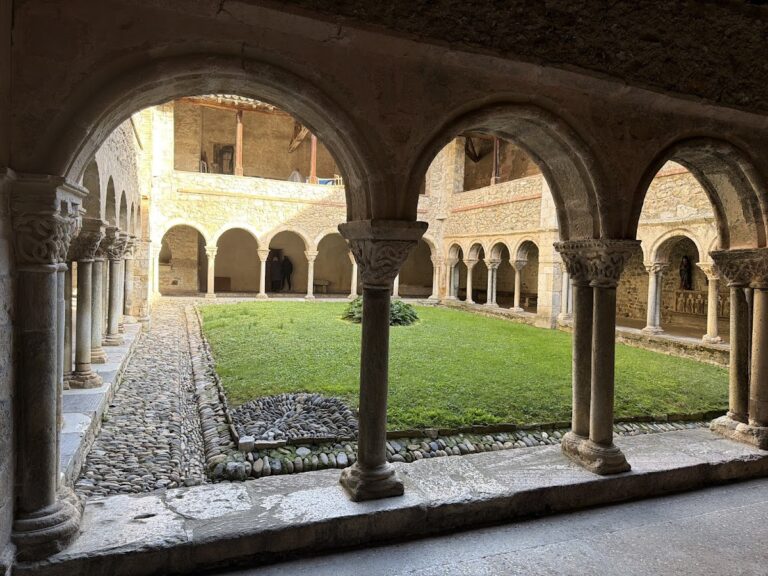
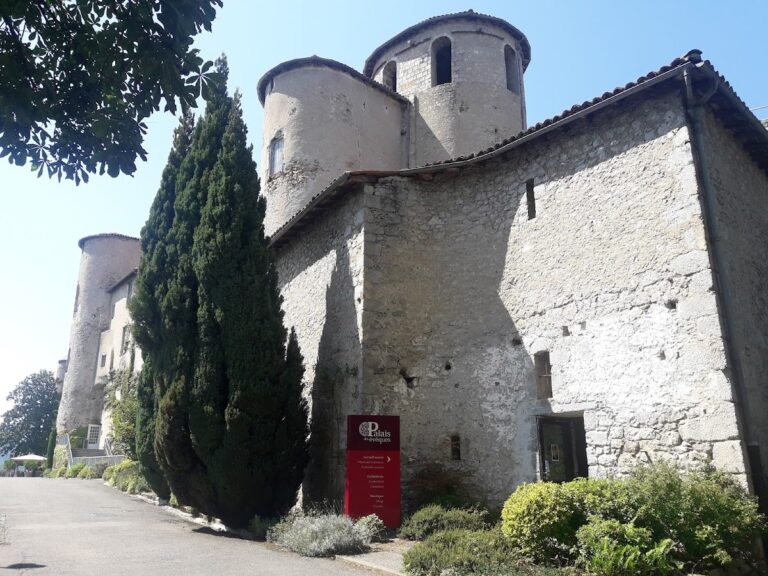
Maison-forte de Seix stands in the centre of Seix on a slope above the village, at an altitude of 521.42 metres, overlooking the Salat valley. The complex combines a main residential building with an enclosing wall and several towers, creating a fortified domestic group arranged along the hillside.
Building and enclosing walls
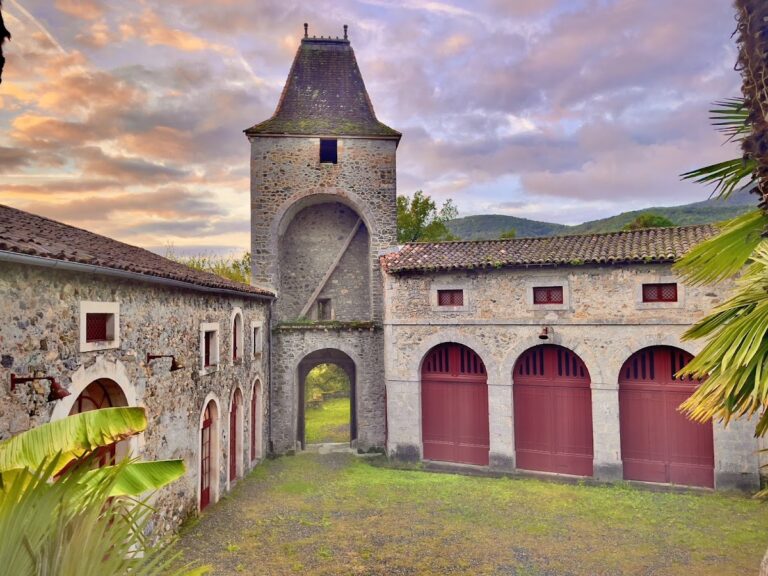
The main residential building includes a north-eastern corner tower. An enclosing wall extends around the complex and is flanked by corner towers at the north-west and south-west. These two towers form pavilion-like structures, while the hillside position and terraces contribute to the defensive character of the residence. The arms of the Marquis of Vernon are displayed above the entrance door.
Terraces and present interior use
The surviving historic fabric includes the façades, roofs, corner towers, terraces, and the retaining wall supporting the terraces. Inside, the ground floor contains reception facilities and exhibition space. The uppermost floor houses an exhibition about the reintroduction of the ibex, giving the historic building a continuing public and educational function.
Nearby sites