Ludza Castle: A Historic Fortress in Latvia
Visitor Information
Google Rating: 4.7
Popularity: Medium
Country: Latvia
Civilization: Crusader
Site type: Military
Remains: Castle
History
Ludza Castle is located in the Ludzas municipality of modern-day Latvia. The site was originally established by the Latgalian people, an ancient Baltic tribe, who built a wooden fortified settlement before the stone castle was constructed.
The earliest mention of Ludza Castle dates back to 1174, recorded in the Kiev Ipatiev Chronicle in connection with the baptism of Prince Mikhail. This early reference suggests the presence of a wooden stronghold during the late Iron Age period in the region. The stone fortress that would become Ludza Castle likely arose around the end of the 14th century, circa 1399, under the leadership of Wennemar von Brüggenei, the Master of the Livonian Order. Situated between two lakes in eastern Latgale, this castle served as the easternmost fortification of the Livonian Order, marking a critical border against the Russian principalities.
In 1435, Ludza Castle became part of the Livonian Confederation, a loosely organized coalition of religious and secular authorities. During this era, it held strategic significance as one of the easternmost bastions alongside Narva, often caught in conflict zones. The castle endured multiple assaults from Russian forces, including an attack in 1481 by the army of Ivan III and again in 1552 under the command of Grigory Tyomkin-Rostovsky. The castle’s position made it central to struggles for control over the region, notably during the Livonian War (1558–1561), a period in which sovereignty over the site changed hands repeatedly between the Livonian Order, Russia, and the Polish-Lithuanian Commonwealth.
Following the Livonian War, Ludza Castle entered the territory of the Duchy of Livonia under the Polish-Lithuanian Commonwealth in 1561. King Stefan Batory of Poland sometimes resided there and ordered enhancements to the fortifications, reflecting the castle’s importance as a military and administrative center. However, the Russo-Polish War of 1654 brought another siege; Russian forces captured the castle after intense bombardment and mining undermined its defenses. By royal decree in 1667, the fortress was abandoned and gradually fell into ruin, no longer serving a military role.
During the 18th and 19th centuries, after the region became part of the Russian Empire following the partitions of Poland, the ruins of Ludza Castle were noted and received some protective measures. Archaeological investigations took place much later, notably in 1976 and again in 2013–2014, revealing important details about the castle’s structure and occupation phases. In recent years, efforts have been made to conserve and partially restore elements of the site, with plans to reconstruct the courtyard and safeguard the exposed walls for future study.
Remains
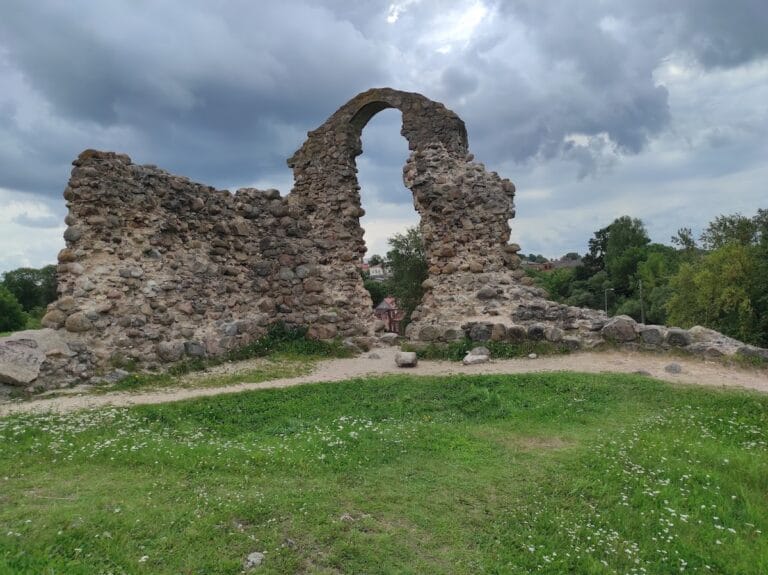
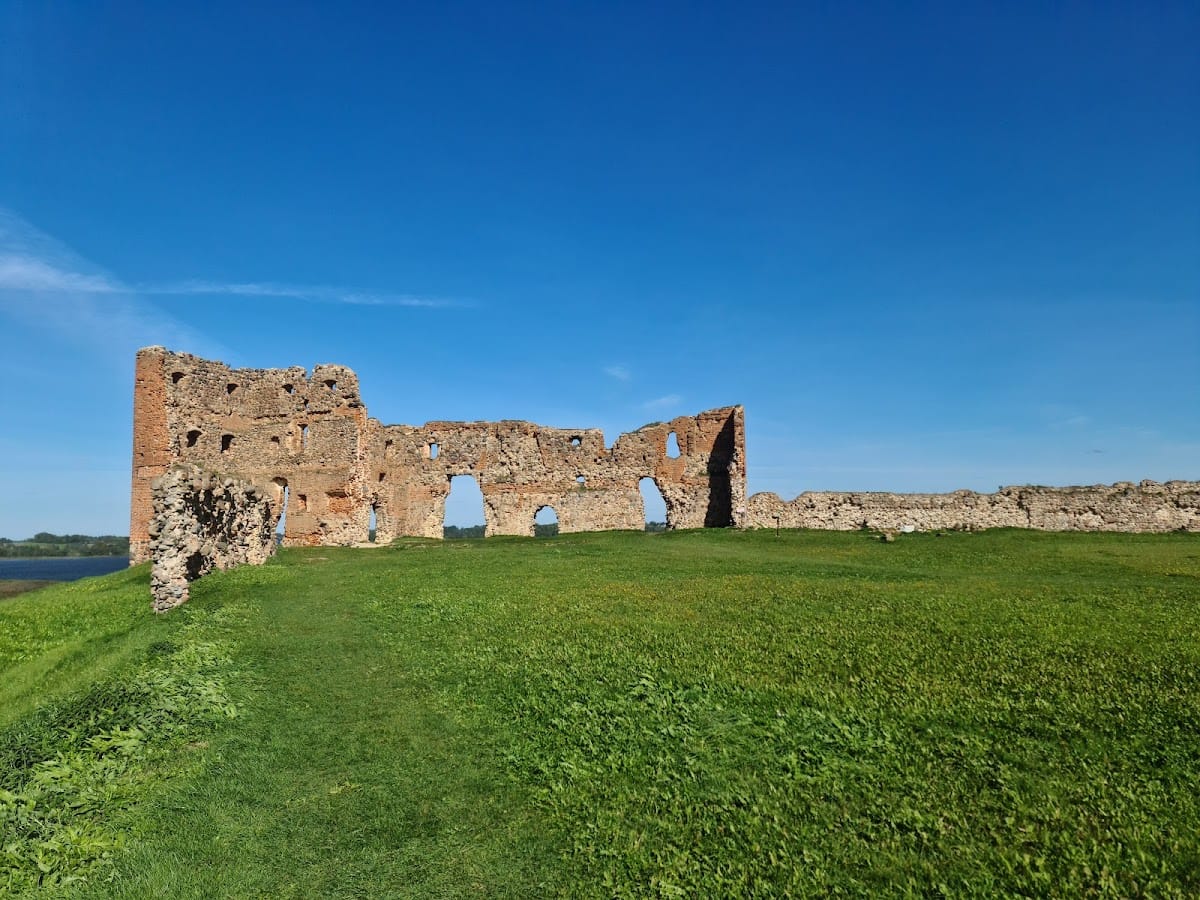
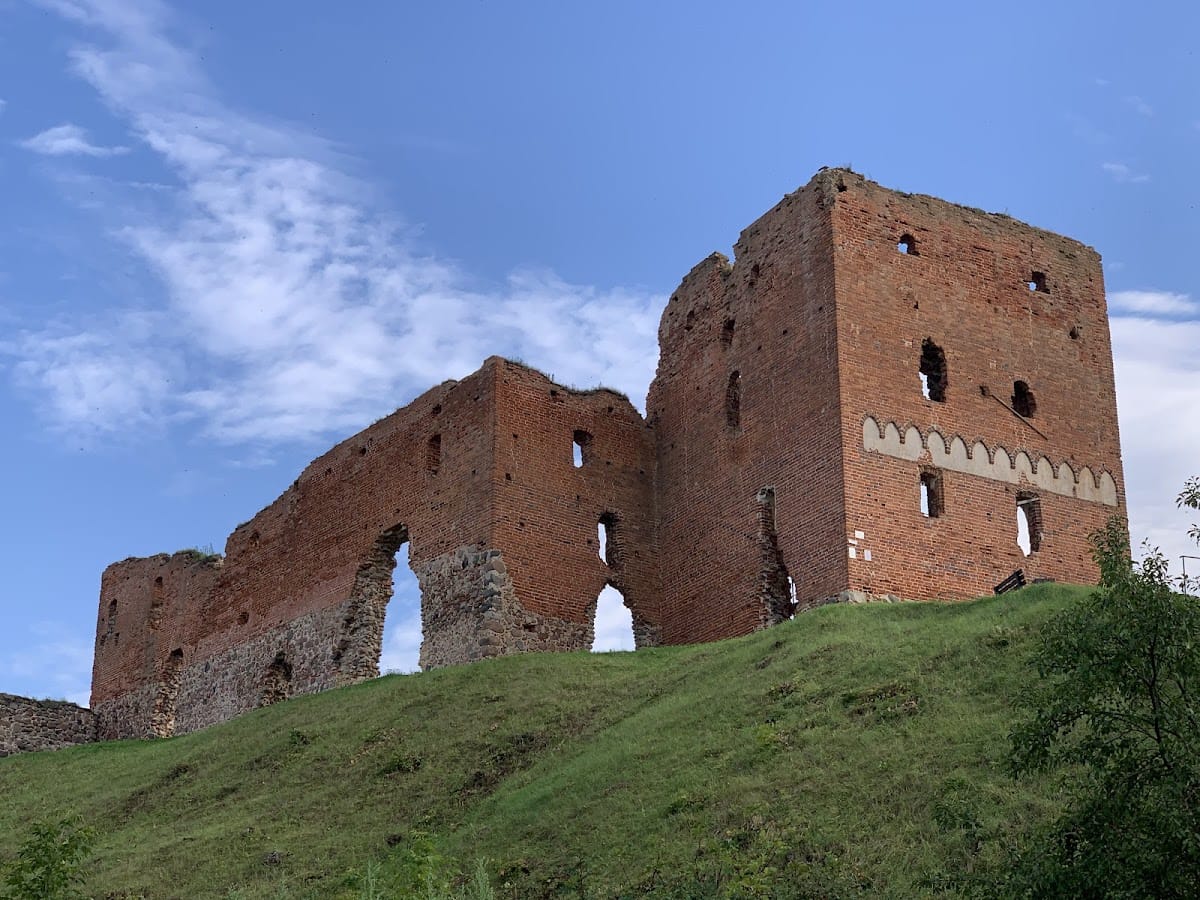
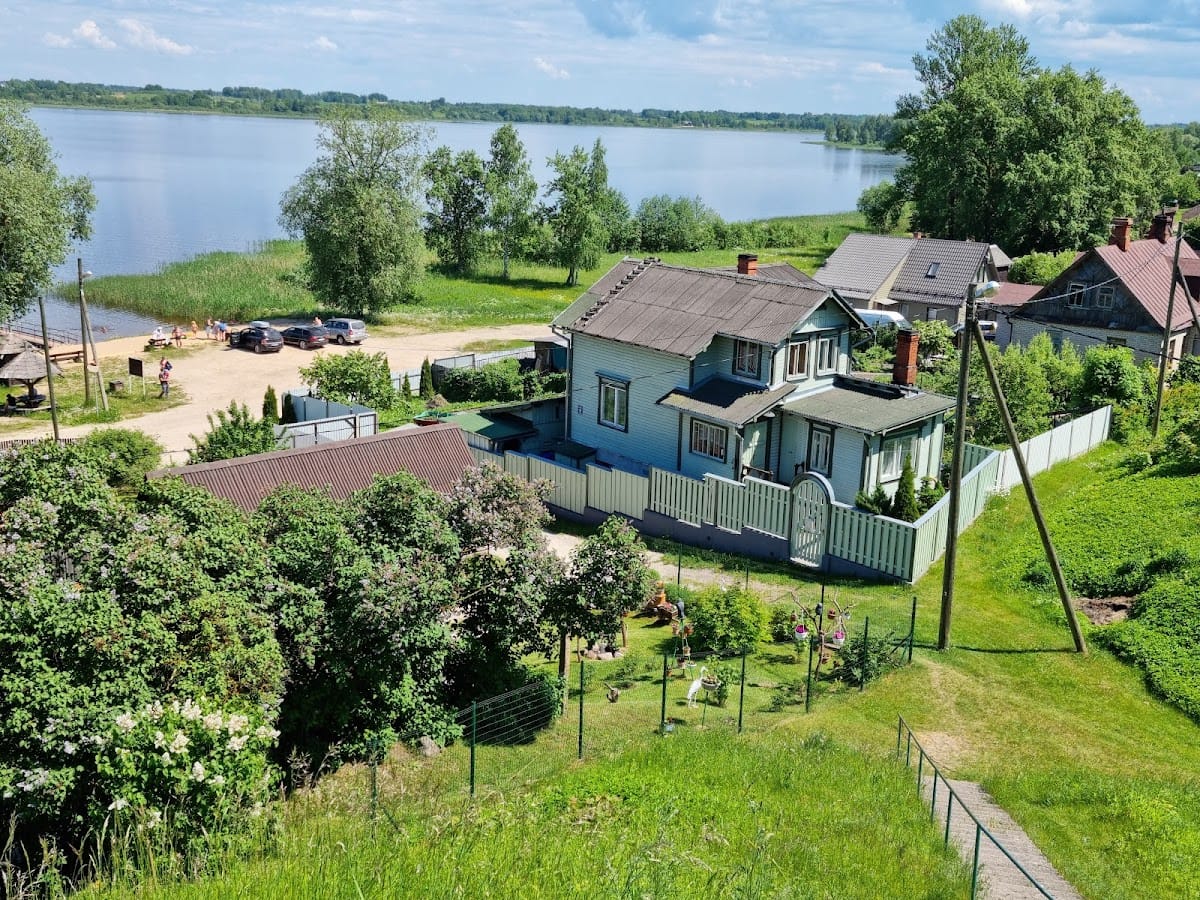
Ludza Castle occupies a natural ridge located between two lakes, a setting that provided both height and water defenses. The fortress was originally designed as a hilltop stronghold with a complex layout consisting of a main central tower and two outer baileys, each encircled by robust defensive walls and moats. The main tower, a key residential and defensive structure, rises to about 15 meters and was built primarily with brick using Gothic architectural techniques typical of the late 14th century. Its lower sections employed a brick pattern known as Wendish bond, while upper stories used Gothic bond, both presenting decorative pointed arch friezes crafted from red and dark bricks.
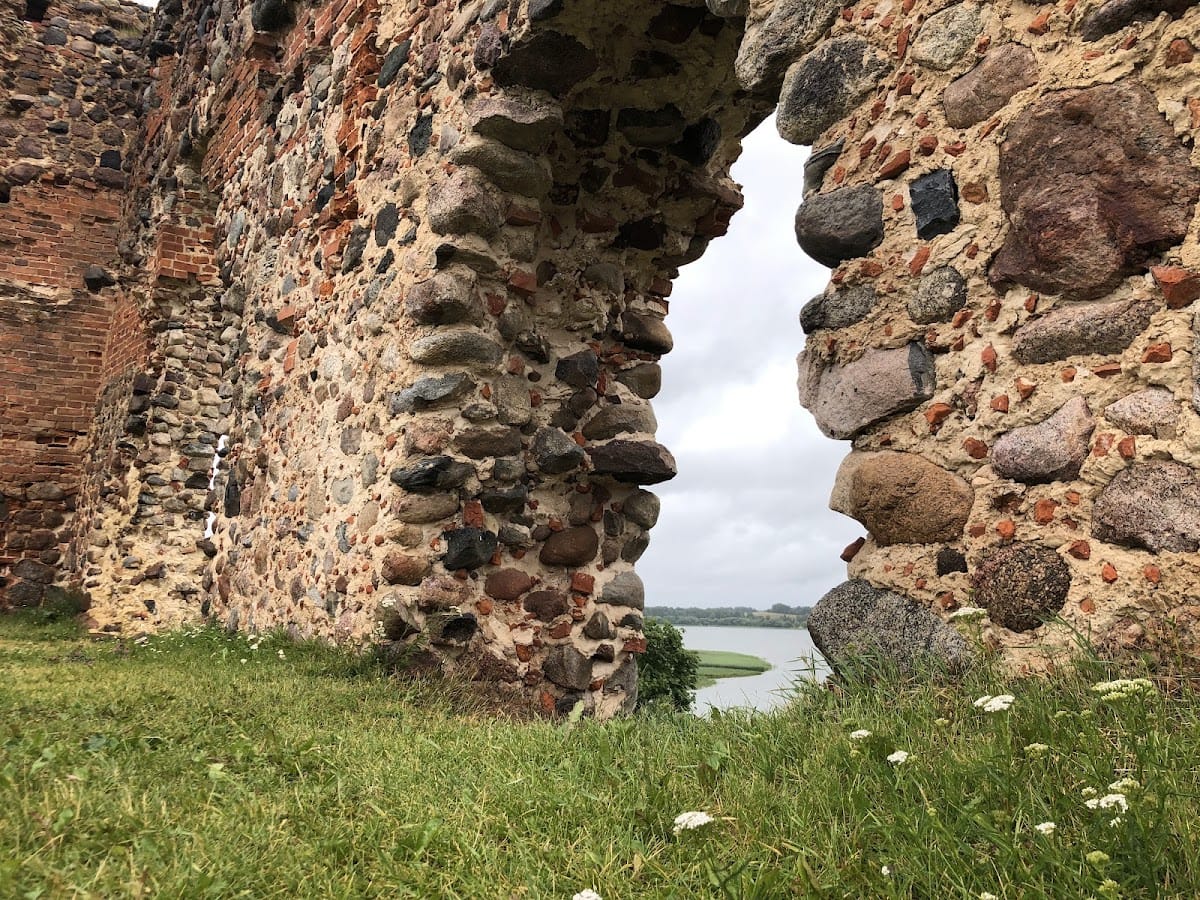
The castle’s outer defenses included two enclosed courtyards or baileys, separated by a straight moat that historically linked the surrounding lakes. The first bailey was fortified with a lengthy stone and brick wall approximately 500 meters long and 4 meters high, featuring six towers and a gatehouse. This wall was constructed using the early “Schalenmauer” method, which combined fieldstones with brick reinforcements for strength and durability. Defensive elements such as three gates and six towers are documented, reflecting the castle’s role in controlling access and repelling assault.
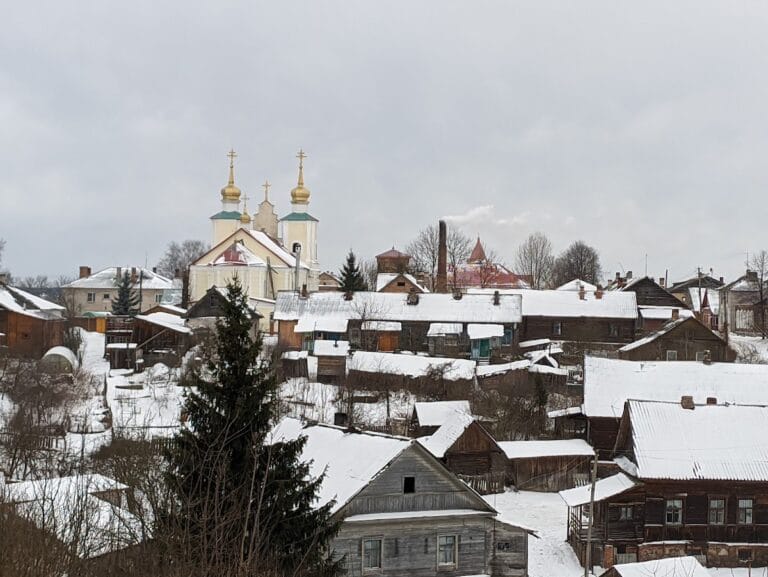
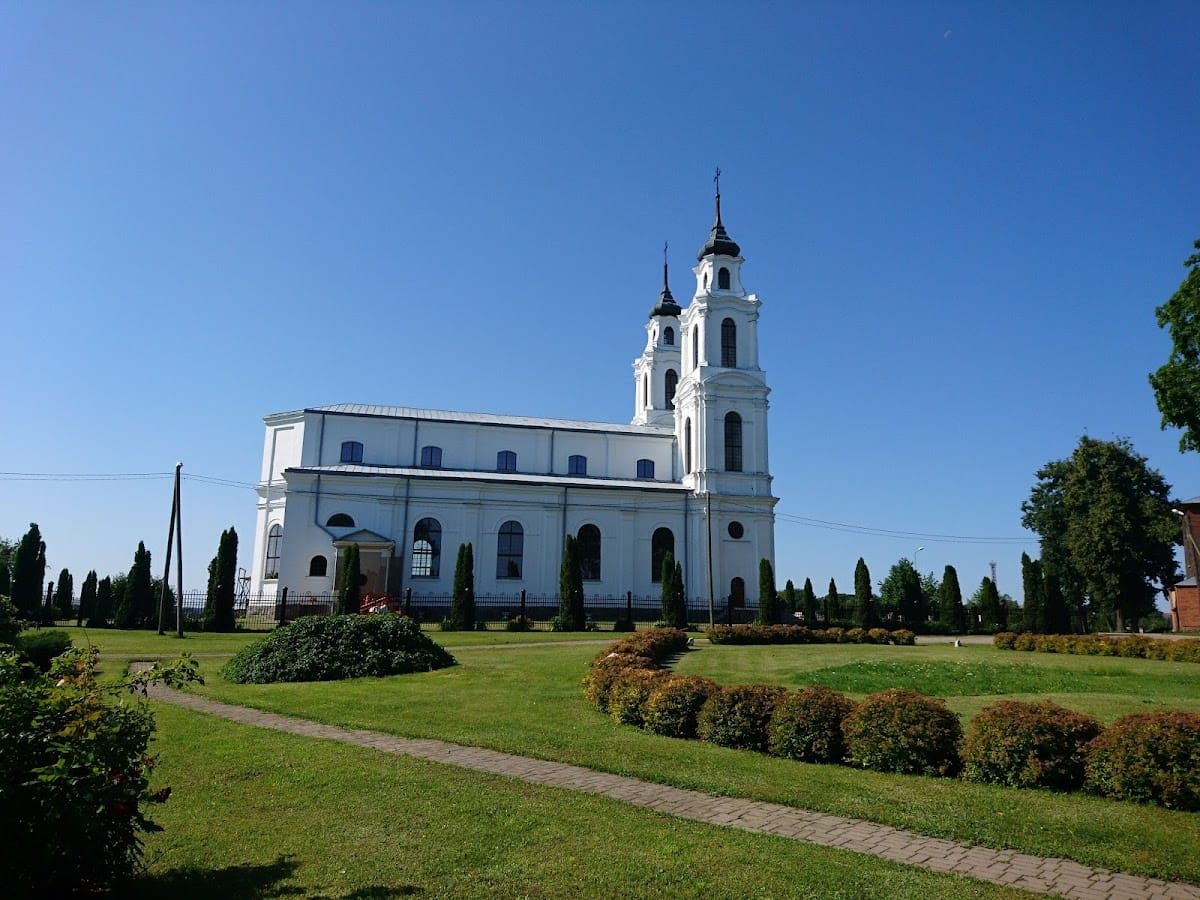
Within the inner bailey, the large square tower contained vaulted cellars, a main living floor, and upper chambers. Historical inventories from 1599 describe a wooden gallery running along three sides of the enclosed courtyard, suggesting a cloister-like arrangement reminiscent of convent buildings. The second bailey likely contained a medieval Roman Catholic church, later replaced by a Lutheran church built by the local starost Laurenz Skarbek after the Livonian War changed the religious and political landscape. In modern times, a white Catholic church with two towers was erected on this site in 1995, maintaining the location’s long-standing sacred association.
Today, portions of the main residential buildings and significant stretches of the first bailey’s defensive walls remain visible, though much of the castle lies in ruins. The moat, while no longer filled with water, is still discernible in the landscape. Archaeological research has uncovered a thick cultural layer in the outer bailey, around three meters deep, which revealed two main phases of habitation corresponding to the Livonian Order’s control and the period of Polish administration. These findings help clarify the castle’s long-term occupation and adaptations over the centuries. No traces were found of earlier Latgalian Iron Age fortifications beneath the current castle’s foundations, confirming that the stone structure was the earliest substantial masonry fortification at this site.