Korybut Castle: A Historic Fortified Stronghold in Czechia
Visitor Information
Google Rating: 4.5
Popularity: Low
Official Website: www.jeseniky.net
Country: Czechia
Civilization: Medieval European
Site type: Military
Remains: Castle
History
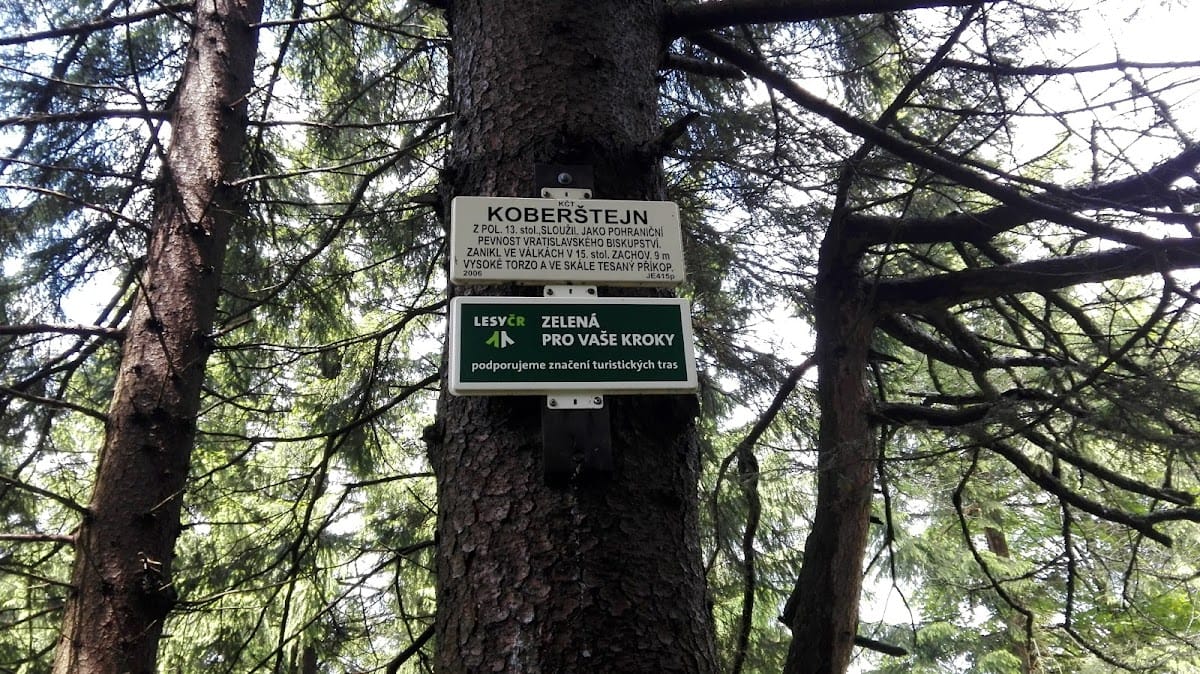
Korybut Castle is situated near the village of Rejvíz in the municipality of Zlaté Hory, Czechia. It was built by a Silesian ruling family in the late 13th century as a fortified stronghold.
The castle was likely established by Prince Bolek Svídnický at the end of the 1200s to secure a key land passage connecting Zlaté Hory and Vrbno. It functioned as a defensive post balancing another nearby fortress known as Quinburk, located in Moravia. Additionally, Korybut played a role in protecting the southern border of the Nisa principality and overseeing an important merchant route running through the valley of the Černá Opava river.
In the early 14th century, control transferred to the princes of Opava. Under Mikuláš II Opavský’s rule, the castle underwent significant rebuilding, including the addition of a stairway annex to the main tower and renovation of the outer defensive enclosure. These changes reflect an effort to bolster its fortifications and living quarters.
Sometime after 1400 and no later than the mid-15th century, the castle was abandoned. This decline may have been influenced by regional conflicts such as those involving Matthias Corvinus, a powerful king whose military campaigns affected many castles in the area. By the 1500s through the mid-1600s, the site reportedly served as a refuge for robbers, known as raubritters in German, who took advantage of its deserted state.
The first written record mentioning the castle dates back to 1687, at which point it was described as deserted. No detailed chronicle or inscription remains directly associated with the castle’s original inhabitants, leaving much of its story to archaeological interpretation.
Remains
The ruins of Korybut Castle cover an area roughly 85 by 100 meters on the slope of Zámecký vrch, reaching about 912 meters above sea level. The complex features two main construction phases apparent from the surviving structures.
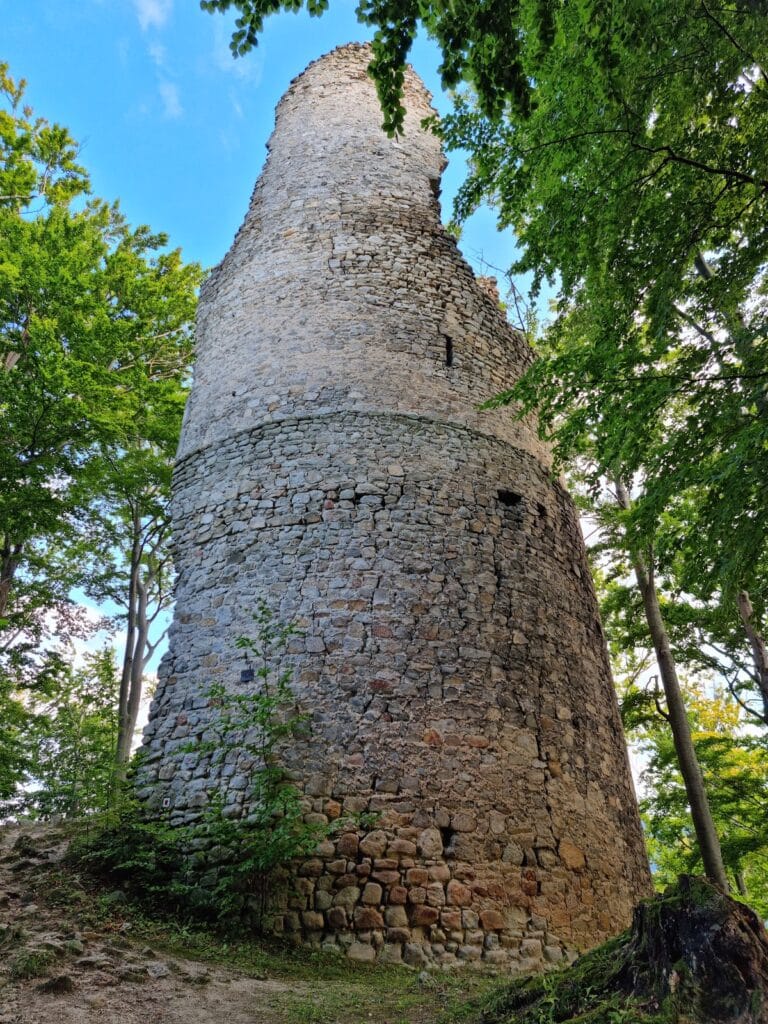
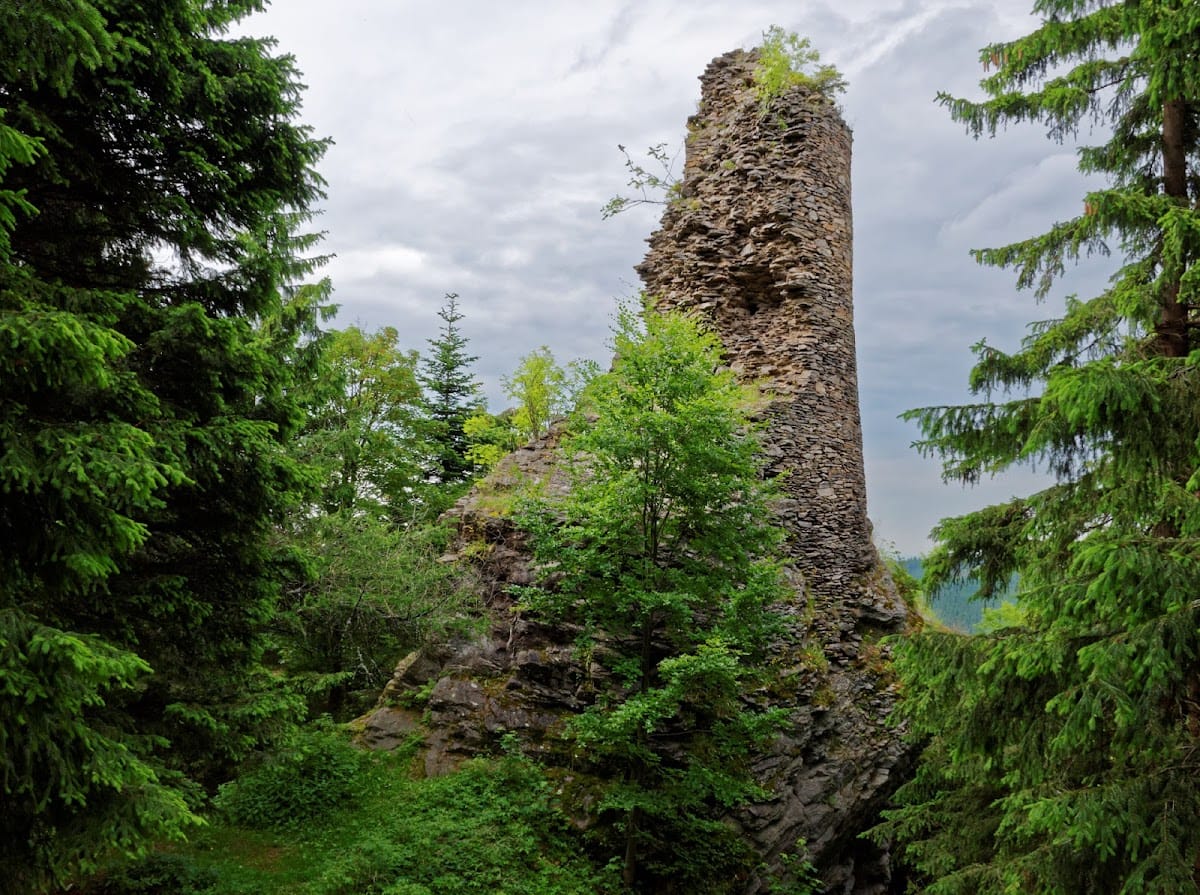
At the heart of the castle stood a large stone tower, originally about 9 meters tall and 10 meters in diameter. Its interior was quadrilateral, a distinctive layout. The tower likely had three levels and included a ground-level passageway, unusually positioned given the surrounding terrain. Access to the tower was primarily from its first floor. Adjacent to the tower during the later rebuilding, a stairway annex was added, enhancing vertical movement within the structure.
Surrounding the tower was a courtyard enclosed by a stone curtain wall. Initially, this square encompassed a residential palace. A defensive double moat encircled this inner ward, with the first moat measuring between 13 to 28 meters wide and 4 to 10 meters deep. These earthworks likely supported a wooden palisade that formed part of the early defensive system.
During the 14th-century modifications, the palace was probably heightened, and a new stone wall featuring a rounded bastion tower and gate was built on the second earthwork. The courtyard gained further service buildings, reflecting expanded functionality.
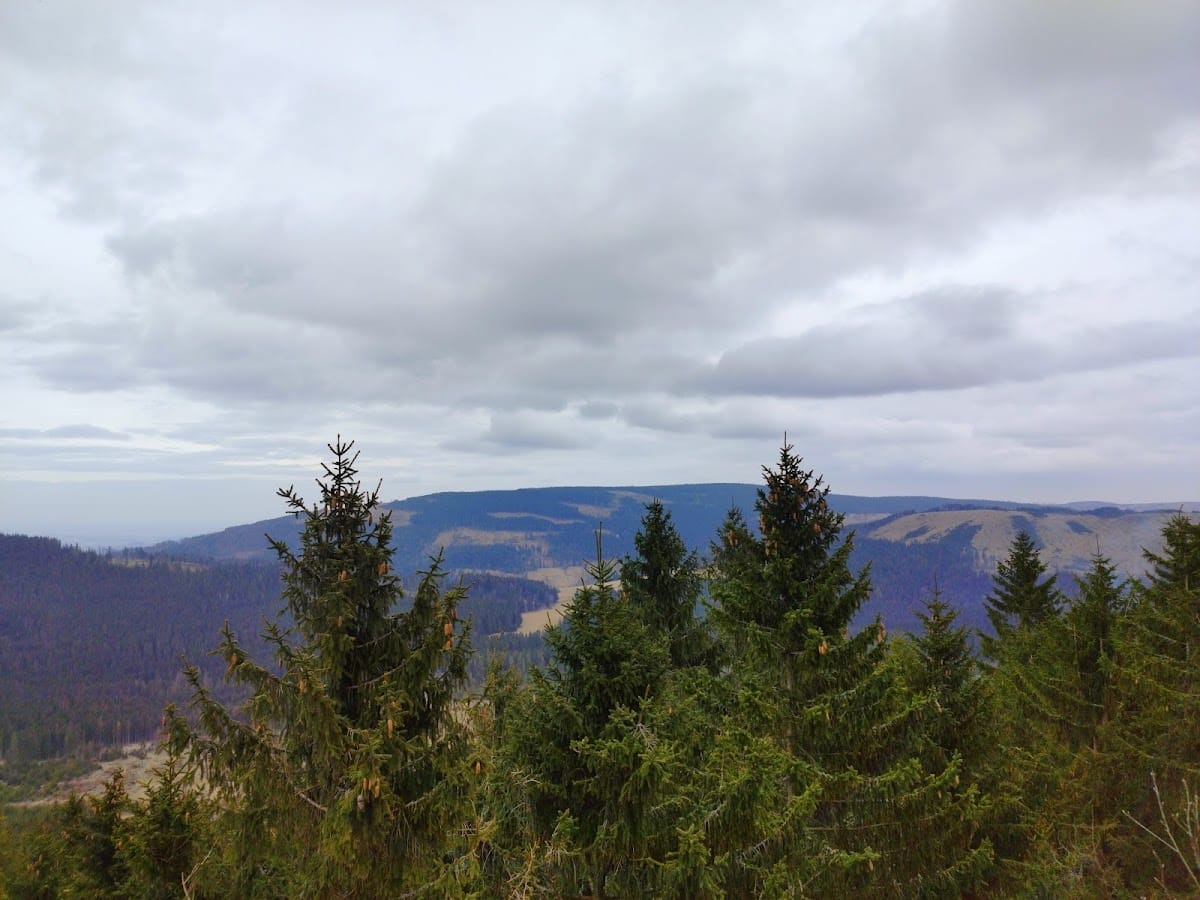
Today, only fragments remain, notably the substantial stone tower torso. Close by stands a stone lookout point offering panoramic views of the nearby village Starý Rejvíz, surrounding mountain landscapes, and on clear days, across the border into Poland.
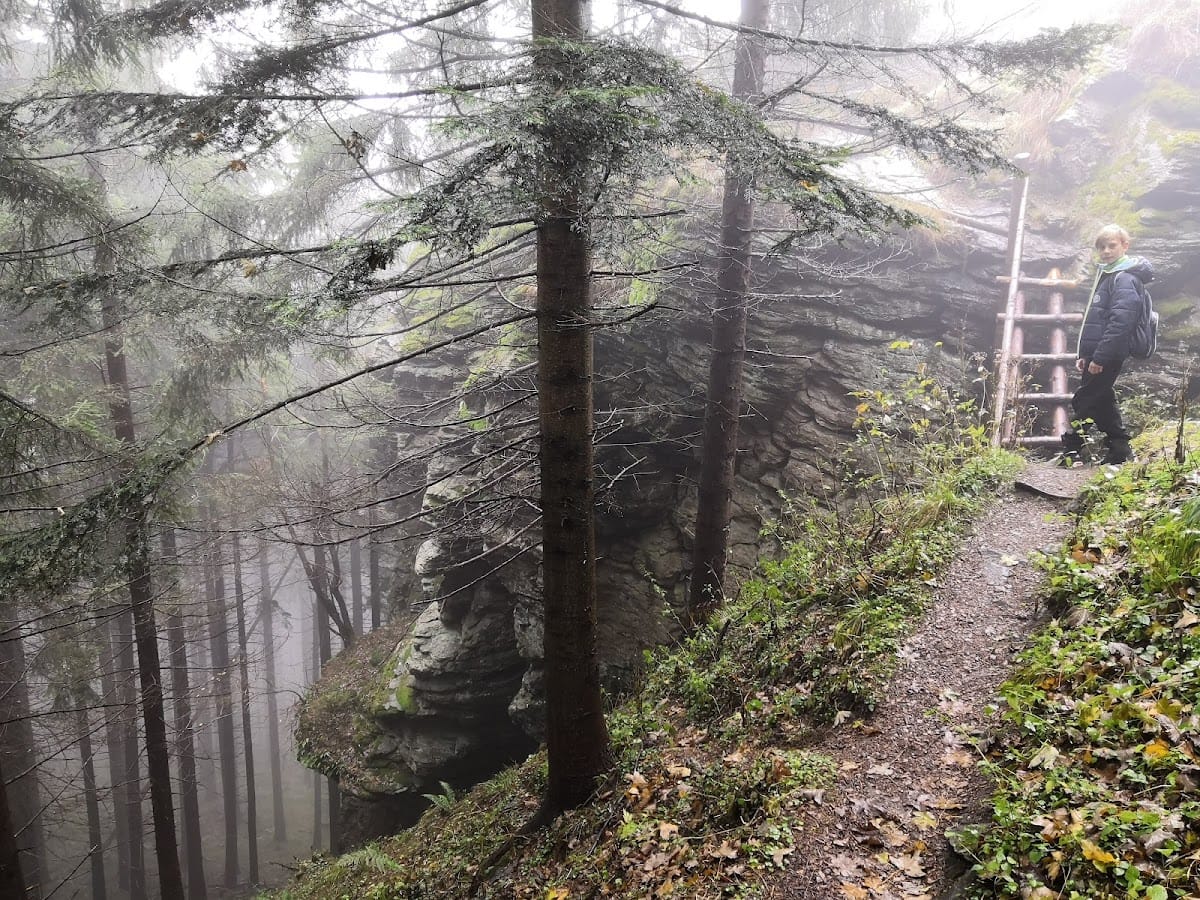
The castle lies on slate bedrock with quartz veins rising up to 25 meters high. These natural rock formations now serve modern rock-climbers, with secured routes and a summit register on the tower known by the names “Arbara viro” or “Lesní muž.” This setting highlights the castle’s enduring connection to the natural environment in which it was constructed.
Nearby sites