Ravenhof Castle: Historic Estate and Park in Belgium
Site at a Glance
- Rating
- 4.3
- Popularity
- Medium
- Country
- Belgium
- Primary era
- Modern
- Eras represented
- Early Modern, Modern
- Civilizations
- Belgian, Duchy of Brabant, French, Habsburg, Habsburg Austria, Holy Roman Empire
- Site type
- Domestic
- Remains
- Castle
On this page9 sections
History
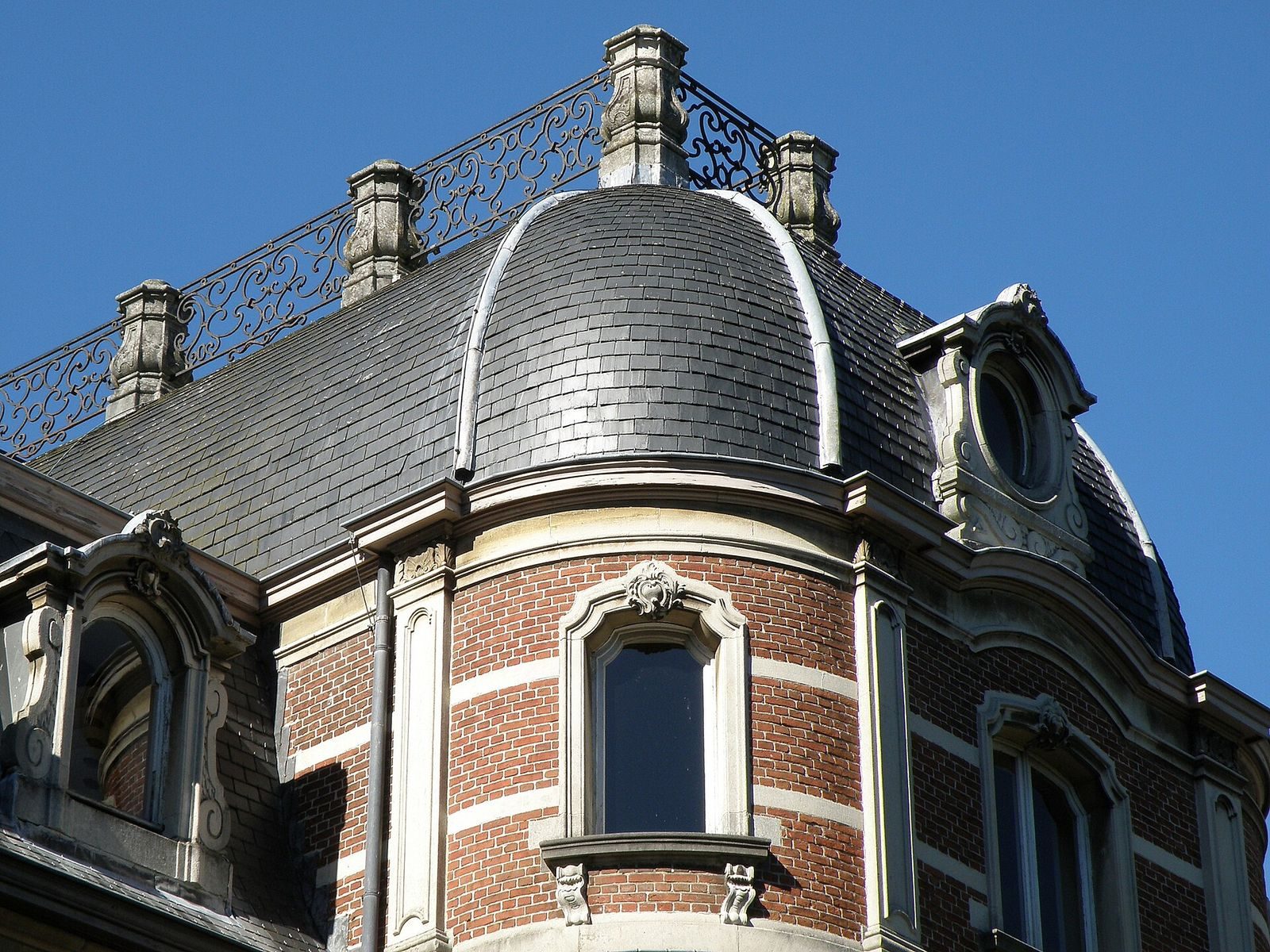
Ravenhof Castle is an estate west of Putte-Stabroek, Belgium, whose present building dates from the 19th and early 20th centuries. Its history reaches back to a farm and estate that preceded the castle.
Early estate and castle
A farm may have stood on the site in the 13th or 14th century. During the 14th and early 15th centuries, the estate belonged to the Van Steenland family and was known as Goet van Steenlant. It passed to the Van Immerzeel family in the 15th century. Cornelis van Tongerlo acquired it in 1552, and a castle was built during his ownership.
The Moretus estate and park
After passing through the hands of Petronella Rompaerts, Johanna Hujoel, the Van der Goes family and Hendrik Hillewerve, the estate was transferred to Balthasar Moretus in 1679. Moretus, a printer and publisher descended from Antwerp printer Jan Moretus, gave the estate its name Moretushof; it was also called Crayenhof. In the second half of the 18th century, Johannes Josephus Moretus commissioned a park on heathland. Local people were hired to reclaim the land and turn it into a wooded park, with the gardens at Versailles serving as inspiration. The park was completed in 1770.
Rebuilding and later uses
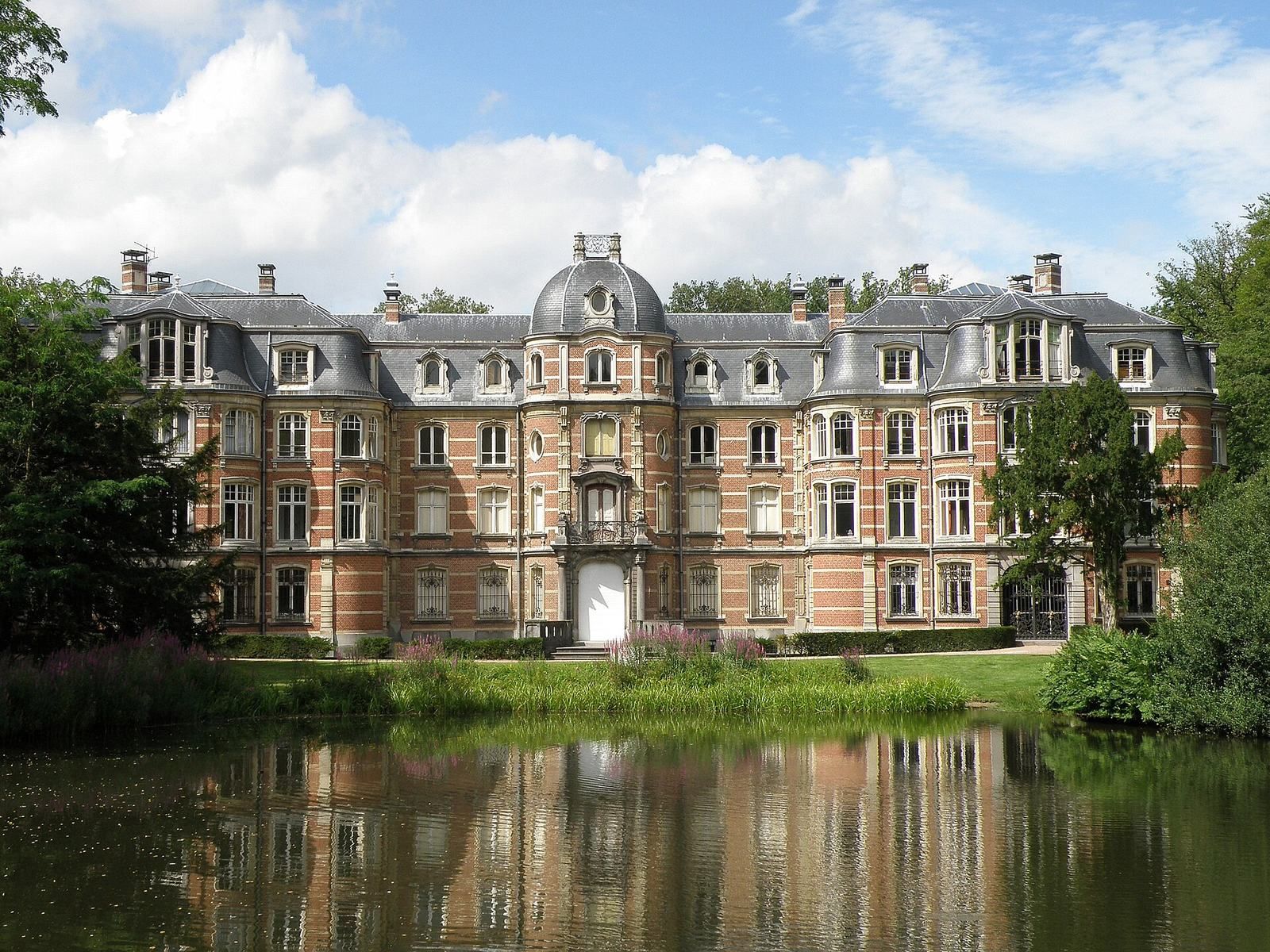
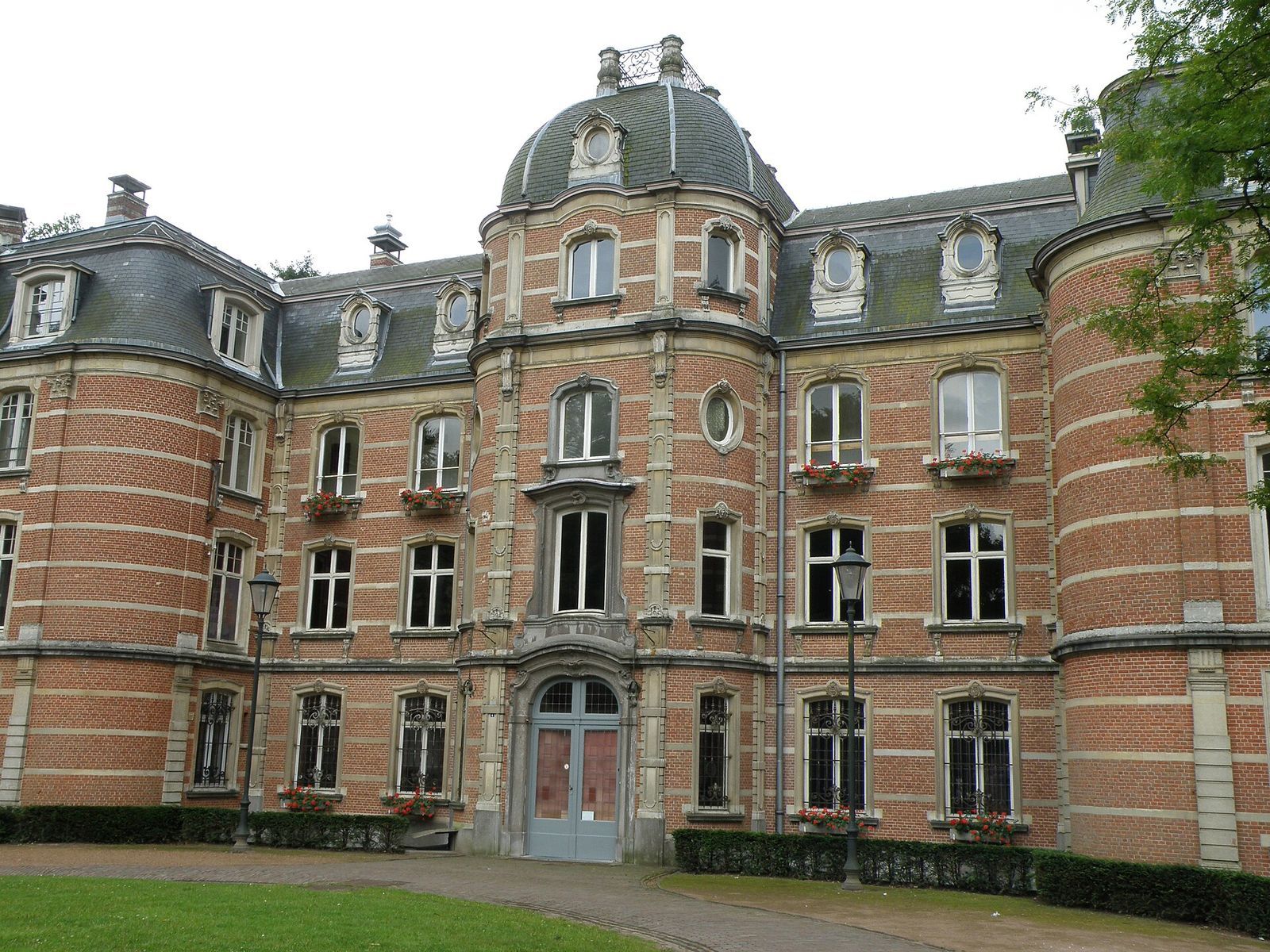
In 1810, Johannes Josephus Moretus’s nephew Philippe Antoine Joseph de Pret rebuilt the castle. Ravenhof came into use as its name around this time. From 1911 to 1920, owner Charles Moretus Plantin enlarged the building. The Assumptionist Fathers, a Catholic religious congregation also known as the Augustinians of the Assumption, then acquired it and renamed it Assumptiehof. Various Catholic organizations used the castle. Stabroek municipality acquired it in 1979, and since 1982 it has housed socio-cultural associations.
Remains
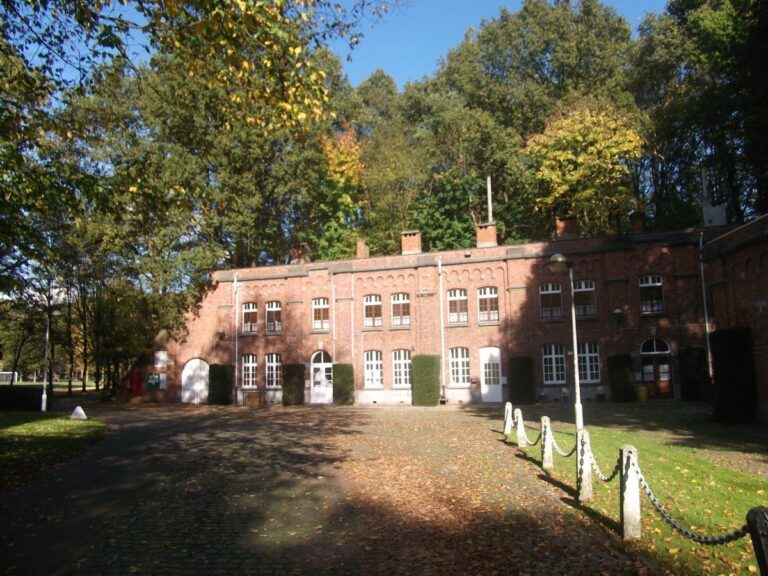
The surviving estate includes the castle and a coach house, alongside designed parkland that crosses the Belgian-Dutch border.
Castle buildings
The castle
The castle’s projecting central section survives from de Pret’s rebuilding, while two side wings flank it. The earlier castle was described in 1569 as a pleasure house surrounded by a moat. In 1716, it was characterized as a tower-like residence with a farmstead.
Coach house
A coach house built in the first quarter of the 20th century was later converted into a café-restaurant.
Parkland
The park extends mainly into the Netherlands, where it is known as Moretusbos and forms part of the cross-border De Zoom-Kalmthoutse Heide park. On the Belgian side, a 25-hectare park surrounds the castle and includes a notable collection of trees assembled for their botanical characteristics, among them a monumental Atlas cedar. The park’s Baroque design, an elaborate and dramatic European style, incorporates artificial changes in elevation. It also contains the Gloriëtte tea pavilion, designed in the Louis XV style, a form of French decorative design from the 18th century often associated with Rococo.