Fort van Schoten: An Outer Fort of Antwerp’s Defensive System


Site at a Glance
- Rating
- 3.3
- Popularity
- Very Low
- Country
- Belgium
- Primary era
- Modern
- External website
- Open
- Eras represented
- Modern
- Civilizations
- Belgian
- Site type
- Military
- Remains
- Fort
On this page6 sections
History
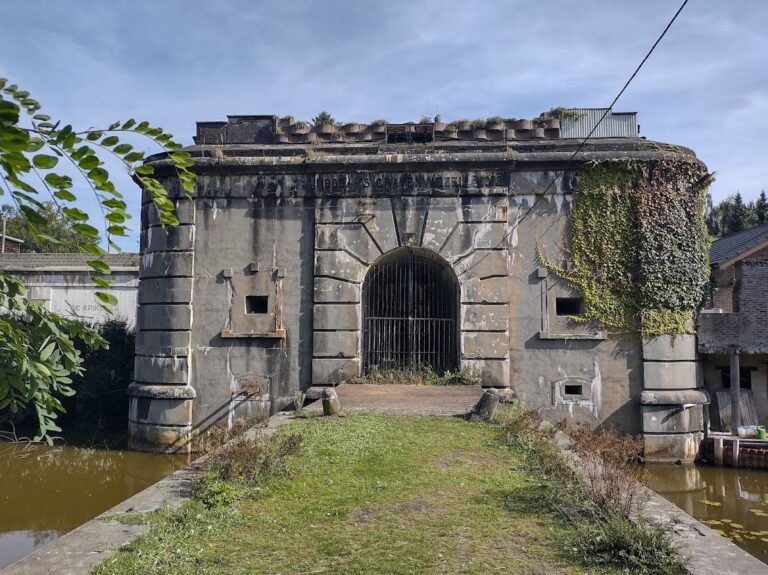
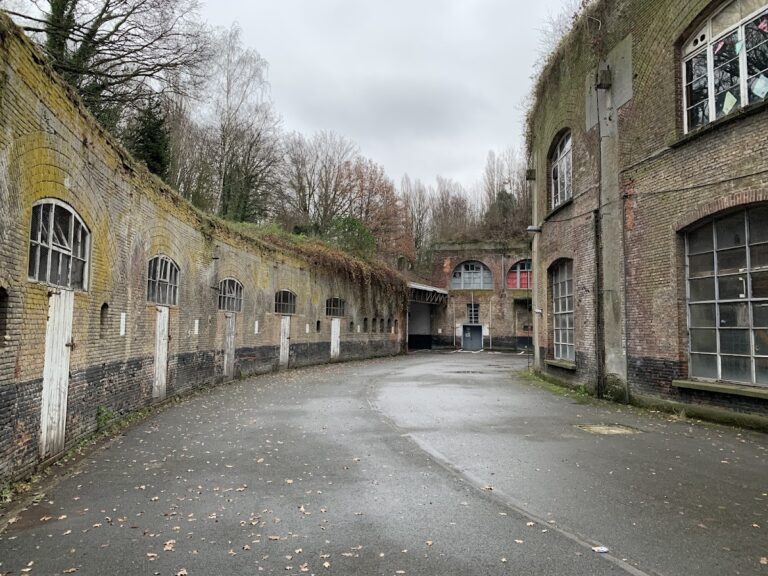
Fort van Schoten is a Belgian fort in Schoten that formed part of Antwerp’s fortified defensive system and its outer ring of forts. Construction began in brick in 1885, and the fort was completed in concrete in 1893 with armoured turrets. Its purpose was to defend the Dessel–Turnhout–Schoten Canal and the Brechtsebaan.
Construction and military role
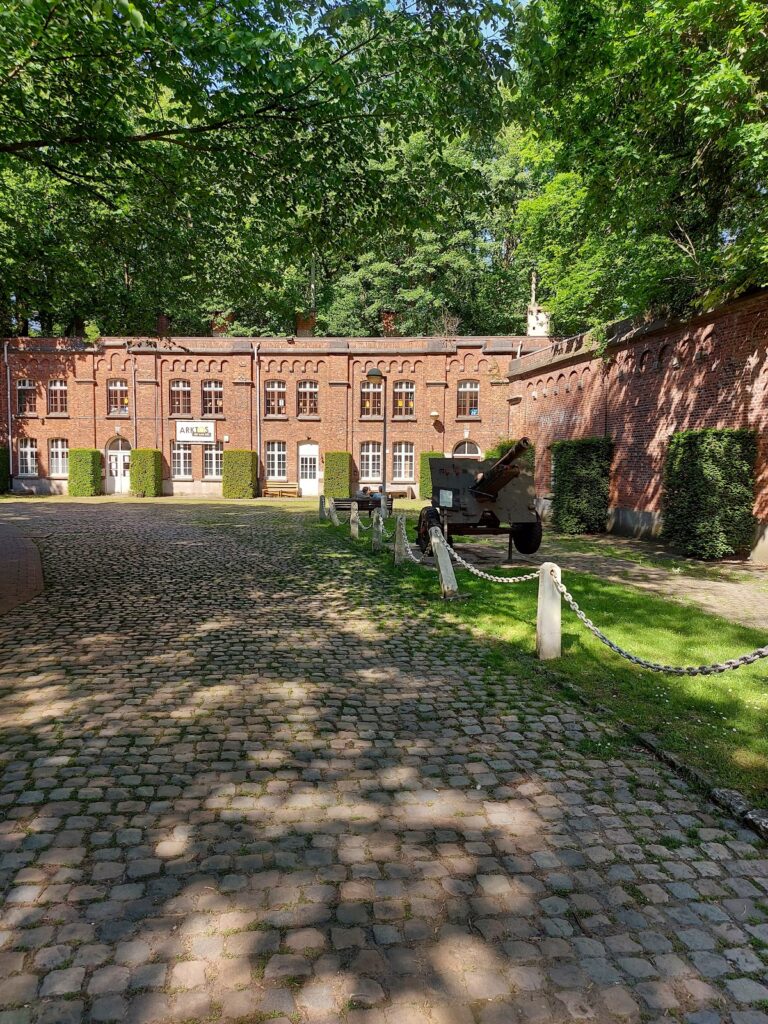
The fort’s construction moved from brickwork to concrete during its development. A narrow-gauge railway connected it with the railway leading to Antwerp and carried ammunition to the position. In 1906, a defensive turret was added to the central redoubt, and several other buildings were erected at later dates.
Protection and continued use
The moat and most of the buildings received monument protection in 1998. The Belgian Army remains the owner, and the fort continues to serve as a kerosene transfer-pumping installation at a junction of pipelines belonging to the Central Europe Pipeline System, NATO’s network for transporting fuel across parts of Europe.
Fort van Schoten and its surroundings also lie within a Natura 2000 area, the European Union’s coordinated network of protected sites for important habitats and species. The protected area covers 3.585 square kilometres and is managed by the Agency for Nature and Forests, Natuurpunt, a Flemish nature-conservation organization, and private landowners. Its bat habitat includes Geoffroy’s bat, the pond bat, Daubenton’s bat, Natterer’s bat, Brandt’s bat, and the whiskered bat.
Remains
Fort island and defensive structures
The fort is organized around a circular redoubt, a fortified internal enclosure, standing at the centre of the fort island. The original construction used brick before the completed fort adopted concrete, and armoured turrets formed part of its defensive equipment. A defensive turret added to the redoubt in 1906 remains part of the complex. Later building phases enlarged the site with several additional structures.
Moat, railway, and surrounding habitat
The moat and most of the fort’s buildings remain intact. The former narrow-gauge railway connection belongs to the site’s military infrastructure and linked the fort with the railway to Antwerp for ammunition transport. Around the fort, the protected landscape provides habitat for several bat species, including Geoffroy’s bat, the pond bat, Daubenton’s bat, Natterer’s bat, Brandt’s bat, and the whiskered bat.