Palace of the General Captaincy of the Canary Islands: Military Headquarters in Santa Cruz de Tenerife
Site at a Glance
- Popularity
- Medium
- Country
- Spain
- Primary era
- Modern
- Eras represented
- Modern
- Civilizations
- Spanish
- Site type
- Civic
- Remains
- Palace
On this page7 sections
History
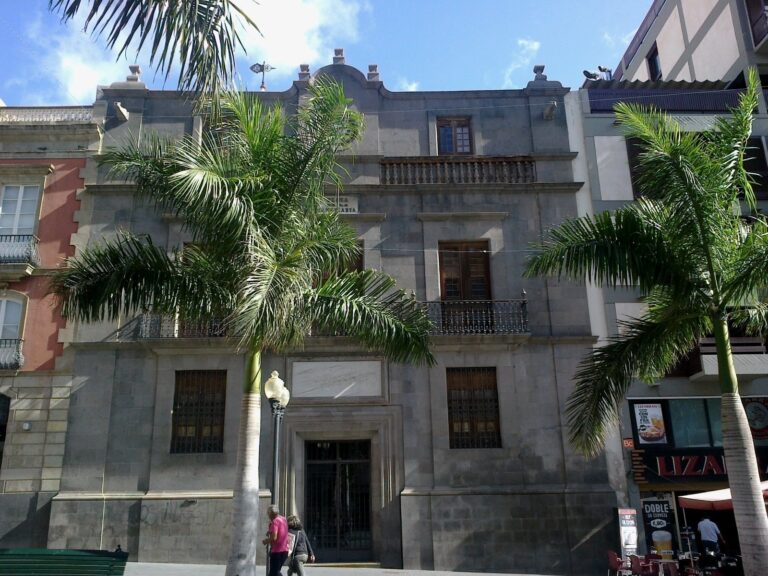
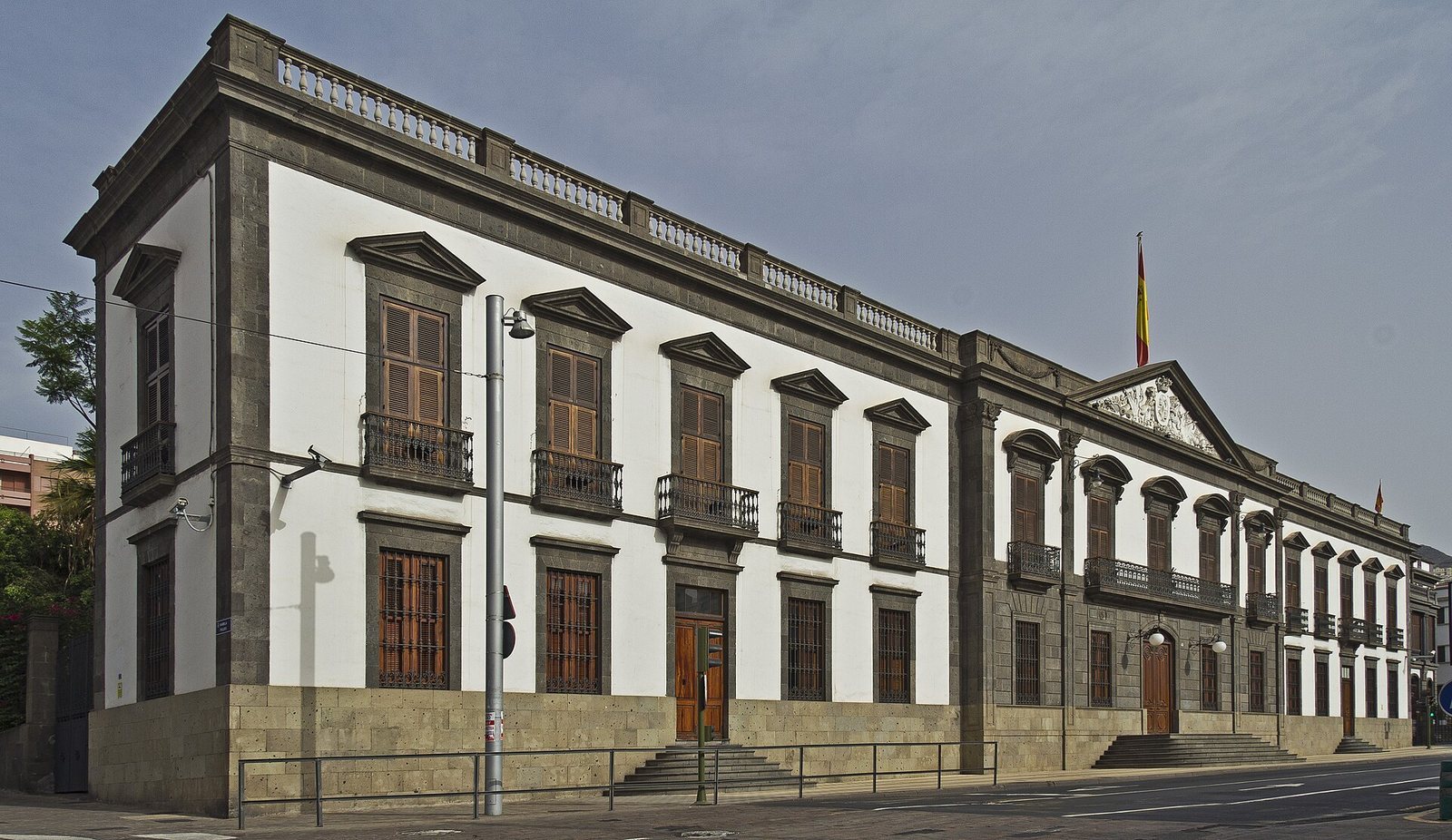
The Palace of the General Captaincy of the Canary Islands is a military headquarters in central Santa Cruz de Tenerife, Spain. Its construction date is uncertain, but the office of captain general, the archipelago’s senior military authority, dates from 1589. The Canary Islands’ military command office was established on the palace’s main floor in the late sixteenth century.
Establishing the military seat
The military command was first intended to be based in La Laguna, but Santa Cruz was ultimately selected despite its exposure to naval attacks. The decision influenced the city’s development. In 1656, Santa Cruz became the seat of the archipelago’s general military headquarters and retained that role even during a period when La Laguna was the capital.
The palace and its continuing role
Valeriano Weyler y Nicolau, a Spanish military officer and politician, commissioned the palace. The Captaincy General has occupied it since 31 December 1880, and the palace’s present location dates to 1881. It remains the headquarters of the Canary Islands’ military leadership and houses the Intermediate Military Archive of the Canary Islands.
The Pascua Militar, a Spanish military observance, was instituted in 1782 during the reign of Charles III, King of Spain from 1759 to 1788. It marked the recovery of Menorca from English control and expressed the monarch’s esteem for the Canarian army. The annual celebration continues at the palace, led chiefly by the Canary Islands’ armed forces, with the head of the Canary Islands Military Command representing the King of Spain.
Remains
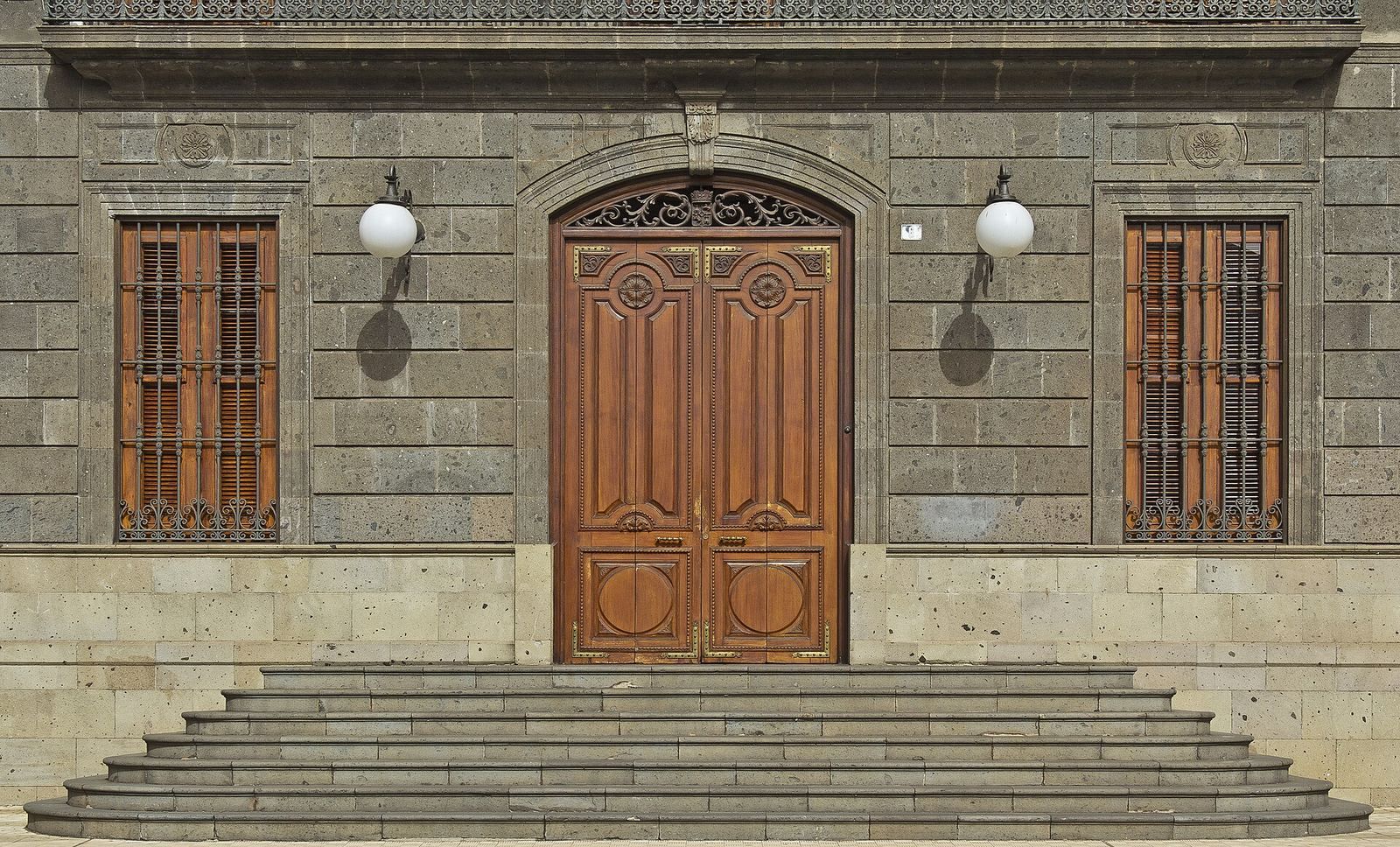
Opposite Plaza Weyler in central Santa Cruz de Tenerife, the palace includes a formal section with an assembly hall. Its exterior pediment and gala dining room also carry decorative work by Gumersindo Robayna.
Decorative features
Assembly hall
Robayna’s iconography in the assembly hall brings together the arms and symbols of each Canary Island with those of Castile and León. Allegorical figures representing Law and Justice flank these emblems.
Pediment and gala dining room
Robayna created the reliefs on the palace’s exterior pediment and the ornamentation of the gala dining room, extending the palace’s decorative program beyond the assembly hall.