Fort van Brasschaat: A Fort in Antwerp’s Outer Defensive Ring
Site at a Glance
- Popularity
- Medium
- Country
- Belgium
- Primary era
- Modern
- Eras represented
- Modern
- Civilizations
- Belgian
- Site type
- Military
- Remains
- Fort
On this page8 sections
History
Construction and Antwerp’s defensive system
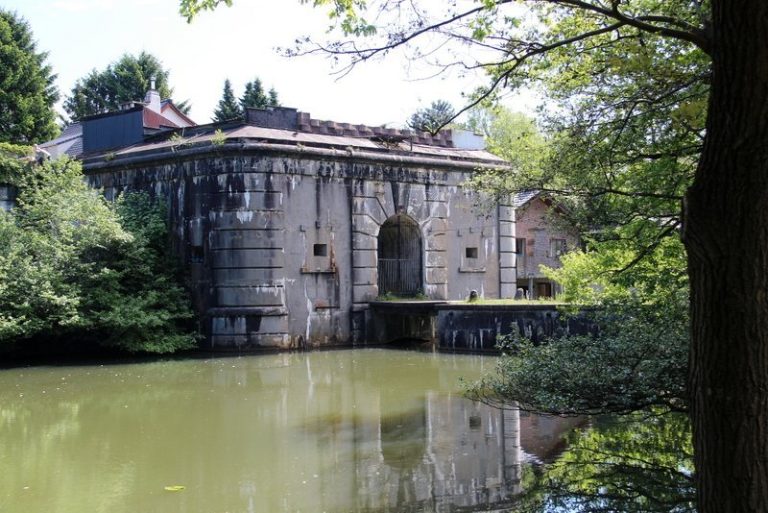
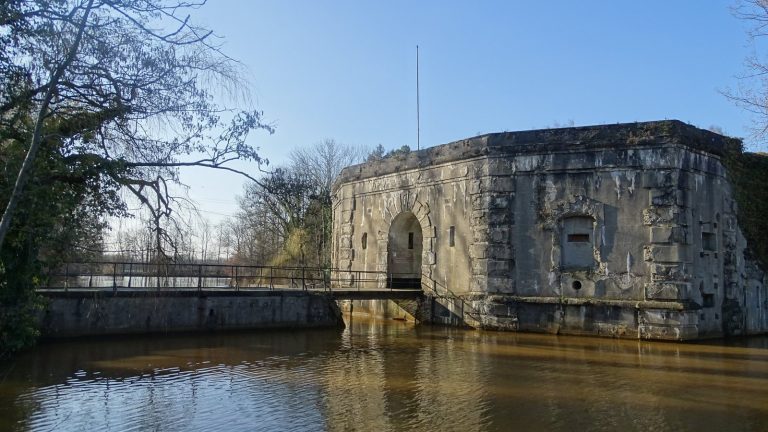
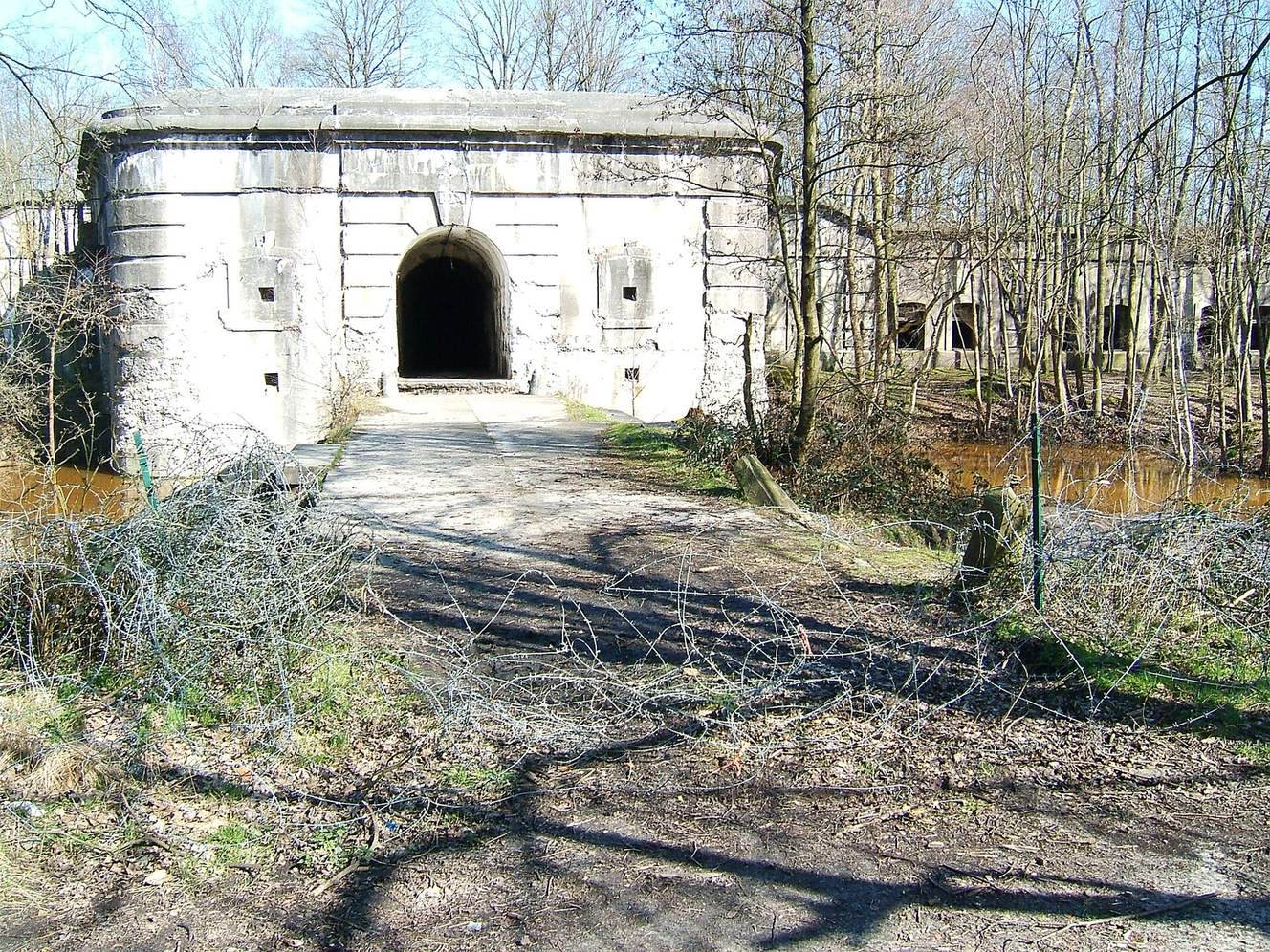
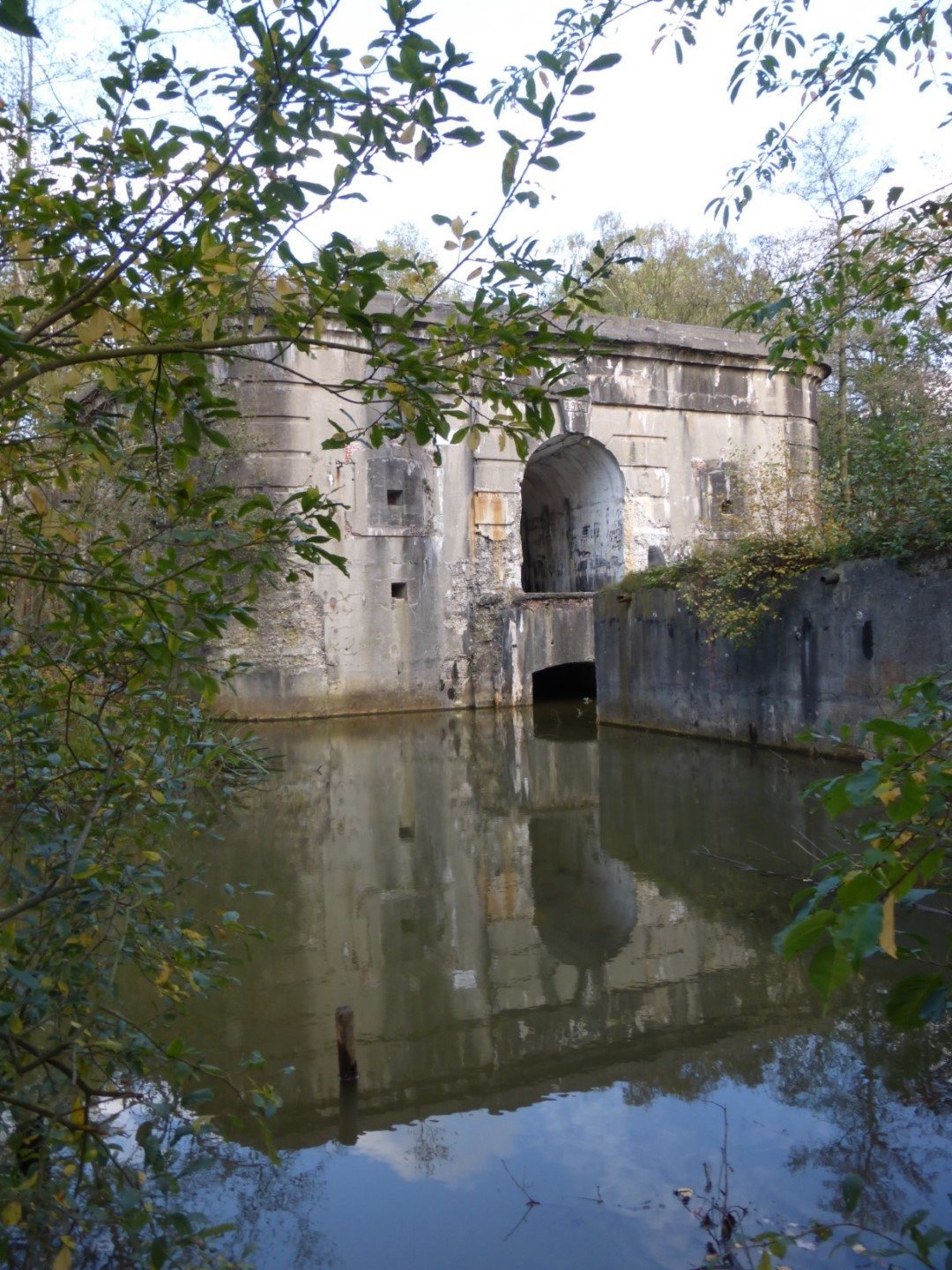
Fort van Brasschaat is a second-order fort in the municipality of Brasschaat, Belgium, built between 1909 and 1912 as part of Antwerp’s outer defensive ring. Antwerp had been chosen in 1859 as Belgium’s National Redoubt, a fortified fallback intended to shelter the army until allied help arrived. The plan combined a fortified enclosure, a ring of forts and deliberate flooding. Its first ring consisted of eight forts associated with military engineer Henri Alexis Brialmont, arranged along an 18-kilometre belt from Wijnegem to Hoboken.
After the 1870 war between France and Prussia, Belgian plans developed from three bridgehead forts to a more distant line designed to face newer artillery. A law passed on 30 March 1906 approved this outer system, known as the Main Resistance Position. It included 16 forts and 10 redoubts on the Scheldt’s right bank, and five forts and two redoubts on its left bank. Fort van Brasschaat belonged to both the outer ring and this later defensive system.
First World War
During the First World War, about 330 men garrisoned the fort. The defenders dug trenches and laid barbed wire, but the fort itself did not see combat. German forces attacked the southeastern part of Antwerp’s fort ring with artillery heavier than the system had been designed to withstand. Their weapons included the 30.5-centimetre Skoda Motor Mörser and the 42-centimetre Big Bertha, while the forts were designed to resist artillery up to 28 centimetres.
From 2 to 9 October 1914, the forts at Walem, Sint-Katelijne-Waver, Lier, Koningshooikt and Kessel were successively put out of action. The resulting collapse of the defensive position made Antwerp untenable. After the city surrendered, the Belgian army withdrew to the Yser line, a defensive position along the Yser River in western Belgium.
Later alterations and present use
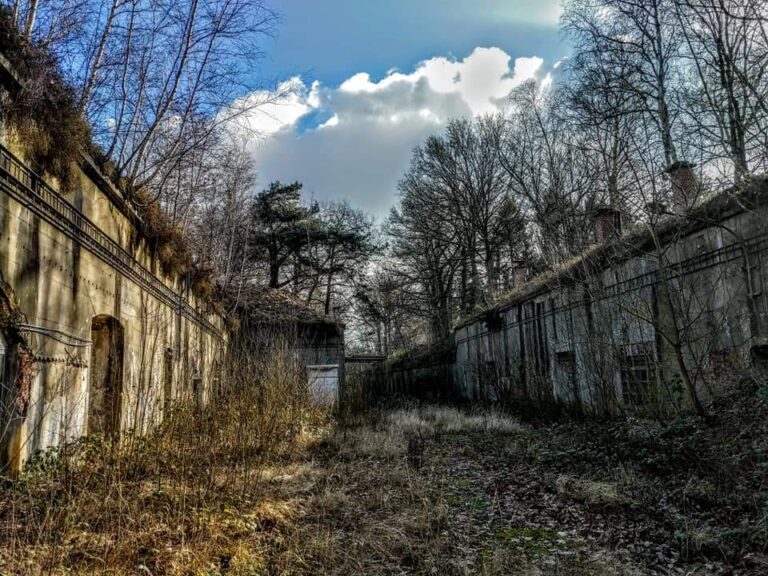
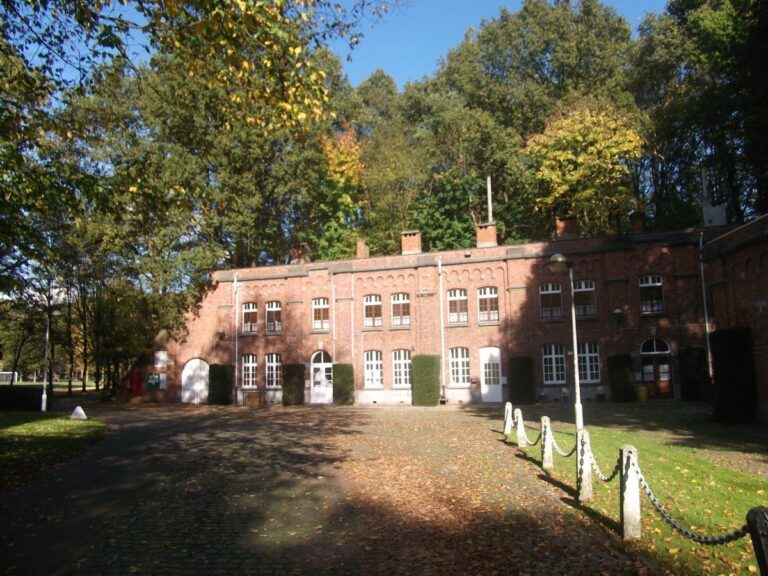
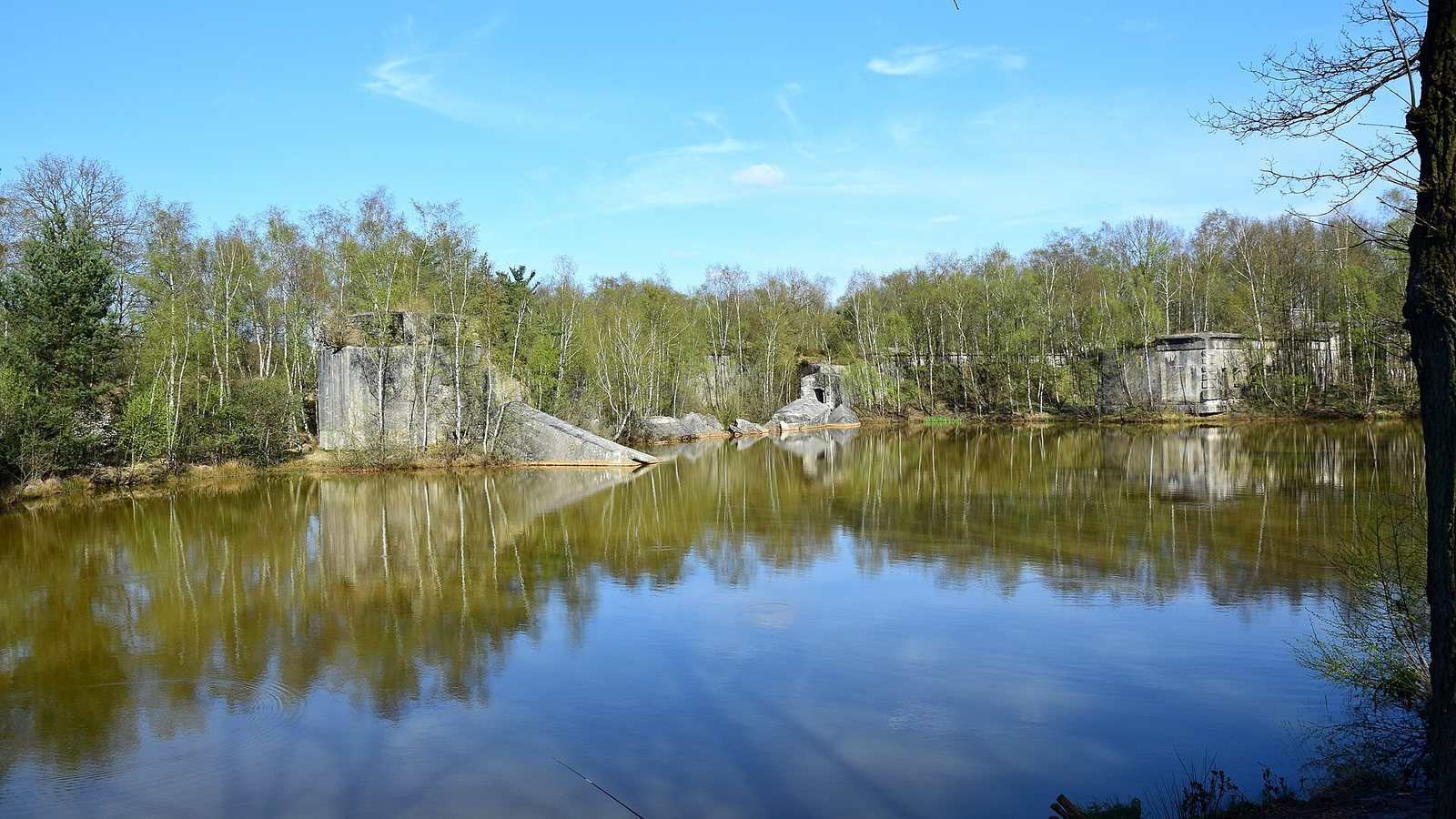
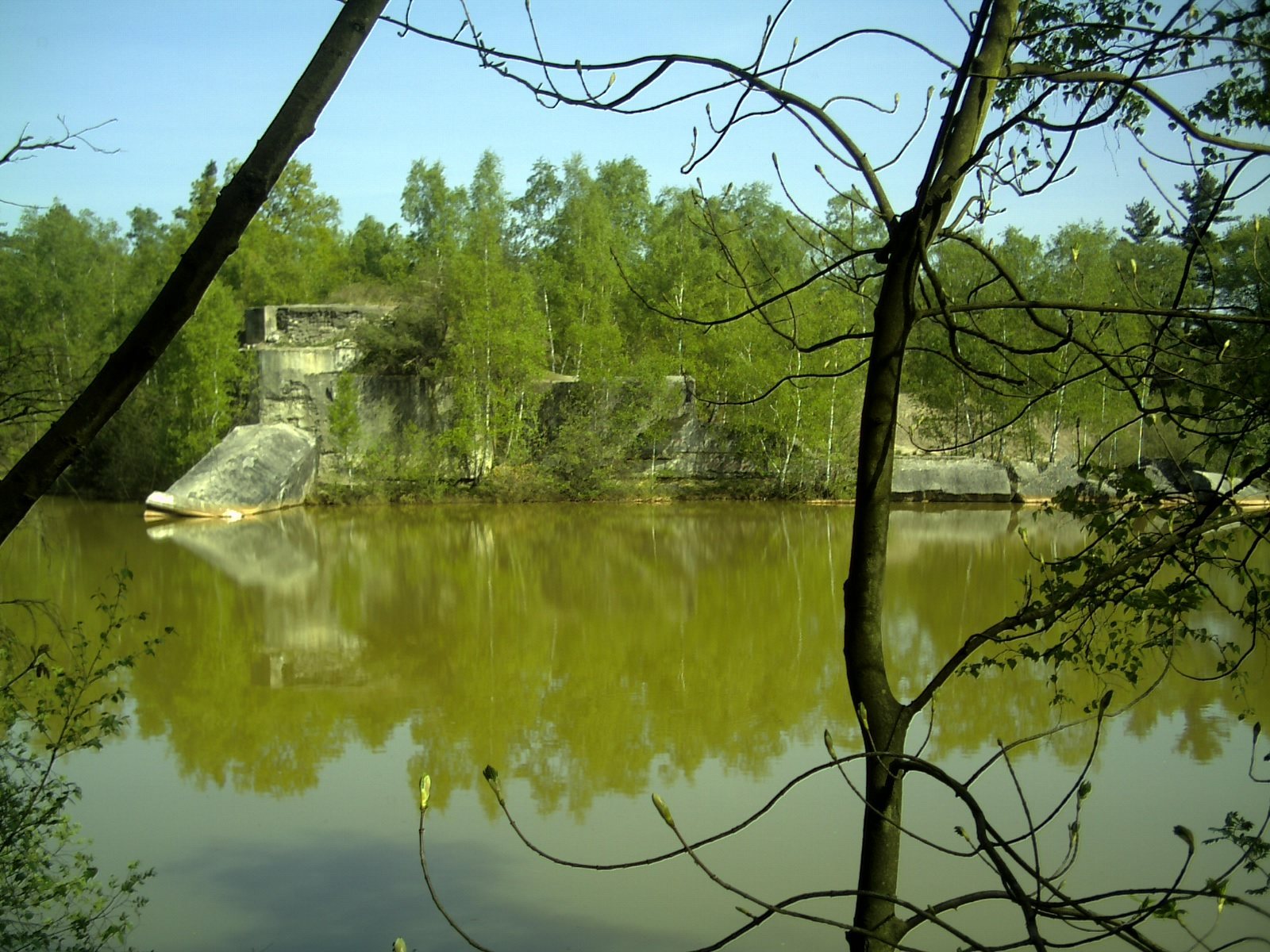
Before the Second World War, the fort was adapted mainly for machine-gun use, and its rooms and internal communications were modernized. In the late 1970s, an engineering corps of the Belgian Army tried to demolish the fort with dynamite, but the attempt did not destroy the structure as a whole. The fort now serves chiefly as a winter refuge for bats. Counts in the winters of 2008 and 2009 found more than 800 bats, representing about seven species, the third-highest total among the forts in the ring.
Remains
Layout and concrete defenses
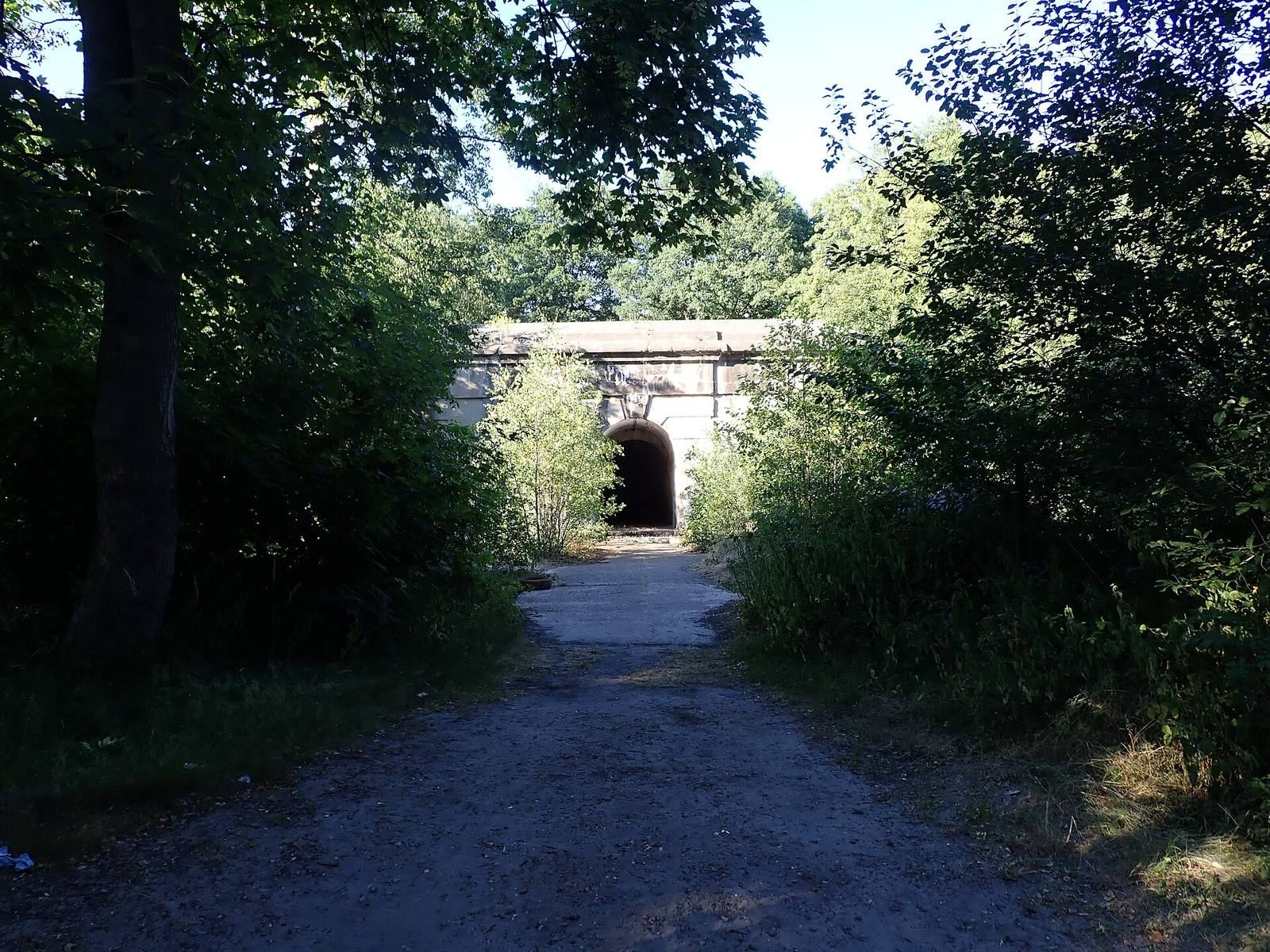
The fort’s defensive layout includes attached reverse caponiers, protected gun positions used to defend a fort’s ditch. A concrete passage linked their gun positions, set in front of the main defensive front, with that front. The fort’s concrete walls and gun cupolas were designed to withstand artillery up to 28 centimetres. A gun cupola is a dome-shaped emplacement for artillery.
Artillery positions
The reverse caponiers held six 5.7-centimetre quick-firing guns on plate mounts and two more beneath cupolas. These guns could fire shells as far as 2,500 metres, or canister shot up to 300 metres. The longer-range artillery comprised one cupola carrying two 15-centimetre guns, two cupolas for 12-centimetre howitzers and four for 7.5-centimetre guns. Two armoured observation bells provided protected positions for watching the battlefield; the 15-centimetre guns had a range of 8,400 metres. Ditch defense also included four 5.7-centimetre guns in the Traditore battery, a concealed position intended to surprise attackers. The battery also contained a large-flanking-fire position with four 7.5-centimetre and four 12-centimetre guns, arranged to fire between forts.
Prewar changes and surviving features
Adaptations for machine guns included two types of round concrete cupola shelter. Other prewar alterations provided gas-tight rooms, improved living quarters and better communications. The fort’s left wing is destroyed. Several uncommon plants suited to lime-rich conditions grow at the site, including black spleenwort.