Jovelle Cave: A Prehistoric Engraving Site in France
Site at a Glance
- Popularity
- Low
- Country
- France
- Primary era
- Stone Age
- Eras represented
- Stone Age
- Civilizations
- Unclassified
- Site type
- Civic
- Remains
- Rock Art
On this page4 sections
History
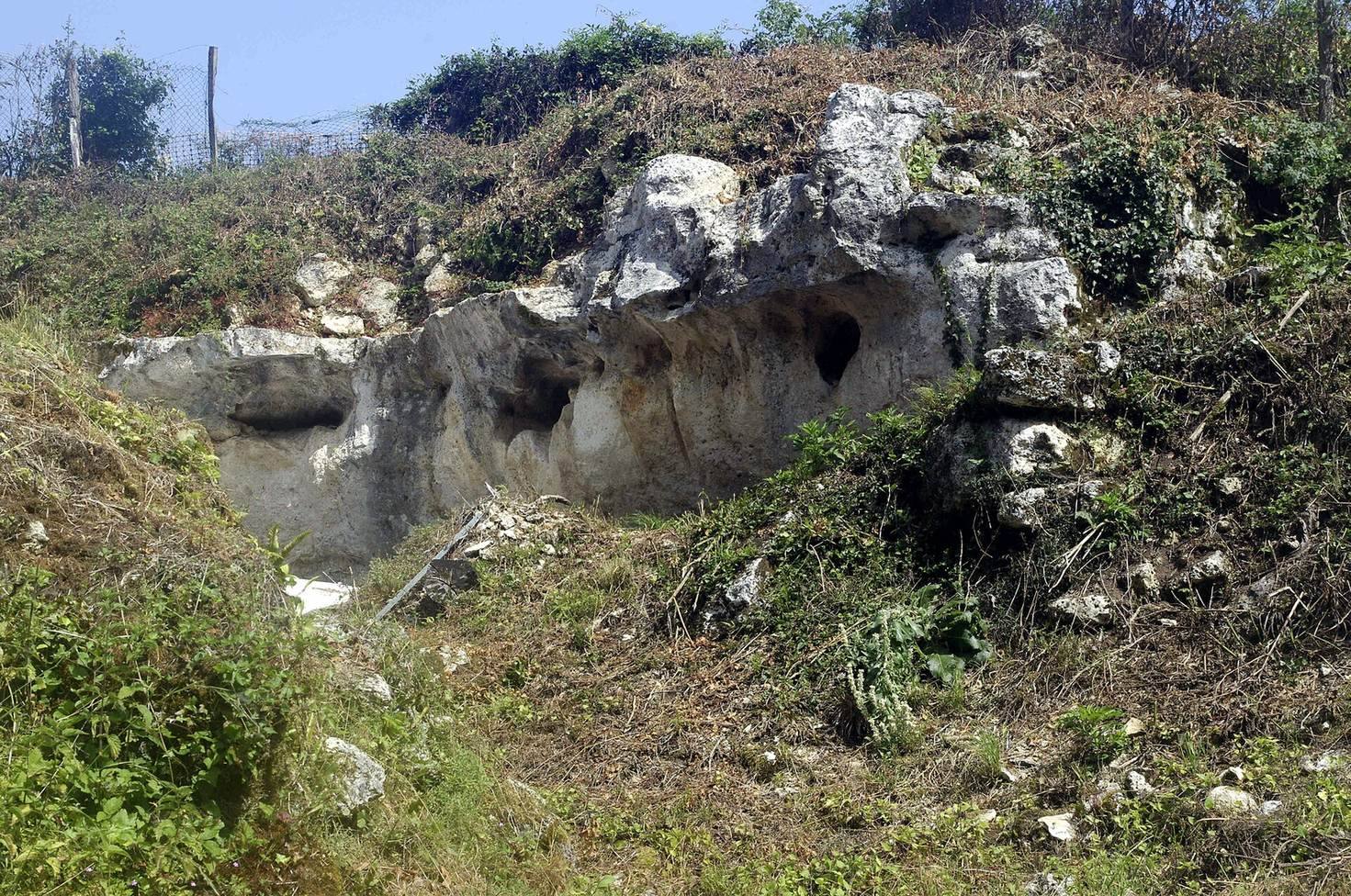
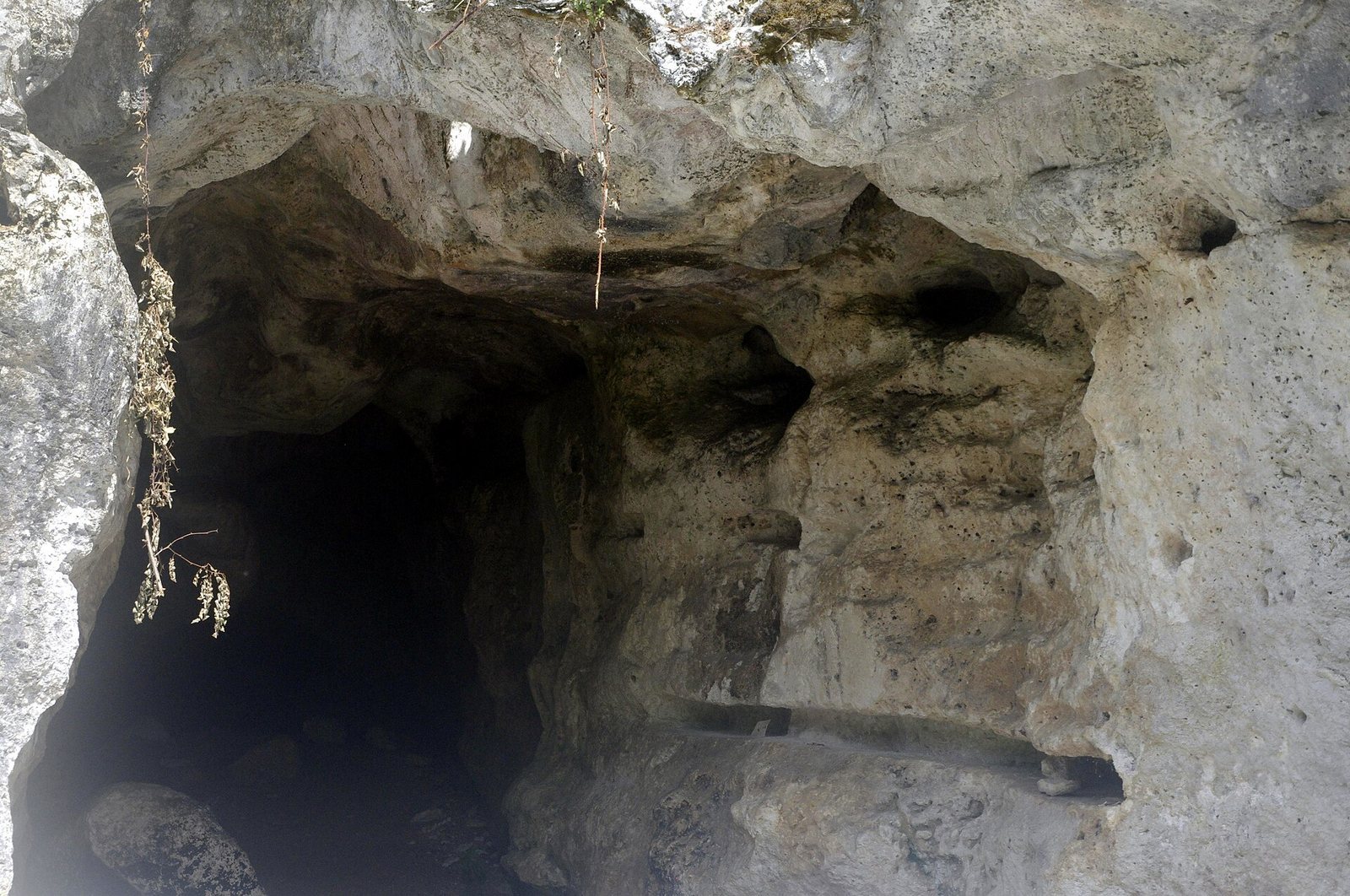
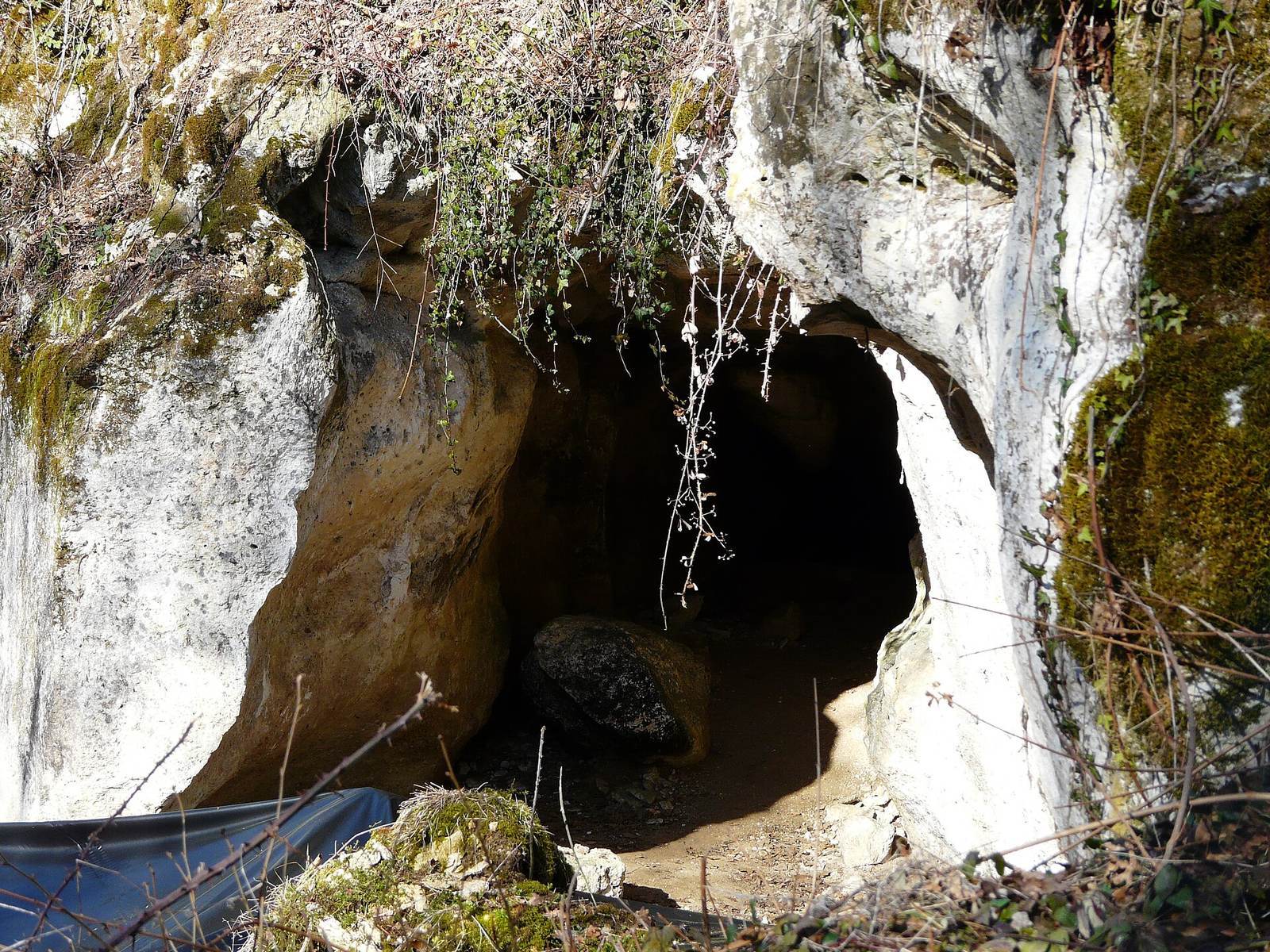
Jovelle Cave is a limestone cave in La Tour-Blanche-Cercles, Dordogne, France, with animal engravings attributed to the Upper Paleolithic, the later part of the Old Stone Age.
Discovery and quarrying
Christian Carcauzon found engravings near the cave entrance in autumn 1983. The French archaeologist Norbert Aujoulat studied the cave and its images, followed by prehistorians Brigitte and Gilles Delluc. The cave occupies the site of one of several former underground quarries for Turonian limestone, formed during a stage of the Late Cretaceous. Quarrying in nearby workings continued until the 1940s.
Protection and archaeological research
The archaeological site was entered on France’s historic-monument register on 28 November 1989. The Dordogne department has owned the cave since 2006, and on 24 September 2013 it received classification as a historic monument, a French heritage-protection status that replaced the earlier registration.
Excavation campaigns in the 2020s uncovered arrowheads dating to about 60,000 years before present, a convention that counts backward from 1950. Reindeer and horse bones, interpreted as food remains, date to between 35,000 and 27,000 years before present.
Remains
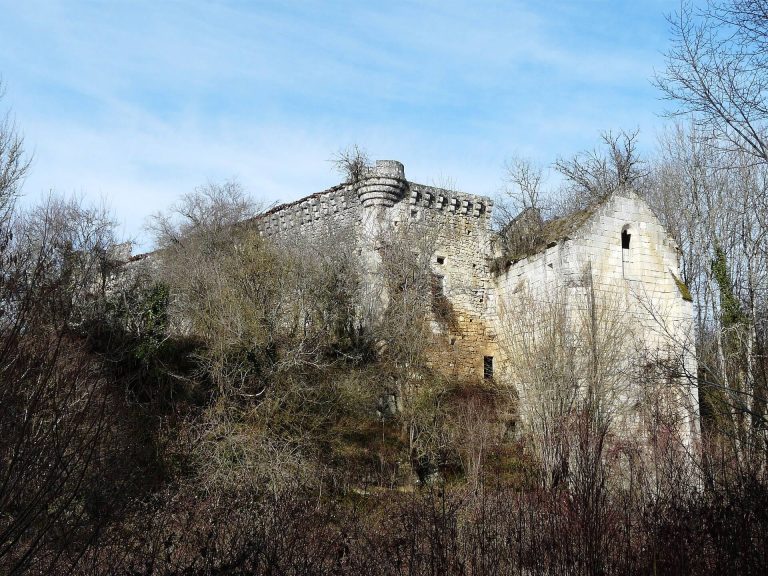
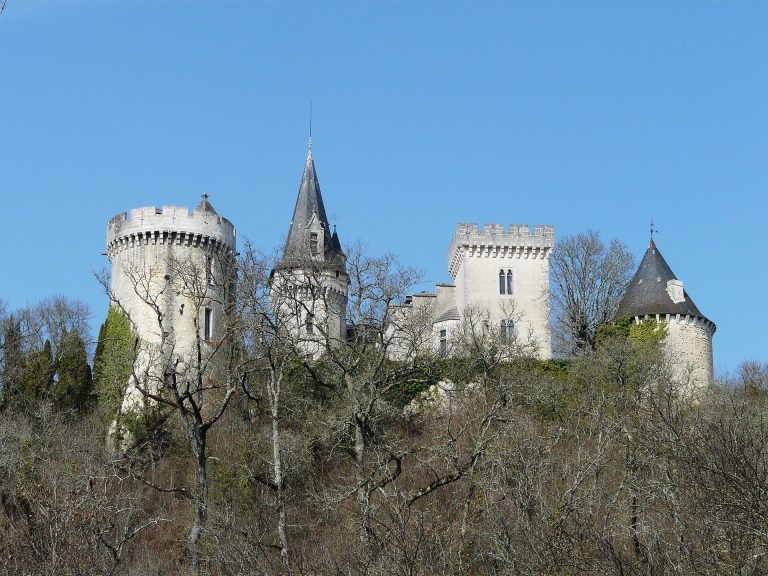
At an elevation of about 160 metres, the limestone cave lies roughly two kilometres southwest of La Tour-Blanche village and a few hundred metres from the ruins of Jovelle Castle. Animal engravings appear on the walls near the entrance. Identified figures include a mammoth, an ibex and an equid; their style recalls the engraved animals in Pair-non-Pair Cave in neighbouring Gironde. Other animal figures are partly obscured by debris that accumulated on the floor, in part through quarrying.
The cave floor has also yielded prehistoric burins, pointed stone tools with chisel-like edges, and scrapers, stone tools shaped for scraping. Excavations recovered pottery fragments dating to the Iron Age, the period when iron became widely used for tools and weapons.