Ispoinen Mansion: A Historic Estate in Turku, Finland
Site at a Glance
- Rating
- 4.4
- Popularity
- Very Low
- Country
- Finland
- Primary era
- Early Modern
- Eras represented
- Early Modern, Modern
- Civilizations
- Swedish
- Site type
- Domestic
- Remains
- Manor House
On this page8 sections
History
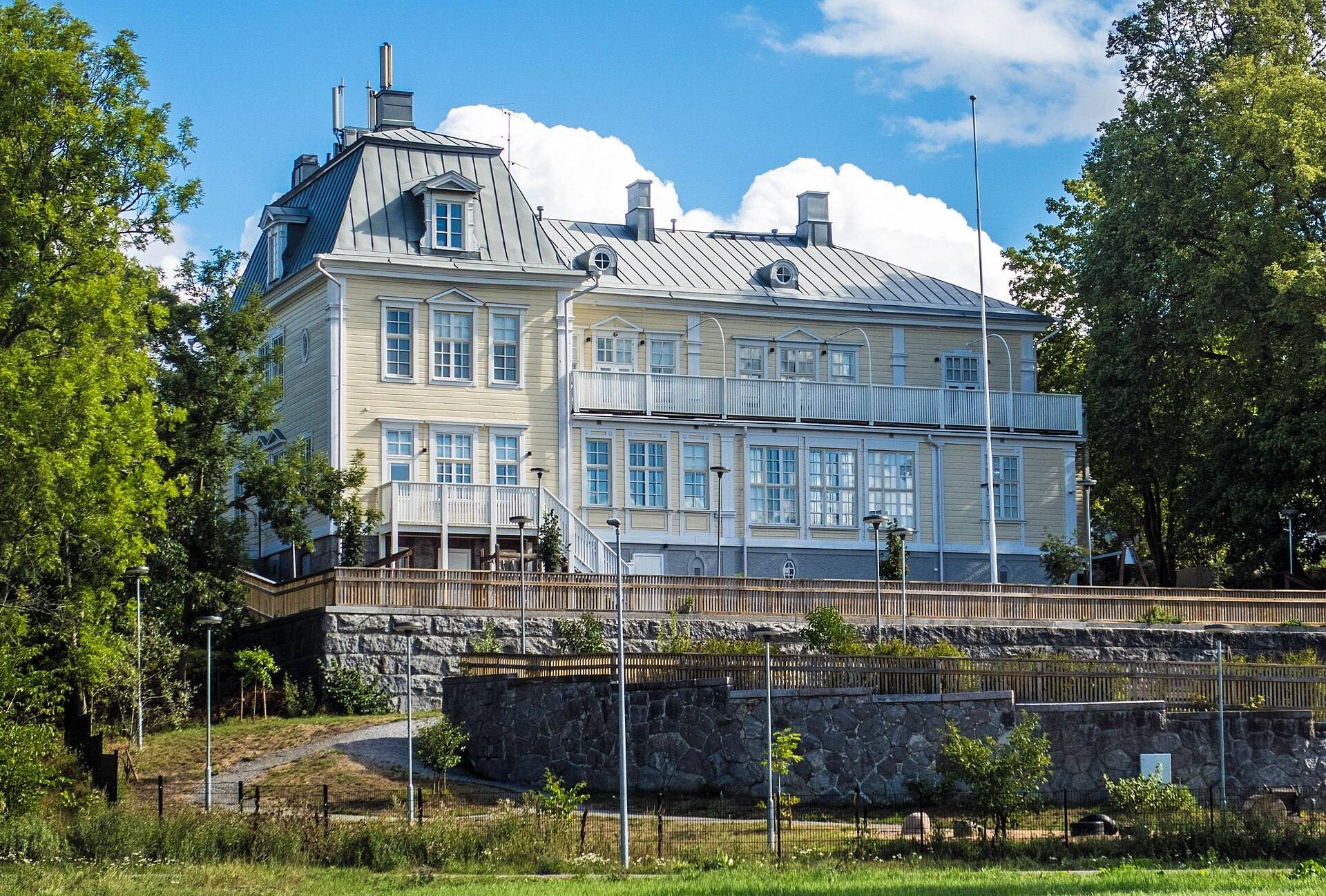
Ispoinen Mansion is a historic estate in Turku, Finland, whose present main building was completed in 1784. The estate’s history extends at least to the fifteenth century, and its grounds later gave their name to the Ispoinen district north of the mansion.
A noble estate and its owners
From the fifteenth to the eighteenth century, Ispoinen was a noble estate, a landed property associated with the nobility and its traditional agricultural privileges. The residents cared for the landowner’s cattle. Between 1658 and 1676, the estate was controlled by Lorentz Creutz, a privy councillor and admiral. A privy councillor was a senior member of a monarch’s advisory council. Creutz also owned numerous other farms.
In 1723, ownership passed from Creutz’s descendants to Simon Lilliegren, the chief judge of northern Finland. His probate inventory of 1736 identifies Katariinanlaakso as his place of death. The name has been interpreted as a possible reference to his wife, Katarina von Berg. Another explanation connects it with Catherine Jagiellon, a sixteenth-century Polish-Lithuanian princess who became queen of Sweden through her marriage to King John III. The name may also relate to other women named Katarina in the families of Ispoinen’s owners.
The academic period and the present mansion
Henrik Hassel became the estate’s owner in 1742. His tenure is known as the estate’s academic period because professors and other academic visitors came there. Hassel was a professor of rhetoric at the Turku Academy, the historic university founded in Turku, while his wife was also named Katarina.
In 1783, Chamber Councillor Arndt Johan Winter acquired the former noble estate. A chamber councillor was an official title associated with a ruler’s financial or administrative service. The present main building was completed in 1784, approximately 500 metres north of the estate’s earlier main building.
Modern alterations and changing uses
During the 1910s, ownership passed to Erik Rafael Ahlström, the son of industrialist Antti Ahlström. A garden was established, and the main building was enlarged and modernized. Several tiled stoves were installed and wall panelling was added.
After Ahlström’s ownership, the estate belonged to several other businessmen. The City of Turku acquired it in 1951 and exchanged it in 1957 with a Salvation Army foundation for a villa in Ruissalo. The Salvation Army is a Christian charitable organization, while a foundation is an independently administered organization established for a specified charitable or public purpose. The foundation converted the mansion into an old people’s home.
In 1988, a housing fair was held in the Katariinanlaakso residential area built beside the mansion. A new old people’s home was constructed next to the historic building, which was also renovated at that time. The old people’s home function ended in 2012. In 2015, the Salvation Army foundation sold the property to Ispoisten kartano Oy, a company founded by Nina and Rami Arvonen. The building was subsequently renovated for use by the private Vilske day-care centre.
Remains
The surviving estate is centred on the 1784 main building, which stands approximately 500 metres north of the earlier main building. The structure has been remodelled several times, reflecting changes in ownership and use. Its present form incorporates the enlargement and modernization carried out during the 1910s, as well as later renovations connected with its use as an old people’s home and a day-care centre.
Main building and grounds
1784 main building
The main building dates from 1784 and was erected during Arndt Johan Winter’s ownership. Its 1910s modernization added several tiled stoves and wall panelling, while also enlarging the building. Further renovation took place in connection with the 1988 development beside the mansion and again when the building was adapted for the Vilske private day-care centre.
Garden and neighbouring care building
A garden was established on the estate during the 1910s. In 1988, a new old people’s home was built beside the mansion as part of the development of the Katariinanlaakso residential area. The neighbouring building and the renovated historic mansion together reflect the estate’s transition from a private historic property to institutional and later educational use.