Isedōtai Site: A Late Jōmon Stone-Circle Archaeological Site in Japan
Site at a Glance
- Country
- Japan
- Primary era
- Stone Age
- Eras represented
- Stone Age, Medieval
- Civilizations
- Jomon
- Site type
- Religious
- Remains
- Sanctuary
On this page18 sections
History
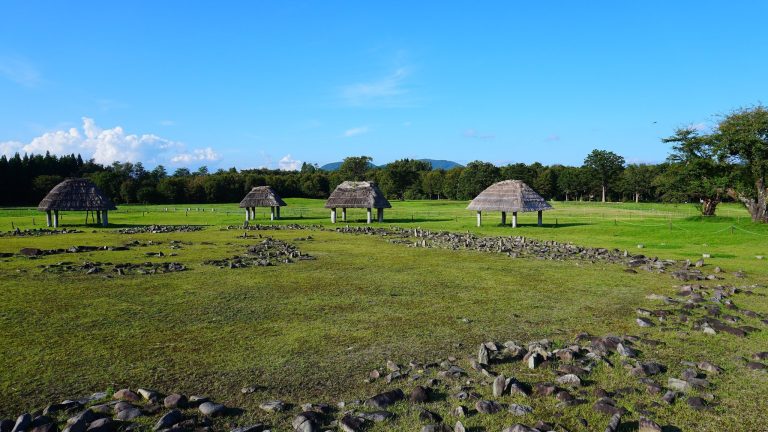
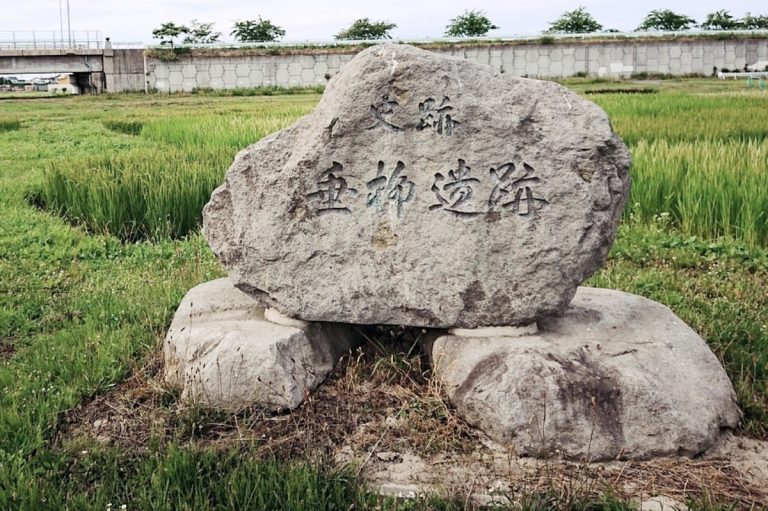
The Isedōtai Site is a Late Jōmon archaeological site in Kitaakita, Japan, dating to about 4,000–3,700 years ago. The Jōmon period was a long prehistoric era associated with pottery and hunter-gatherer communities, and Late Jōmon was a later phase of that period. The site’s principal remains are four stone circles, making it the only site in Japan where four such circles have been discovered.
Late Jōmon activity
The circles and associated pits have been interpreted as evidence of funerary and ritual activity. Discolored soil suggests that burials took place, although human bones have not been found. The relationship between communal and individual burial remains uncertain, as does the possibility that some burials involved a later reburial.
Later castle tradition
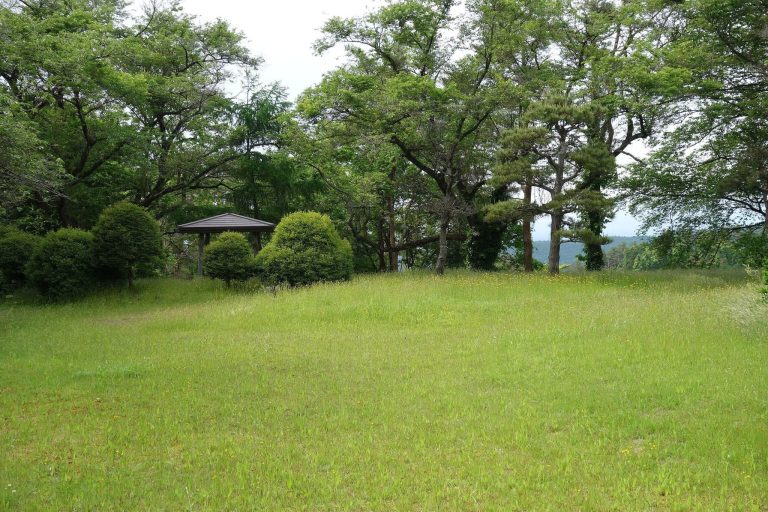
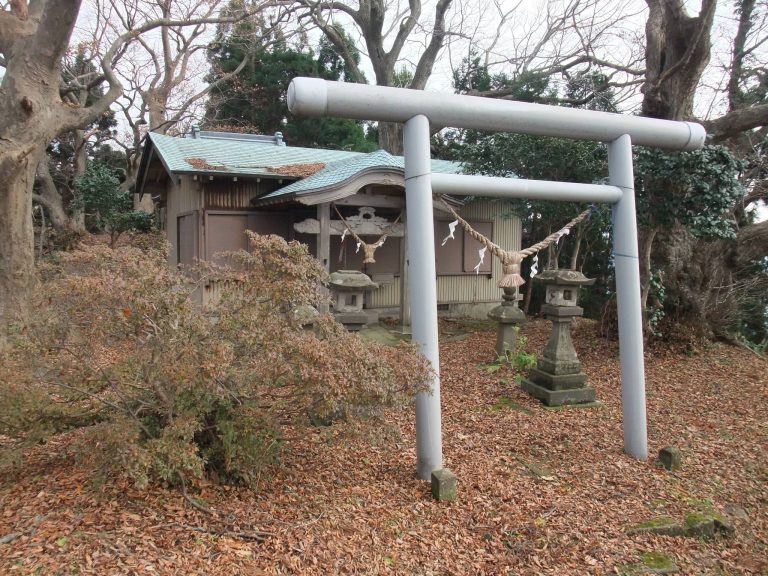
A later castle on the plateau is thought to have been associated with a retainer of the Asari, a samurai clan of Hinai. The Sengoku period, when political and military conflict was widespread in Japan, provides the context for this proposed connection. Local tradition says that ancestors of people from nearby Ogata were Asari retainers and that the castle stood on the plateau.
Discovery and preservation
The site was uncovered during construction of a highway to Odate–Noshiro Airport. Japan designated it a National Historic Site in January 2001 because of its good preservation and scholarly value. On 27 July 2021, it became part of the UNESCO World Heritage property Jōmon Prehistoric Sites in Northern Japan. The flat figurine from Circle B and 279 other archaeological finds have been designated tangible cultural properties by Akita Prefecture. The Isedōtai Jōmon Museum, east of the site, supports its preservation and use and exhibits finds from Isedōtai and other Jōmon sites in Kitaakita.
Remains
The site extends over about 200,000 square metres at the northern end of a river terrace, at an elevation of 40–45 metres. It occupies an artificially flattened plateau on the west bank of the Yoneshiro River, south of Jōmon Ogata Station across the Yusha River. The four stone circles are concentrated in the northwest. More than 20 kinds of stone, gathered from the Yoneshiro, Kosarube, and Yusha rivers, were used in the circles; some stones were brought from as far as five kilometres away. The rock types include porphyrite and rhyolite, which are volcanic rocks, and tuff, rock formed from volcanic ash.
The four stone circles
Circle A
Circle A measures about 32 metres across. Its outline resembles a melon when seen from above, with a distinctive projecting, stem-like end. This projection has been interpreted as a possible special route for ritual use.
Circle B
Circle B forms an incomplete arc rather than a full circle. Its open section may have been destroyed during railway construction to the north, or the circle may never have been completed. A flat, board-shaped clay figurine recovered from a burial pit here could be reconstructed in full.
Circle C
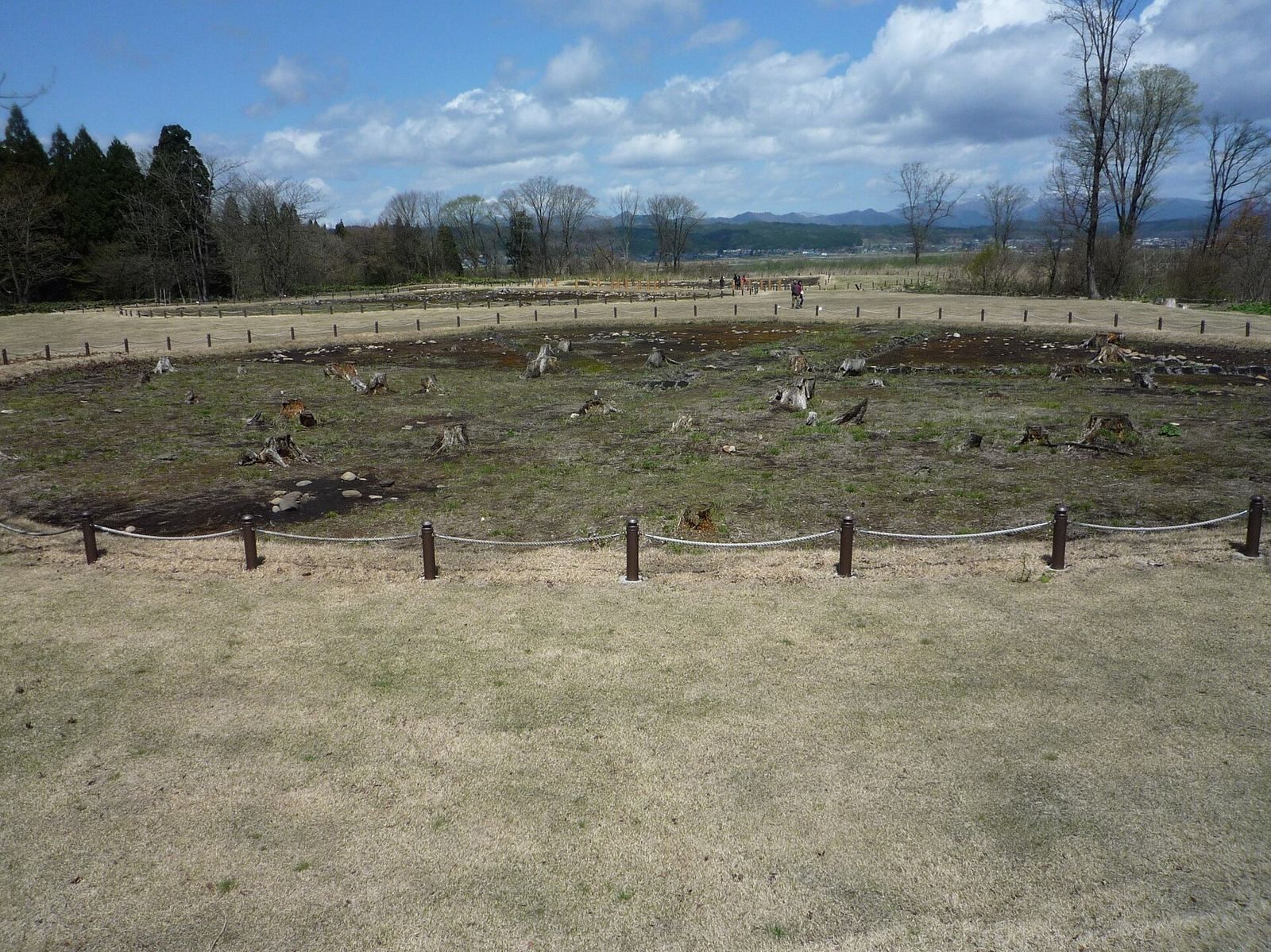
The largest circle, C, is about 45 metres across and has three concentric rings. It includes stones arranged both vertically and horizontally, a pattern also found in Circle A and comparable to an arrangement at the Komakino site. A footprint of a six-post building lies around Circle C. Approximately half of this circle has been excavated.
Circle D
Circle D is about 36 metres in diameter and has a relatively low density of stones. Approximately half of the circle has been excavated.
Stone arrangements and orientation
Several stone arrangements resembling sundials lie some distance from the circles. From the centre of one arrangement, Circle A lies approximately in the direction of the setting sun at the summer solstice. A standing stone within one of the circles has separately been interpreted as having served as a sundial.
Pits, buildings, and finds
Burial and storage pits
More than 100 pits have been found both inside and outside the circles. The features include burial pits, places where pottery was deliberately buried, refuse areas, and flask-shaped storage pits with narrow openings above wider chambers. Pottery plates and jars, stone tools, hunting and fishing implements, everyday tools, and small clay objects were recovered from pits. Pottery and stone tools were often placed in burial pits as offerings.
Post-built structures
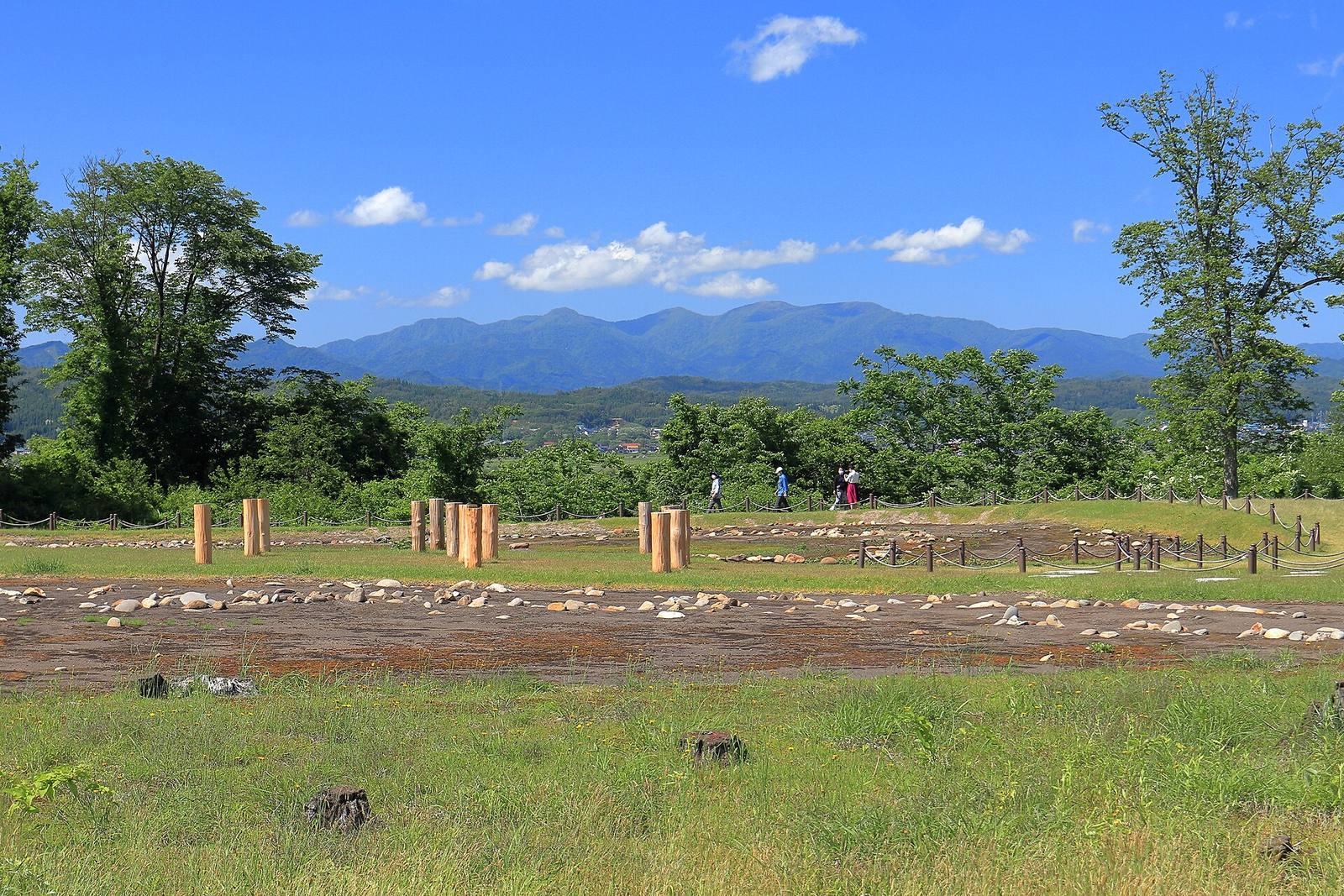
Postholes near the circles suggest that as many as 37 houses partly dug into the ground may have stood there. Each is estimated to have been about 3–5 metres wide and 6–7 metres long. These structures indicate building activity at the site, but not a permanently occupied settlement.
Figurines and other finds
About 200 clay figurines have been recovered, most as fragments. Many appear to have been deliberately broken. Other finds include gourd-shaped pottery and mushroom-shaped clay objects, recovered near the circles, in a nearby stream, or from flask-shaped pits. The flat figurine from Circle B is held at the Isedōtai Jōmon Museum. The 279 other designated finds are held at that museum, the Kitaakita City Cultural Property Storehouse, and the Akita Prefectural Museum. Many recovered artifacts are also displayed at the Kitaakita City Community Center.
Ditches and moat
Jōmon-period ditch
A ditch-like feature more than 100 metres long lies in the eastern part of the site and dates to the Jōmon period.
Later moat
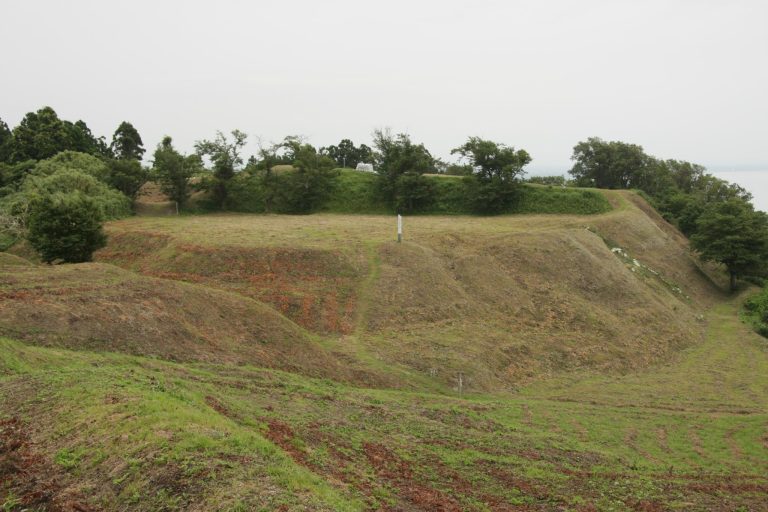
A separate moat feature was excavated north of the Jōmon remains. It is thought to belong to the later castle on the plateau.