Hospital de Antezana: A Charitable Hospital in Alcalá de Henares
Site at a Glance
- Rating
- 4.1
- Popularity
- Low
- Country
- Spain
- Primary era
- Medieval
- Eras represented
- Medieval, Early Modern
- Civilizations
- Crown of Castile, Spanish
- Site type
- Civic
- Remains
- Hospital
On this page9 sections
History
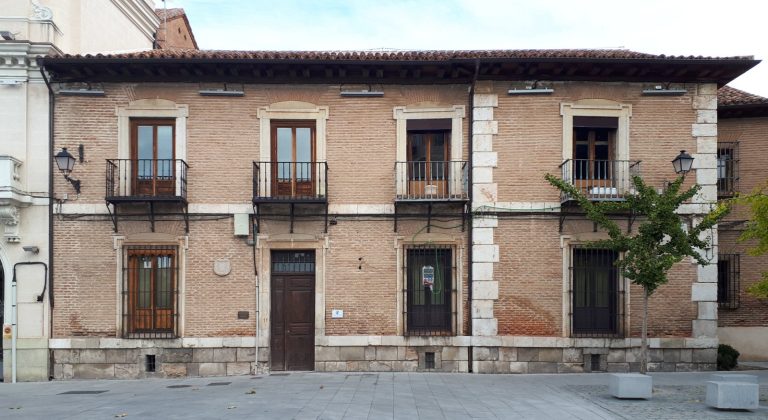
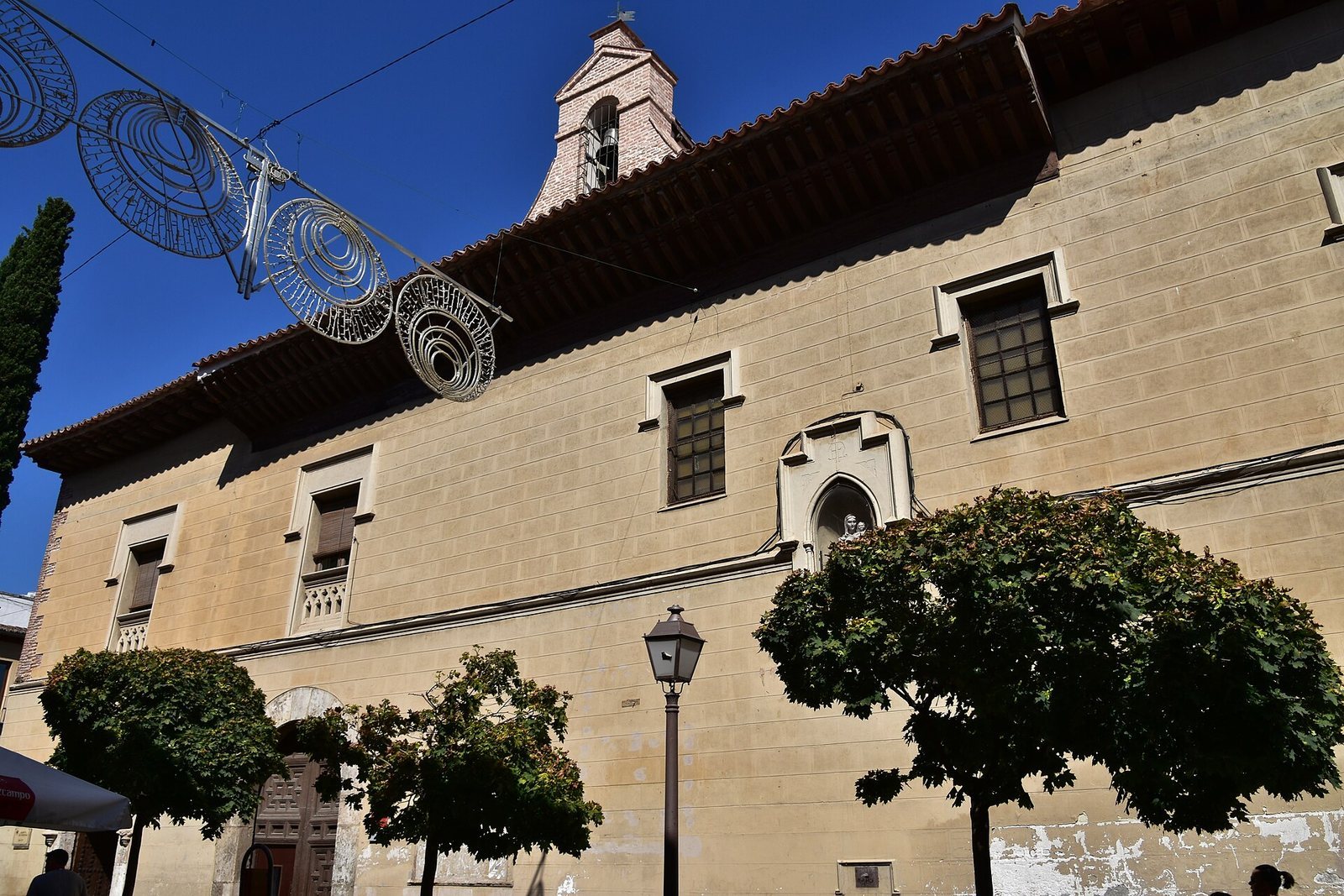
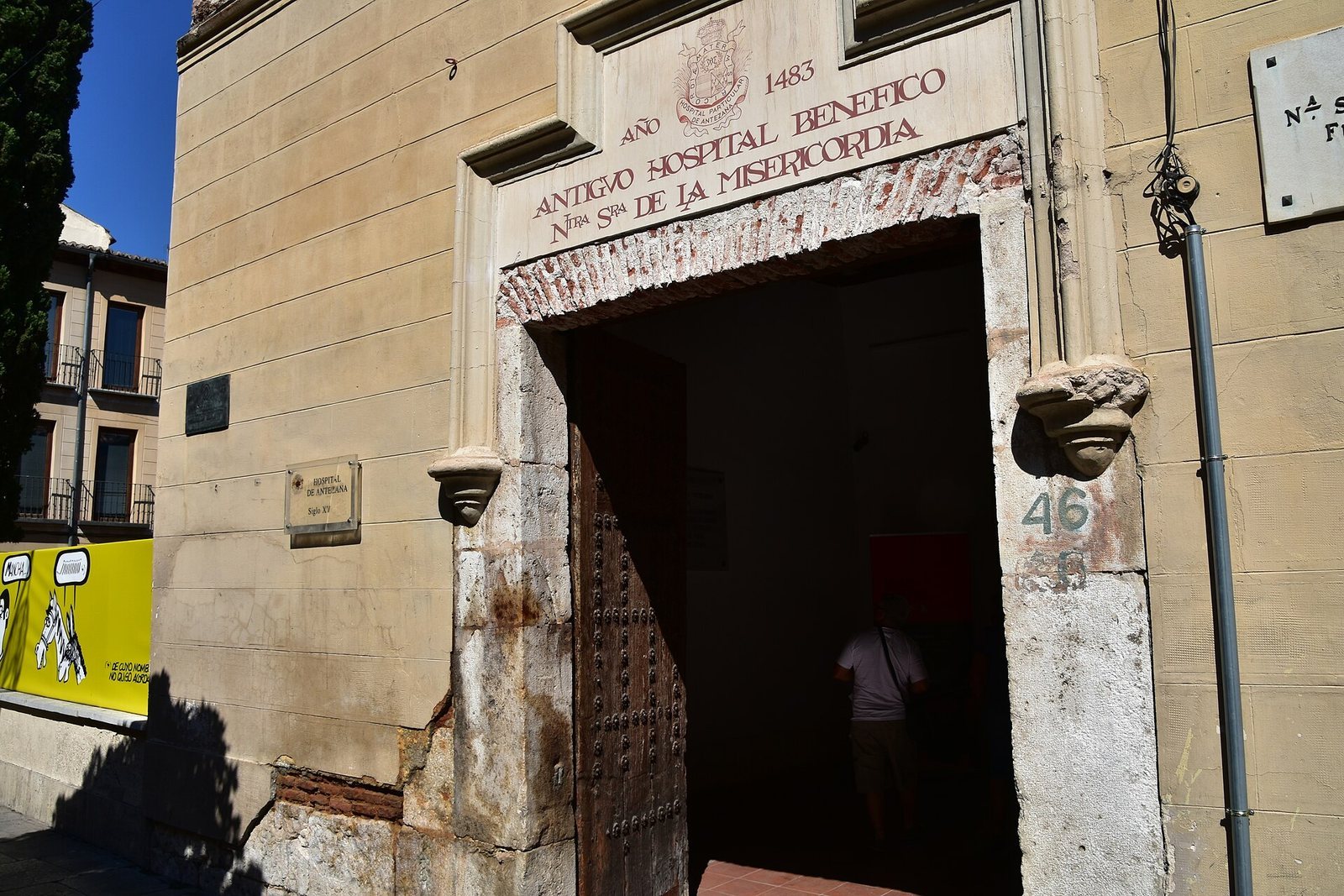
Hospital de Antezana is a charitable hospital in Alcalá de Henares, Spain, founded in 1483 to provide free care to sick people of limited means. Its building follows the Mudéjar tradition, Christian Spanish architecture that adapted forms and decorative practices associated with Muslim architecture. The institution has continued its work without interruption since moving to its present site in 1484. It is among Europe’s oldest continuously operating health and social-care institutions and is the world’s oldest foundation of its kind.
Foundation and continuity
The hospital was founded on 18 October 1483 under a provision made by Luis de Antezana and his wife, Isabel de Guzmán. In 1484, Pope Sixtus IV, who served as pope from 1471 to 1484, authorized the transfer of the earlier Hospital of San Julián and Santa Catalina from what is now Calle de San Diego to the founders’ palace on Calle Mayor. Hospital de Antezana has remained at that location ever since.
Medicine and Ignatius of Loyola
From 1516, physicians connected with the University of Cisneros, also known as the University of Alcalá, practiced at the hospital. They included prominent doctors and senior medical officials responsible for overseeing medical practice during Spain’s Golden Age, a period of flourishing cultural and intellectual activity, especially in the sixteenth and seventeenth centuries.
Ignatius of Loyola, a Catholic cleric and theologian who founded the Society of Jesus, the religious order commonly known as the Jesuits, lived and worked at the hospital while studying in Alcalá from 1526 to 1527. His connection with the hospital is associated with the beginnings of the order. A painting of his hospital activities has been interpreted as evidence that Ignatius and his first companions laid its foundations there.
Modern care and restoration
The hospital is a private nonprofit foundation governed through the Antezana Foundation and its Board of Gentlemen. It now operates as a residence for up to 23 older people. The Servants of Mary, Ministers to the Sick, cared for residents until 2006; the Board of Gentlemen now manages the residence with professional care staff. A building restoration completed in 2015 received an award from the City of Alcalá. The foundation’s Golden Age Medicine Museum opened in October 2023.
Remains
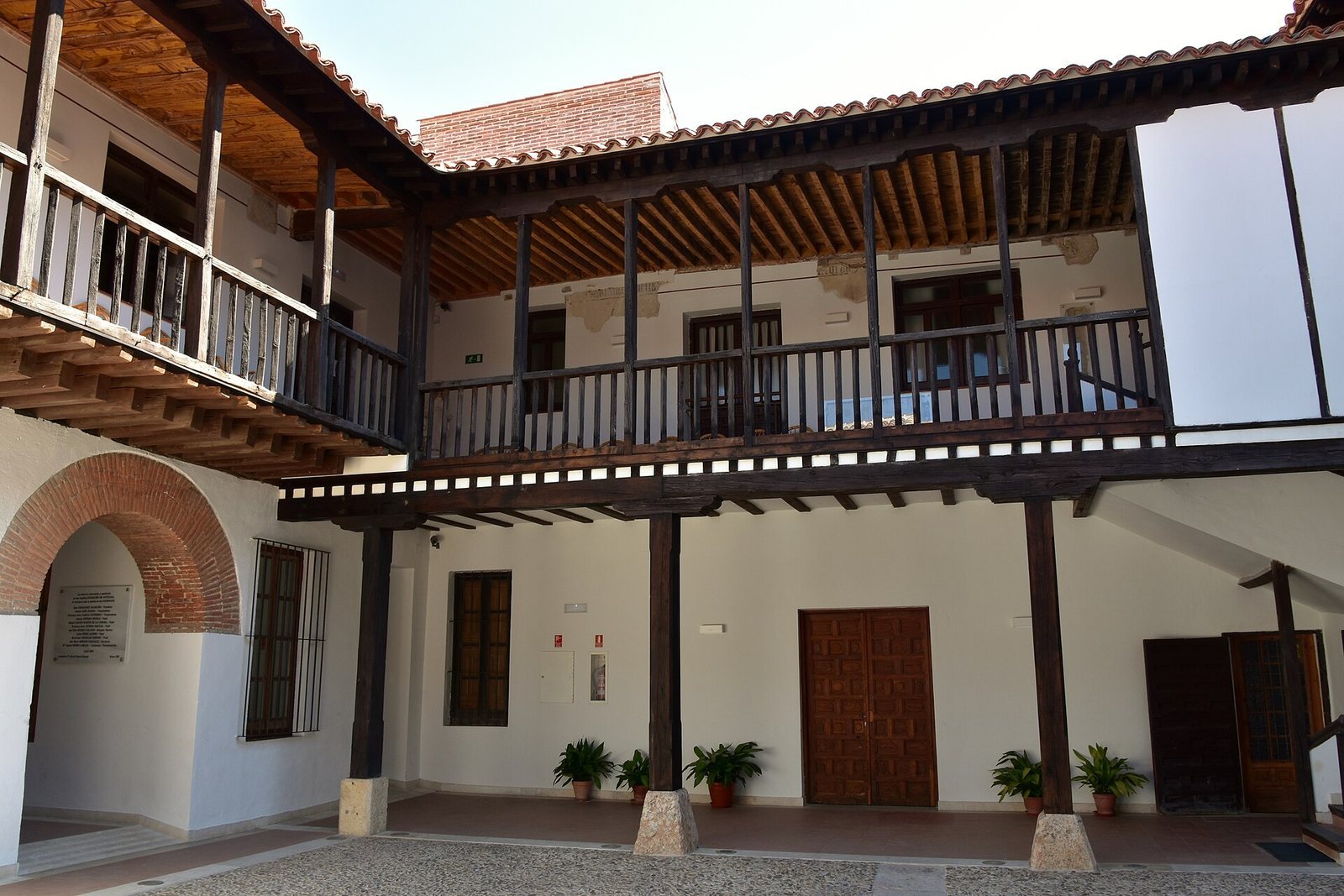
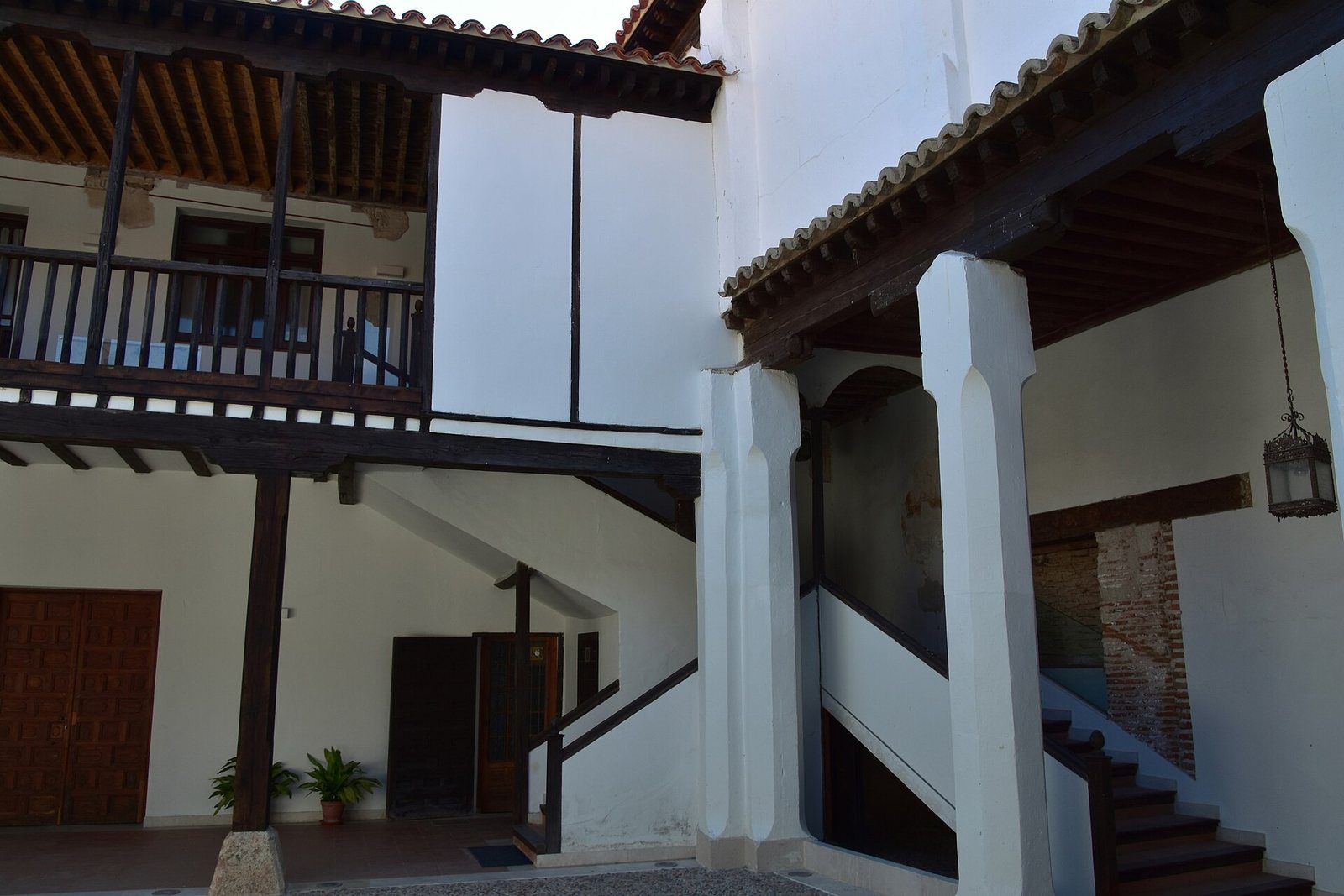
At 46 Calle Mayor, beside the Cervantes Birthplace, the complex is arranged around a two-storey courtyard. A gallery on the main floor rests on wooden posts, and a well is set within the courtyard. A room opening off the gallery preserves a kitchen associated with Ignatius’s use, and rooms he inhabited are also part of the premises.
Church and artistic works
Church and chapel
The hospital church is dedicated to Our Lady of Mercy and has a Baroque interior. Its barrel vault is a curved ceiling shaped like half a cylinder. A dome built on a timber framework sits above a Mudéjar ceiling with recessed panels. The premises also include a Chapel of Saint Ignatius.
Paintings and altarpiece
An image of notable artistic value is attributed to the workshop of Martínez Montañés and associated with seventeenth-century Sevillian Baroque. An altarpiece dedicated to Saint Ignatius includes a painting by Diego González de la Vega. Pedro de Valpuesta’s painting depicts Ignatius cooking and caring for the sick during his stay at the hospital.
Earlier structure and museum
Work on the church uncovered remains of an earlier building, which are displayed at the hospital. The Golden Age Medicine Museum has three exhibition rooms containing institutional documents, paintings, books, and objects of artistic and historical interest. Its other displays include recreations of a former infirmary and doctor’s office, a medicinal-plant garden, rooms associated with Ignatius, and an entrance hall.