Hoofdtoren: Hoorn’s Sixteenth-Century Defensive Harbor Tower
Site at a Glance
- Popularity
- Medium
- Country
- Netherlands
- Primary era
- Early Modern
- Eras represented
- Early Modern
- Civilizations
- Habsburg
- Site type
- Military
- Remains
- Tower
On this page7 sections
History
Construction and defensive service
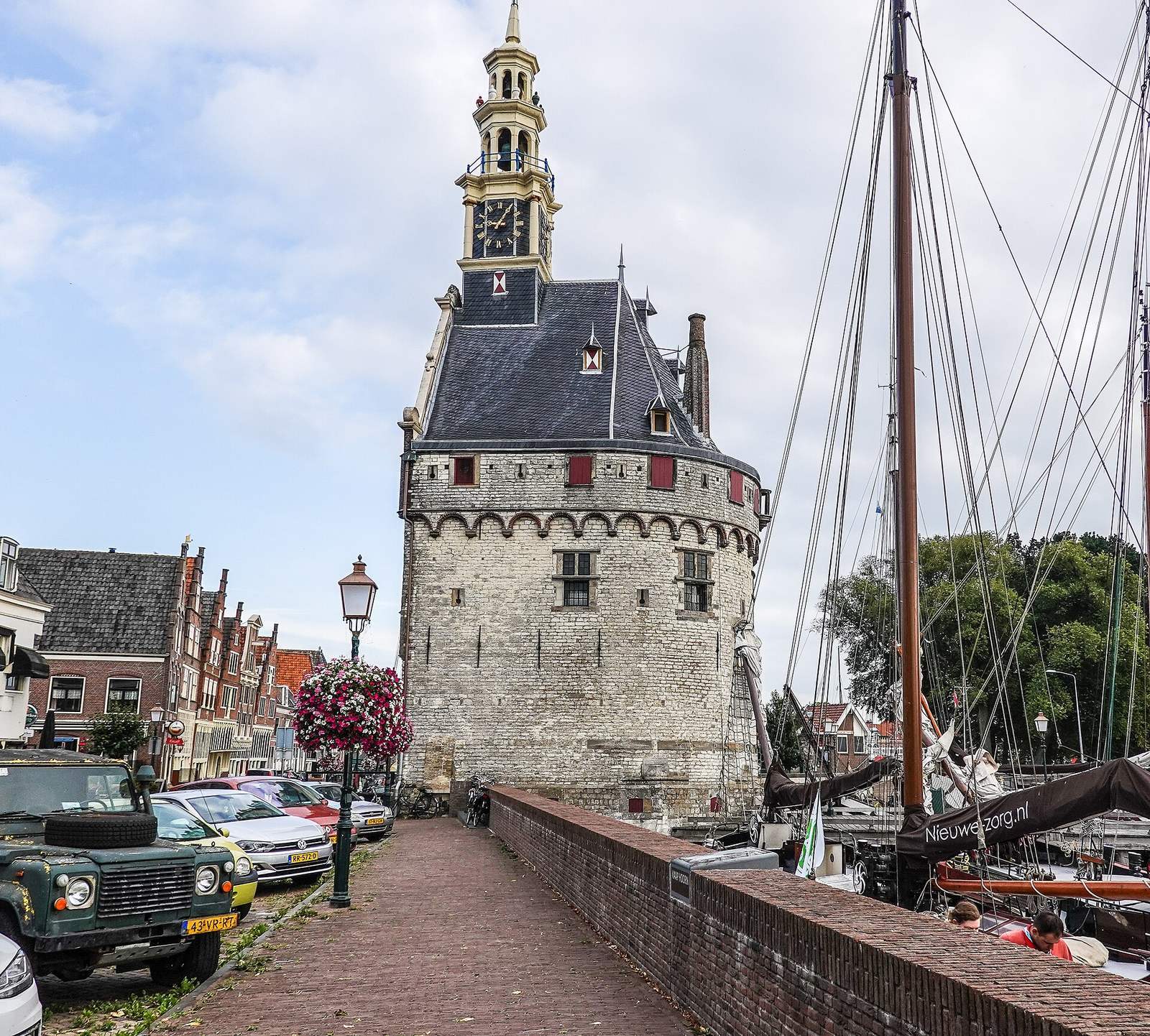
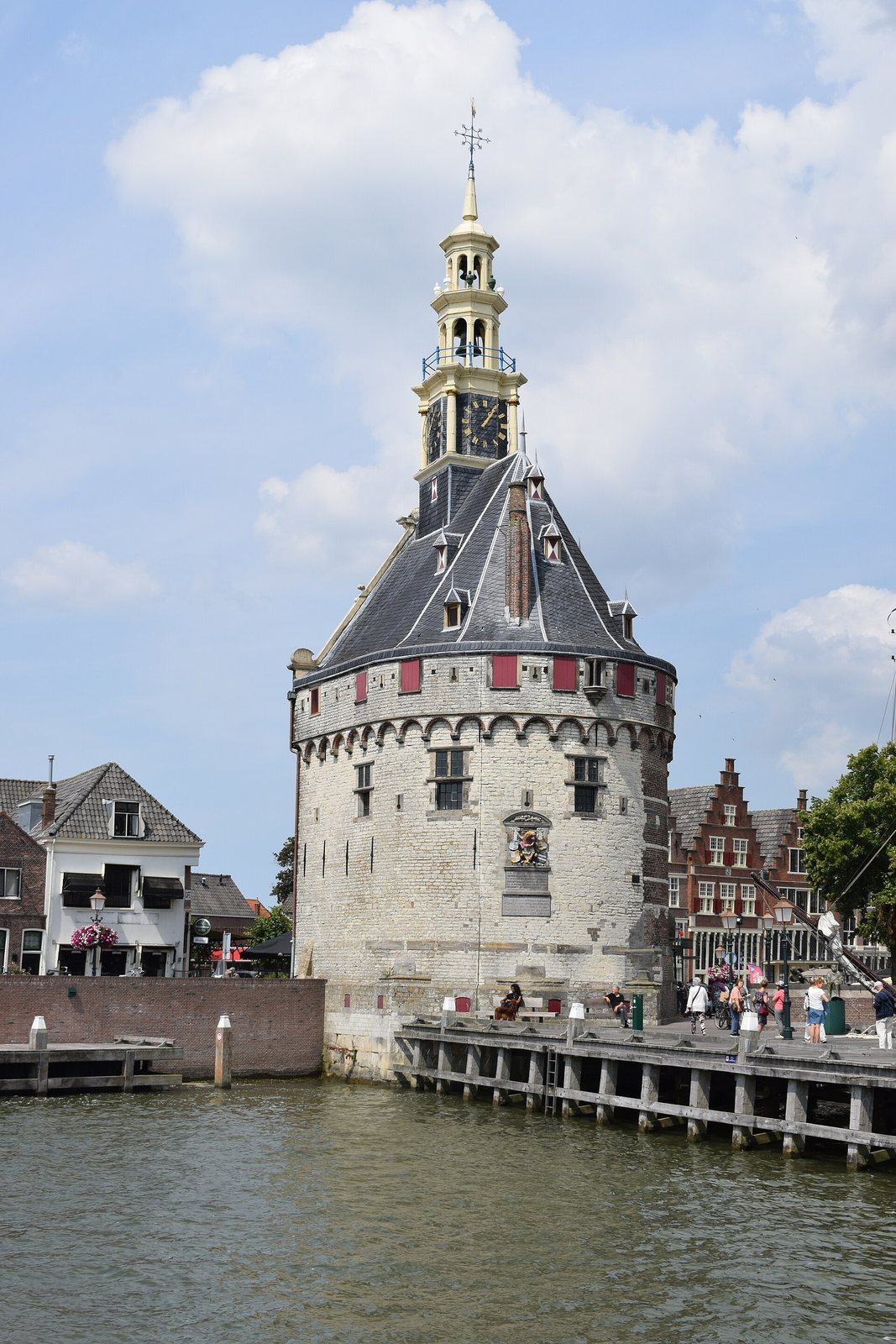
The Hoofdtoren is a sixteenth-century defensive tower at the harbor in Hoorn, Netherlands, commissioned by the town’s municipal government and completed in 1532. It is among the last surviving defensive works in Hoorn, North Holland. The tower takes its name from the nearby Houten Hoofd pier, built in 1464.
In 1614, the tower ceased to serve as a defense when the Northern Company, a Dutch chartered company involved in Arctic whaling, took up residence there. Lightning struck the building in 1632, and the resulting fire destroyed it. The tower was subsequently rebuilt completely. A small roof turret was added in 1651, modeled on the tower of Amsterdam’s Zuiderkerk, a church.
Changing occupants
After the Northern Company was dissolved, the tower was occupied by the cloth finishers’ guild, which represented workers who finished cloth, and by the Levant trade company, involved in commerce in the eastern Mediterranean region.
Preservation and modern use
The Hoofdtoren entered the Dutch national monument register in 1965, a status that protects historic buildings. Commercial food and drink service began there in 1968, and the tower is now used as a restaurant. In 2003, the Municipality of Hoorn transferred it to Vereniging Hendrick de Keyser, an organization that preserves historic buildings. The association began restoration in 2004; the roof turret was removed after damage by longhorn beetles.
Remains
Tower fabric and interior
The tower stands at Hoorn’s harbor and is built of brick and Gobertange limestone, a building stone quarried in Belgium. Its former Northern Company vault and associated fireplace were transferred in 1904 to the Westfries Museum, a regional history museum in Hoorn. The Veermansklokje, a bell once housed inside the tower, was stolen during the Second World War and returned to Hoorn from Nederhorst den Berg after the war.
Quay-side sculpture
A statue on the quay wall beside the tower depicts the ship’s boys from The Ship’s Boys of Bontekoe, a story inspired by the voyage of seventeenth-century Dutch mariner Willem Bontekoe.