Fort San Carlos in Corral: A Fort Defending Corral Bay
Site at a Glance
- Popularity
- Medium
- Country
- Chile
- Primary era
- Early Modern
- Eras represented
- Early Modern
- Civilizations
- Spanish
- Site type
- Military
- Remains
- Fort
On this page4 sections
History
Spanish colonial defense
Fort San Carlos in Corral was a Spanish colonial fort in Chile, with construction beginning in 1762. It formed part of the Valdivia fort system, among the largest defensive sites Spain built in the Americas. The fort helped guard the entrance to Corral Bay, a role it shared with Fort San Luis de Amargos.
Heritage protection and deterioration
In 1950, Fort San Carlos and other forts in the Valdivia system received Chile’s National Monument designation, the country’s official heritage-protection status, under Supreme Decree 3869, issued by the Ministry of Public Education. Beginning in 2015, neglect was associated with serious structural deterioration across forts in the area. A regional heritage program, supported by the Ministry of Public Works, assessed their condition and considered their role as historical monuments. Conservation had advanced at some forts, while others had yet to be assessed.
Remains
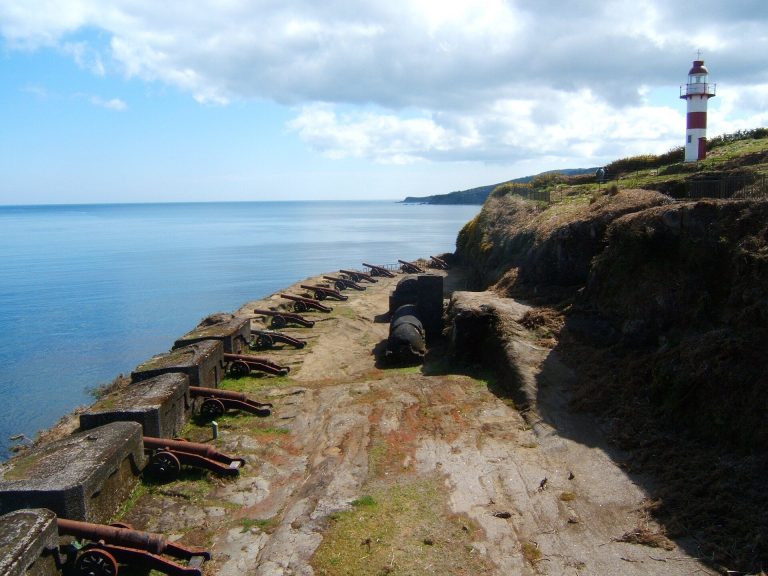
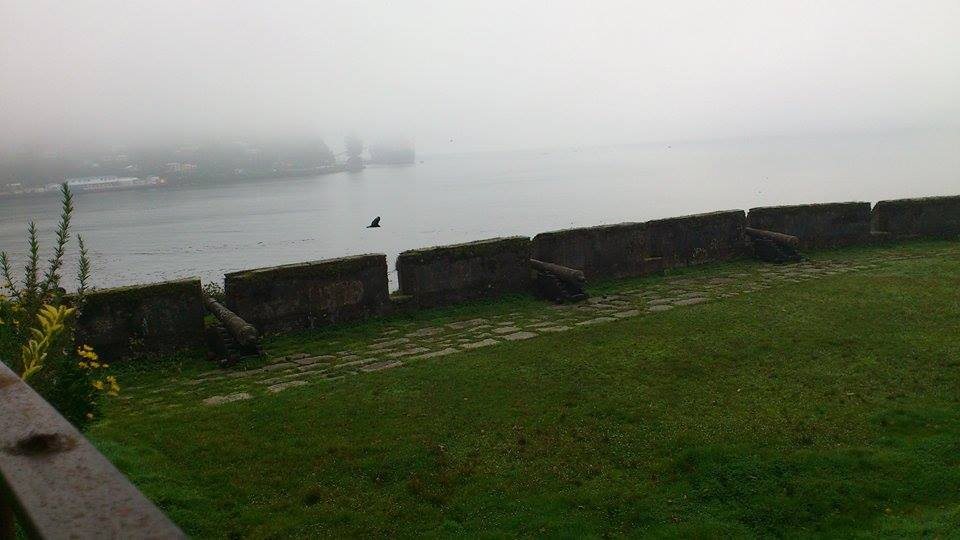
The fort stood at the western end of Corral Bay’s southern shore. Before the fort system was built, Corral Island was artificially lowered and reshaped into a peninsula. The fort’s defenses included an enclosure for troops, protected by a low wall, and a gun battery connected to it by a drawbridge.
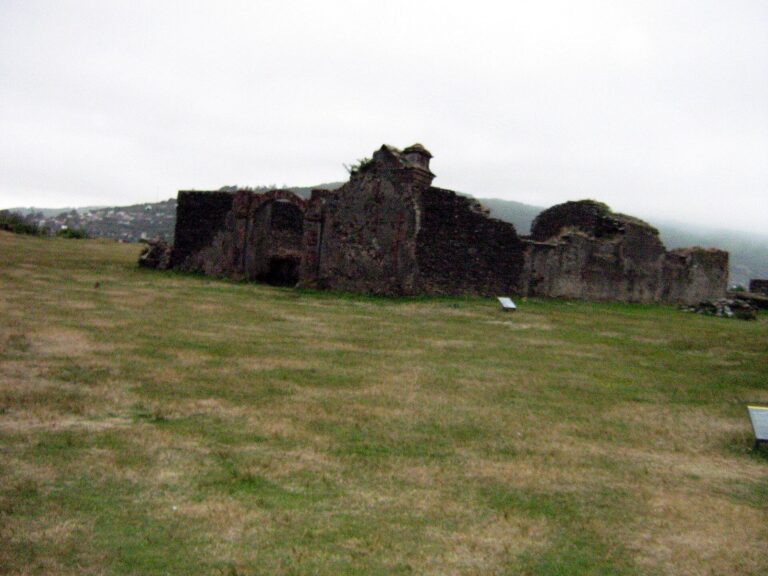
The battery held six 24-pounder cannons, a classification based on the weight of the shot they fired. A furnace heated shot until it was red-hot before firing. The fort had a garrison of 100 men. Its surviving remains are ruins of the walls.