Hisarya Fortress: Medieval Citadel of Lovech
Site at a Glance
- Popularity
- Medium
- Country
- Bulgaria
- Primary era
- Medieval
- Eras represented
- Classical, Medieval
- Civilizations
- First Bulgarian Empire, Roman, Second Bulgarian Empire
- Site type
- Military
- Remains
- Citadel
On this page7 sections
History
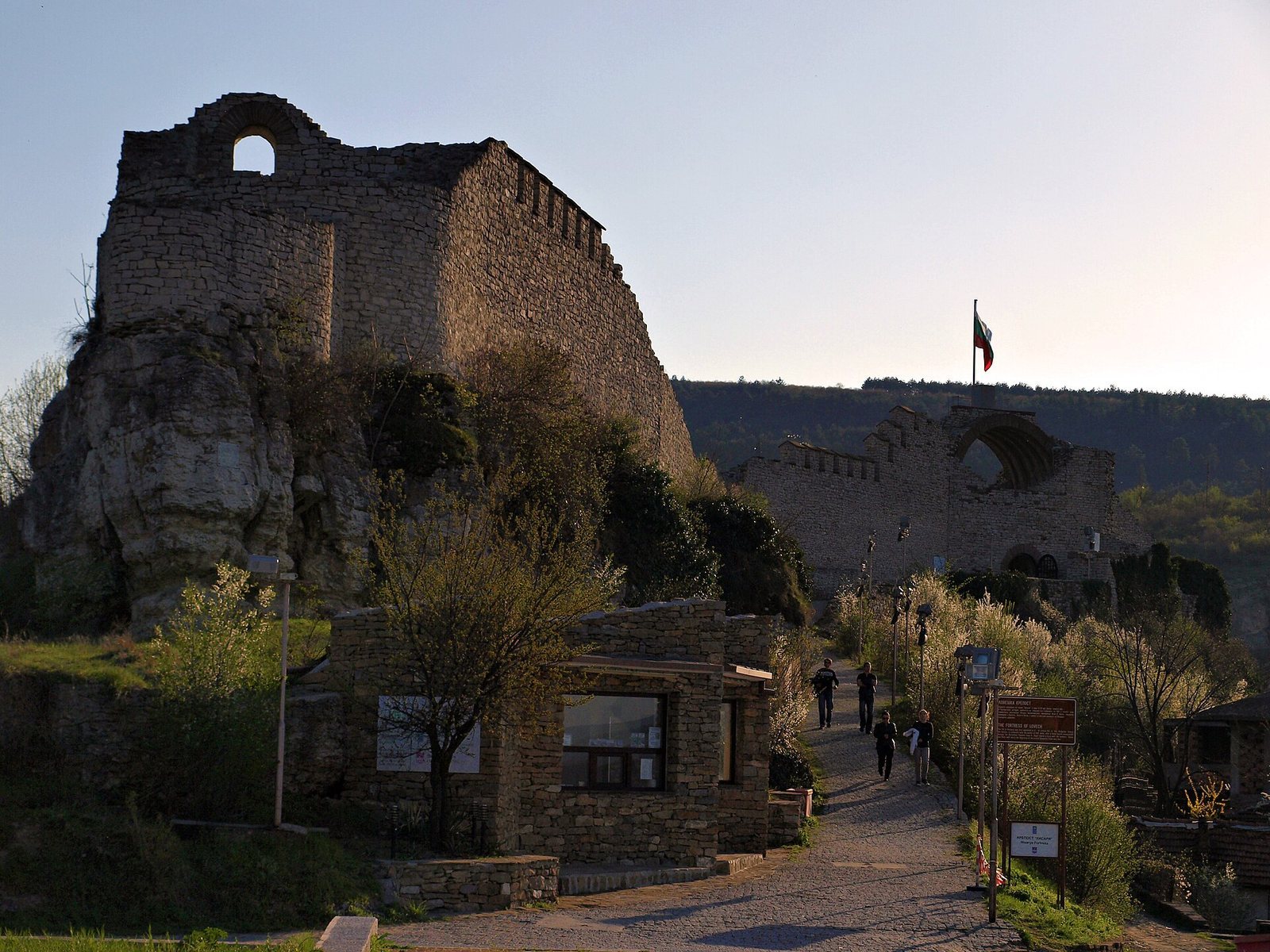
Hisarya Fortress is a medieval citadel on Hisarya Hill in Lovech, Bulgaria. Its development began in the ninth and tenth centuries under the First Bulgarian Empire, an early medieval Bulgarian state, on a site previously occupied by a Roman fortress. In the late twelfth century, it became the fortified center of Lovech, with older walls and buildings kept in use as parts of the site were rebuilt.
Citadel of the Second Bulgarian Empire
The fortress formed part of the defenses of the Second Bulgarian Empire, the Bulgarian state restored after Byzantine rule. In spring 1187, Byzantine emperor Isaac II Angelos besieged it for three months but did not take it. His forces took hostages, including the wife of Asen, then withdrew after a truce. The failed siege amounted to de facto recognition of the restored Bulgarian state.
In the early fourteenth century, the citadel served as the residence of Ivan Alexander, elected tsar of Bulgaria in 1331. During the Ottoman advance in the fourteenth century, the fortress had an important defensive role and was repeatedly fought over.
Ottoman conquest and later use
Lovech remained an important center of commerce and economic activity until Bulgaria came under Ottoman rule in the early fifteenth century. After the Second Bulgarian Empire was dissolved in 1396, the town continued as a Bulgarian stronghold until its conquest in 1446. It then received privileges for many years, and the fortress was known as Hisarya during Ottoman rule.
Human activity in the area extended from the Eneolithic, when copper was used alongside stone tools, until the mid-nineteenth century. From the seventeenth century into the second half of the nineteenth, the site served as a burial ground for Lovech’s inhabitants.
Excavation and preservation
Archaeologist Yordanka Changova led systematic excavations at the fortress in the 1960s, and the findings appeared in a monograph in 2006. Much of the fortress has since been restored. It is part of the Varosha Historical and Architectural Reserve and was designated a monument of architecture and construction in 1967.
Remains
Terraces, buildings, and walls
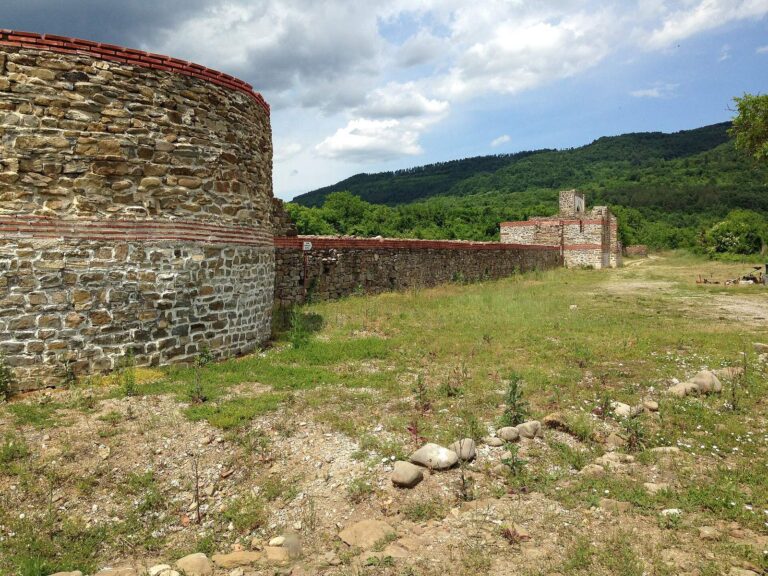
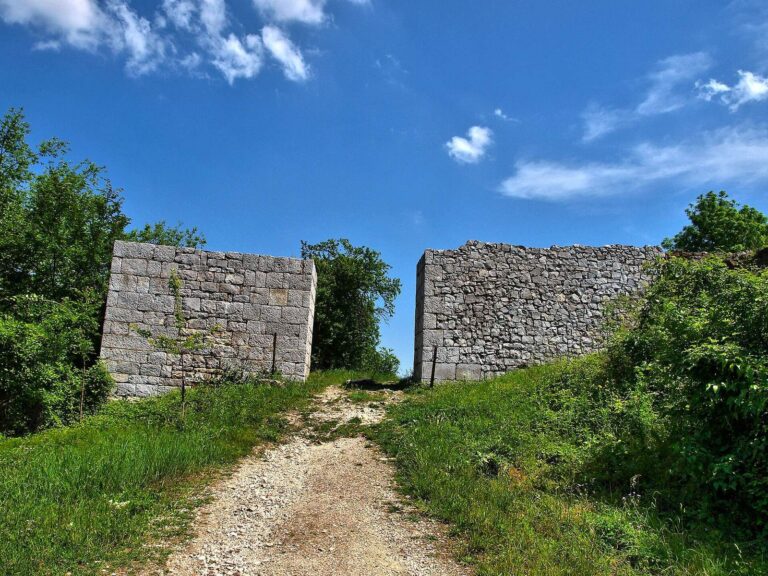
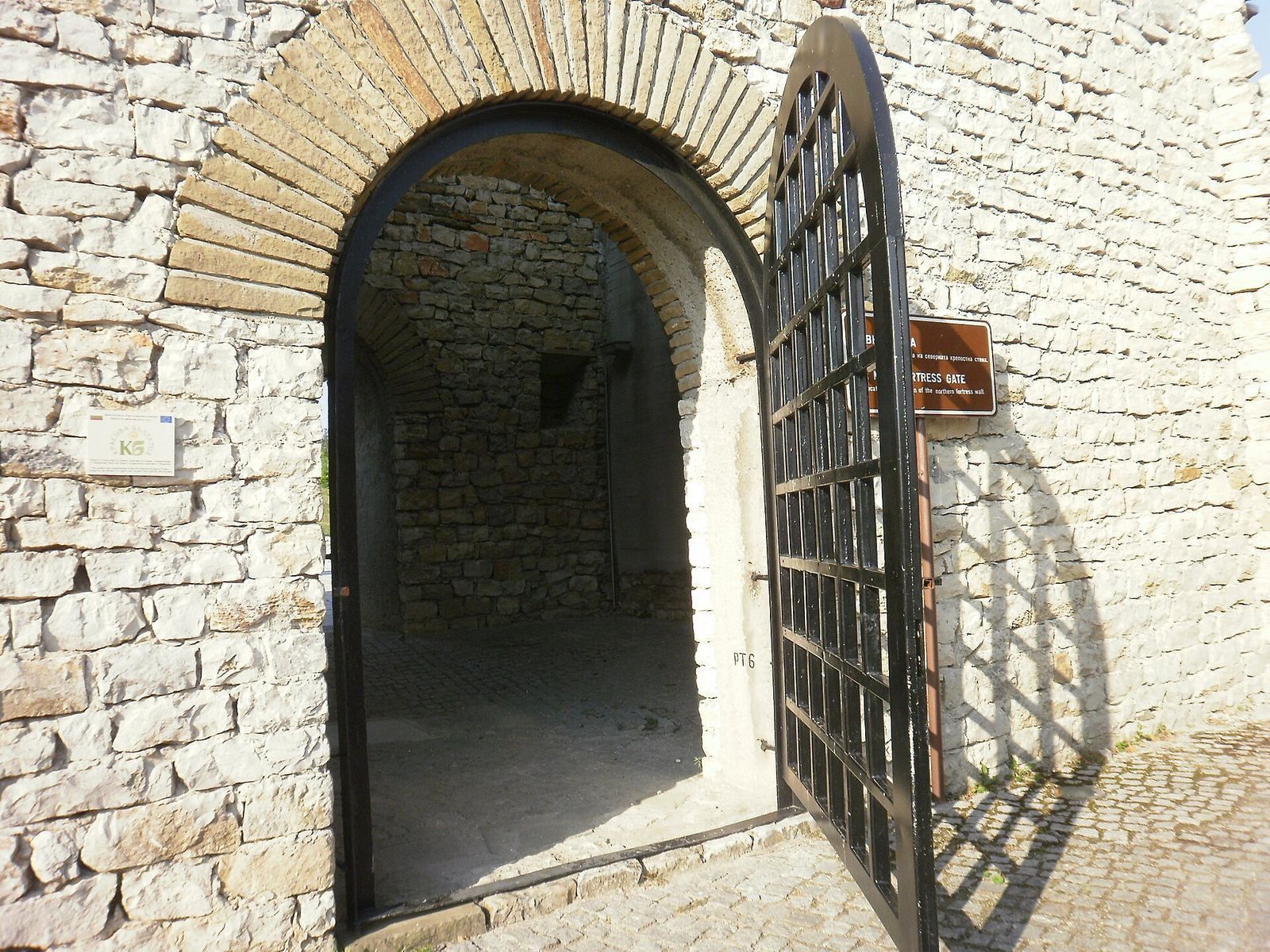
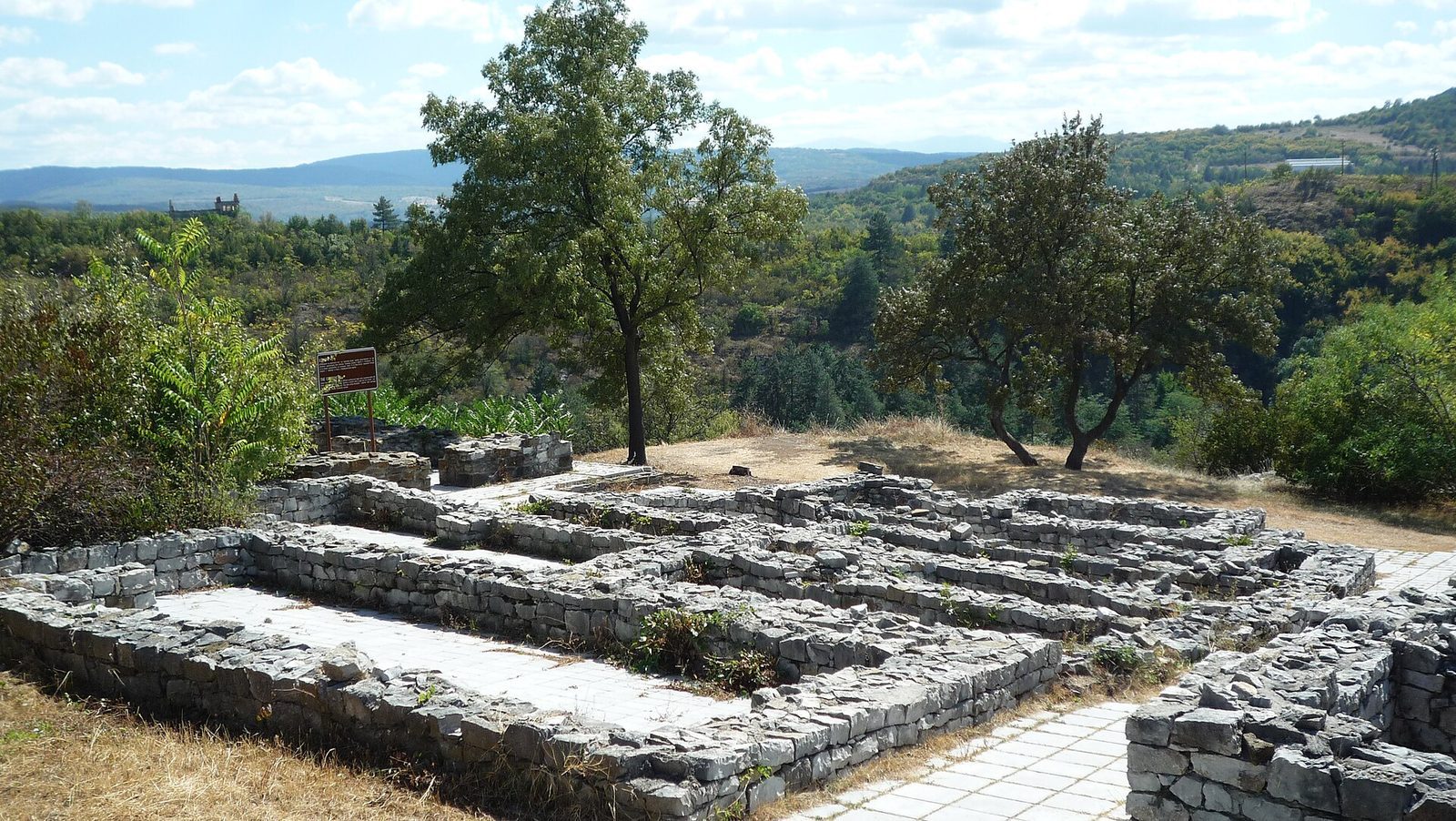
The fortress occupies two naturally protected terraces on Hisarya Hill, in the southern part of Lovech’s old town, and covers about 21 acres. Its planned layout placed residential, commercial, and church buildings in three architectural groups across different parts of the site. Surviving remains include walls and buildings from the ninth and twelfth centuries, together with incorporated remnants of the earlier Roman fortress.
Church foundations and landscape
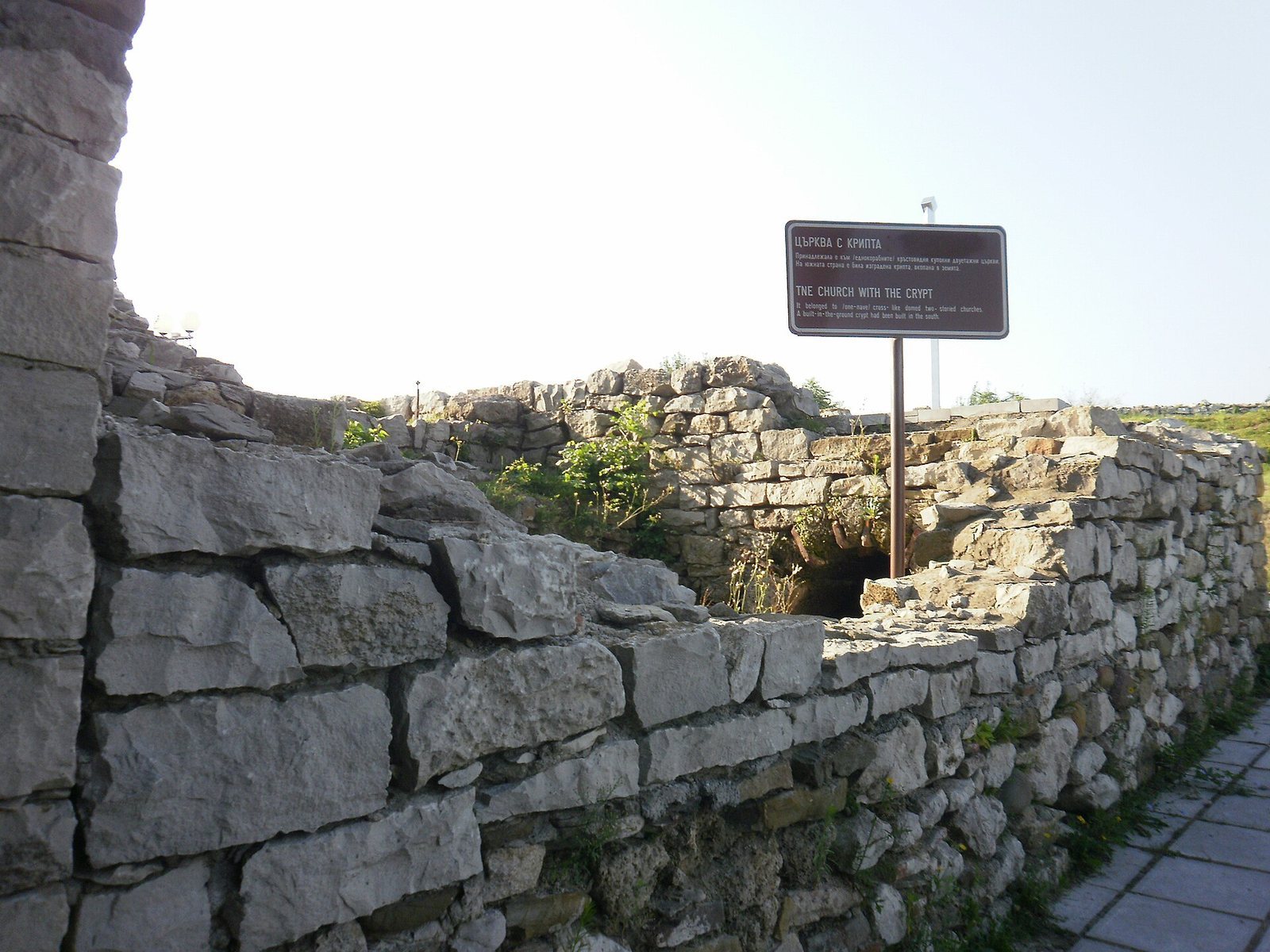
Foundations of a metropolitan church, associated with the seat of a senior regional church official, lie in the western part of the fortress. A large metal cross has been erected at the site and can be seen from almost anywhere in the city. The fortress overlooks Lovech; beyond the city, the Osam River winds between hills, and remains of the Roman road that crossed Lovech in antiquity can be seen.