Church of the Dormition, Klisura: A Bulgarian Revival Orthodox Church
Site at a Glance
- Popularity
- Very Low
- Country
- Bulgaria
- Primary era
- Modern
- Eras represented
- Modern
- Civilizations
- Ottoman
- Site type
- Religious
- Remains
- Church
On this page5 sections
History
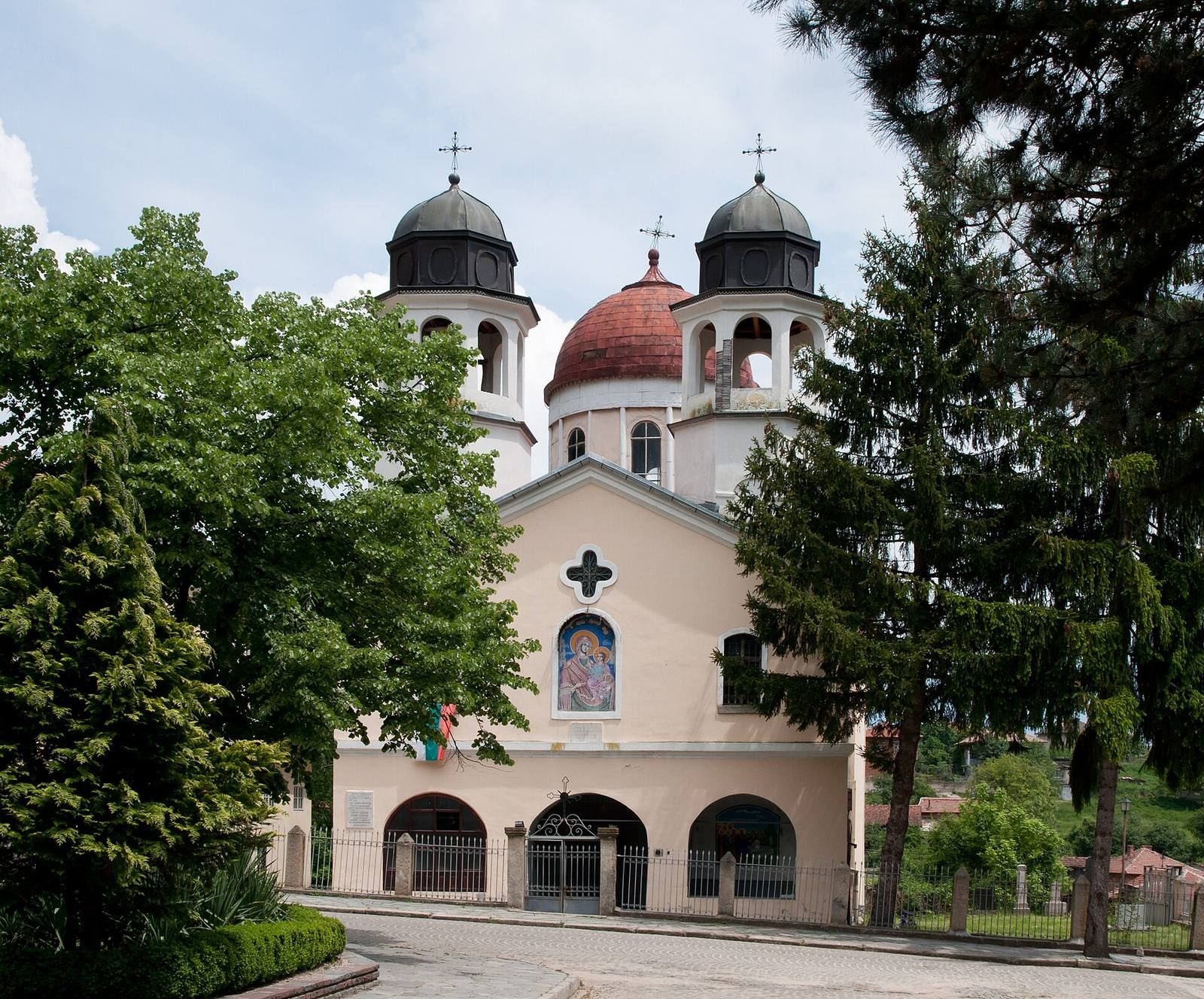
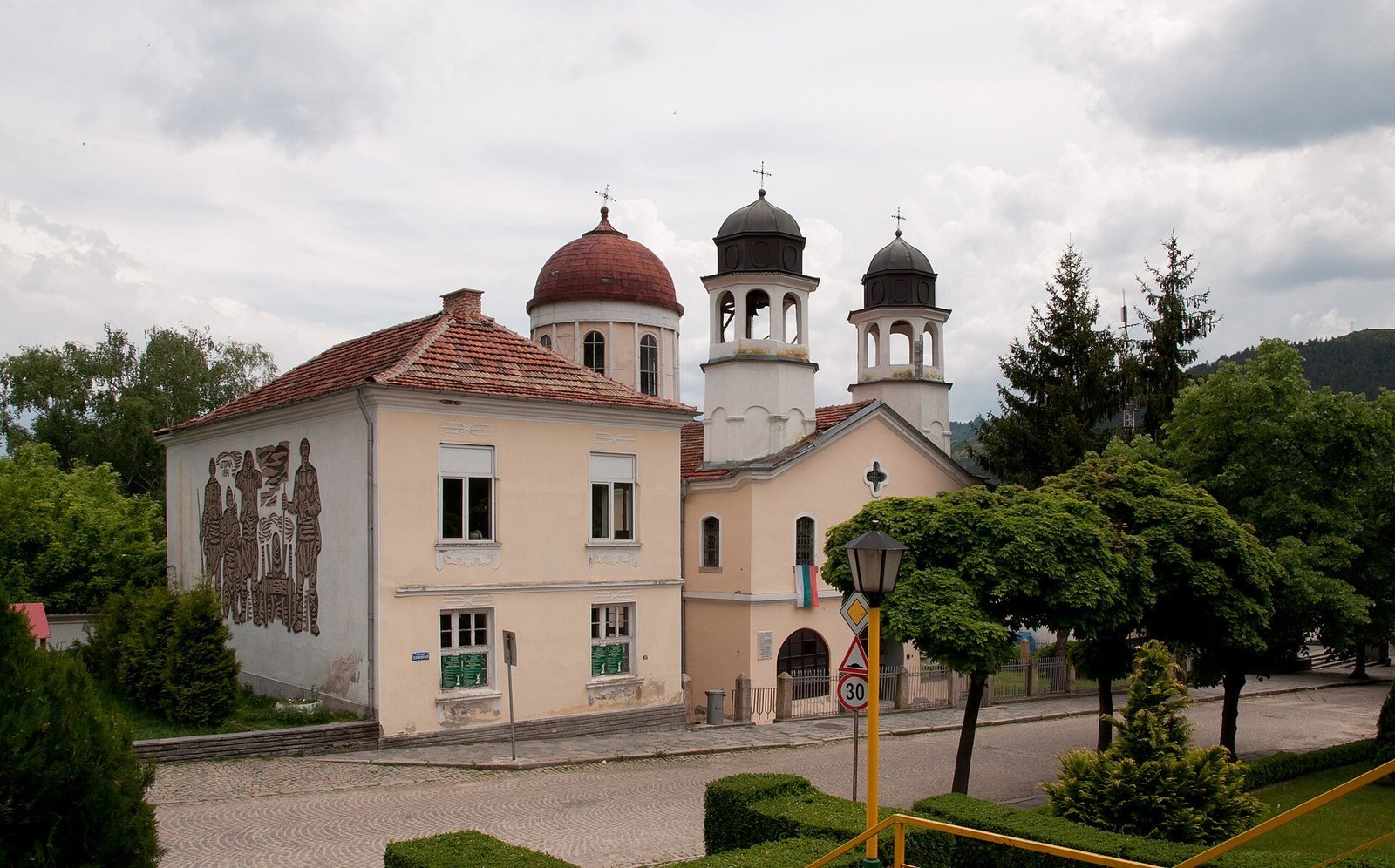
The Church of the Dormition, Klisura, is an active Orthodox church in Bulgaria, built in 1885 in the Bulgarian Revival style, a cultural and architectural movement linked to Bulgaria’s national revival. In Eastern Orthodox belief, the Dormition commemorates the death of Mary, the mother of Jesus, and her assumption into heaven. The church’s history is closely associated with the 1876 April Uprising, a Bulgarian revolt against Ottoman rule, and the villagers who escaped the violence in Klisura.
The uprising and the church’s foundation
During fighting at Zli Dol, villagers were killed by forces led by Tosun Bey, a feudal lord of Karlovo. On 8 May 1876, Hafiz Pasha, a senior Ottoman official or commander, arrived in Klisura and ordered villagers to be killed. Twelve-year-old Yovko Kushev hid an icon, a devotional image of a holy figure, of the Mother of God beneath his clothes and left his home and village. Torrential rain helped villagers survive, and they believed the Mother of God had sent it. Survivors fled through Varlishnitsa Pass to nearby Koprivshtitsa. Because of its association with their rescue, the icon came to be venerated as Klisura’s savior and protector.
After Klisura was burned and its defenders, led by Nikola Karadzhov, were defeated, the church was built on the site of an Ottoman-era residence. Atanas Samokovliyata was its chief master builder. A stone inscription places construction in August 1885 and describes the date as the ninth year after Klisura’s devastation and the seventh after Liberation. Construction was completed on 3 August 1885. The church remains active under the Bulgarian Orthodox Church–Bulgarian Patriarchate, in the Plovdiv Diocese and Karlovo Archpriest’s District, regional church jurisdictions.
Remains
Church building and inscription
The restored Bulgarian Revival church stands on the site of a Turkish mansion or official residence, the only building left standing after Klisura was burned. A stone inscription on the church’s western exterior records its construction in August 1885 and refers to the years since the town’s devastation and Liberation. The building’s completion date was 3 August 1885.
The icon
The icon of the Mother of God associated with the villagers’ escape is now a valued exhibit in the Klisura Historical Museum.