Hihaizuka Kofun: A Kofun-Period Burial Mound in Japan

Site at a Glance
- Rating
- 3.2
- Popularity
- Very Low
- Country
- Japan
- Primary era
- Medieval
- Eras represented
- Medieval
- Civilizations
- Yamato
- Site type
- Burial
- Remains
- Burial Mound
On this page7 sections
History
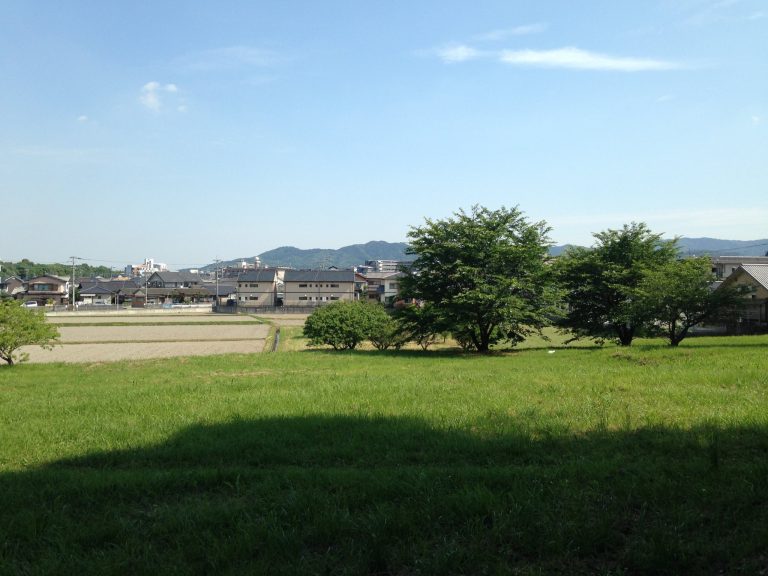
Hihaizuka Kofun is a Kofun-period burial mound in Japan, located in Kasuga, Fukuoka, and probably built around the middle of the sixth century during the later Kofun period, an ancient Japanese era known for large earthen tombs for elite individuals. It stands on a river terrace along the Naka River in the southern Fukuoka Plain. The mound’s name means “mound for greeting the sun,” reflecting the view that the rising sun could be worshipped from it around the equinoxes, when the sun appeared over Mount Daikonchi to the east.
Power and local connections
Hihaizuka Kofun is considered contemporary with Tokoji Tsurugi Kofun in Fukuoka. Its occupant has been interpreted either as a person of slightly lower status than the individual buried at Tokoji Tsurugi Kofun or as an independently powerful leader who influenced the southern Fukuoka Plain. Another interpretation links the tomb with the beginning of Sue-ware production at the Ushikubi kiln complex. Sue ware was high-fired gray pottery made in Japan with techniques introduced from the Korean Peninsula.
Pit-built buildings of the Kofun period were found at the nearby Hihaizuka archaeological site. These remains suggest that a settlement may have existed both before and after the mound was constructed, placing the burial monument within a wider local community.
Robbery, investigation, and preservation
The stone chamber was robbed in 1929, and most of its burial goods were removed. The objects were later recovered, and the tomb was reported in an archaeological survey publication issued in 1930. Archaeological investigations began in 1981, followed by work on the west side in 1998 during housing construction and on the east side in 2000.
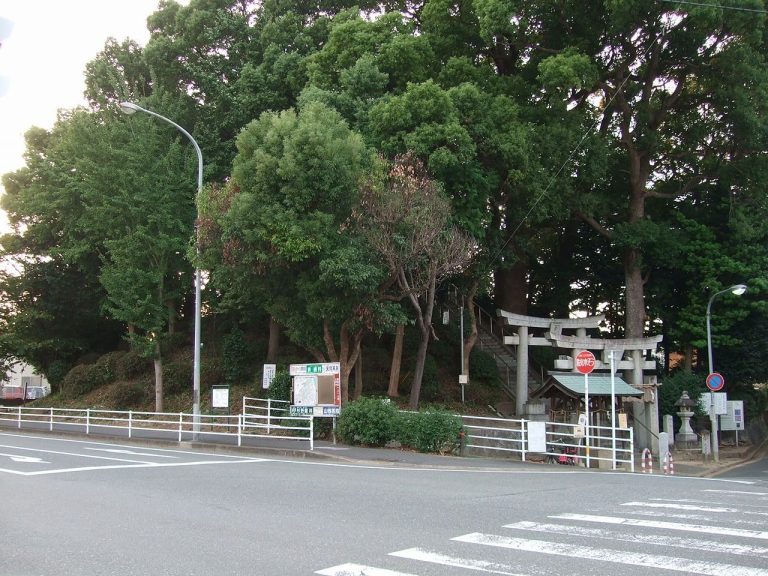
Hihaizuka Kofun became a National Historic Site of Japan on February 24, 1976. Environmental improvements were carried out in 1982, and the monument is maintained as a public park, while entry into the stone chamber is restricted. The Fukuoka Prefecture Western Offshore Earthquake on March 20, 2005, damaged the mound and chamber. A later survey and repair project addressed both structures, including the insertion of strengthening soil into the joints between the chamber stones. Most excavated objects are held by the Tokyo National Museum, while the gold pendant earrings are preserved at the Nakoku-no-Oka History Museum in Kasuga.
Remains
Mound and moat
Hihaizuka Kofun is a keyhole-shaped mound, with a circular rear section and a rectangular front section. Its principal axis runs approximately east-west, with the front directed westward. The mound is about 55 meters long, although its visible portion measures approximately 47 meters. The rear section rises 5.4 meters above ground level, and the front section rises 4.4 meters.
The mound was constructed in two stages, separated by a flat terrace about 5 meters wide. A shield-shaped moat formerly surrounded it, extending the monument to approximately 62 meters when included in the overall measurement. On the south side of the rear section, the moat is interrupted in front of the stone chamber, creating an earthen bridge. The exterior has no identified stone revetment or haniwa, the funerary ceramic objects placed on or around some Kofun-period mounds.
Stone chamber
The burial facility lies within the circular rear section and consists of a single-chamber, horizontal-entry stone chamber opening toward the southwest. Its double-sleeved plan, in which the passage joins the burial chamber with projecting side sections, was built from large granite blocks. The chamber measures 8.4 meters overall. The burial room is 3.6 meters long, 2.6 meters wide, and 4 meters high, while the passage is 4.8 meters long, 1.1 meters wide, and 1.5 meters high.
A large mirror stone forms part of the rear wall, measuring approximately 2.5 meters wide and 2.2 meters high. The side walls of both the burial room and passage incorporate basal stones about 1.2 meters high. Above them, the chamber walls use steeply corbelled masonry, with stones laid inward as the walls rise. The passage widens toward the entrance, and the chamber’s stonework was strengthened during repairs after the 2005 earthquake.
Burial goods
Objects recovered from the chamber include gold pendant earrings, a ring-pommel sword hilt fitting, a bronze mirror, four gold rings, and other personal ornaments. The assemblage also contains weapons, tools, horse equipment including three sets of iron ring stirrups, Sue ware, and other ceramic vessels. Together, these objects provide material evidence for the status, equipment, and connections of the person buried within the mound.