Gosławice Castle: A Historic Fortified Residence in Konin, Poland
Visitor Information
Google Rating: 4.7
Popularity: Low
Official Website: www.muzeum.com.pl
Country: Poland
Civilization: Medieval European, Modern
Site type: Military
Remains: Castle
History
Gosławice Castle is located in the area of Gosławice, now part of the city of Konin in Poland. It was constructed in the early 15th century by the initiative of Bishop Andrzej Łaskarz of Poznań, a prominent figure of the Polish Church, who also oversaw the building of a Gothic church nearby. This period marks the castle’s origin as a fortified residence linked to the ecclesiastical authority.
The castle’s early decades likely centered around both defense and the bishopric’s administrative needs. However, in the mid-17th century, during the Swedish Deluge (known in Polish as “potop szwedzki”), a significant military conflict that devastated much of the region, archaeological evidence indicates that the castle suffered destruction. This event marked the decline of Gosławice Castle’s military and residential importance.
In 1772, the castle’s ownership passed to Jadwiga Łącka and later transferred to the Kwilecki family. During the 19th century, the character of the site evolved with the addition of a granary built in 1838, situated between the church and the castle, indicating a shift from purely defensive or ecclesiastical functions toward agricultural use. Sometime following the granary’s construction, parts of the castle were adapted for industrial purposes as either a brewery or a distillery, reflecting changing economic activities on the estate.
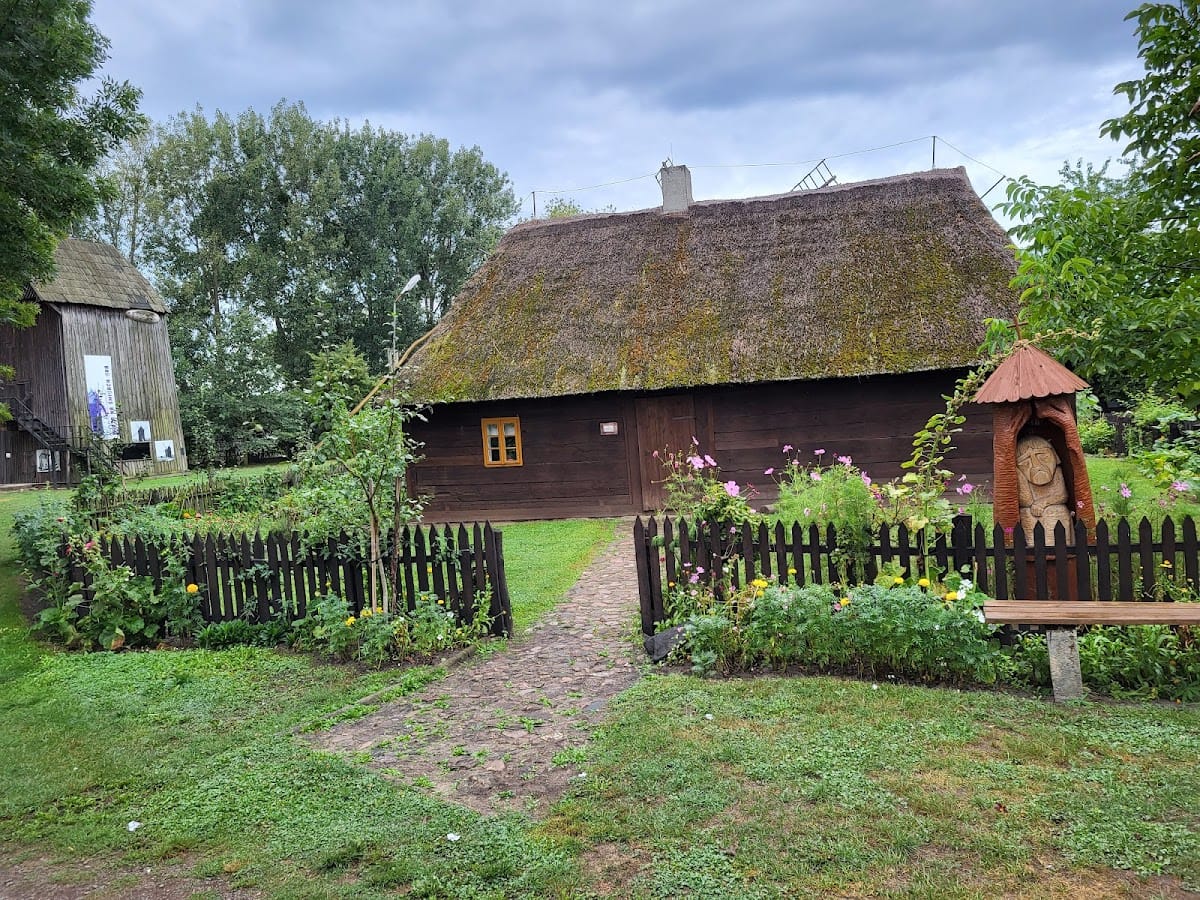
By the time of the interwar period in the early 20th century, the castle had fallen into a state of neglect and ruin after years without maintenance. A major restoration project undertaken between 1978 and 1986 during the Polish People’s Republic era led to the revival of the structure. Since November 30, 1986, the castle has housed the Regional Museum in Konin, preserving its historical legacy. Adjacent to the castle grounds, an open-air museum has been established, which includes examples of traditional post mills or windmills, linking the site both to regional history and rural heritage.
Remains
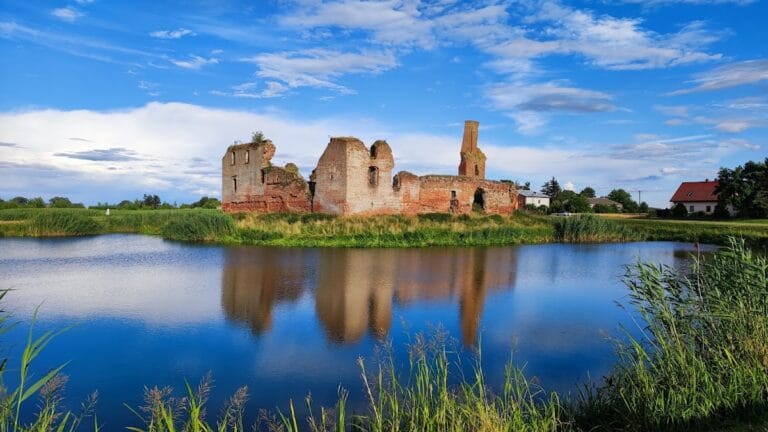
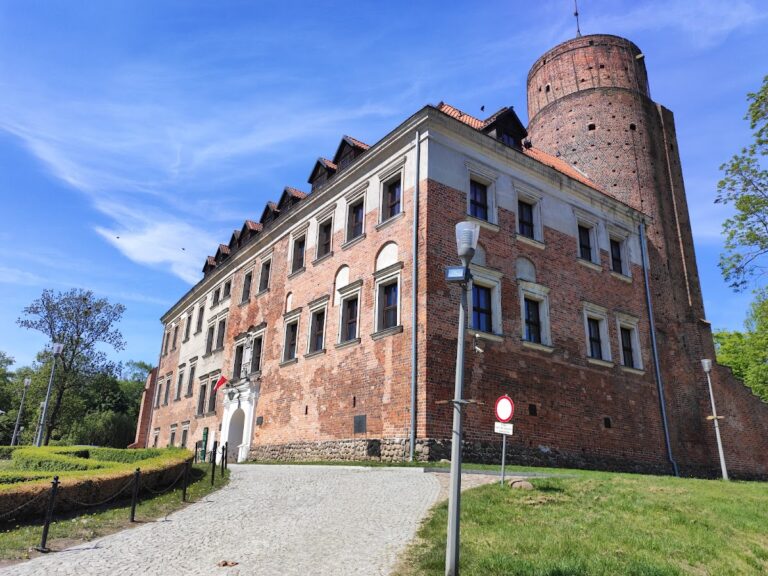
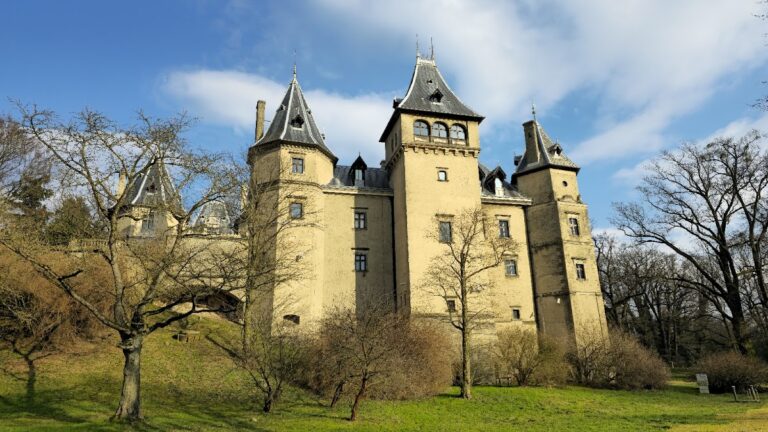
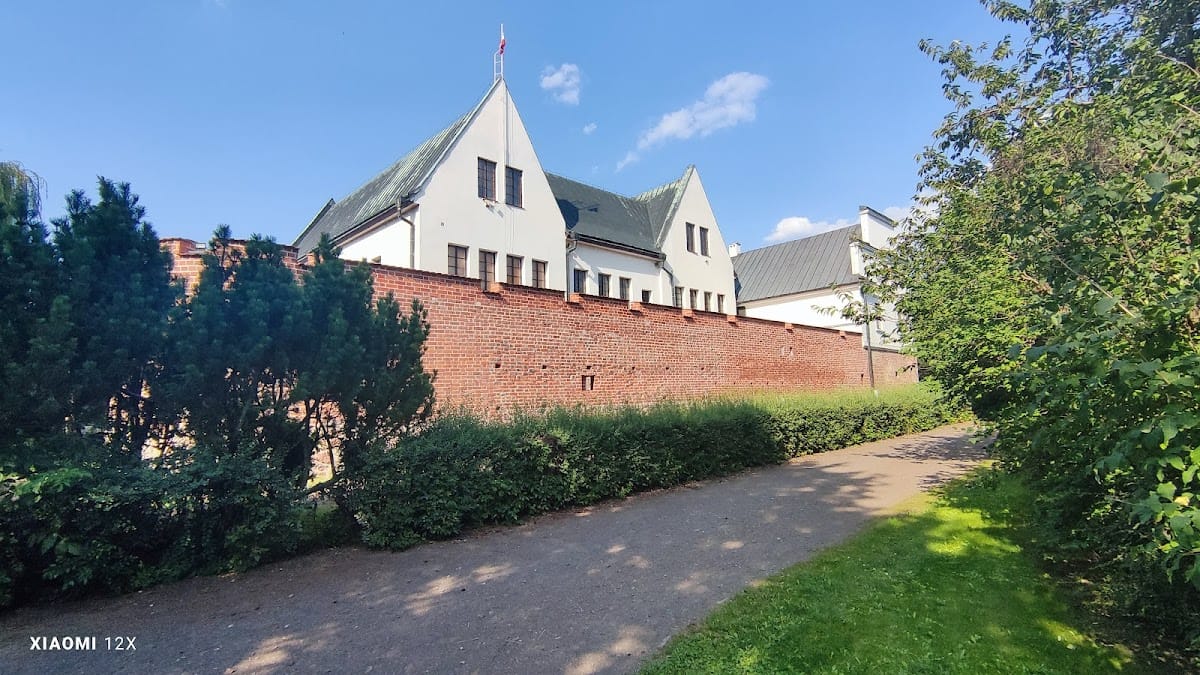
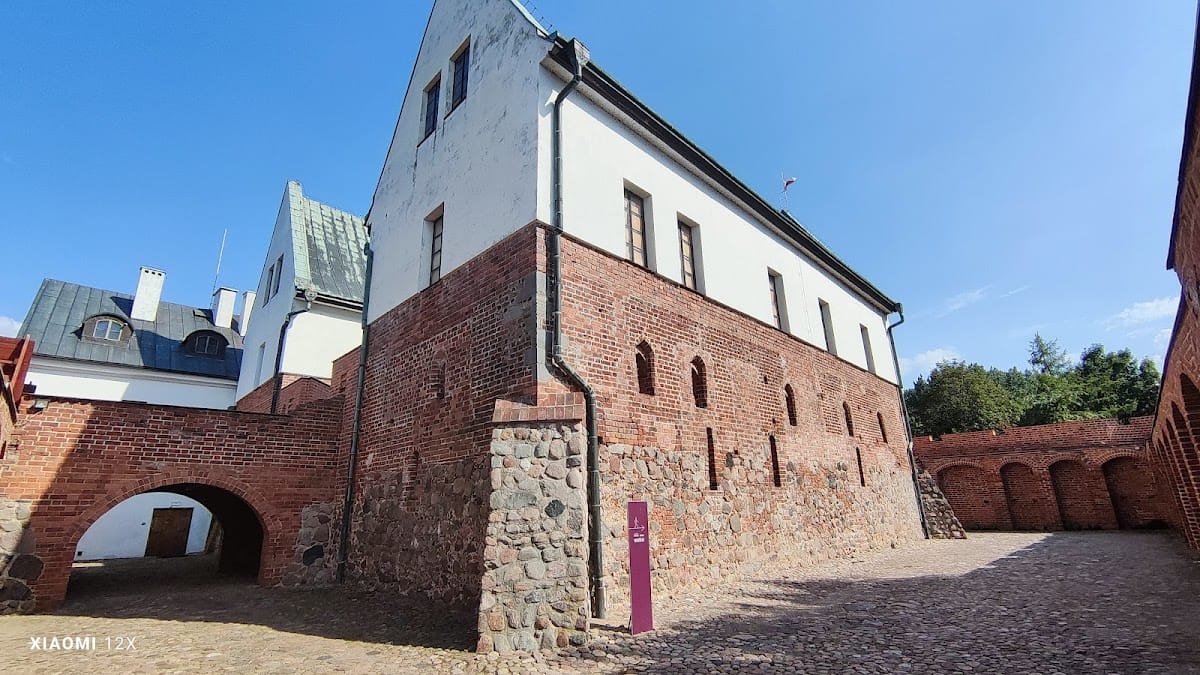
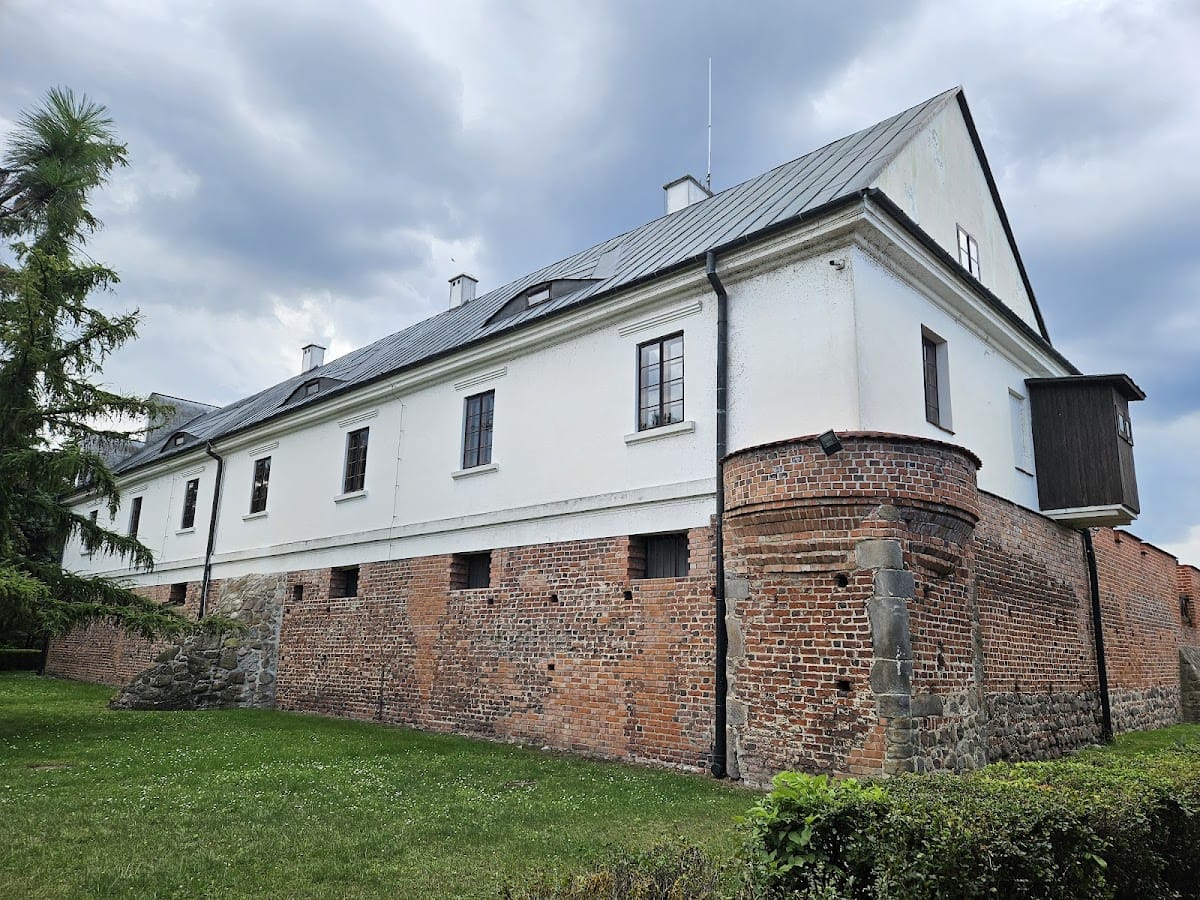
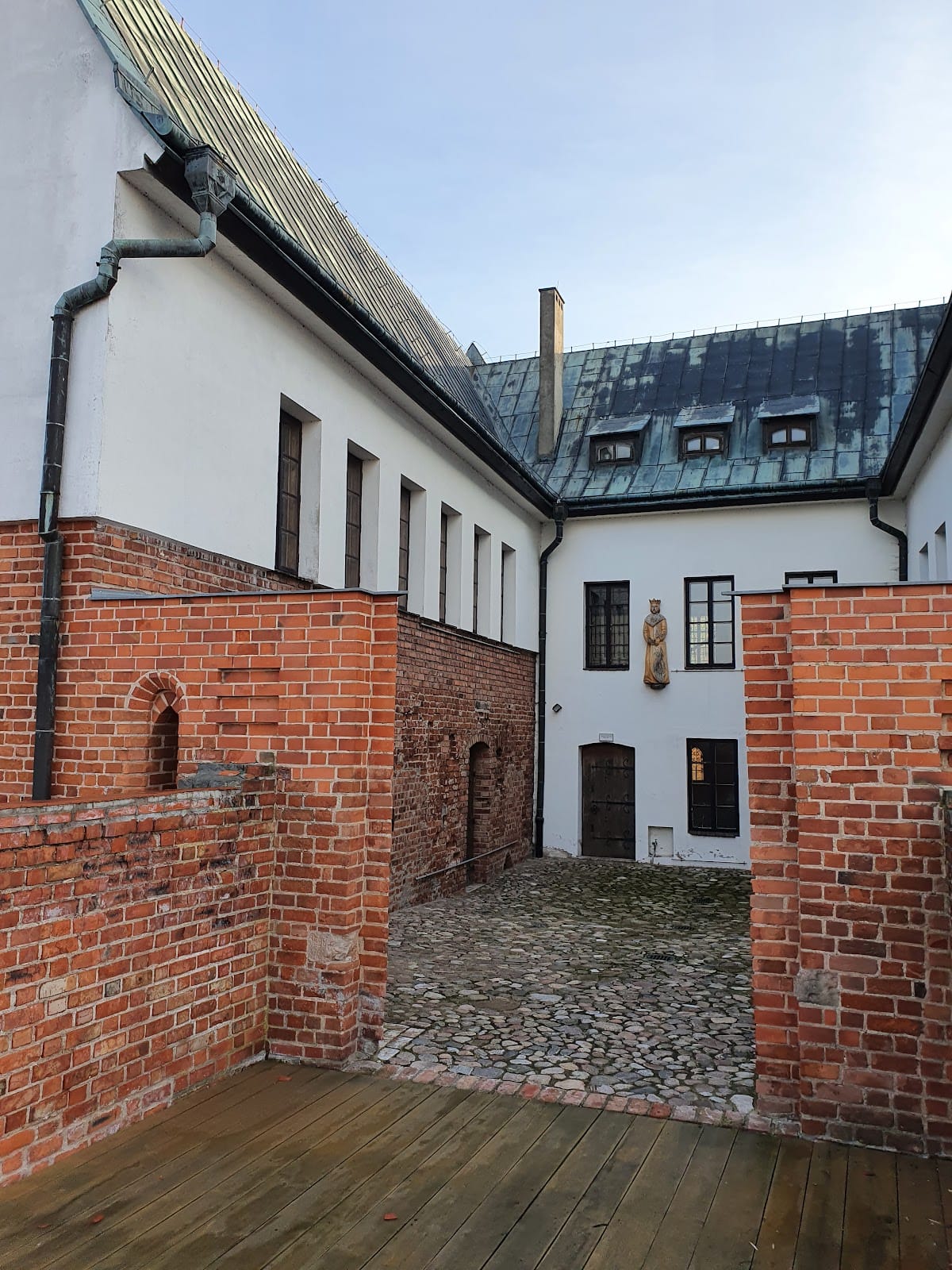
The Gosławice Castle complex is composed of two parallel residential buildings enclosed within defensive walls. These walls, constructed in the Gothic period, are reinforced at the corners by small towers equipped with embrasures—narrow openings designed for shooting—which reflect the military purpose of the fortification. The castle was surrounded by a moat, a water-filled ditch that served as an additional barrier against attackers.
Built primarily of stone and brick, the defensive wall and towers illustrate typical medieval military architecture. The corner towers provided vantage points for defenders, enabling them to cover the castle’s perimeter effectively. The moat, taking advantage of the castle’s position on the shore of Gosławskie Lake, added a natural element to the castle’s defenses.
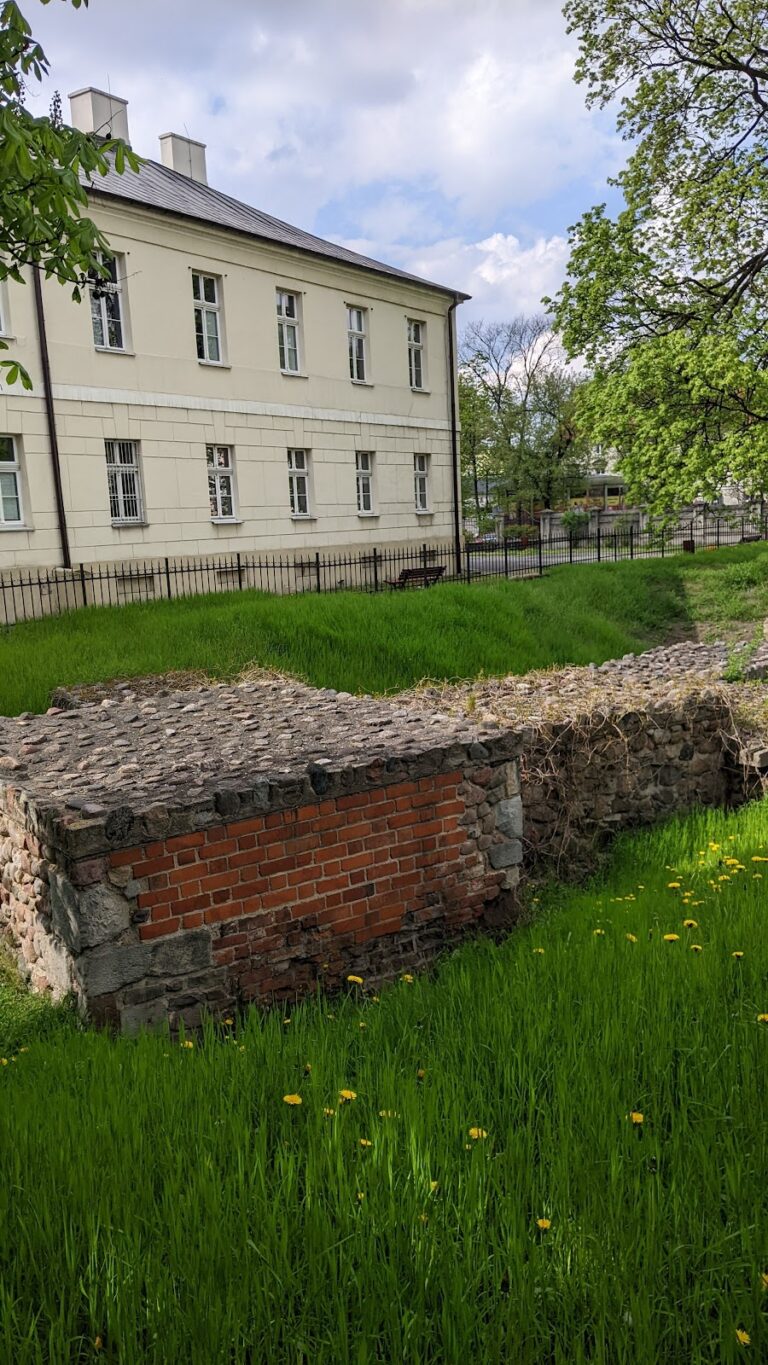
Between the castle and the adjoining Gothic church, a granary was constructed in 1838. This later addition was established to support agricultural storage needs and illustrates the shift in the castle’s role and surroundings during the 19th century. The granary itself is a separate structure, situated closely within the castle precinct.
At some point after the granary’s erection, part of the castle was repurposed into a facility for brewing or distillation, marking a transition from its original defensive and residential functions to industrial use. The adaptive reuse likely altered some internal elements, although precise details of these changes are limited.
Today, the castle stands largely restored, reflecting the conservation efforts from the late 20th century, preserving its defensive walls, towers, and layout. The site is complemented by a nearby open-air museum, which features traditional post mills—wooden windmills typical of the region—providing cultural context to the castle’s environment and historical agricultural setting.
Nearby sites