Giessen Old Castle: A Medieval Fortification and Museum in Germany
Site at a Glance
- Popularity
- Medium
- Country
- Germany
- Primary era
- Medieval
- Eras represented
- Medieval, Modern
- Civilizations
- German, Holy Roman Empire, Landgraviate of Hesse
- Site type
- Military
- Remains
- Castle
On this page6 sections
History
Giessen Old Castle, also known as the Landgrave’s Castle, is a medieval lowland castle in central Giessen, Germany, built on relatively low ground rather than a hill. Its precise construction date is unknown. The fortification extended the town’s defenses and was Giessen’s second moated castle.
Landgravial Residence and Chancery
The castle was first recorded in 1364 as a secondary residence of Henry II, a landgrave, or territorial ruler, of Hesse in the Holy Roman Empire. It later served as a residence for widows, a dwelling, another landgravial residence, and a court of justice, roles it retained into the nineteenth century. From 1604, it also housed a princely chancery, the office whose name survives in the adjoining Kanzleiberg street.
Museum, Destruction, and Rebuilding
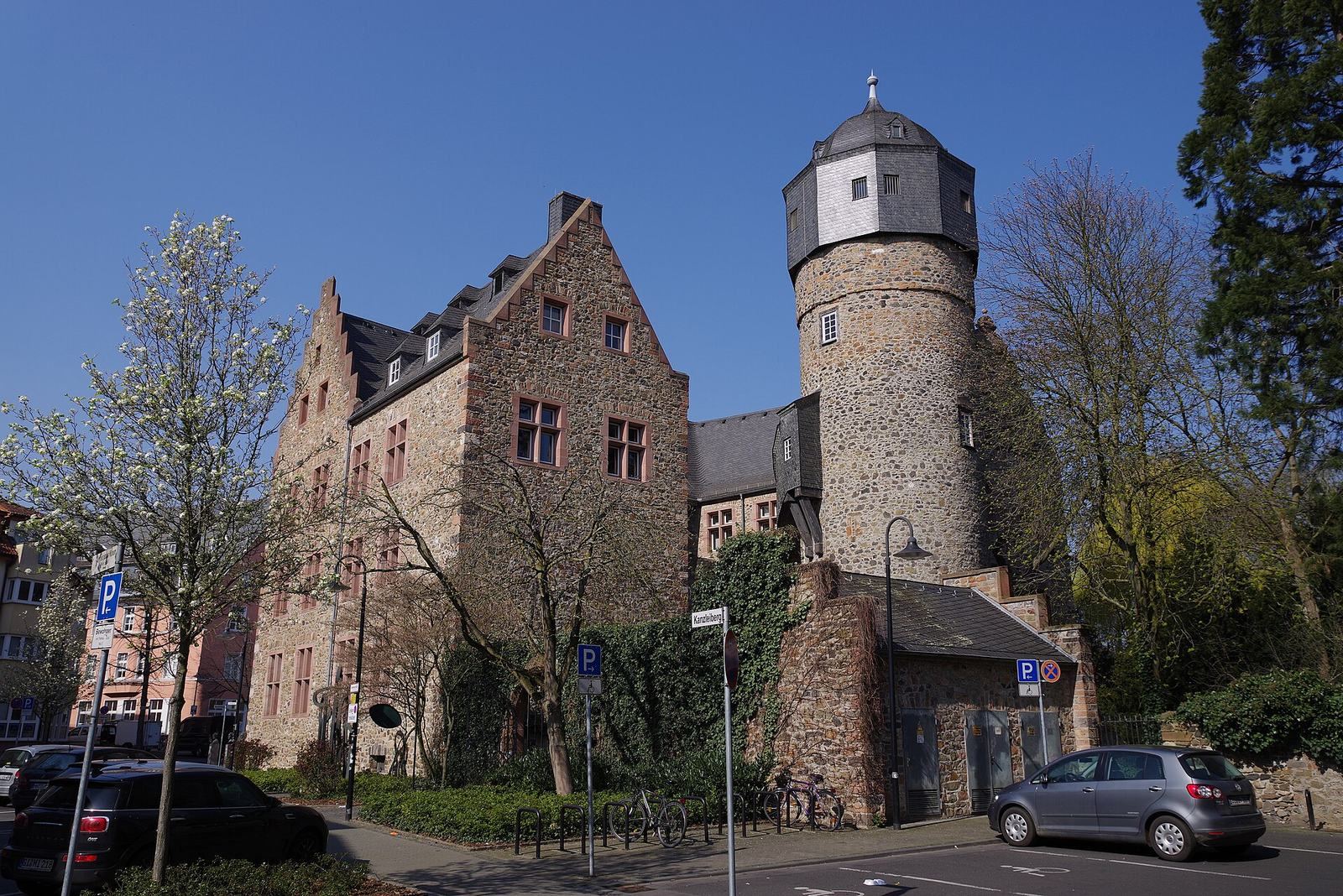
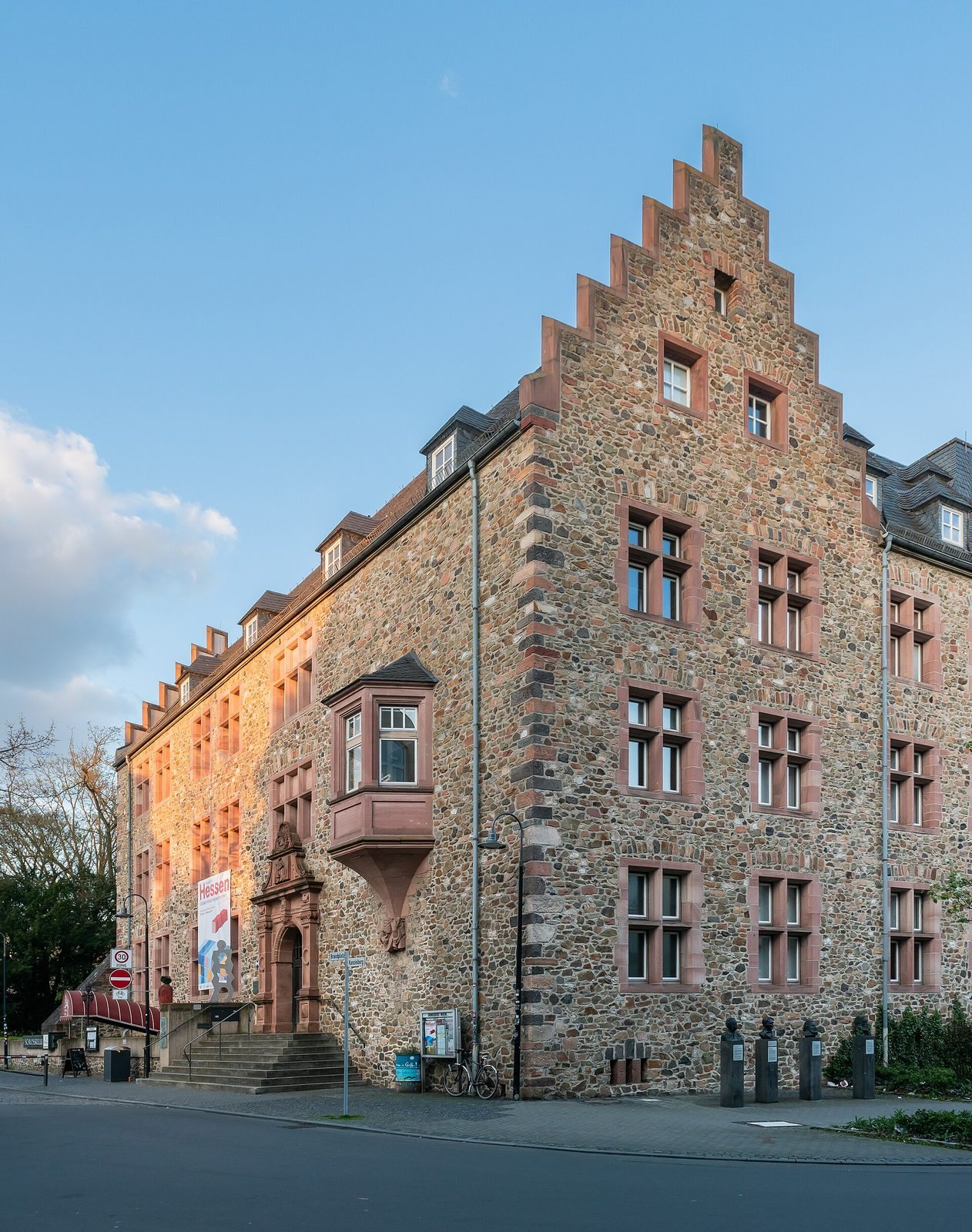
Some of the buildings were demolished in 1891 after falling into disrepair. The city acquired the castle in 1893 to house collections belonging to the Upper Hessian History Association and the Wilhelm Gail Foundation. A conversion completed in 1903 gave the building a Neo-Renaissance character, a nineteenth-century revival of Renaissance architecture, and made it the principal home of the Upper Hessian Museum. Air raids on Giessen in 1944 left the castle completely burned out. A proposal by the city magistrate to demolish the ruin was stopped, and the castle was rebuilt in the late 1970s. It now houses the museum’s Gail collections, including a picture gallery and applied arts.
Remains
Layout and Setting
The castle occupies low-lying ground in central Giessen and was arranged around a narrow courtyard. A residential hall stood to the northwest, with residential and stable buildings to the southwest. A connecting building faced Brandplatz to the northeast, while a tower, defensive wall, and moat occupied the southeast side. The Botanical Garden adjoins the castle to the northeast and southeast. Dating to the seventeenth century, it is Germany’s oldest botanical garden and remains at its original location. Kanzleiberg borders the castle to the southwest, and Brandplatz lies to the northwest, with the New Castle on its opposite side.
The 1903 Conversion
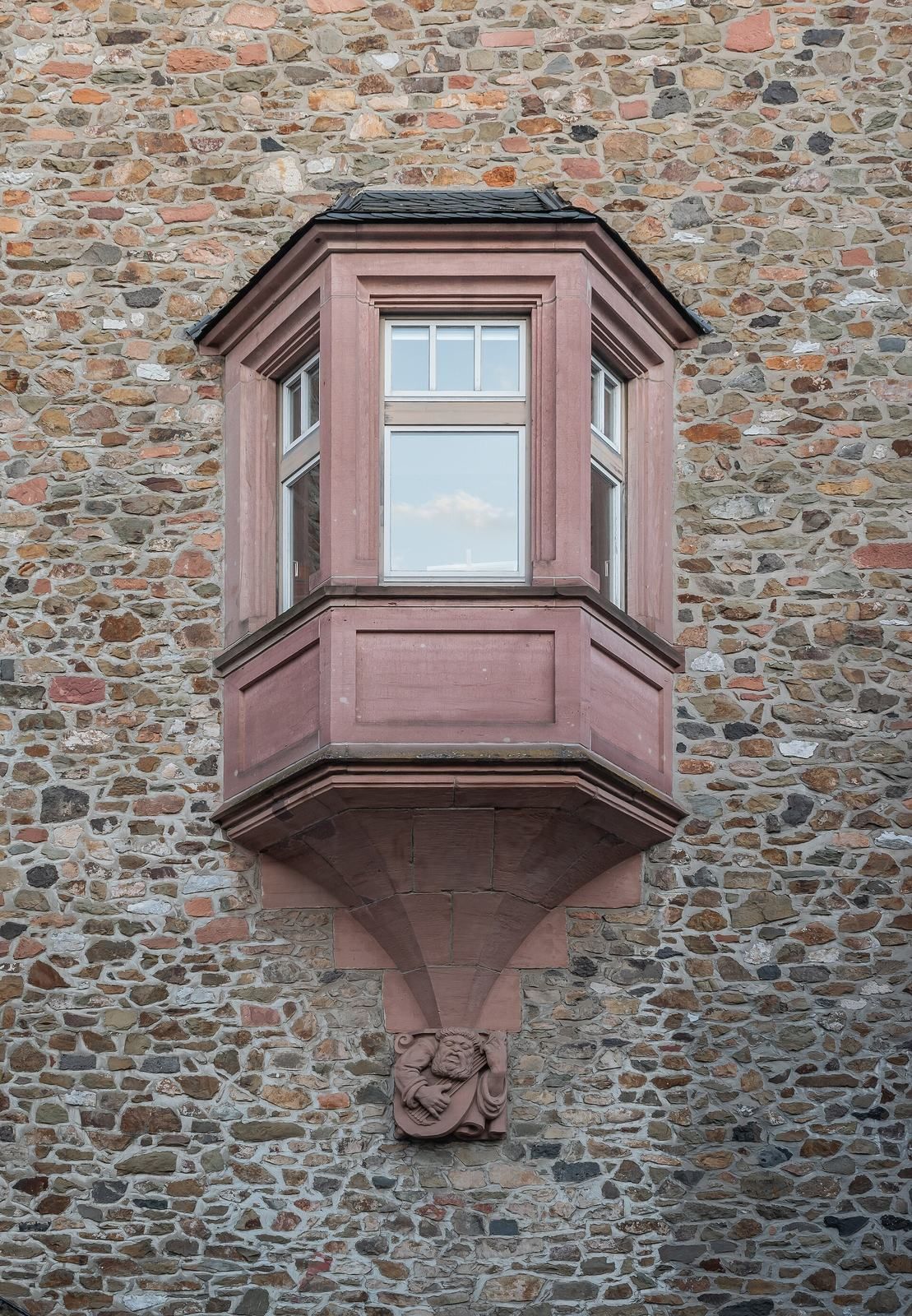
The 1903 museum conversion left the southeast main gate and the Heidenturm, a tower topped by a curved, domed roof, unchanged. Workers removed plaster from the masonry of the other buildings, gave the roof a wholly new appearance, and refitted the interiors for museum use.