Gallery of the Aslamazyan Sisters: An Art Museum in Gyumri
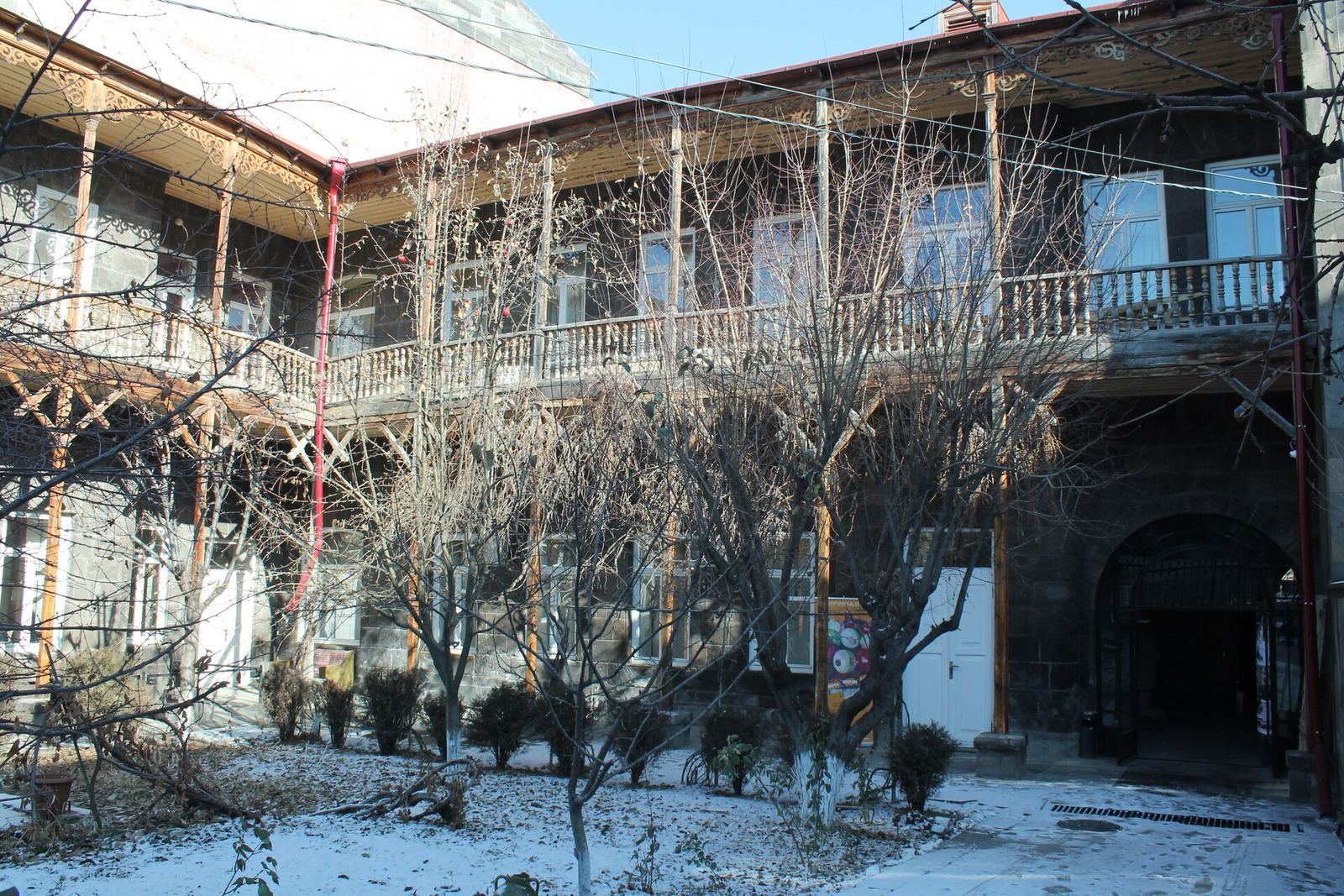
Site at a Glance
- Popularity
- Medium
- Country
- Armenia
- Primary era
- Modern
- Eras represented
- Modern
- Civilizations
- Russian
- Site type
- Domestic
- Remains
- Elite Residence
On this page6 sections
History
The Gallery of the Aslamazyan Sisters is a museum in Gyumri, Armenia, founded by Armenian artists Mariam and Yeranuhi Aslamazyan and opened on November 6, 1987. It occupies a 19th-century urban residence combining Armenian and European architectural elements, and is Armenia’s only museum dedicated to women artists.
The residence and its preservation
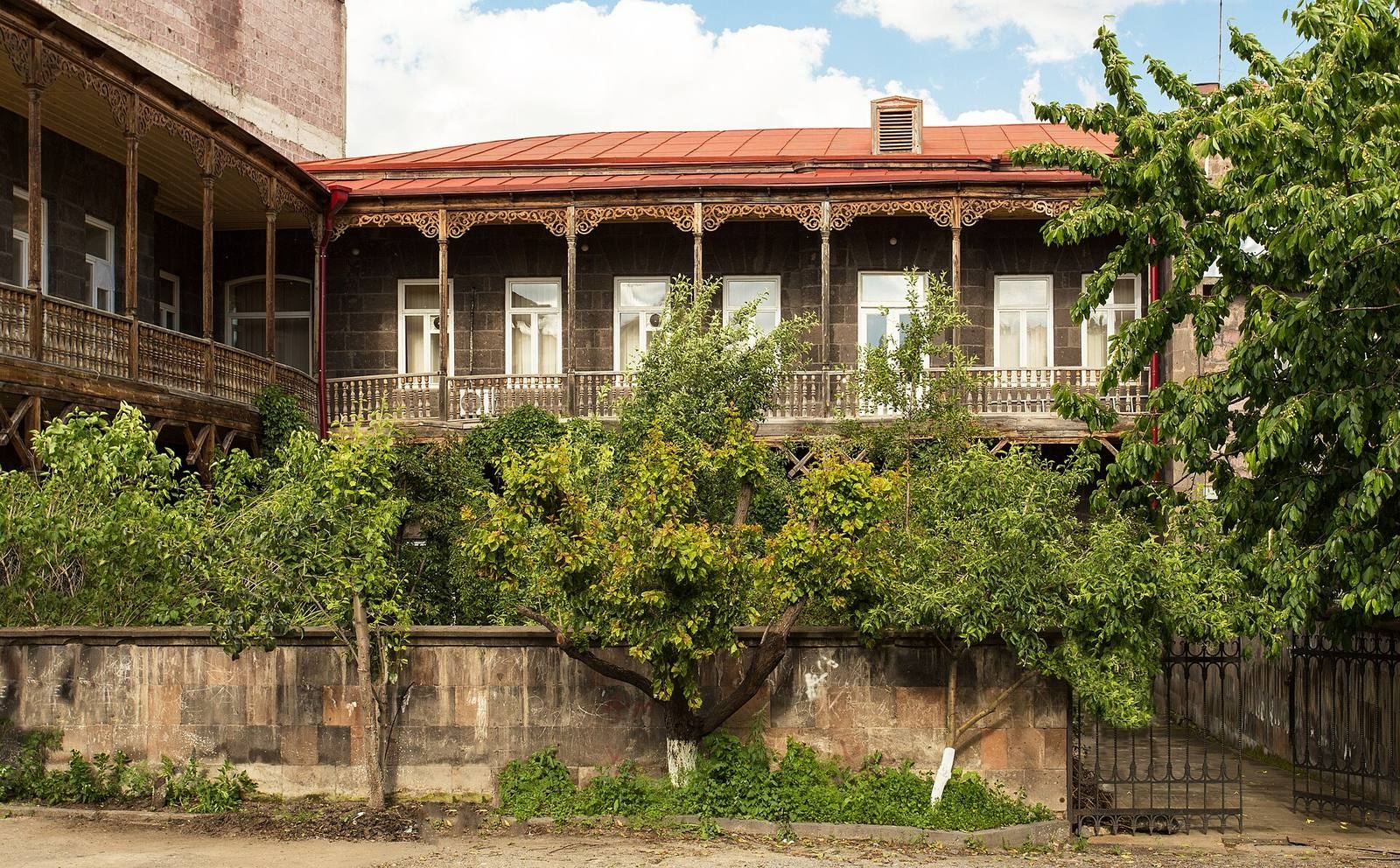
Built in 1880 as the private home of a wealthy merchant family, the building later became part of Gyumri’s protected historic landscape. In 1980, it received state protection as a historical and cultural heritage structure and was incorporated into the Kumayri reserve-museum, a protected historic area in the city.
Founding and later history
The gallery’s opening accompanied the sisters’ gift of approximately 620 original works to Gyumri, made in recognition of Mariam’s 80th birthday. The building was damaged in earthquakes in 1926 and 1988 and was subsequently restored. After the 1988 earthquake, it was allocated to people left homeless by the disaster. The gallery reopened in 2004.
Remains
Building and layout
The two-storey building is constructed of black tuff, a stone formed from consolidated volcanic ash. Its layout includes an interior courtyard and a wooden balcony. It stands in Gyumri’s historic district, close to the central square. The first floor presents Yeranuhi Aslamazyan’s work, while the second is devoted to Mariam’s.
Collections and displays
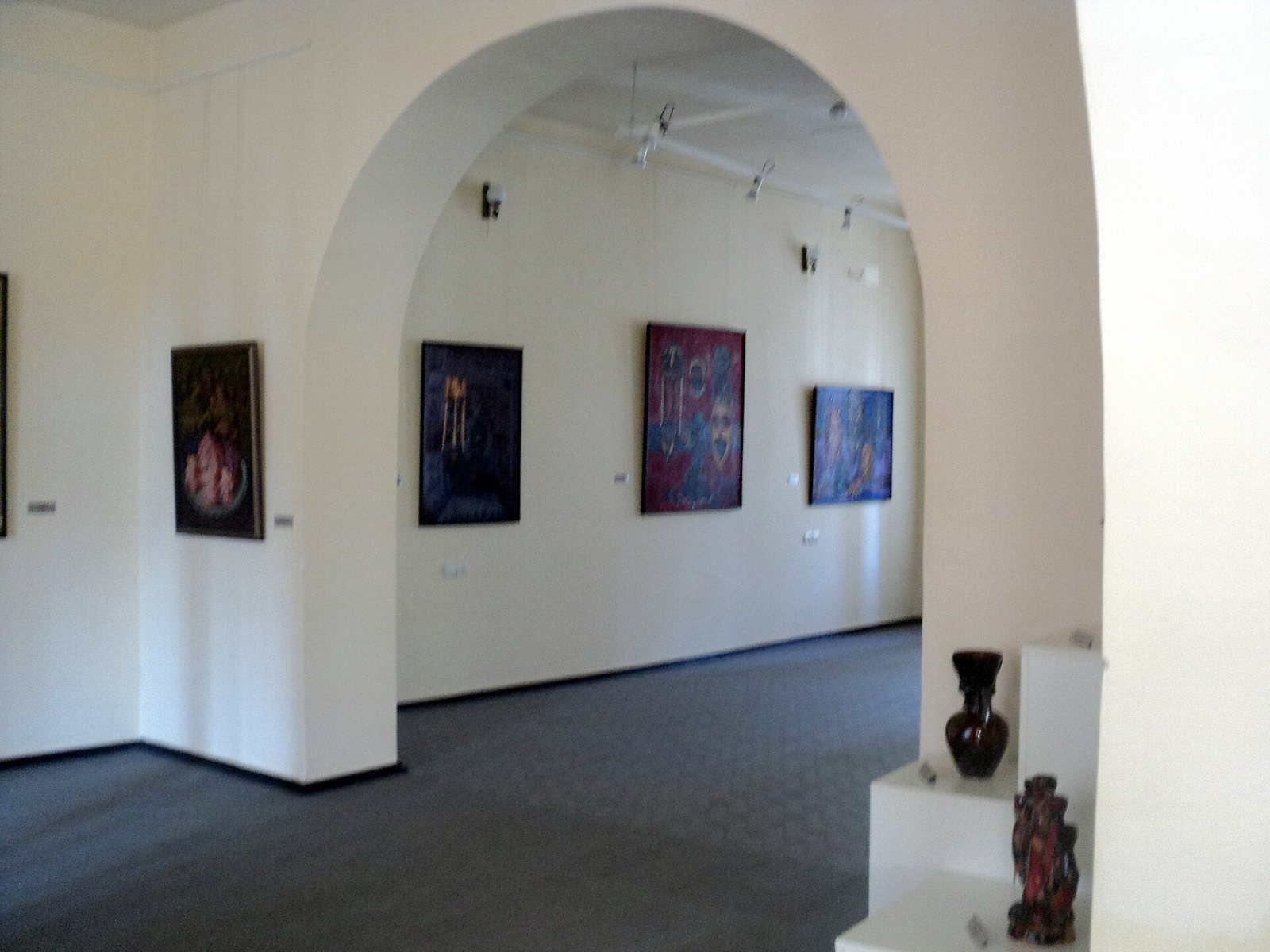
The gallery holds the sisters’ complete collection and the world’s largest collection of their paintings, prints, drawings, and ceramics. Its displays include about 619 paintings and decorative objects, among them illustrated bowls, tableware, candlesticks, and ceramic tiles by Mariam. Her work includes decorative, two-dimensional portraits, still lifes depicting arranged inanimate subjects, and landscapes; she also reinterpreted the Soviet and postwar years from her own perspective. Yeranuhi worked mainly in a realist manner, depicting subjects in a recognizable, lifelike way through portraits, genre scenes of everyday life, and still lifes. Her works use controlled transitions of colour and layers of aesthetic and ideological meaning.