Cathedral of the Holy Mother of God: Armenian Apostolic Cathedral in Gyumri
Site at a Glance
- Popularity
- High
- Country
- Armenia
- Primary era
- Modern
- Eras represented
- Early Modern, Modern
- Civilizations
- Armenian, Russian
- Site type
- Religious
- Remains
- Cathedral
On this page9 sections
History
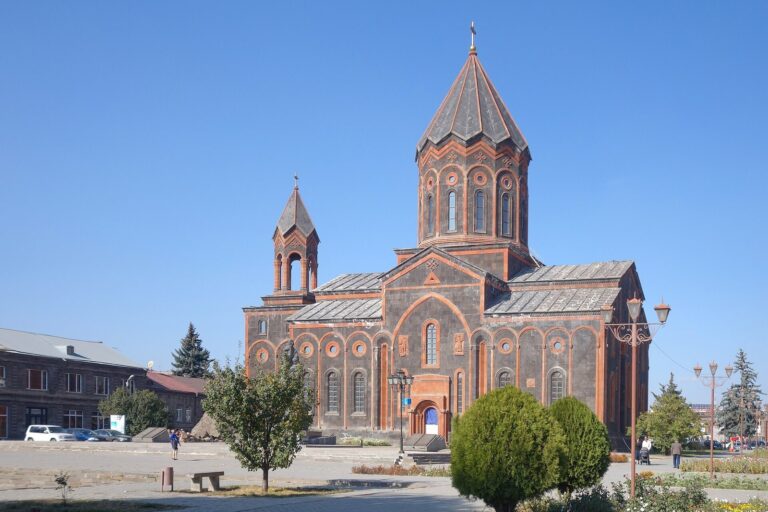
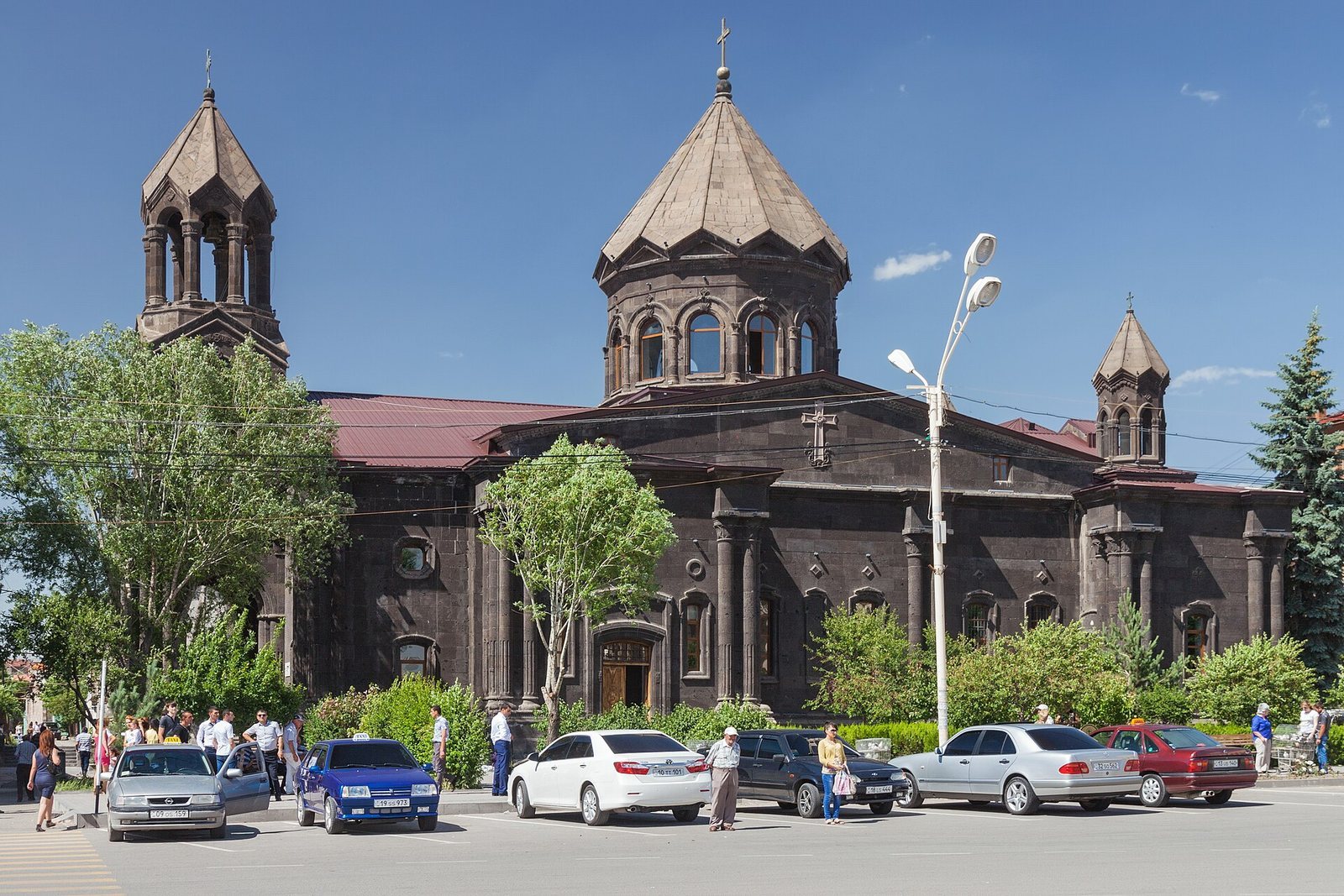
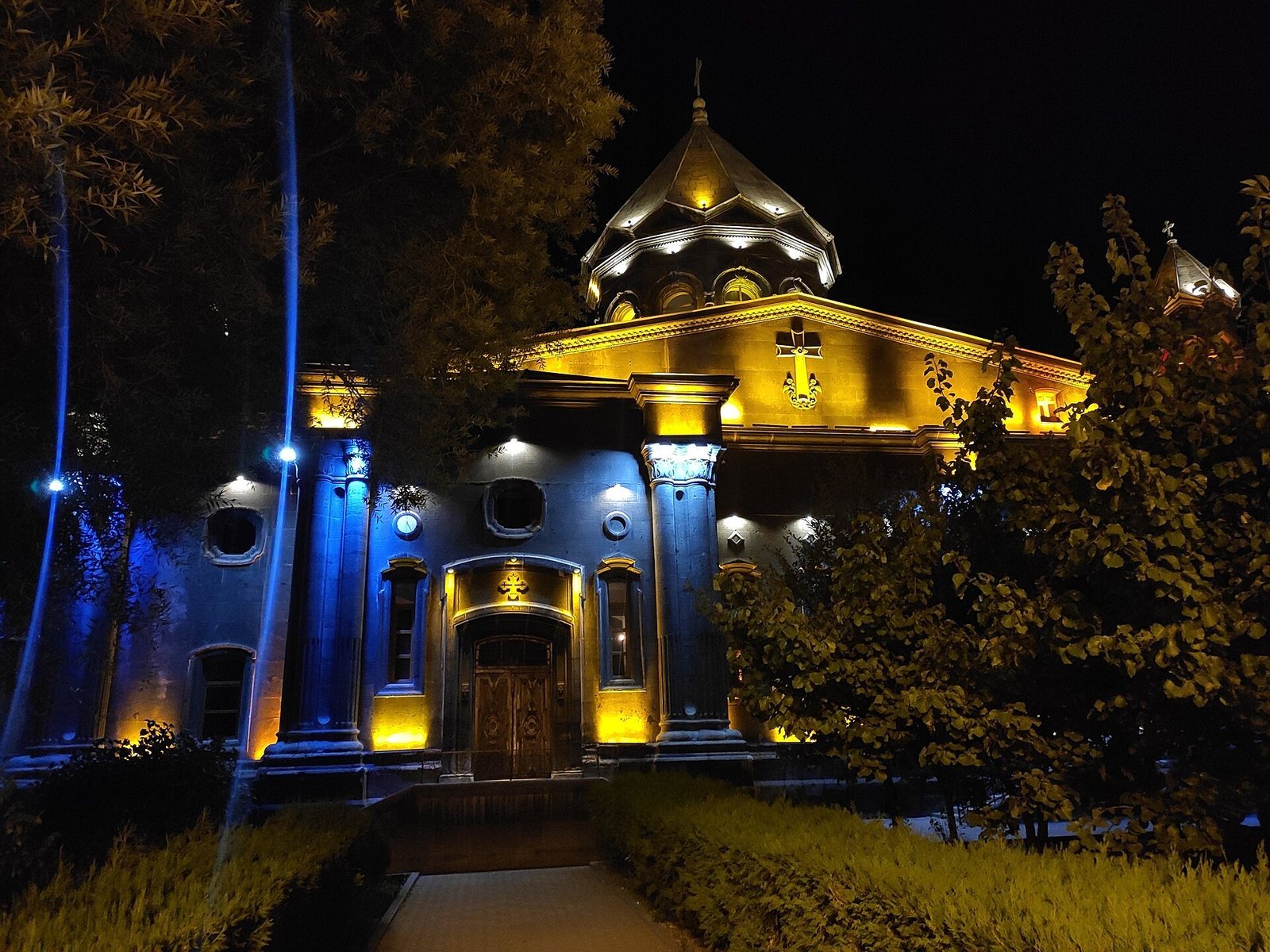
The Cathedral of the Holy Mother of God is an Armenian Apostolic cathedral on the northern side of Vartanants Square in Gyumri, Armenia. Construction began in 1873 and was completed in 1884. The cathedral remains active and serves as the seat of the Diocese of Shirak, an ecclesiastical district administered by a bishop, within the Armenian Apostolic Church, an Oriental Orthodox Christian church.
The cathedral and the image
A wooden chapel built on the site by the Kamsarakan family once housed an image of the Virgin Mary. The image was later taken to Holy Sign Church, previously known as Seven Wounds, and eventually brought to the cathedral. Its depiction of Mary with seven wounds is the origin of the cathedral’s local name, Our Lady of Seven Wounds.
The image’s chronology is uncertain. Its removal from Hasankala, a fortress-town in Upper Basen, is placed in the second half of the nineteenth century and linked to a learned Armenian cleric. A planned transfer to Harichavank, an Armenian monastery, is dated to 1832. At that time, residents of Gyumri prevented the image from being taken onward, and it remained in the city.
Soviet years and later changes
During the Soviet period, the cathedral continued to hold religious services and was one of only two churches in Armenia that remained open, the other being Etchmiadzin Cathedral. At one point, Armenian Apostolic, Armenian Catholic, and Russian Orthodox services took place in the building, with the Armenian Apostolic congregation using the principal space.
The 1988 earthquake in northern Armenia caused limited damage but brought down the two smaller domes, which were replaced. After Armenia became independent, improvements were made to the cathedral. A residential building in front of it, damaged in the earthquake, was removed, opening the view from the square. The cathedral and Holy Savior Church face one another across it.
Remains
Plan and exterior
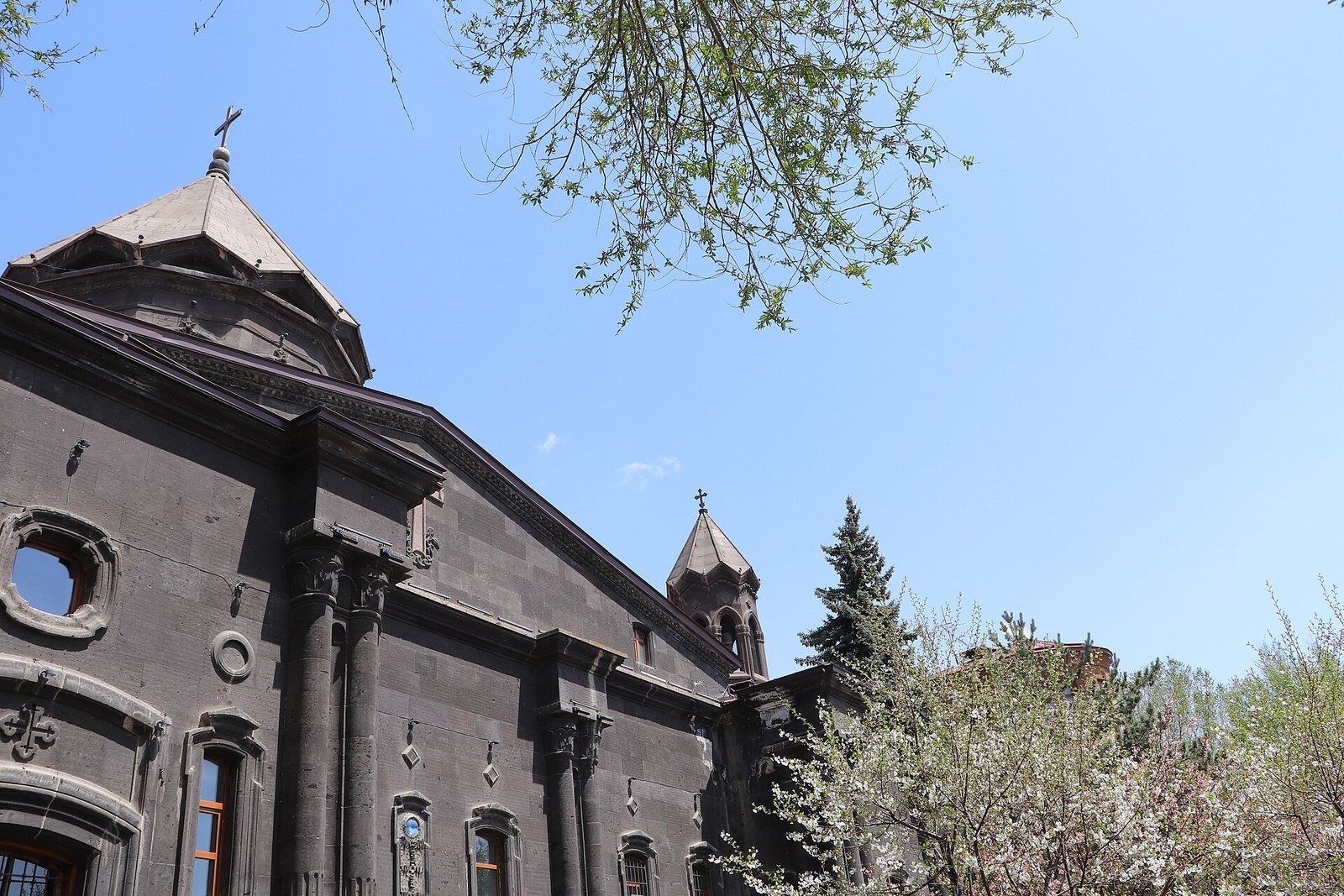
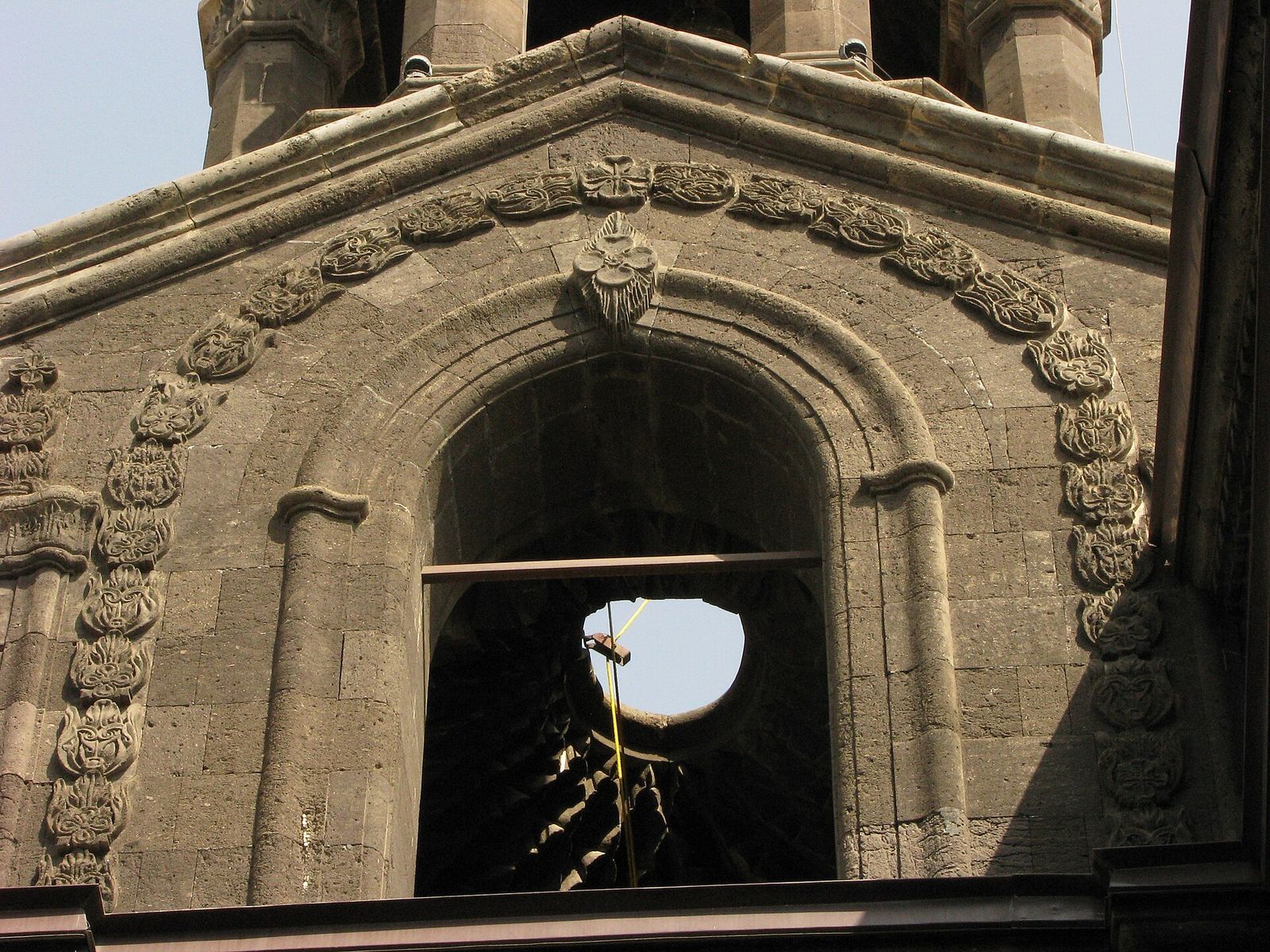
Built of black stone, the cathedral has a rectangular exterior that appears symmetrical, although its plan is asymmetrical. Inside, the domed space is cross-shaped. A large central dome is surrounded by two smaller ones; the earlier smaller domes, which fell in the 1988 earthquake, are placed in the churchyard. A bell tower rises above the main entrance on the west side, and three prayer halls adjoin the northern and western walls.
Interior
Altar and furnishings
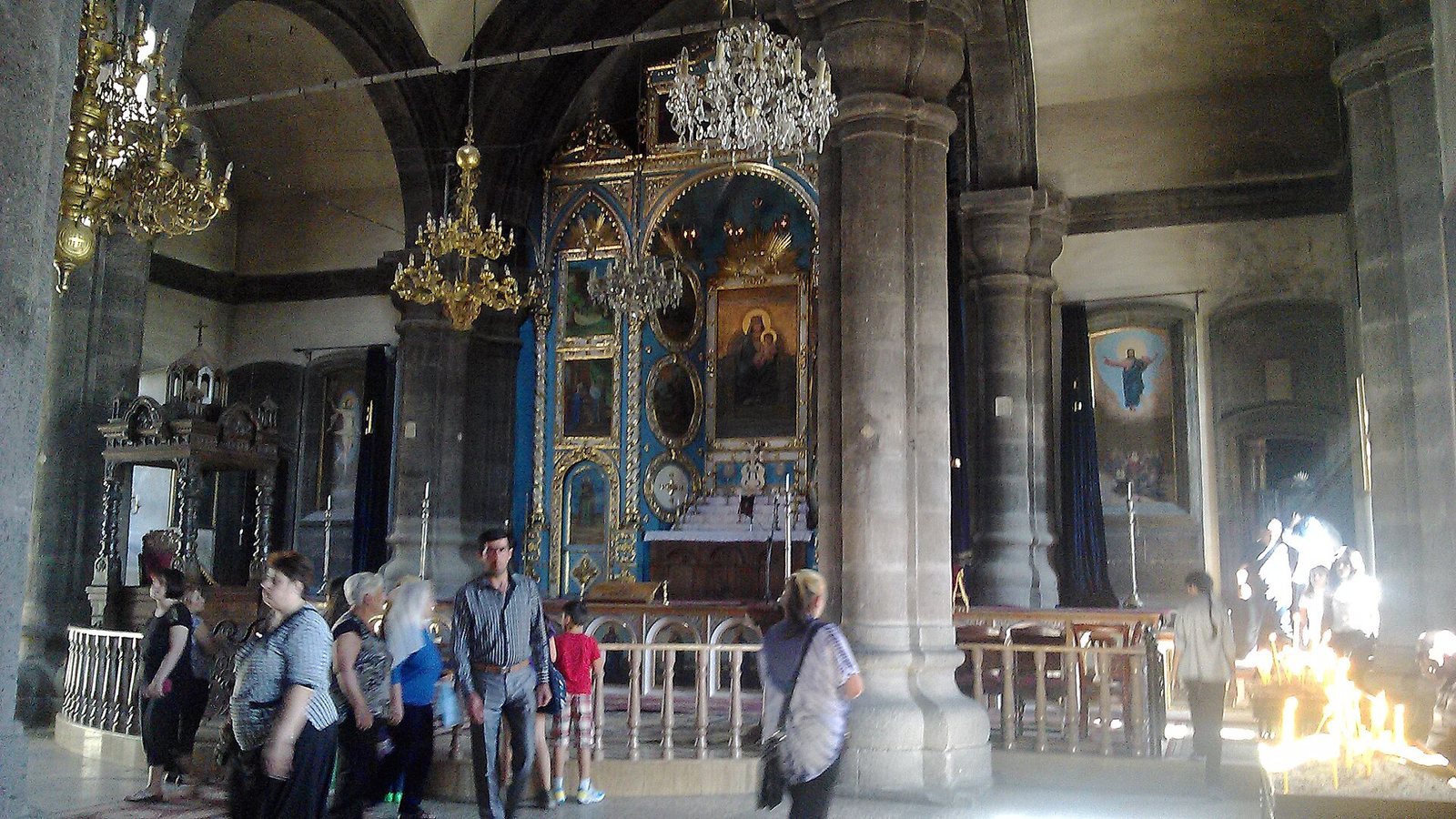
The altar includes an icon screen, a decorated screen in the altar area, considered unusual among Armenian churches. It was probably made during one of the Russo-Turkish Wars, conflicts between the Russian and Ottoman empires. At the time Armenian Catholic services were held here, the altar also contained a cross with a sculpted figure of Jesus Christ, brought from Gyumri’s Catholic church. A Russian icon was associated with the Russian Orthodox services.
Murals
Murals decorate the interior walls. Four decorative paintings are positioned beneath the dome, 12 metres above the ground. A composition of Jesus Christ appears on the right wall, while the left wall bears a seventeenth-century scene of the Resurrection.
Devotional images
At the center of the altar is an image of the Virgin Mary with the Child by Vardges Sureniants, an Armenian painter. The image associated with the name Our Lady of Seven Wounds shows Mary with seven wounds and is traditionally attributed to Luke the Evangelist.