Saint Gregory Cathedral, Artik: An Armenian Apostolic Church


Site at a Glance
- Rating
- 4.4
- Popularity
- Very Low
- Country
- Armenia
- Primary era
- Medieval
- Eras represented
- Classical, Medieval
- Civilizations
- Armenian
- Site type
- Religious
- Remains
- Church
On this page4 sections
History
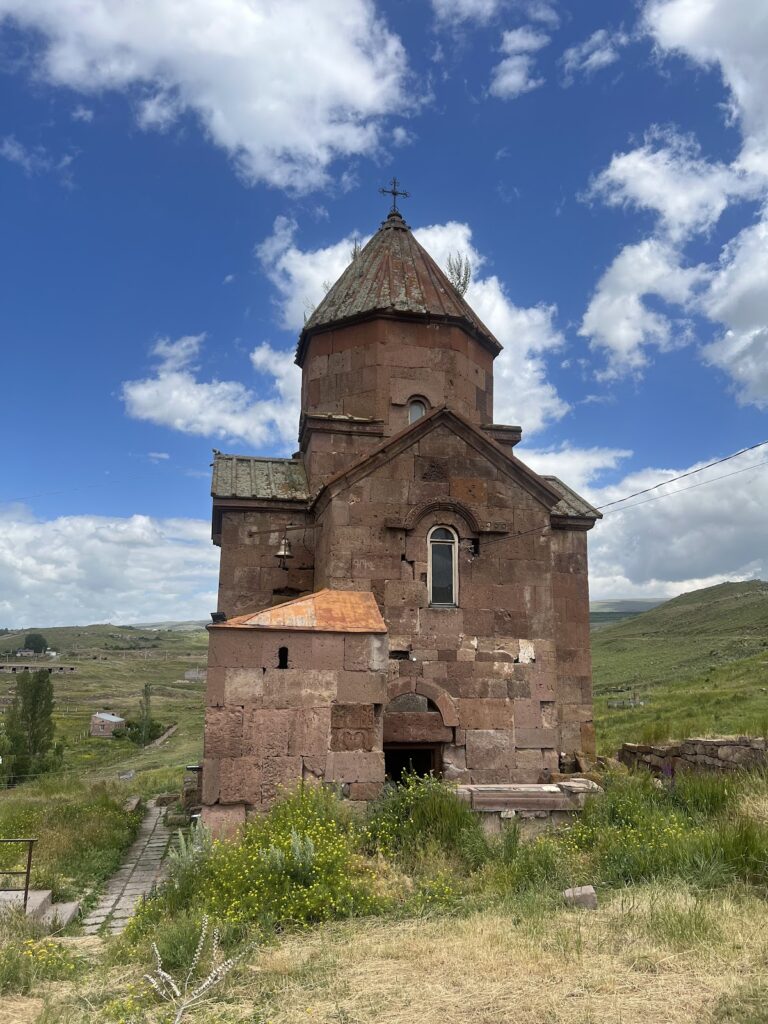
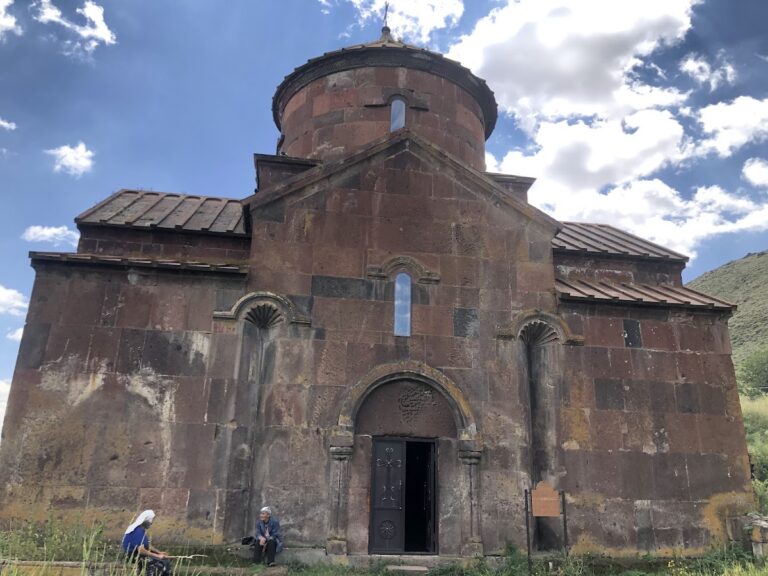
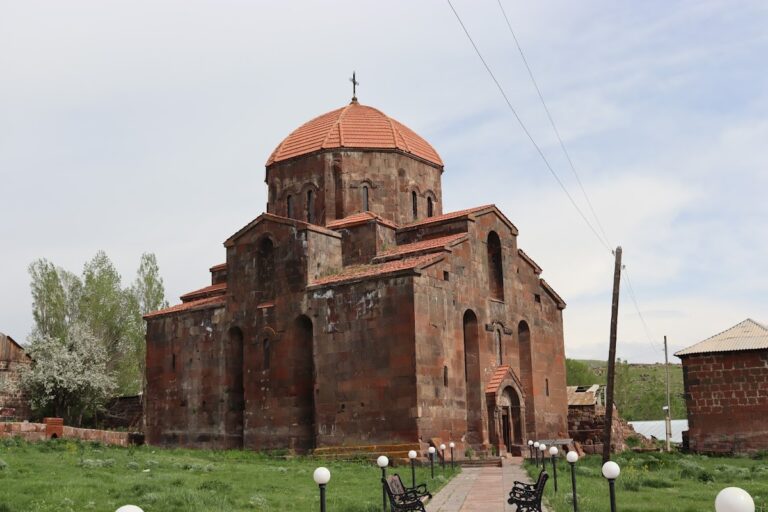
Saint Gregory Cathedral, Artik, is an Armenian Apostolic church in Artik, Armenia. The Armenian Apostolic Church is an ancient Christian tradition with its own liturgy and ecclesiastical structure. The church’s construction date remains uncertain. Its plan and architectural style have been interpreted as evidence of a seventh-century origin, while another view places its construction around the middle of the fifth century.
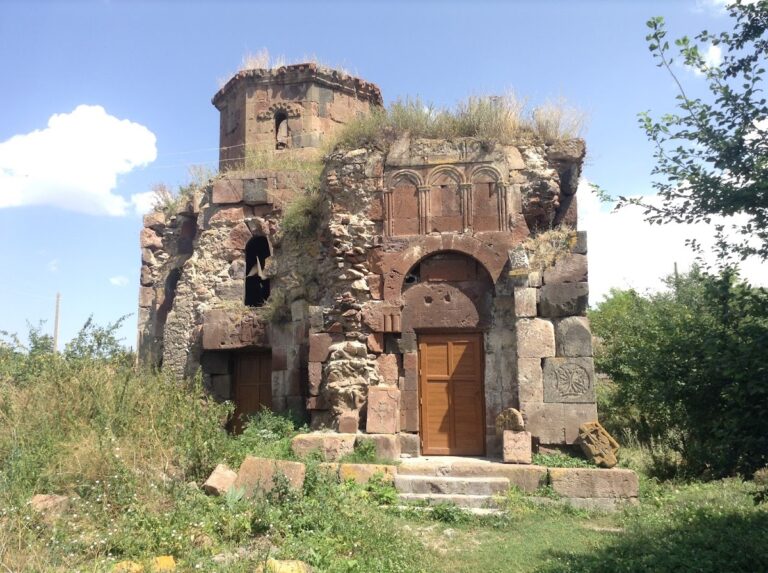
The church is recognized as a cultural monument in Armenia. Restoration began in 2019, with support from Artik residents and a benefactor who made a substantial contribution to the project. Its ruined condition and surviving architectural details preserve evidence of an early Armenian Christian building tradition.
Remains
The surviving church has a cruciform plan, with four projecting arms organized around a central space that was covered by a broad, multifaceted dome. The principal entrance is on the west, while a second doorway opens on the south. Its eastern end contains a three-sided apse, the curved sanctuary area, illuminated by three windows. Square sacristies, rooms associated with church furnishings, stand on either side of the apse, and small curved niches are set into the eastern walls.
Cross-Arms and Facades
The north cross-arm is semicircular on both its interior and exterior. The other cross-arms are semicircular inside but polygonal on the outside. The north and west facades share a similar design, with paired semi-columns emphasizing their corners. Stairs are built into the thick wall of the cross-arm, forming part of the church’s internal construction.
Stonework and Ornament
Locally obtained pink tuff, a porous volcanic stone widely used in Armenian architecture, forms the church. Written inscriptions have not survived on its stones, but the capitals of the wall pilasters and the window surrounds carry carved decoration. The motifs include grape clusters and leaves, pomegranates, and palm leaves. The church’s exterior design has been compared with that of the church at Mastara. The Church of the Holy Mother of God stands several tens of metres away.