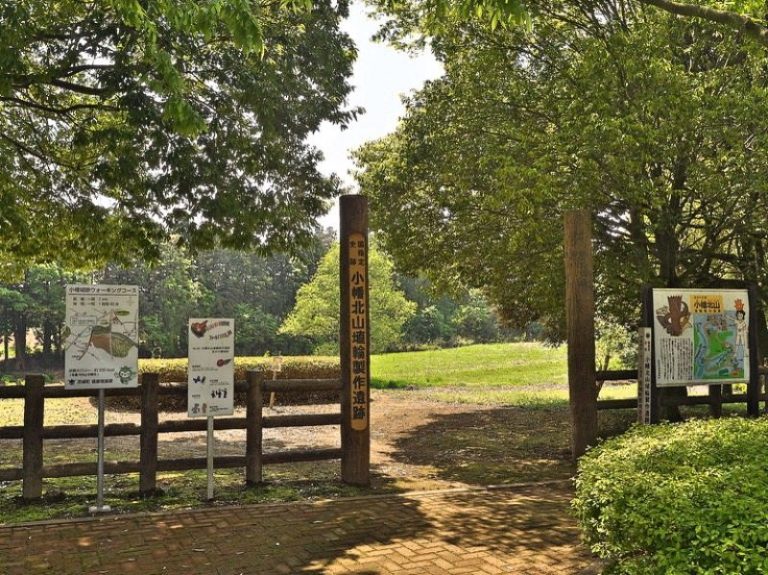
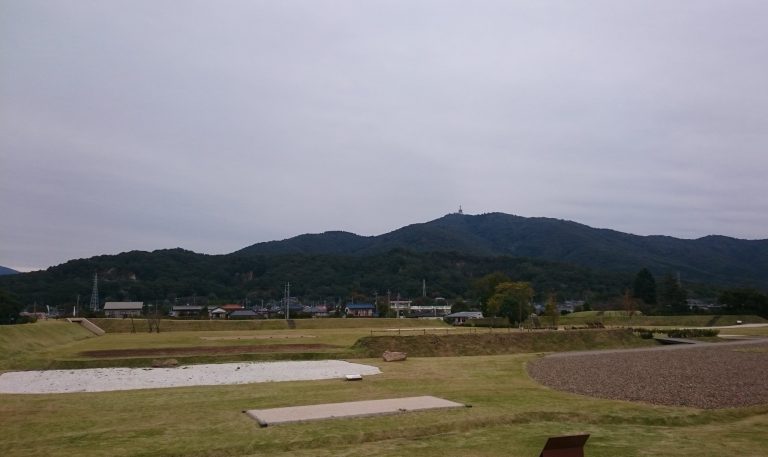
Funatsukayama Kofun: A Keyhole-Shaped Burial Mound in Japan
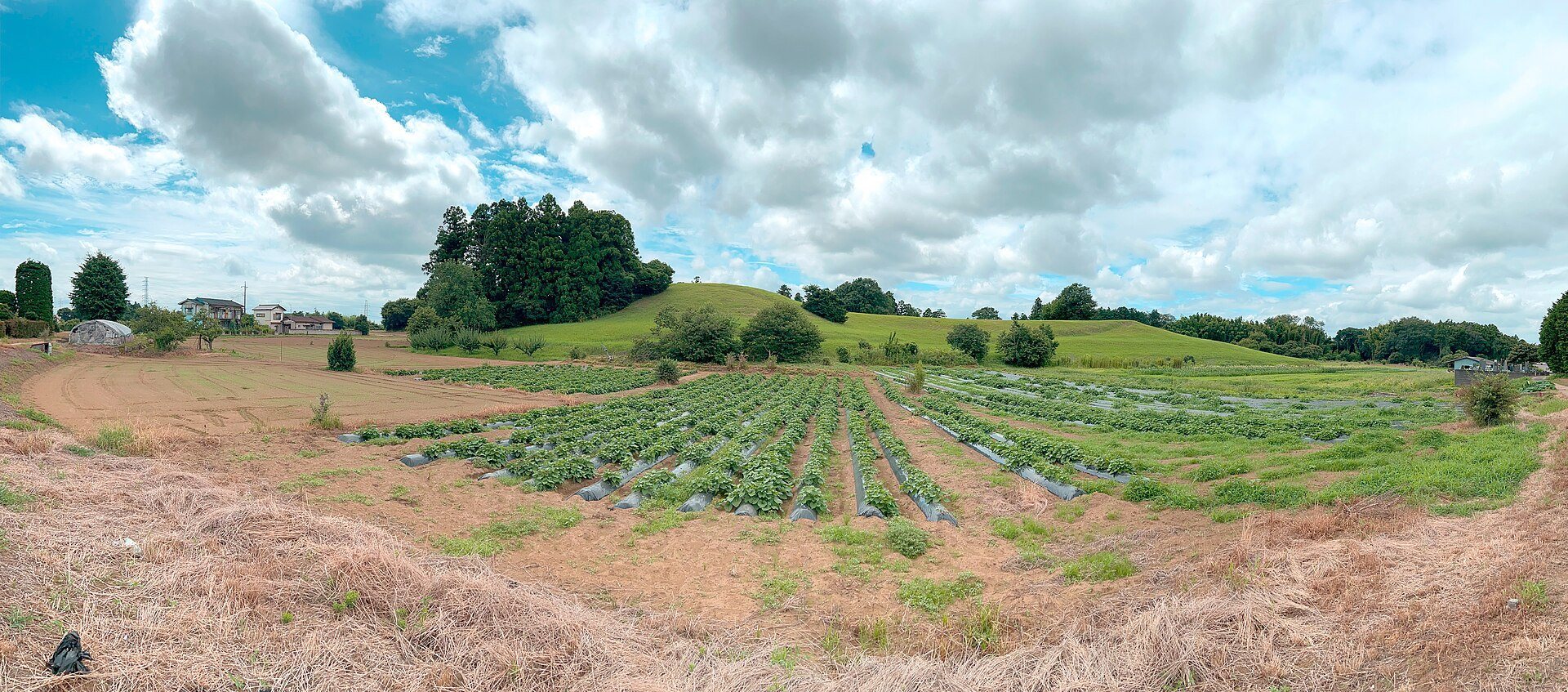
Site at a Glance
- Rating
- 4.3
- Popularity
- Very Low
- Country
- Japan
- Primary era
- Classical
- External website
- Open
- Eras represented
- Classical
- Civilizations
- Yamato
- Site type
- Burial
- Remains
- Burial Mound
On this page7 sections
History
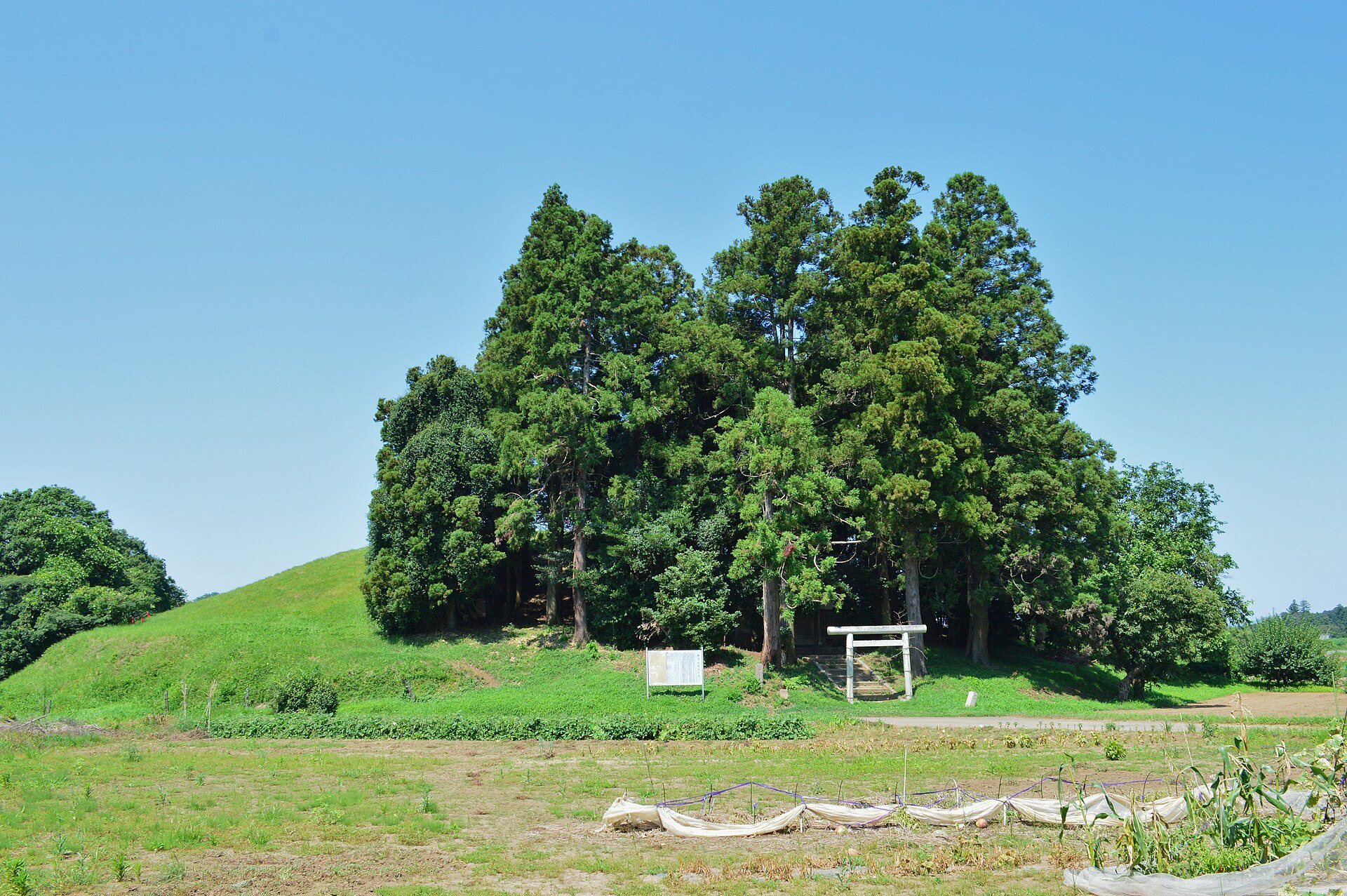
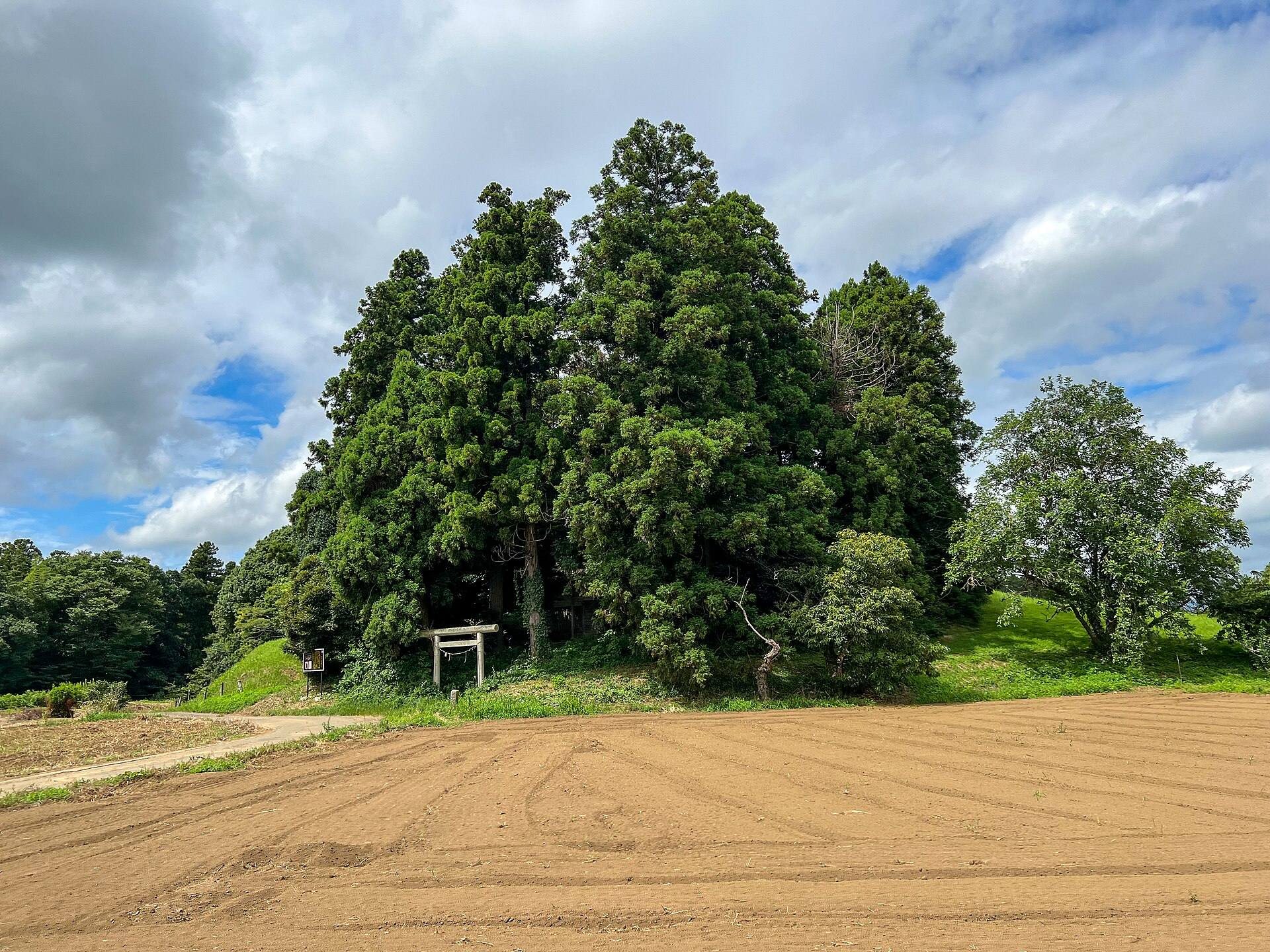
Funatsukayama Kofun is a large Kofun-period burial mound in Ishioka, Japan, built during the latter half of the fifth century, in the middle Kofun period. A kofun was a monumental burial mound constructed in Japan between approximately the third and seventh centuries. Funatsukayama formed part of the Funatsukayama Kofun Group and is regarded as the largest kofun in Ibaraki Prefecture and the second largest in the Kantō region, after Ōta Tenjinyama Kofun in Gunma Prefecture.
A regional ruler’s burial mound
The person buried at Funatsukayama has not been identified. Its exceptional size has led to the view that the occupant was a powerful ruler from one of the former Niihari, Namegata, or Inashiki districts. Another interpretation identifies the tomb as that of a chief of the Ibaraki kuni no miyatsuko, a hereditary local ruler or administrative leader under Japan’s early provincial system.
The mound stands on the edge of a plateau in the basin of the Koise River, near the northern shore of Lake Kasumigaura. Fuchu Atagoyama Kofun lies about 300 meters to the northeast. Local tradition gives the two mounds nautical names in relation to the lake, calling Funatsukayama the “entering boat” and Atagoyama the “departing boat.”
Later changes and archaeological investigation
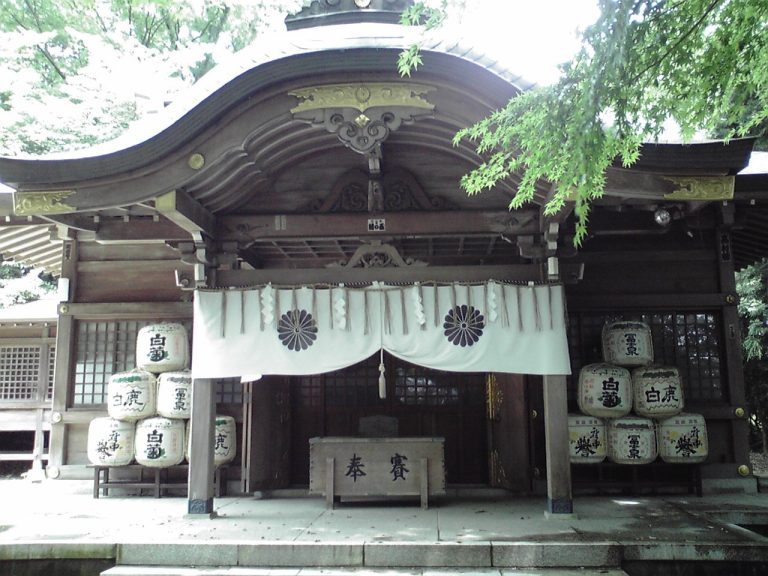
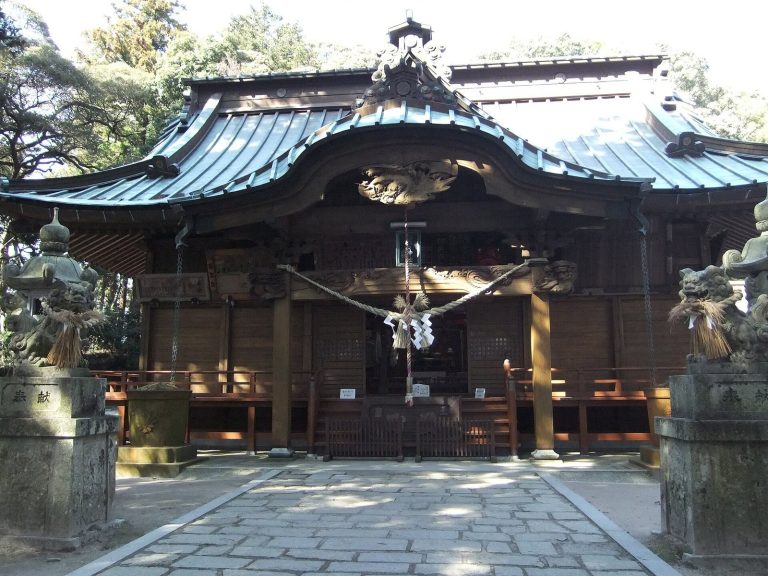
The mound’s form was altered by the construction of a Shinto shrine, soil extraction, and the creation of graves. A local tradition that many swords were found in the area has also raised the possibility of premodern looting. The site received designation as a National Historic Site of Japan on March 3, 1921.
The Meiji University Archaeology Laboratory surveyed Funatsukayama in 1963. Excavation in 1972 confirmed the moat surrounding the mound and investigated Funatsukayama 17, an associated tumulus where a wooden coffin and grave goods were found. Ground-penetrating radar and other geophysical surveys followed between 2011 and 2013.
Funatsukayama also belongs to the historical landscape of the area that later became the center of Hitachi Province. Under the ritsuryo system, Japan’s centralized legal and administrative order of the seventh and eighth centuries, a provincial government, provincial temple, and provincial convent were established there.
Remains
Main mound and surrounding moat
Funatsukayama is a keyhole-shaped tumulus with its projecting rectangular front section directed westward. The mound is approximately 186 meters long and rises in three tiers. Its rear circular section measures about 90 meters in diameter and 11 meters in height, while the front section is approximately 100 meters wide and 10 meters high.
A shield-shaped moat surrounds the mound on the plateau side. The monument’s southern side faces a cliff, and the moat follows a different arrangement there. Including the moat, the monument extends for approximately 260 meters. The moat is about 44 meters wide beside the eastern side of the rear section, 40 meters beside the western side of the front section, and as much as 63 meters beside the northern side of the waist between the two parts.
Rows of cylindrical haniwa were placed around the mound’s outer surface. Haniwa were clay funerary objects set on or around burial mounds. Cylindrical examples commonly formed boundary or display rows. Haniwa excavated from Funatsukayama are displayed at Hitachi Fudoki no Oka in Ishioka.
Construction and burial evidence
The mound’s construction plan has been compared with those of Daisenryo Kofun in Sakai, traditionally identified as the tomb of Emperor Nintoku, and Uwanabe Kofun in Nara. The burial arrangement at Funatsukayama remains unresolved, while the local tradition of numerous sword discoveries preserves an enduring association between the mound and weapons.
Associated tumuli
Several small tumuli regarded as possible subsidiary mounds are distributed around the principal mound. Funatsukayama 17 is a small circular tumulus that contained a wooden coffin, cuirass, shield, and straight sword. These objects are designated Tangible Cultural Properties of Ishioka City.
Funatsukayama 9 produced a box-shaped stone coffin, which was moved and preserved in front of the Ishioka Municipal Folklore Museum. Together with the finds from Funatsukayama 17, these associated features provide archaeological evidence for the burial practices connected with the wider mound group.