Hōōzuka Kofun: A Keyhole-Shaped Burial Mound in Ichikawa, Japan
Site at a Glance
- Rating
- 3.6
- Popularity
- Very Low
- Country
- Japan
- Primary era
- Medieval
- External website
- Open
- Eras represented
- Medieval
- Civilizations
- Yamato
- Site type
- Burial
- Remains
- Burial Mound
On this page8 sections
History
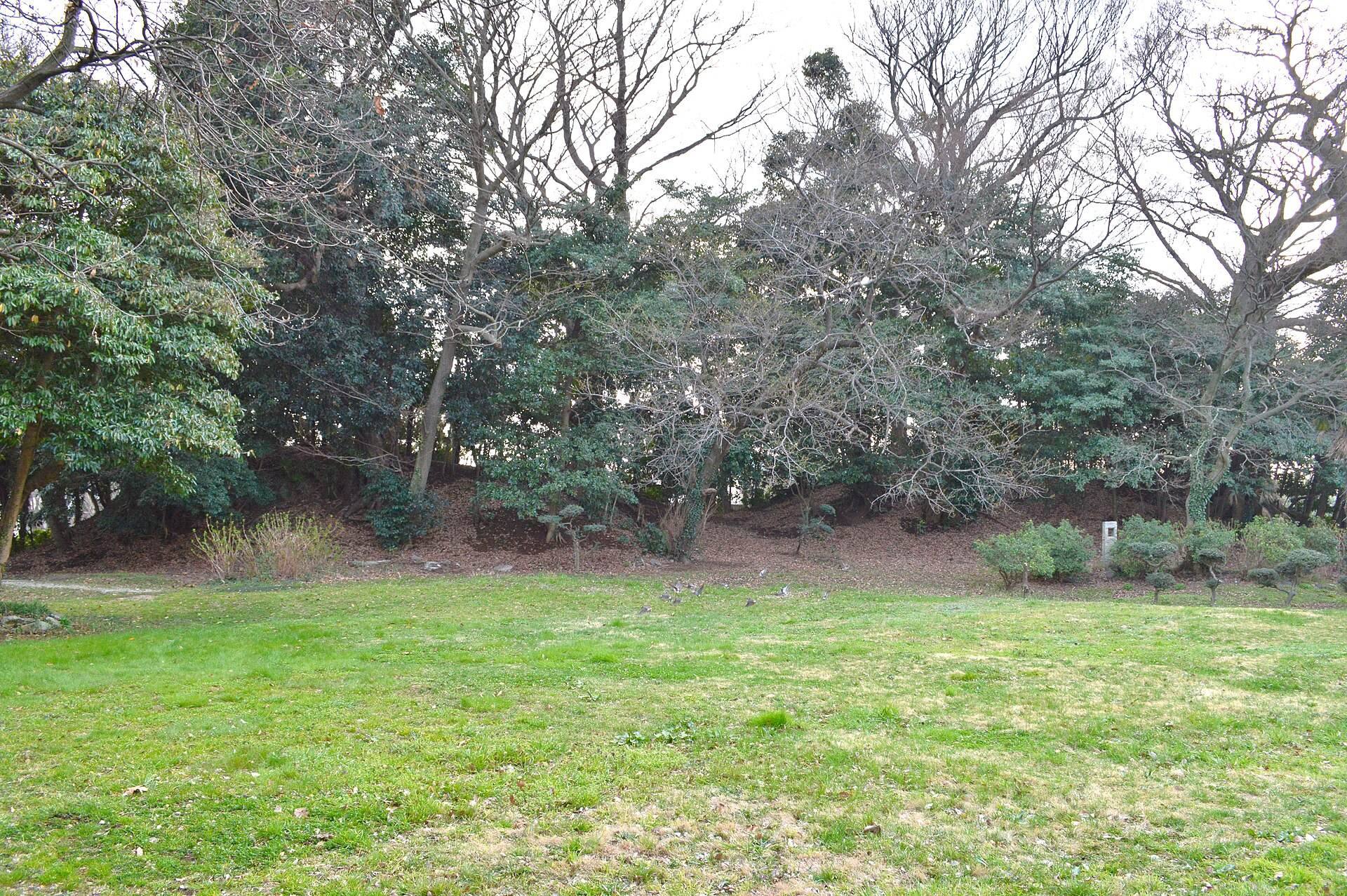
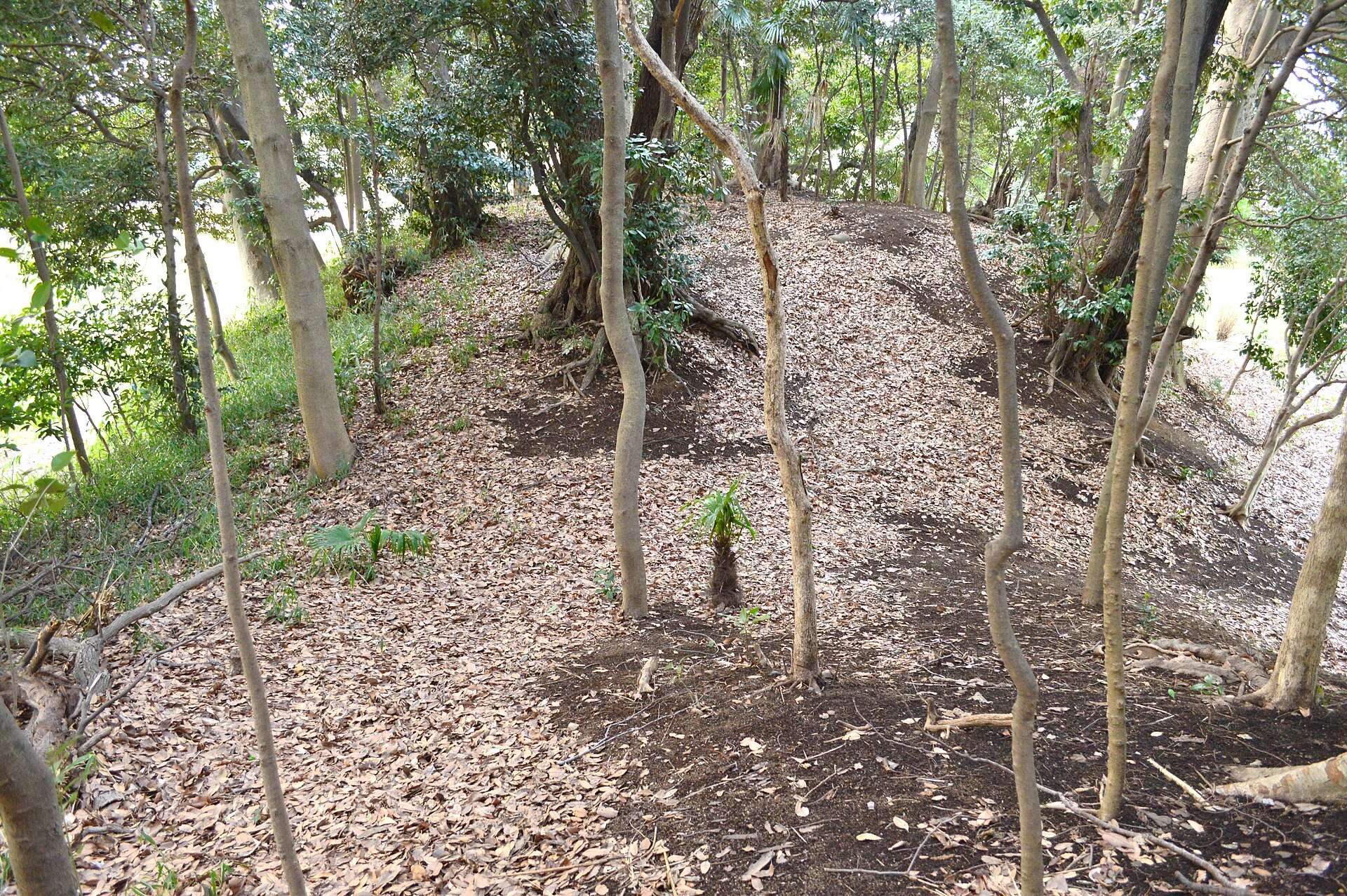
Hōōzuka Kofun is a keyhole-shaped burial mound in Japan, located in Ichikawa, Chiba, and dating to the latter half of the sixth century, although construction may belong to the middle of that century. A kofun is a monumental Japanese burial mound, and its keyhole form combines a circular rear section with a rectangular projecting front. Hōōzuka is the largest of the three keyhole-shaped mounds in the Kōnodai Kofun Group, which stands on a plateau above the left bank of the lower Edo River in northwestern Chiba.
A regional burial mound in the Kofun period
The excavated artifacts place Hōōzuka within the latter part of the Kofun period, an era of mound burial conventionally dated from about the third to the seventh centuries. Few other kofun are known in the southern part of the former Higashikatsushika District outside the Kōnodai area. Hōōzuka may therefore have belonged to a local chief who governed the surrounding region.
The mound also lay near the presumed site of the provincial government of Shimōsa and near the remains of Shimōsa’s provincial Buddhist temples. Under the ritsuryō system, Japan’s centralized legal and administrative order of the seventh and eighth centuries, provincial governments administered their territories while provincial temples and nunneries served as religious institutions. This setting made the Kōnodai area a center of Shimōsa Province.
Relocation, damage, and archaeological investigation
A Tenmangū shrine once stood on the summit. In 1875, it was moved about 300 meters to the northwest after land was acquired for university construction. Before the Second World War, the surrounding area became military land. Development for that use partly damaged the mound and changed some sections into stone walls.
Archaeological work began in 1951, when the Tokyo University of Education surveyed and excavated the site. Meiji University’s Archaeological Research Laboratory surveyed the mound in 1965 and excavated it in 1969 under Kobayashi Saburō and other researchers. Finds from the kofun are preserved and displayed at the Ichikawa Archaeological Museum.
Remains
Hōōzuka Kofun consists of a northwest-pointing keyhole mound with a circular rear section and a rectangular front projection. Its restored length is estimated at 54.5 meters, while surveying measured 58 meters. The surviving burial facility lies within the rear section and opens toward the southwest. Fragments of haniwa, clay funerary objects placed on or around burial mounds, were also recovered from the mound.
Mound and burial chamber
Keyhole mound
The circular rear section measures about 27 meters across and rises 5.7 meters. The rectangular front section is 35 meters wide and 5.6 meters high, though it appears higher than the rear section. Together, these two parts form the characteristic keyhole plan and preserve the principal shape of the monument despite later damage and alterations.
Horizontal stone chamber
The burial facility is a single-sleeve horizontal stone chamber, meaning that a passage enters the main chamber from one side. Built of tuffaceous sandstone known as Bōshū stone, it is approximately 7.55 meters long. The main chamber measures 4.35 meters in length and 1.8 meters in width at the ends of its walls, while the entrance passage is 3.15 meters long and 1.15 meters wide. No ceiling stones were found. Although the chamber had been robbed, excavation recovered costume ornaments, weapons, armor, and horse equipment.
Haniwa and recovered objects
The cylindrical haniwa are all of the Shimōsa type. The figurative examples include locally made pieces and others produced at the Oizuka Haniwa Kiln in Kōnosu, Saitama Prefecture. Their subjects include a house represented by five separately recovered pieces, male and female figures, horses, water birds, and spear- or lance-shaped forms. These objects provide material evidence for the mound’s funerary setting and its connections with regional haniwa production.