Człuchów Castle: A Medieval Teutonic Fortress in Poland
Visitor Information
Google Rating: 4.7
Popularity: Medium
Official Website: www.muzeumczluchow.pl
Country: Poland
Civilization: Medieval European, Modern
Site type: Military
Remains: Castle
History
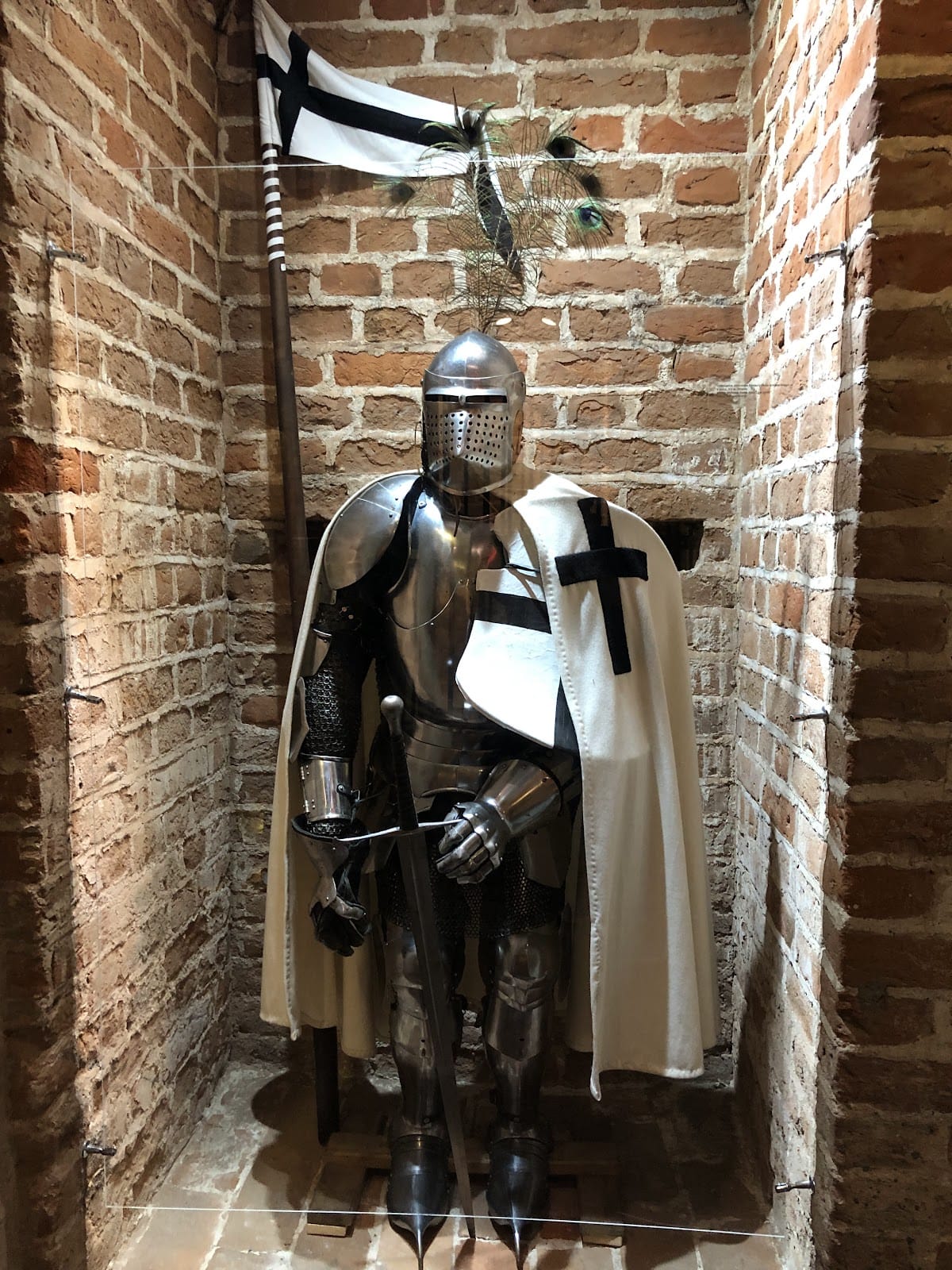
Człuchów Castle is located in the town of Człuchów, Poland, and was built by the Teutonic Order during the early 14th century. Construction began in 1312 and continued until 1365, with the castle established to guard an important trade route linking German territories with Prussia. It became the seat of the Order’s regional commander (komtur) and convent, attracting notable figures such as Konrad von Wallenrode, a prominent Teutonic leader.
In 1348, the castle, together with its growing settlement, was granted town rights, marking the foundation of Człuchów as an urban center under Teutonic control. This situation persisted until the mid-15th century, when the region became embroiled in the Thirteen Years’ War between the Teutonic Knights and the Kingdom of Poland. In 1454, Polish royal forces captured the fortress, and despite multiple attempts by the Teutonic Knights to reclaim it between 1454 and 1456, as well as further attempts in 1520 by their allies, the castle remained under Polish authority.
Following the Second Peace of Thorn in 1466, Człuchów was incorporated as a royal town within Poland, serving as the residence of a starosta—a royal official overseeing the area. The castle and town hosted several distinguished Polish noble families over the following centuries, including the Wejher, Sanguszko, and Radziwiłł clans. During the early 17th century, the castle faced two sieges by Swedish forces: first in 1627 and again during the mid-17th century conflict known as the Deluge. The fortress resisted both attacks until the second siege, when Swedish soldiers took advantage of frozen lake surfaces to approach and breach its defenses.
After the First Partition of Poland in 1772, Człuchów Castle fell under Prussian control. The new rulers undertook significant alterations, including lowering the level of the adjacent lake by about four meters. Additionally, destructive fires in 1786 and again in 1793 severely damaged the structure, leaving it nearly ruined. King Frederick William II of Prussia authorized demolishing the castle to reuse its stone and brick for reconstructing the town. This dismantling continued until 1811, when new protective orders halted further destruction.
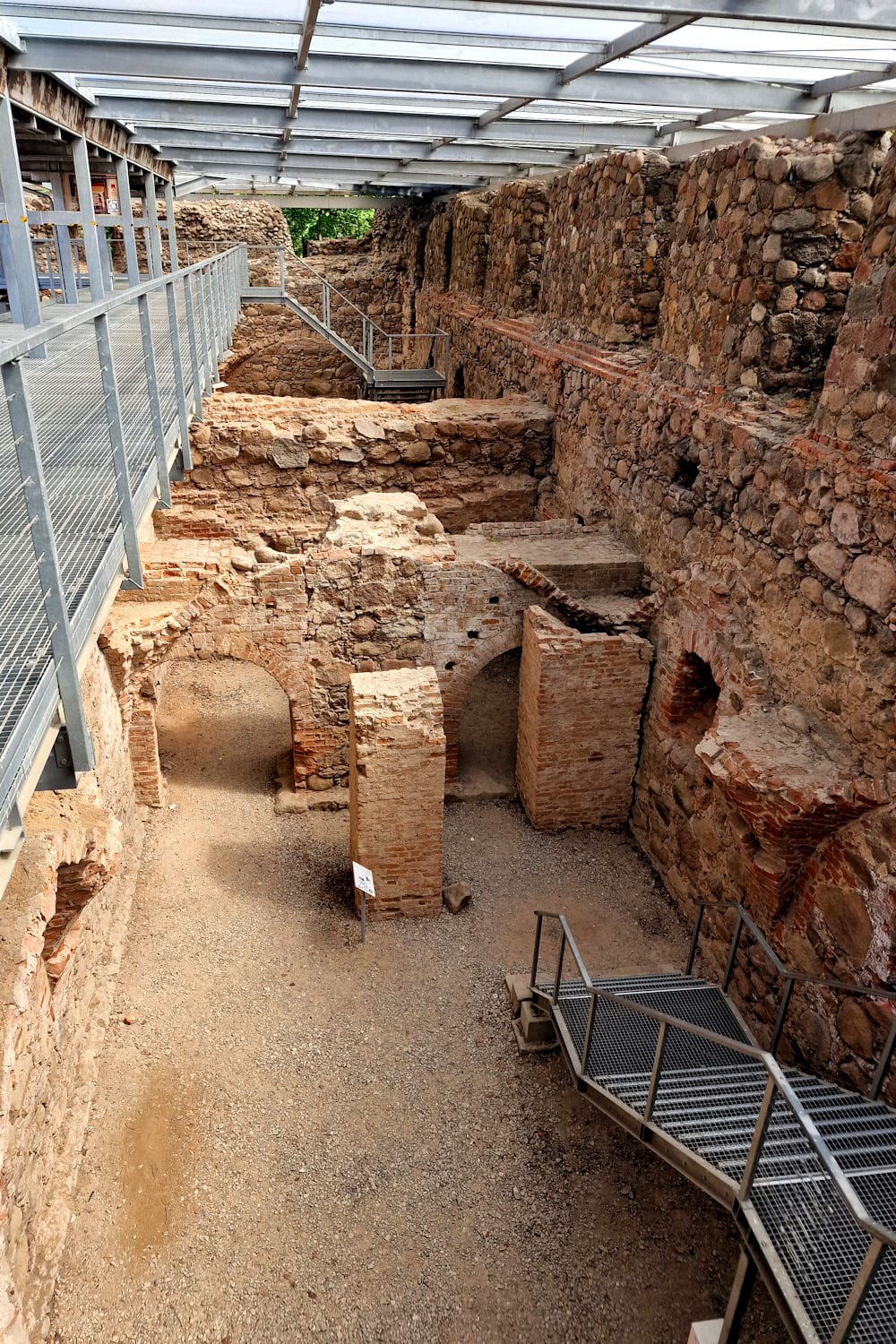
Between 1826 and 1828, a neo-Gothic Protestant church was built on the site of the castle’s former chapel, designed initially by Salzmann and later revised by Karl Friedrich Schinkel, a notable Prussian architect. Subsequently, in 1842, an evangelical cemetery was established on the castle’s western bailey and remained in use until the end of World War II in 1945. From 2008 onwards, extensive archaeological excavations led by the University of Warsaw have uncovered parts of the High Castle’s courtyard and cellars, revealing a vast array of artifacts including a papal bull issued by Pope Gregory XI and silver coins from the 17th century. Restoration and adaptation efforts between 2008 and 2015 transformed the site to house a regional museum, revitalizing its historical presence.
Remains
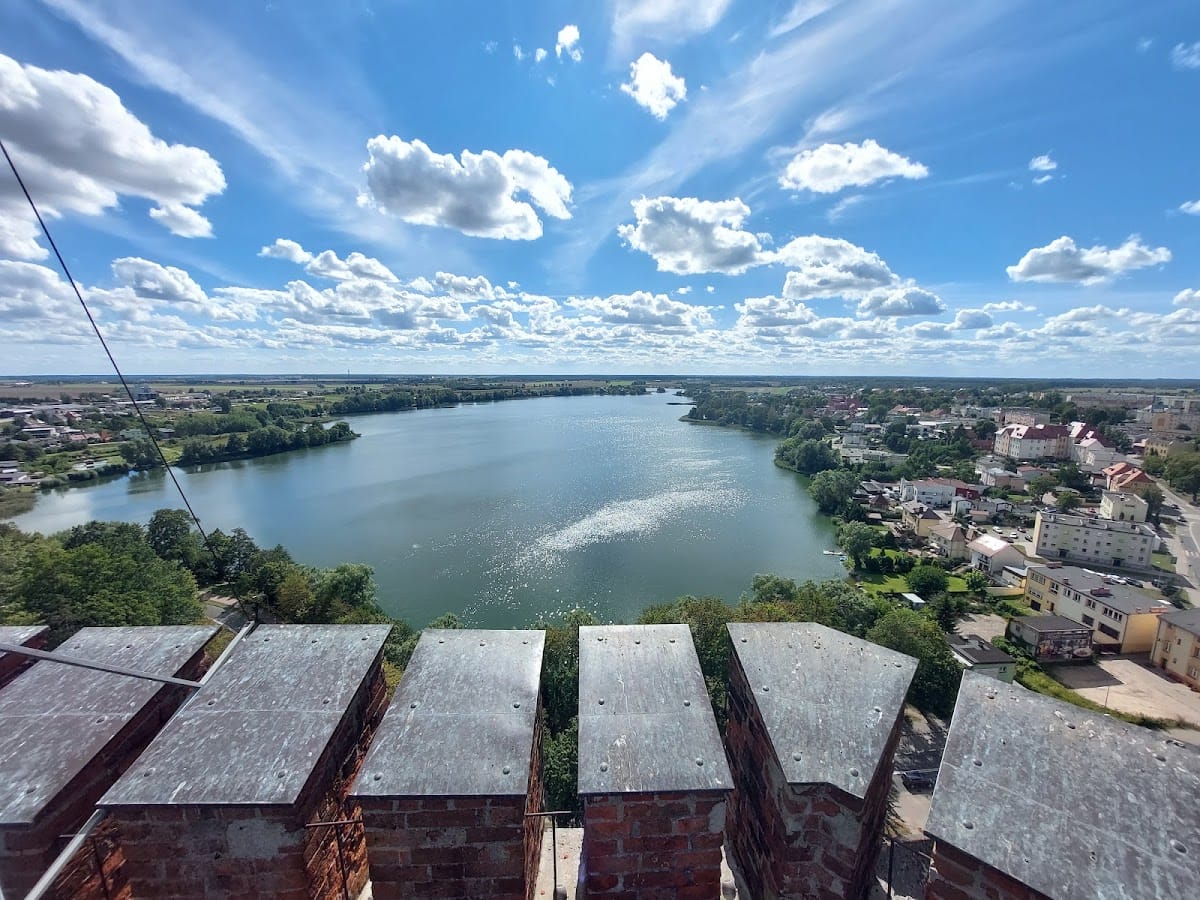
Człuchów Castle was originally built at the base of a peninsula extending into Lake Słuchów. The fortress complex comprised four main sections: the central High Castle and three surrounding baileys—western, northern, and eastern—each designed to defend independently if necessary. Its defensive perimeter consisted of granite and brick walls connected by drawbridges spanning moats, enhancing its security.
The High Castle followed a square plan measuring approximately 47.5 meters on each side. It featured four wings arranged around a central courtyard and included a large bergfried tower, a type of tall defensive tower typical for medieval castles, positioned in the northwest corner. The foundations and ground floors were constructed from sturdy stone, while upper walls were made using brick. The High Castle housed living quarters for the knights and clergy, dining facilities, and a chapel. Attached to its southern wing was a gdanisko—a projecting platform used for defensive purposes, allowing defenders to cover the walls below.
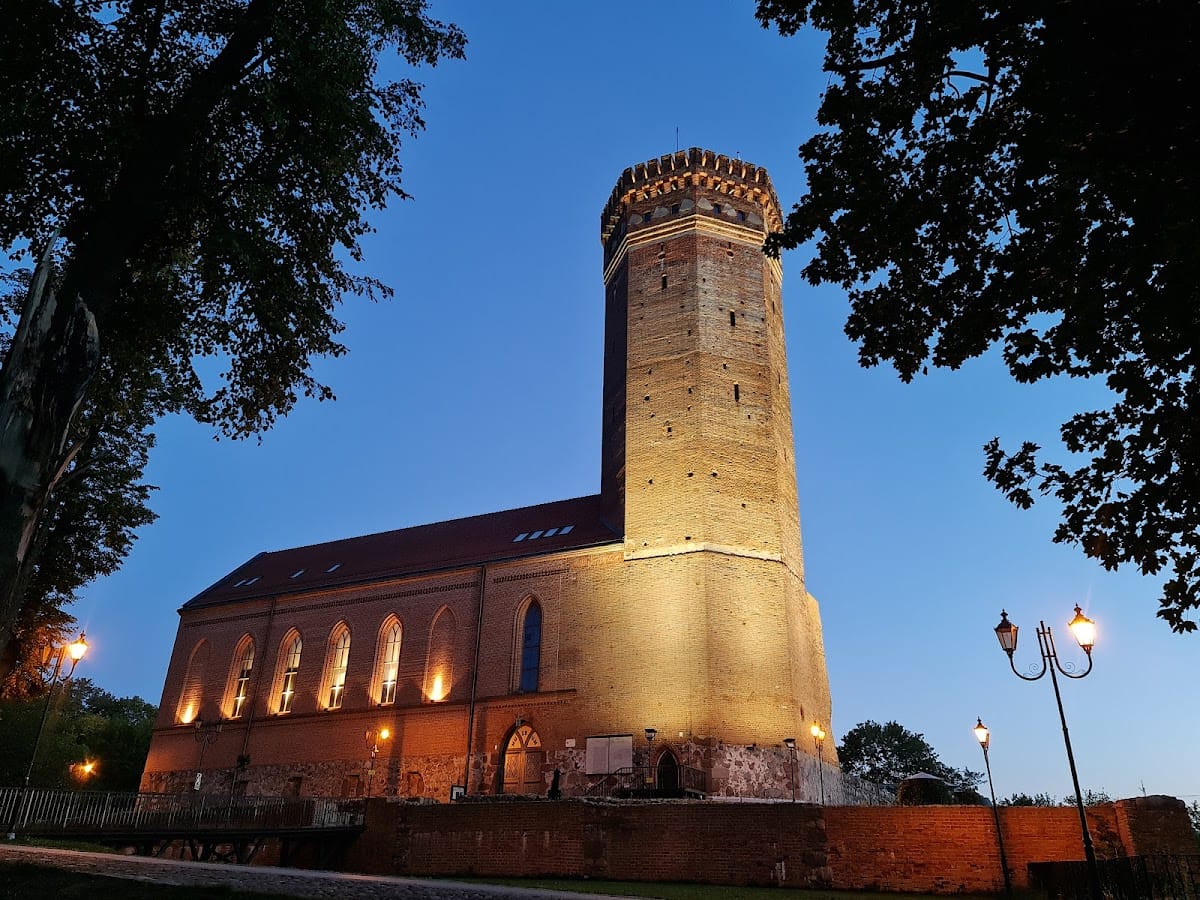
The bergfried tower once soared above 50 meters high, with walls reaching up to five meters thick. It was uniquely accessed through a single entrance located around 16 meters above ground level, which could be reached only from an attic passage in an adjacent wing. The tower’s basement contained prison cells and a deep well, serving as the final refuge during attacks. Today, the main tower remains prominently preserved at a height of 46 meters and was incorporated into the neo-Gothic chapel erected in the early 19th century, functioning as a bell tower.
The western bailey, lying closest to the town, included the main gate defended by a square tower at its northwest corner and a semicircular tower along its western wall. Inside this enclosure were essential facilities such as stables, guardhouses, an armory, and granaries supporting the castle’s daily operations. The northern bailey, also known as the middle castle or przygródek, shared a common wall with the High Castle and contained living quarters for parts of the garrison as well as guard stations. In the 17th century, a starosts’ palace was constructed there, serving as an official residence for royal administrators.
The eastern bailey covered the largest area within the complex. It was primarily devoted to economic functions, featuring various work and storage buildings. A gate in this section led to the rest of the peninsula, which has since been developed into a park. Archaeological investigations have revealed the foundation layouts and cellars of the High Castle’s wings in this area, unearthing numerous artifacts that provide insight into the castle’s long history.
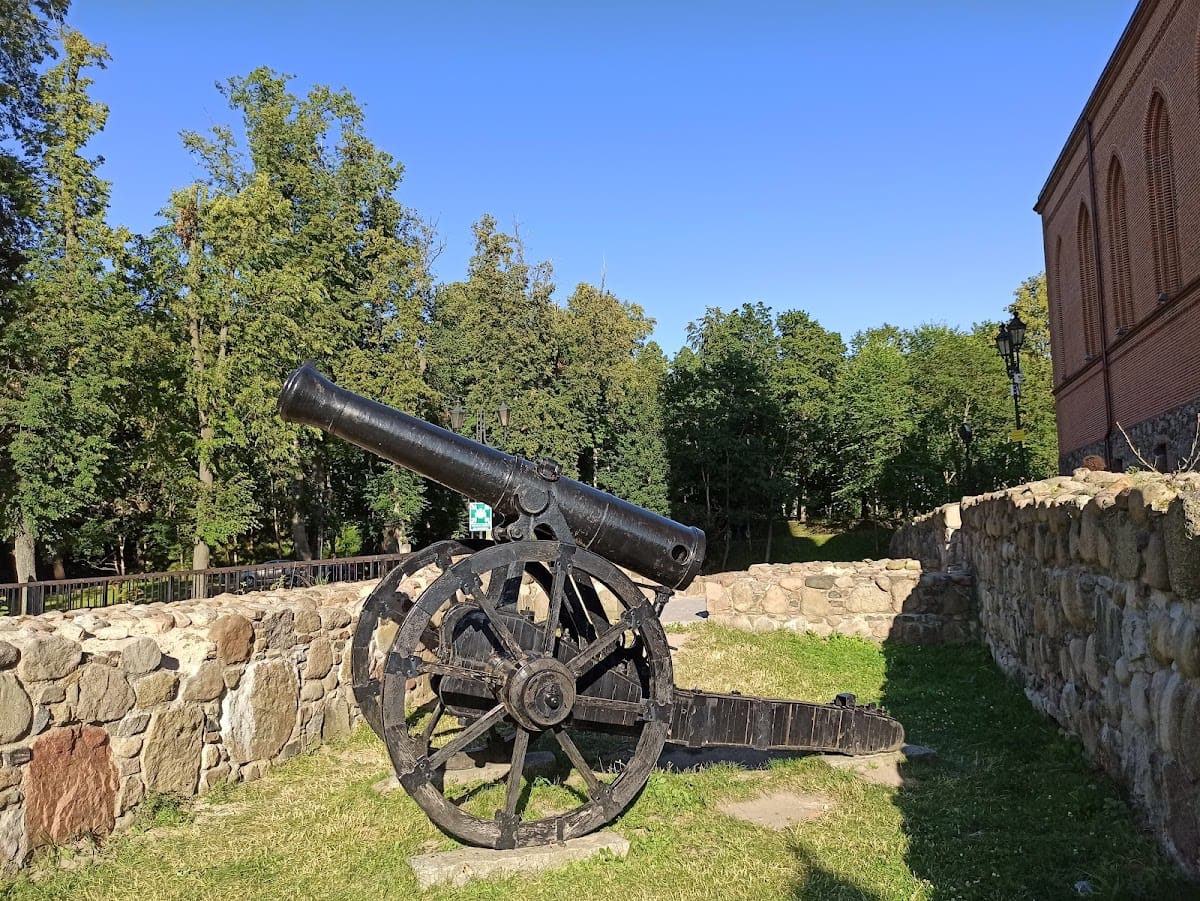
Today, visitors can see fragments of the defensive walls alongside the restored main tower and portions of the former gate area. The incorporation of modern adaptations, including elevators, has improved accessibility while preserving the castle’s historical fabric. These preserved elements, together with archaeological findings, continue to illuminate Człuchów Castle’s significance from its medieval origins through later centuries.